
Domestic Pressure Sensor
Domestic pressure sensors are small devices that measure pressure in residential systems. They help homeowners monitor water pipes, gas lines, HVAC units, and appliances. A domestic pressure sensor can detect leaks, blockages, and abnormal pressure changes before they become costly problems. In modern homes, these sensors connect to smart hubs and mobile apps, giving real-time alerts and data.
There are several common types. Water pressure sensors track supply lines and boilers, protecting pipes from high pressure. Gas pressure sensors monitor safe fuel flow in heating and cooking systems. Air pressure sensors support HVAC filters, ducts, and ventilation. Some models are wired, while wireless and battery-powered versions are easier to install.
The benefits are clear. First, safety improves because early warnings reduce leak and explosion risks. Second, energy efficiency rises when heating and cooling systems run at correct pressure. Third, maintenance becomes predictive, not reactive. Homeowners can schedule service before a breakdown. Fourth, smart automation can adjust devices based on pressure readings.
When choosing a domestic pressure sensor, consider range, accuracy, compatibility, power source, and IP rating. Check whether it works with your smart home platform. For water systems, look for corrosion-resistant materials. For gas, choose certified sensors only. Installation should follow local codes and manufacturer instructions.
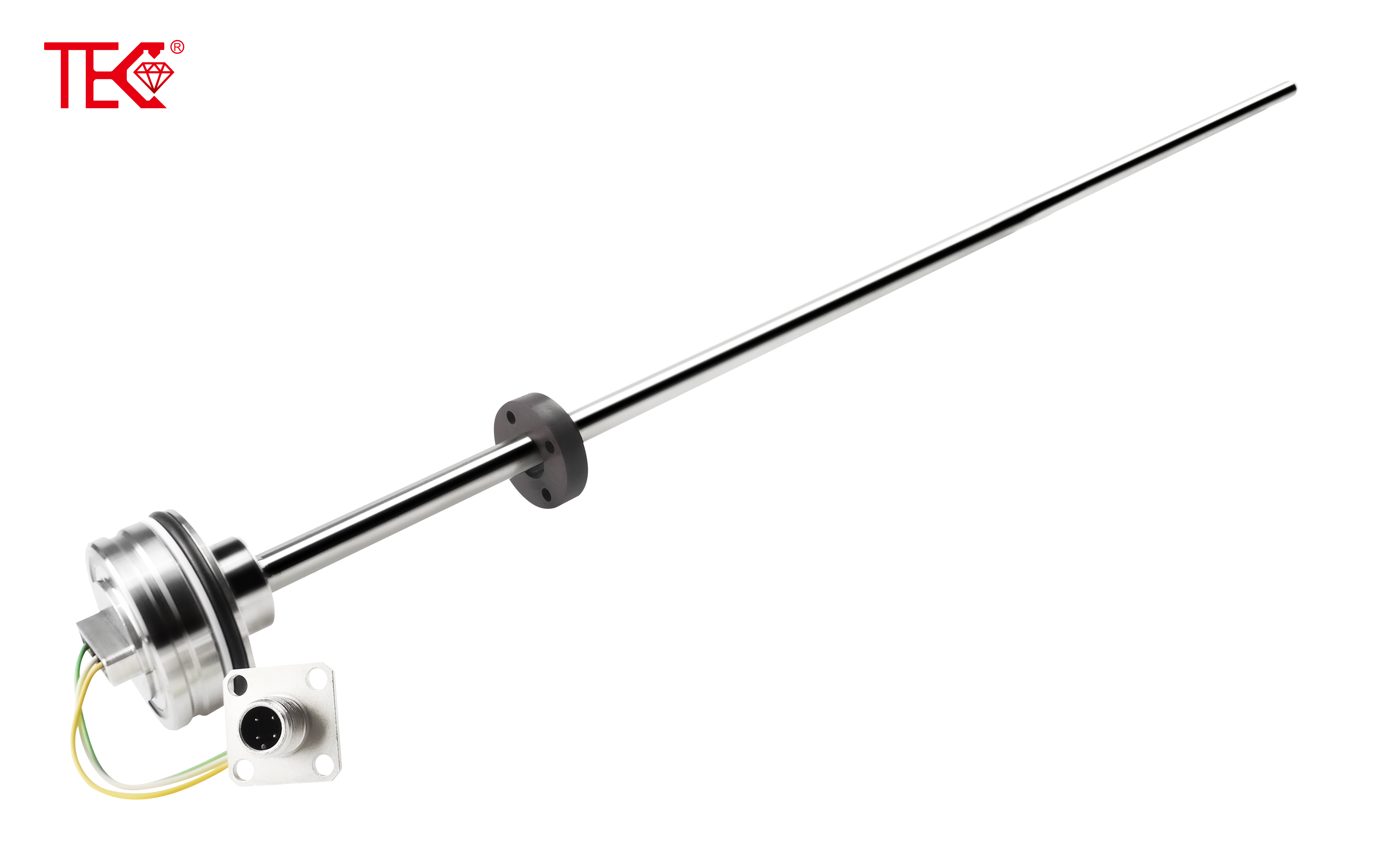
As homes get smarter, these sensors make daily life safer and more efficient.
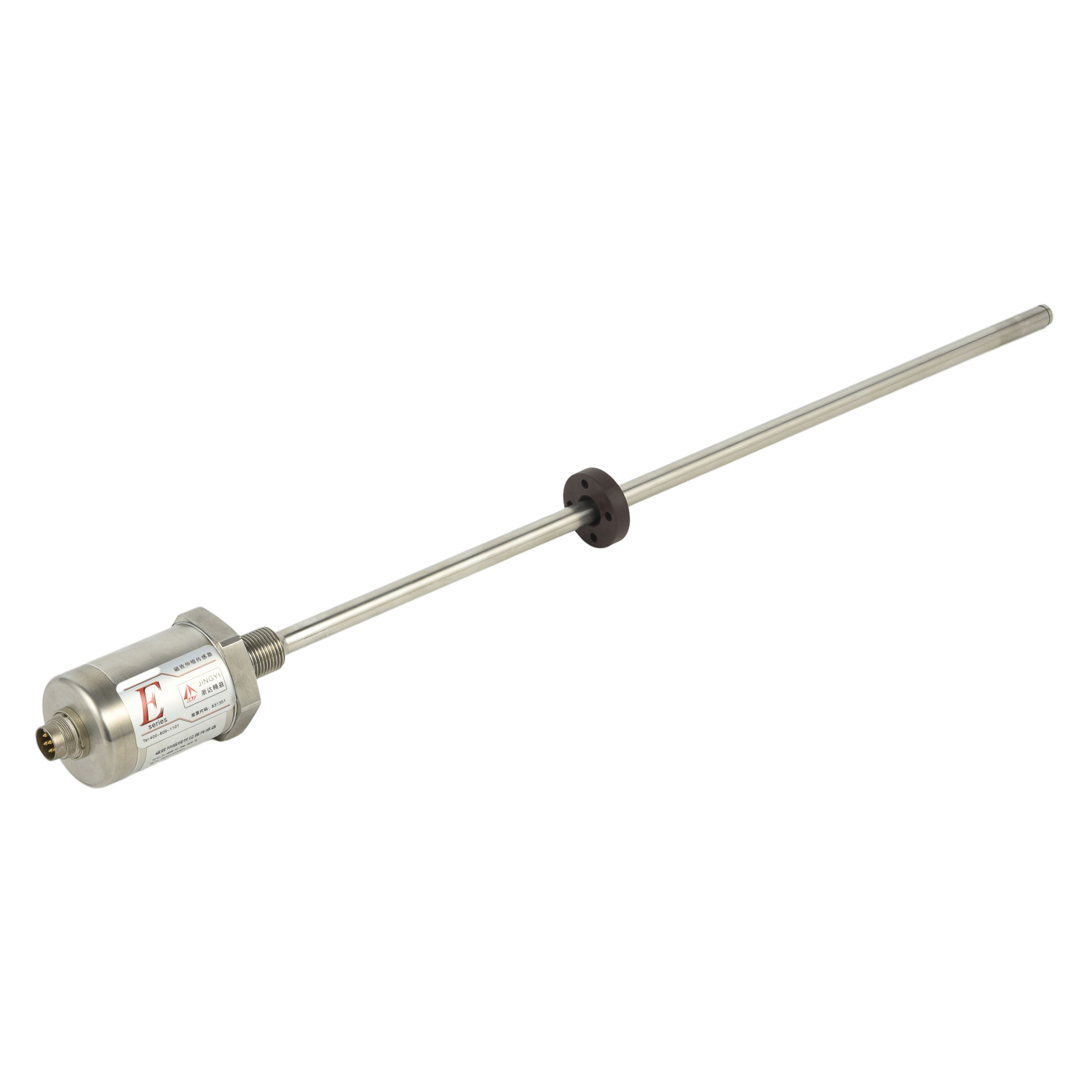 Pressure Sensor Selection
Domestic Pressure Sensor
Pressure Sensor Selection
Domestic Pressure Sensor
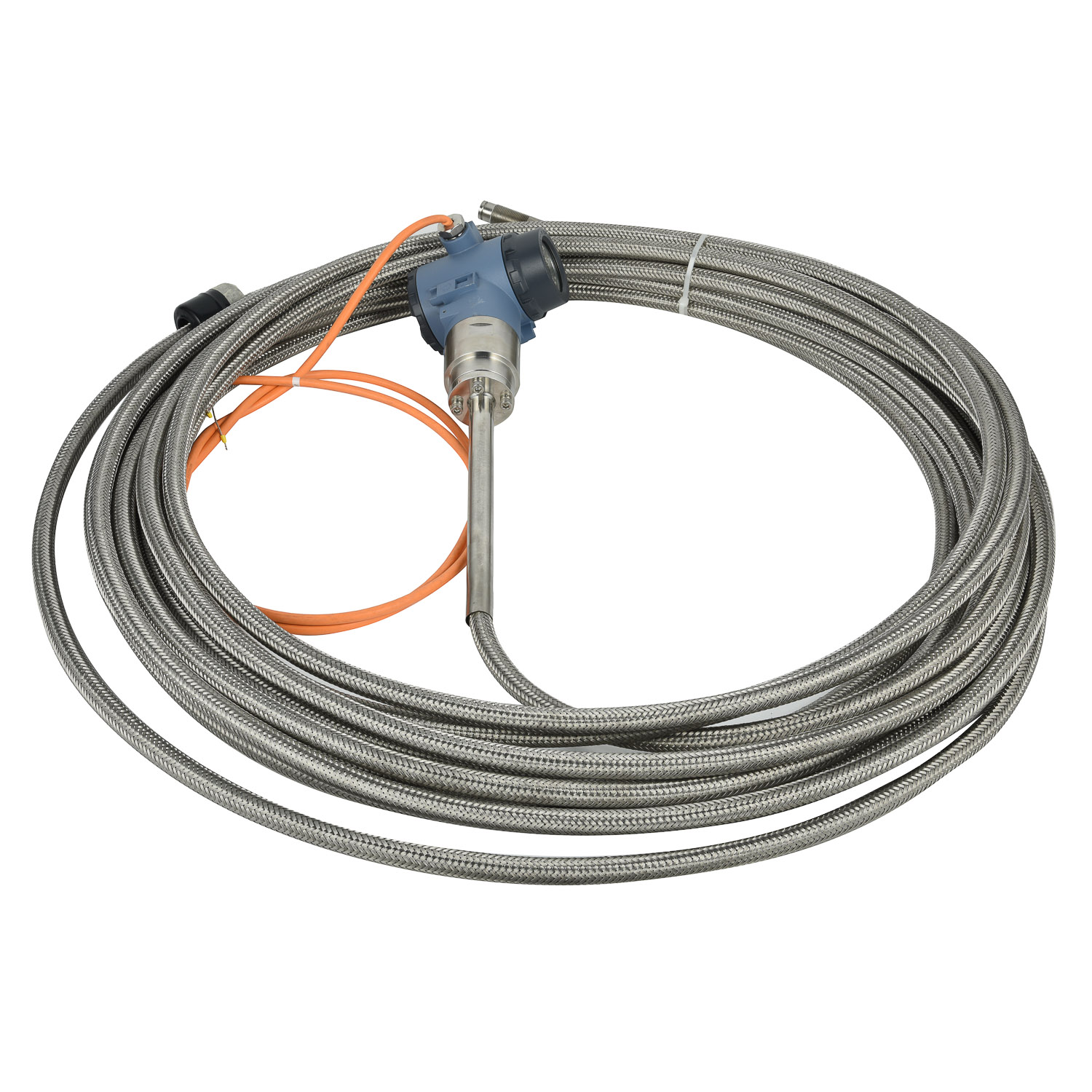 Pressure Sensor Manufacturer
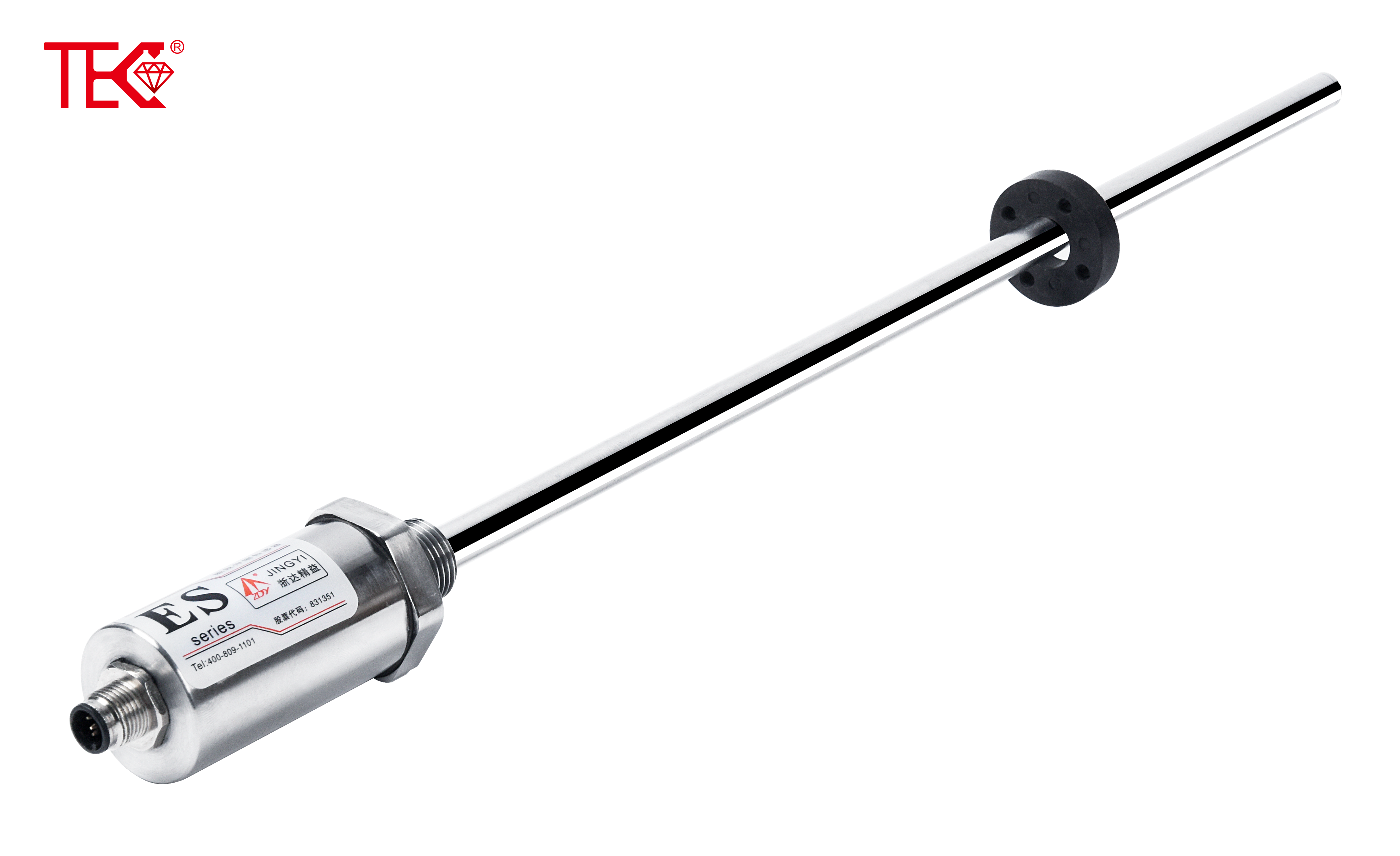 Corrosion-resistant Pressure S