
High-temperature Graybus Cable
High-temperature Graybus cable is designed for industrial systems where ordinary cables fail. It combines heat-resistant insulation, robust shielding, and stable signal transmission, making it suitable for automation, control, and communication networks near furnaces, ovens, motors, and heavy machinery. The cable often uses PTFE, FEP, or PFA insulation, which can withstand continuous temperatures from 150°C to 250°C or higher, depending on construction. Tinned copper conductors resist oxidation and maintain conductivity under thermal stress. A foil or braided shield protects data from electromagnetic interference, while the outer jacket resists oil, chemicals, abrasion, and flame. Graybus cables are commonly used in steel mills, glass factories, foundries, cement plants, automotive lines, and energy facilities. They support fieldbus protocols, sensor signals, and low-voltage power in compact routing spaces. When selecting a high-temperature Graybus cable, engineers should check temperature rating, voltage, impedance, capacitance, bending radius, and certification requirements. Proper installation with heat-resistant connectors, strain relief, and separation from hot surfaces extends service life. With reliable materials and careful design, this cable keeps critical industrial networks running in extreme heat. For reliable data and power in hot production zones, choose a correctly rated Graybus cable and follow the manufacturer's temperature, voltage, and bend-radius guidelines.
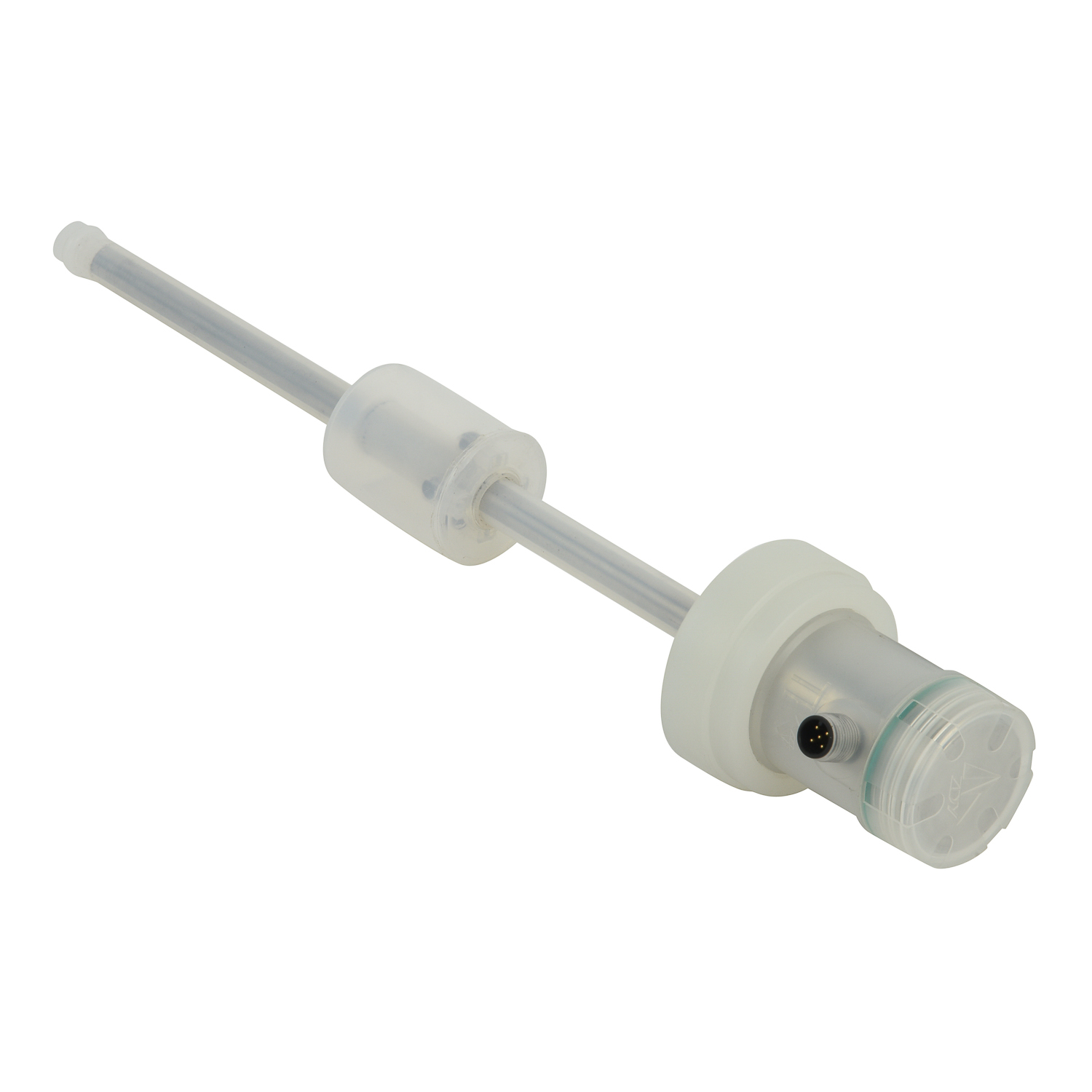
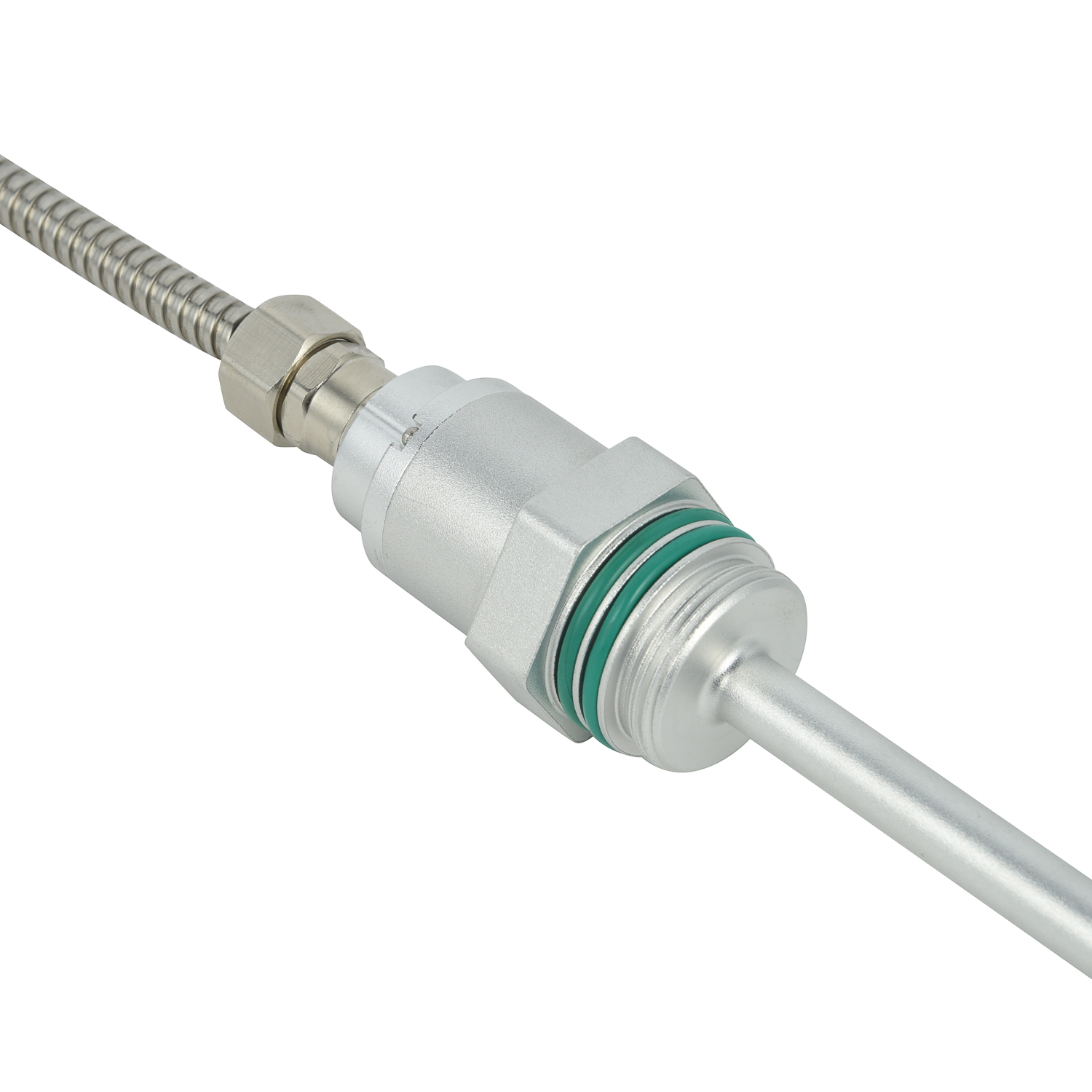 Domestic Long-distance Positio
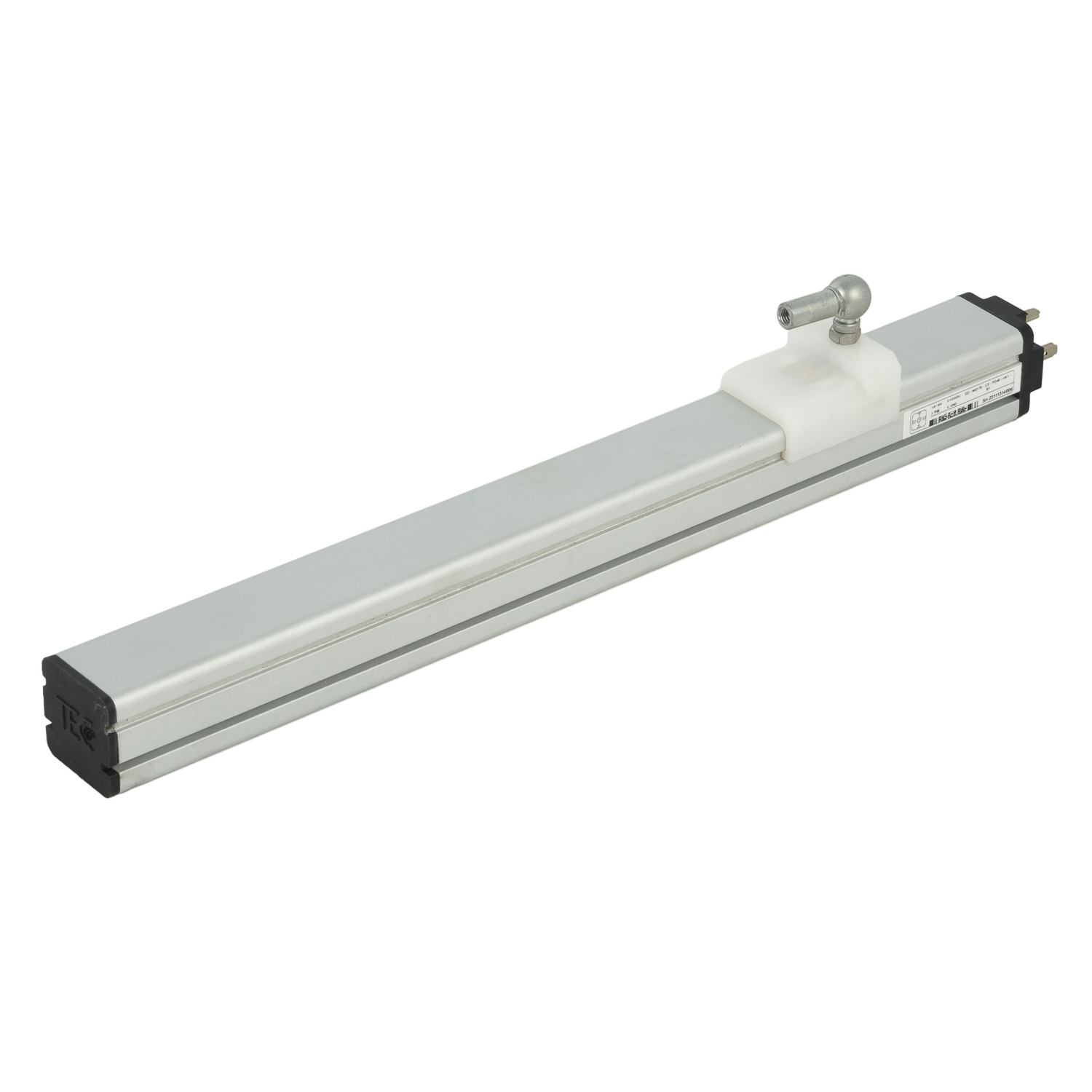 Long-distance Positioning Syst
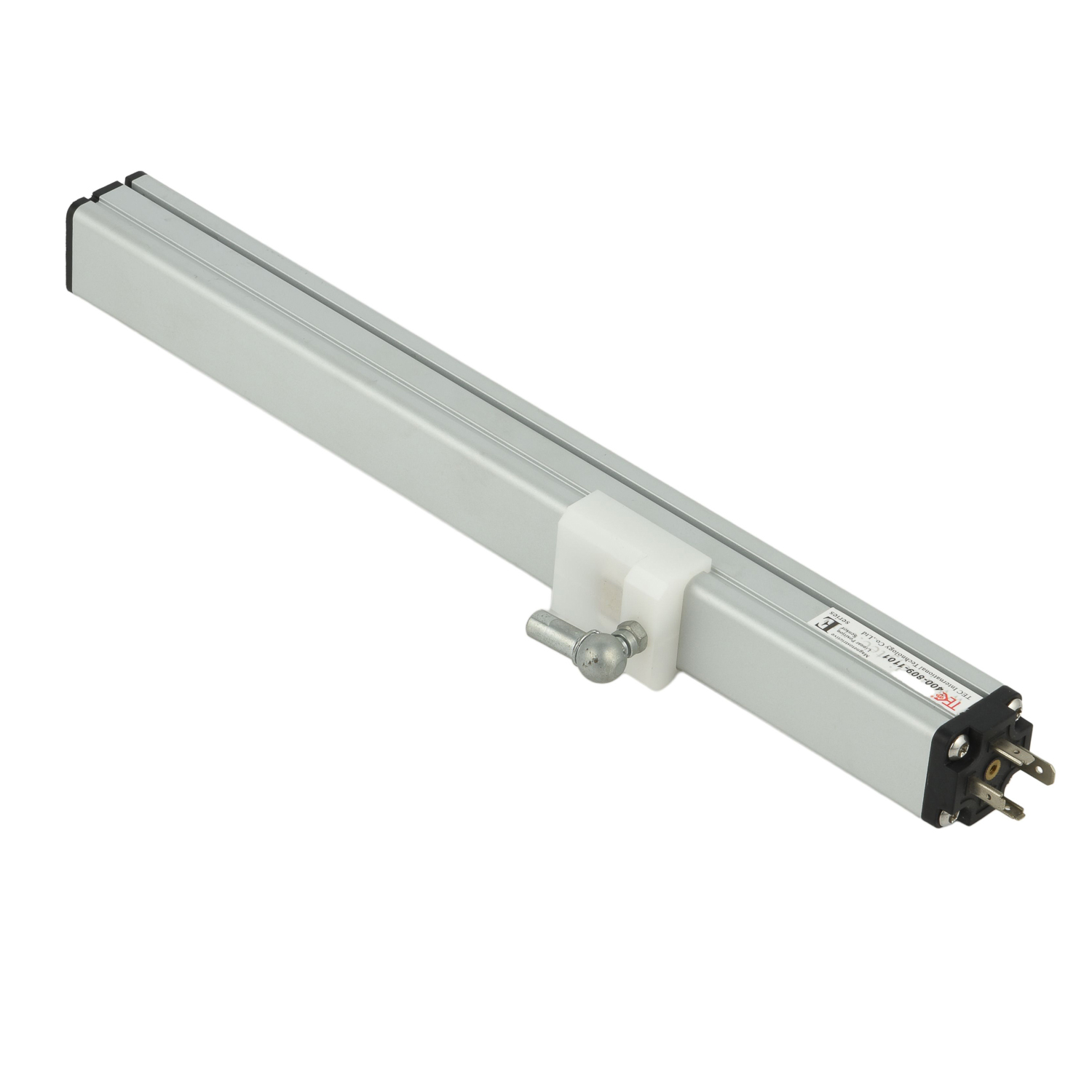 Corrosion-resistant Long-dista
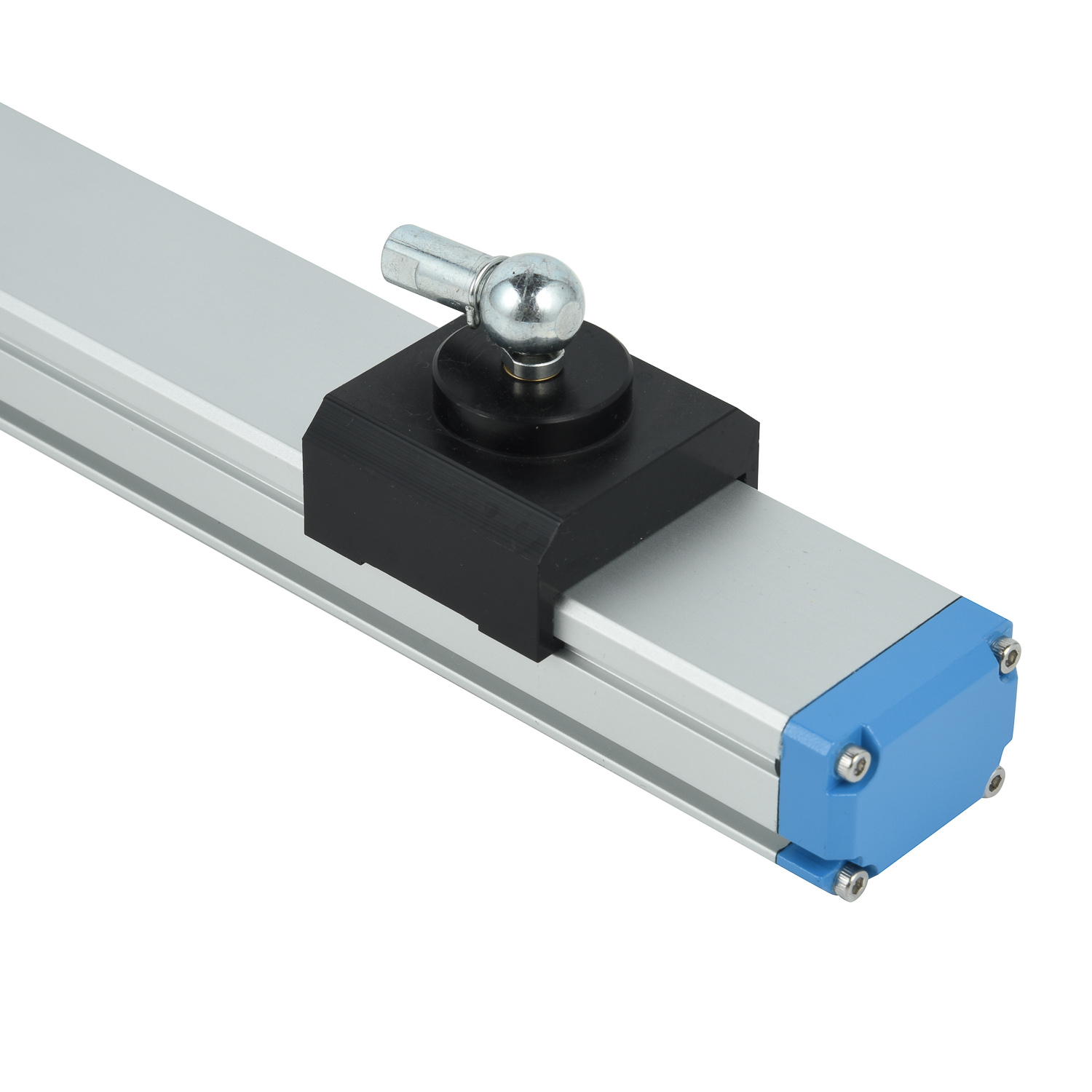 High-pressure Long-distance Po