
High-pressure Magnetostrictive Displacement Sensor
High-pressure magnetostrictive displacement sensors measure linear position accurately in hydraulic cylinders, oil and gas equipment, and heavy industrial systems. They use the magnetostrictive principle: a current pulse travels through a waveguide wire, interacts with a permanent magnet on a moving piston, and generates a torsional strain wave. The time between the pulse and the returning wave determines displacement. This time-of-flight method is repeatable, stable, and wear-resistant because it uses no delicate optical or resistive contacts.
For high-pressure use, a stainless-steel housing and sealed flange or threaded port protect the waveguide and electronics. Models can withstand 350 bar, 500 bar, or higher. The sensor provides absolute position, so no re-homing is needed after power loss. It offers long stroke lengths, high resolution, and good linearity. Non-contact sensing reduces wear and extends service life. Operating temperatures may range from -40°C to 85°C, with higher options available.
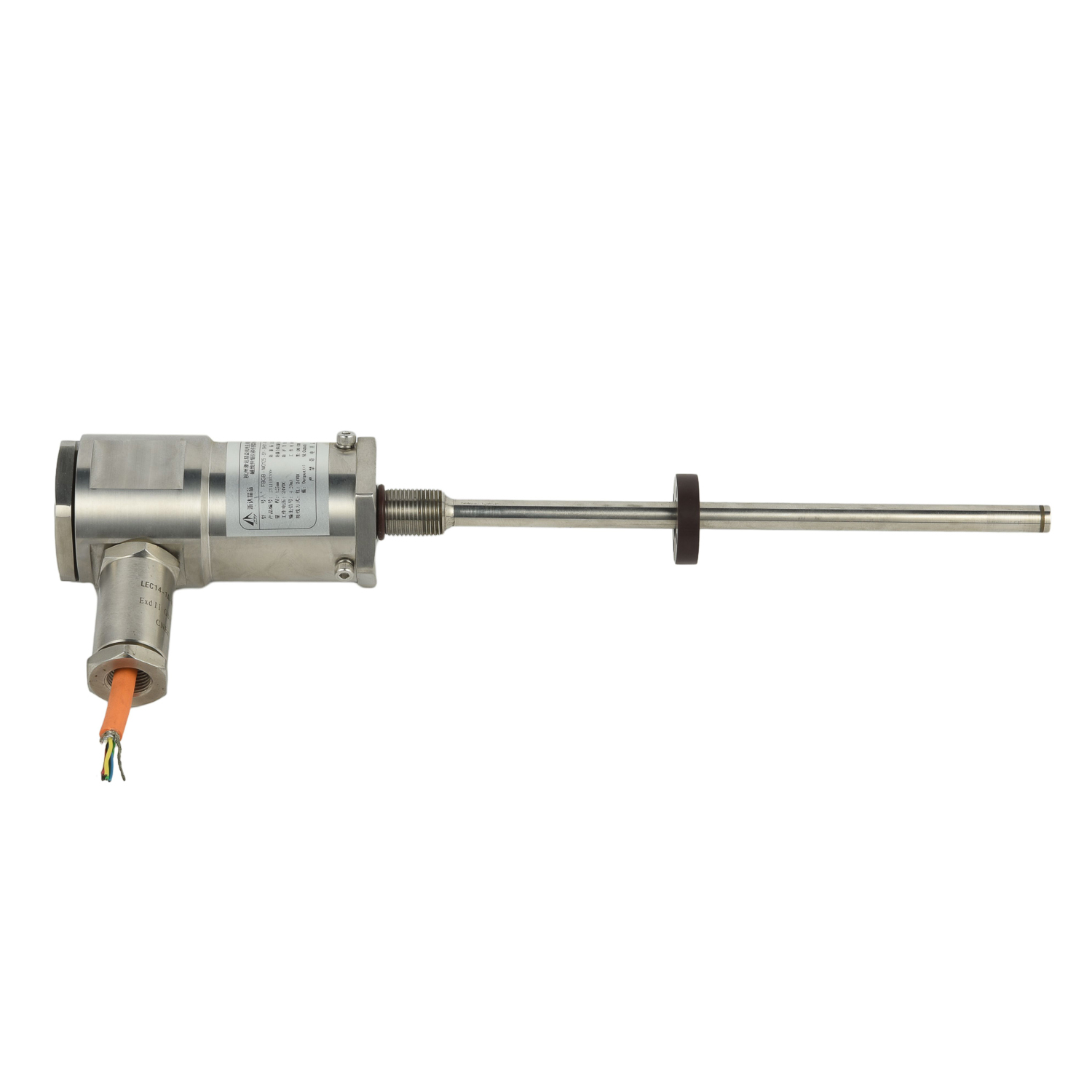
Output choices include analog voltage, current, SSI, CANbus, and industrial Ethernet. This makes integration with modern control systems simple. Installation requires correct magnet placement, a matching pressure rating, and secure sealing. Regular inspection of seals and connectors prevents leaks. In demanding high-pressure environments, these sensors improve safety, efficiency, and control. Their rugged design supports mobile, offshore, and test-rig machinery.
 Built-in Hydraulic Cylinder Ma
High-pressure Magnetostrictive
Built-in Hydraulic Cylinder Ma
High-pressure Magnetostrictive
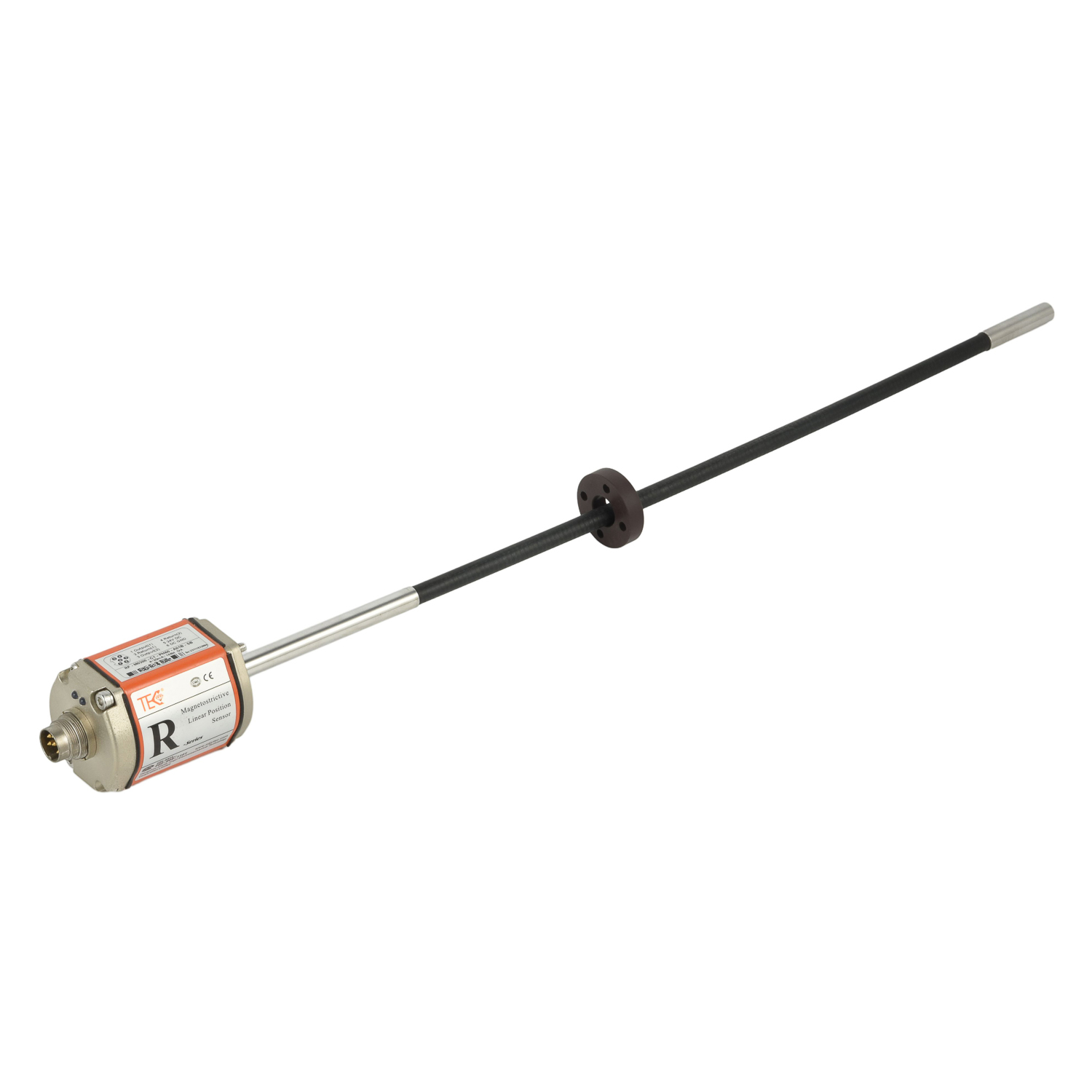 High-temperature Magnetostrict
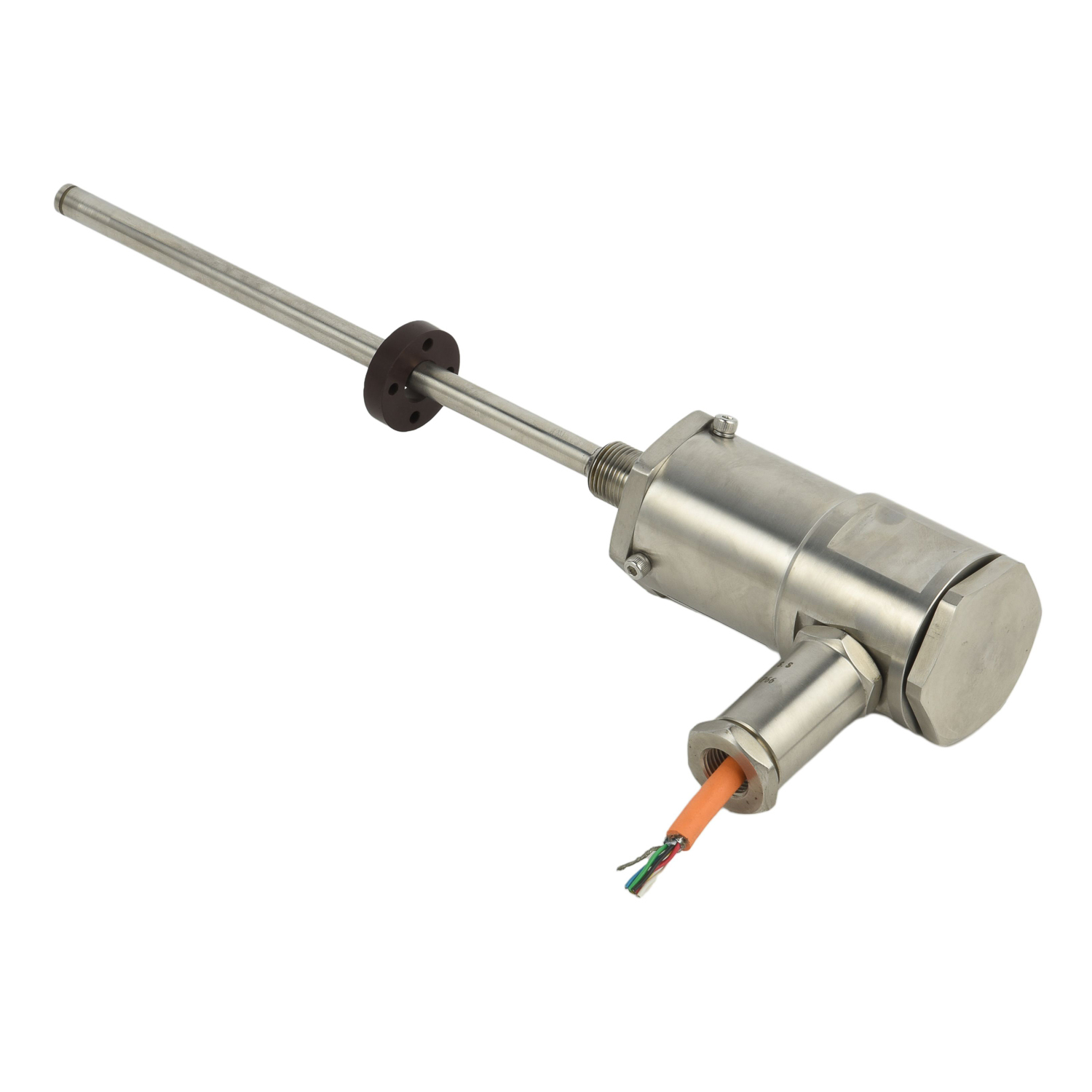 Waterproof Magnetostrictive Di