
High-temperature Magnetostrictive Displacement Sensor
High-temperature magnetostrictive displacement sensors are engineered for precise position measurement where heat, vibration, and contamination challenge conventional devices. They use the magnetostrictive effect: a current pulse travels along a waveguide, interacts with a movable magnetic float, and generates a mechanical strain wave. The time between pulse launch and returned signal is converted into absolute displacement. This non-contact design reduces wear and maintains stable output over millions of cycles.
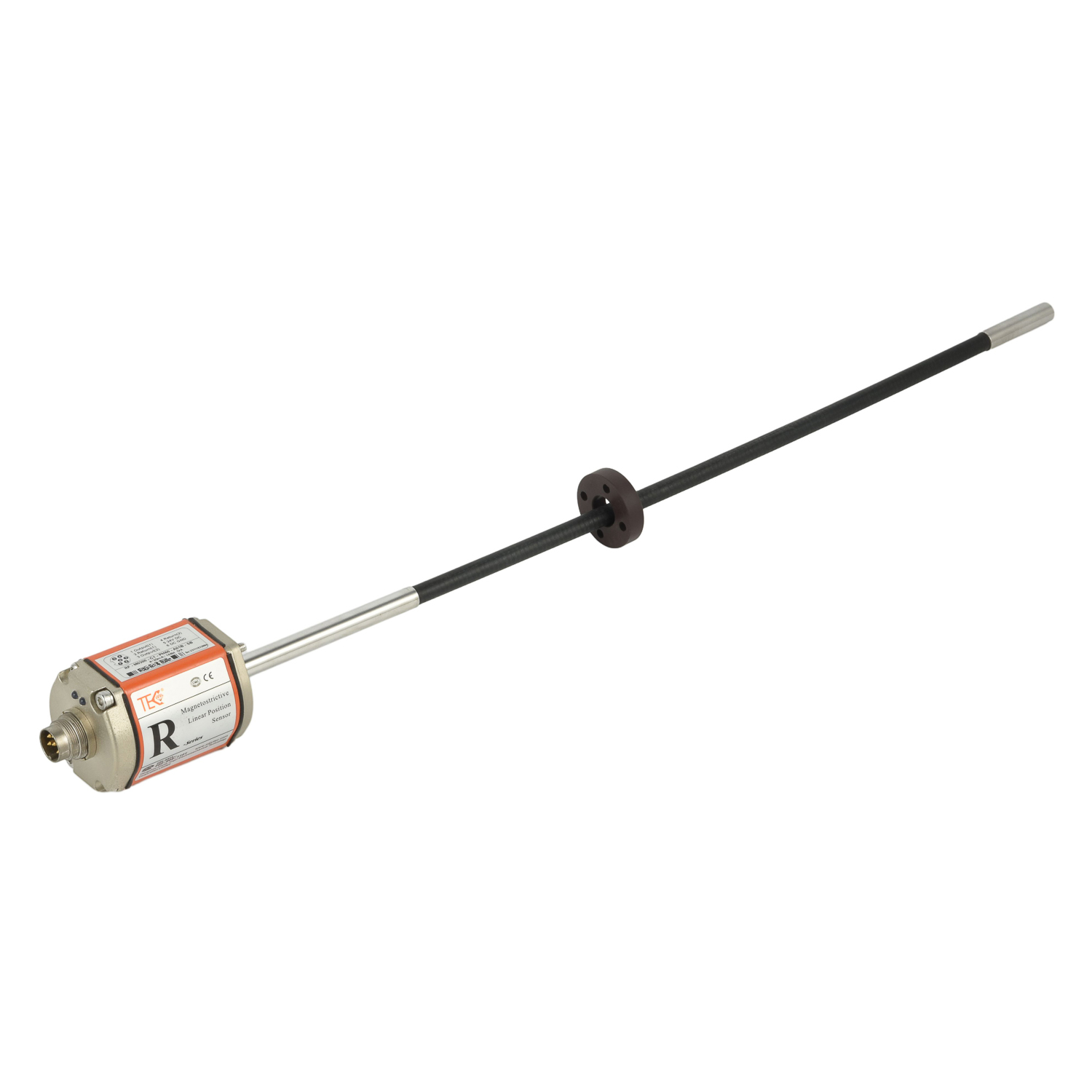
In high-temperature environments, standard electronics and materials can drift or fail. Robust sensors use heat-resistant alloys, ceramic insulation, and advanced signal processing. They often operate from -40 C to 200 C or higher, with optional cooling jackets for steel, glass, and foundry applications. Outputs include analog 4-20 mA, 0-10 V, SSI, CANopen, and Profibus, making integration easy for PLC and SCADA systems.
Typical uses include hydraulic cylinder positioning, injection molding machines, turbine valves, rolling mills, and solar tracking. The sensor provides absolute position without re-zeroing after power loss, ensuring safety and repeatability. Its sealed stainless steel housing resists steam, dust, and high-pressure washdown. Engineers choose high-temperature magnetostrictive displacement sensors when accuracy, durability, and long service life matter. Proper mounting, cable protection, and thermal isolation help maximize performance. With the right specification, these sensors deliver reliable feedback in the most demanding motion control systems.
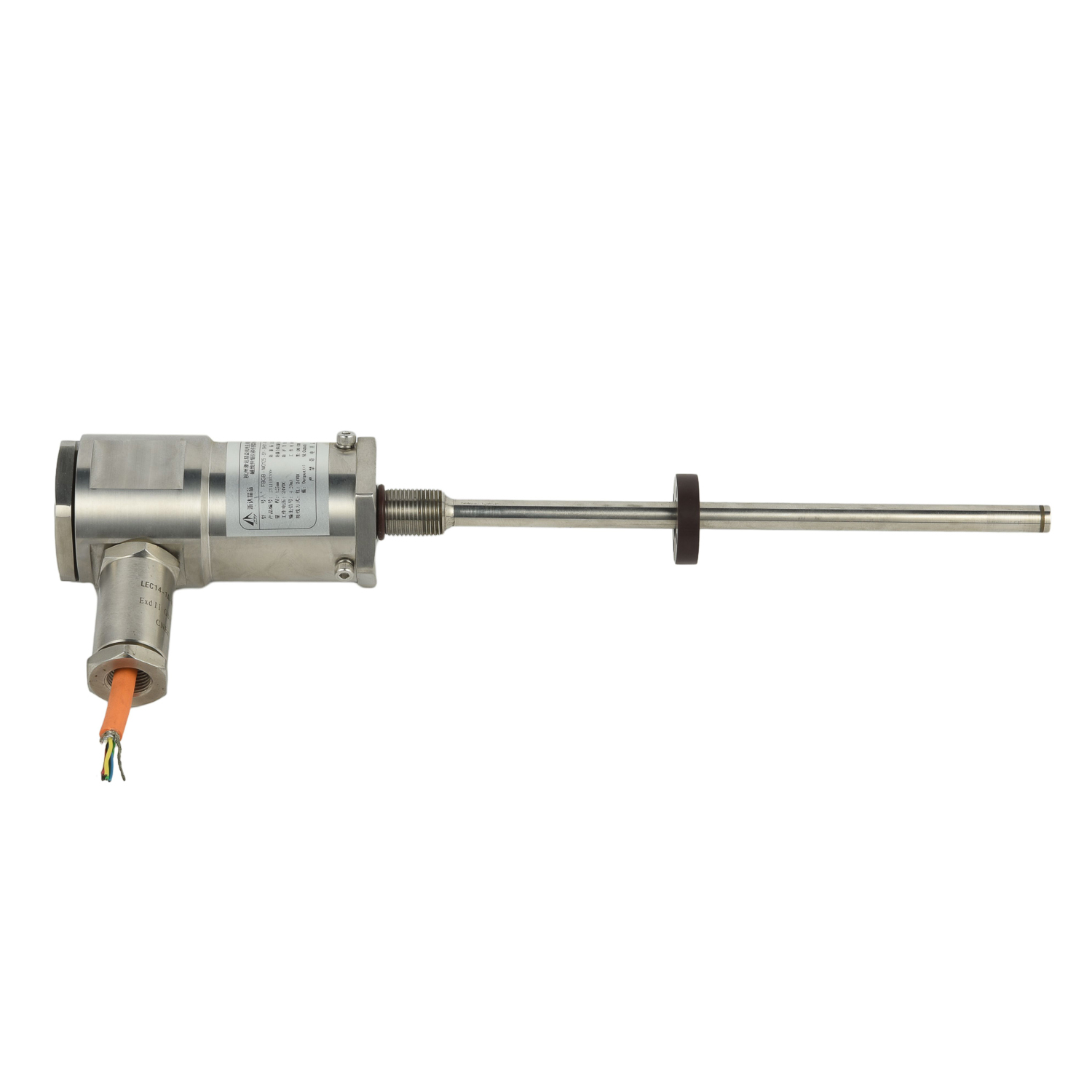 High-pressure Magnetostrictive
High-temperature Magnetostrict
High-pressure Magnetostrictive
High-temperature Magnetostrict
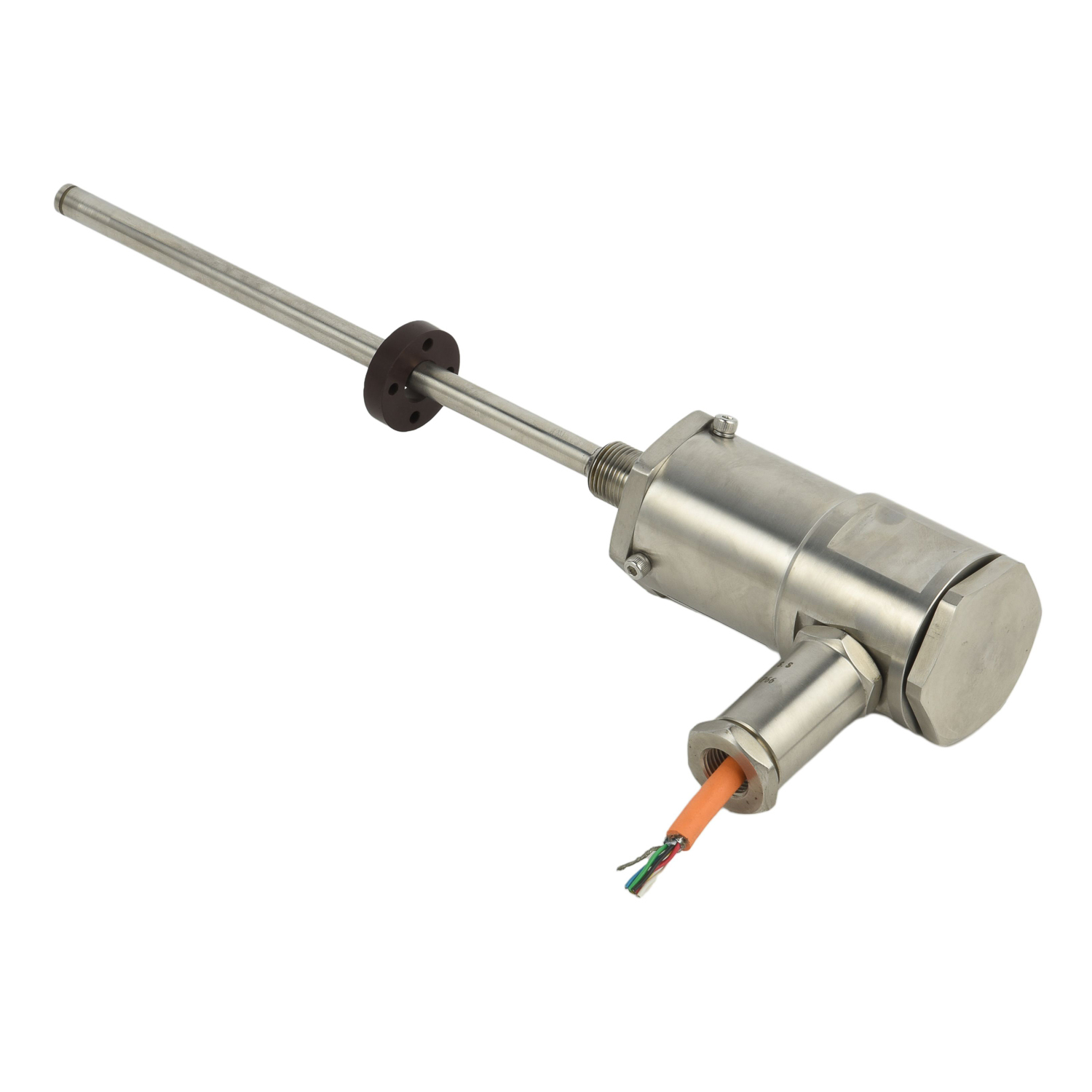 Waterproof Magnetostrictive Di
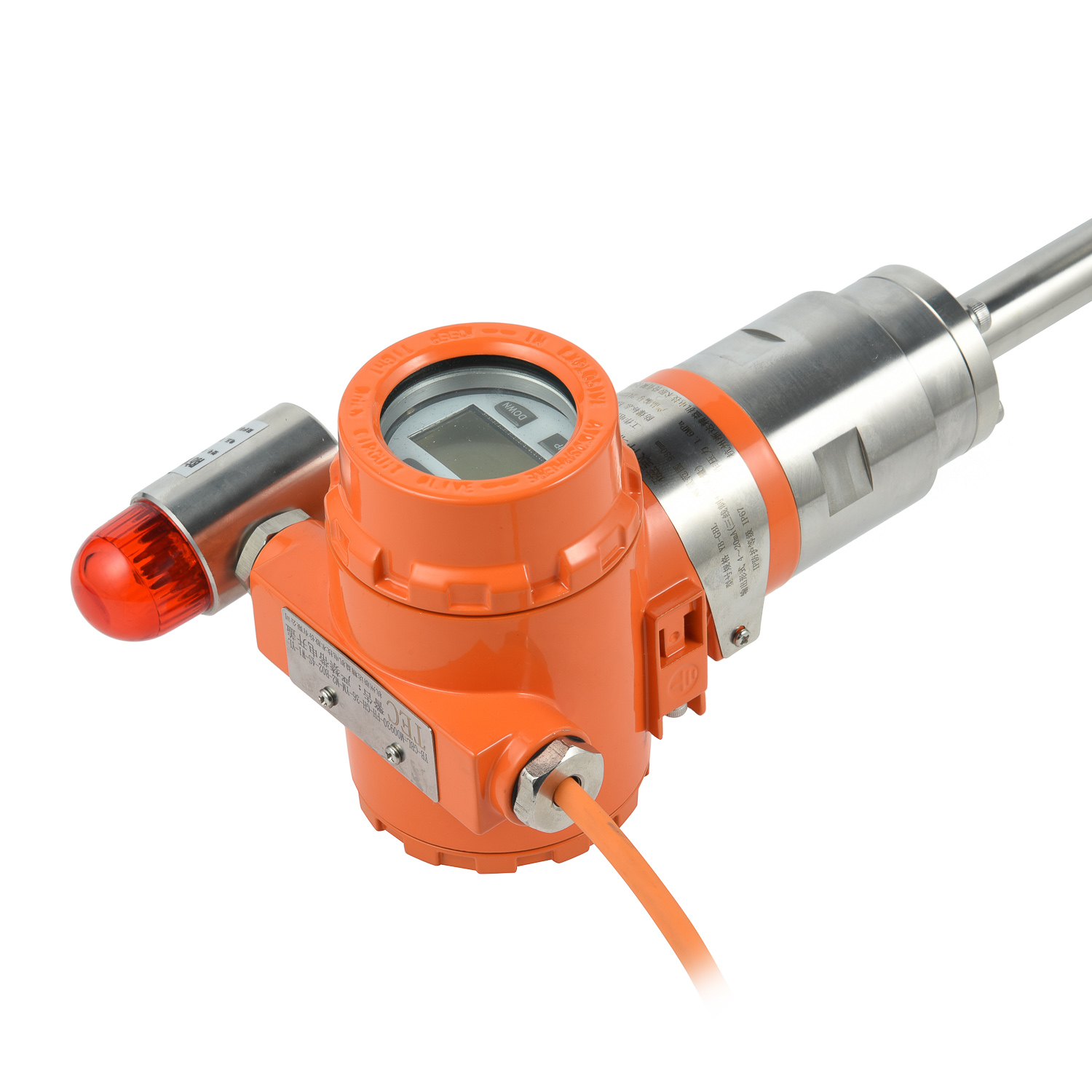 Intrinsically Safe Explosion-p