
CustomSolutions:TailoringMagnetostrictiveSensorsforUniqueApplications
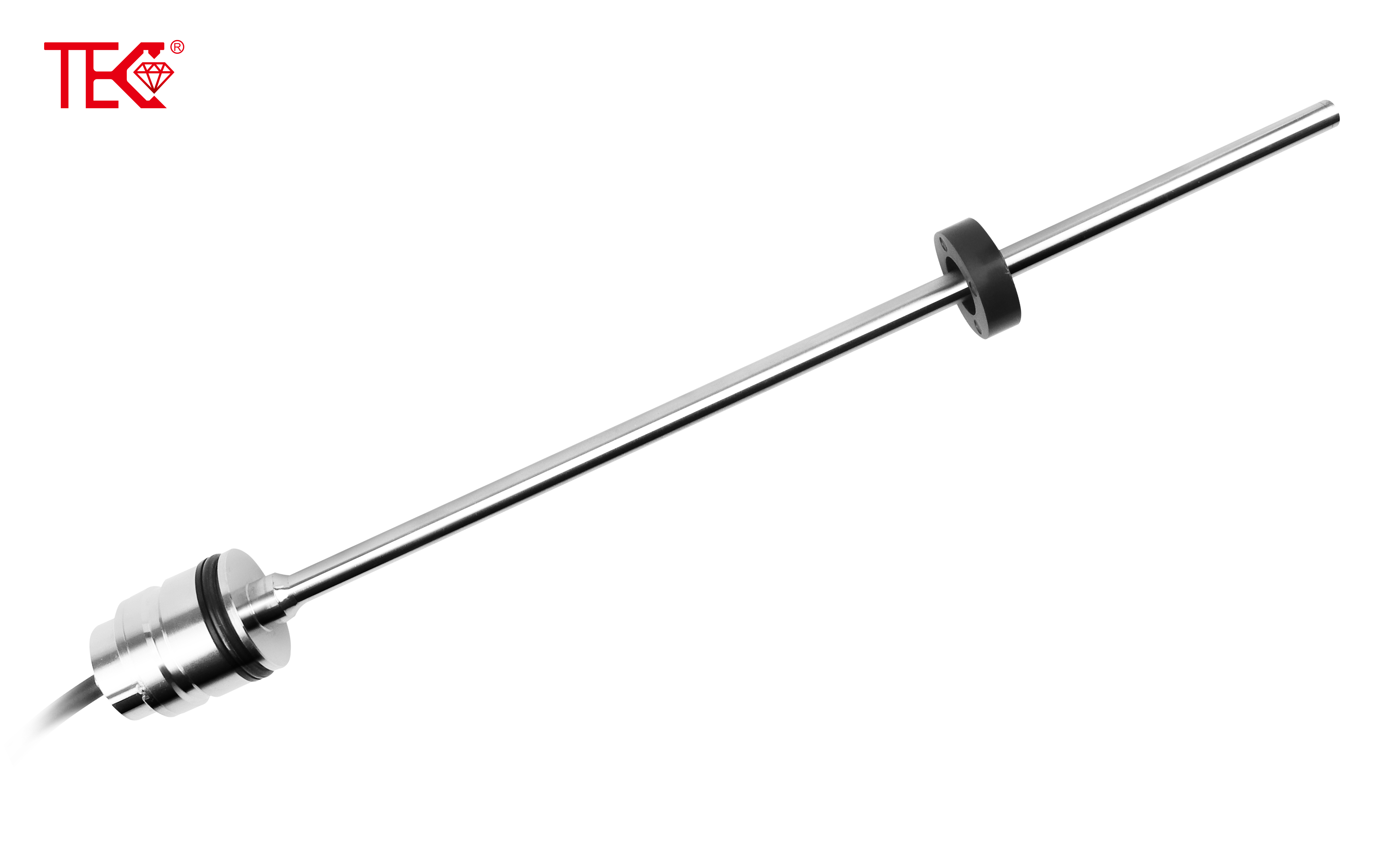
In an era where off-the-shelf solutions often fall short, the demand for specialized sensing technology has never been greater. Custom magnetostrictive sensors represent the pinnacle of this tailored approach, moving beyond generic specifications to address the nuanced challenges of unique industrial applications. This journey begins not with a product catalog, but with a deep-dive consultation to map exact operational parameters, environmental conditions, and performance benchmarks.
Decoding the Challenge: The Foundation of Custom Sensor Design
The first critical phase involves a meticulous analysis of the application's unique fingerprint. Engineers collaborate closely with clients to dissect variables such as extreme temperatures, high-pressure environments, corrosive media, space constraints, and required measurement resolution. This stage transforms vague requirements into precise engineering specifications, ensuring the sensor's core design—from its waveguide material to its electronics—is conceived to thrive in its specific ecosystem.
Material Science and Core Architecture: Building from the Inside Out
With parameters defined, the focus shifts to material selection and architectural innovation. This may involve developing specialized ferromagnetic alloys for the waveguide to enhance signal strength in viscous fluids, or designing unique float magnet configurations for non-standard tank geometries. The electronics are similarly customized, with firmware programmed for specific output signals, filtering algorithms for noisy environments, and communication protocols tailored for seamless integration into existing control systems.
Precision Manufacturing and Rigorous Validation
A custom design is only as good as its execution. Specialized manufacturing processes, including laser welding in inert atmospheres or advanced potting techniques for shock resistance, bring the blueprint to life. Each sensor then undergoes a gauntlet of application-specific validation tests—simulating years of operation in hours—to verify linearity, repeatability, and long-term stability under the exact conditions it will face. This step guarantees performance that a standard sensor could never achieve.
Integration and Lifelong Performance: The Final Mile
The true test of a tailored solution is its seamless integration and enduring operation. Custom sensors are delivered with mounting fixtures, calibration certificates, and integration software designed for the application. The result is a sensing system that operates as a natural extension of the machinery, providing flawless, reliable data that drives efficiency, safety, and innovation for years to come, ultimately transforming unique challenges into sustainable competitive advantages.
 Graybus Cable Fault
 Field Application of Graybus C
 Model and Specification of Gra
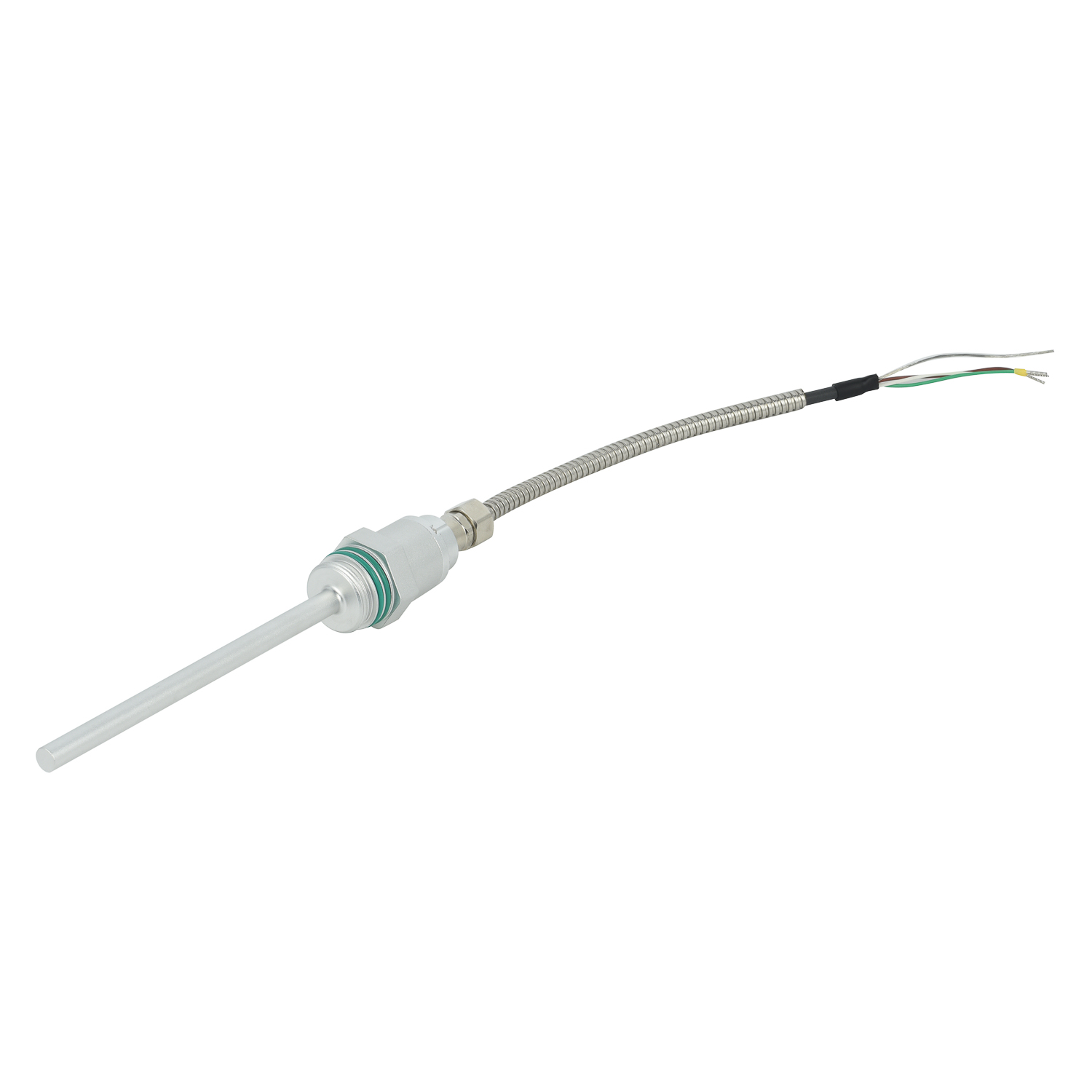 Import Substitute Graybus Cabl