
Troubleshooting101:CommonIssuesandFixesforMagnetostrictiveDisplacementSensors
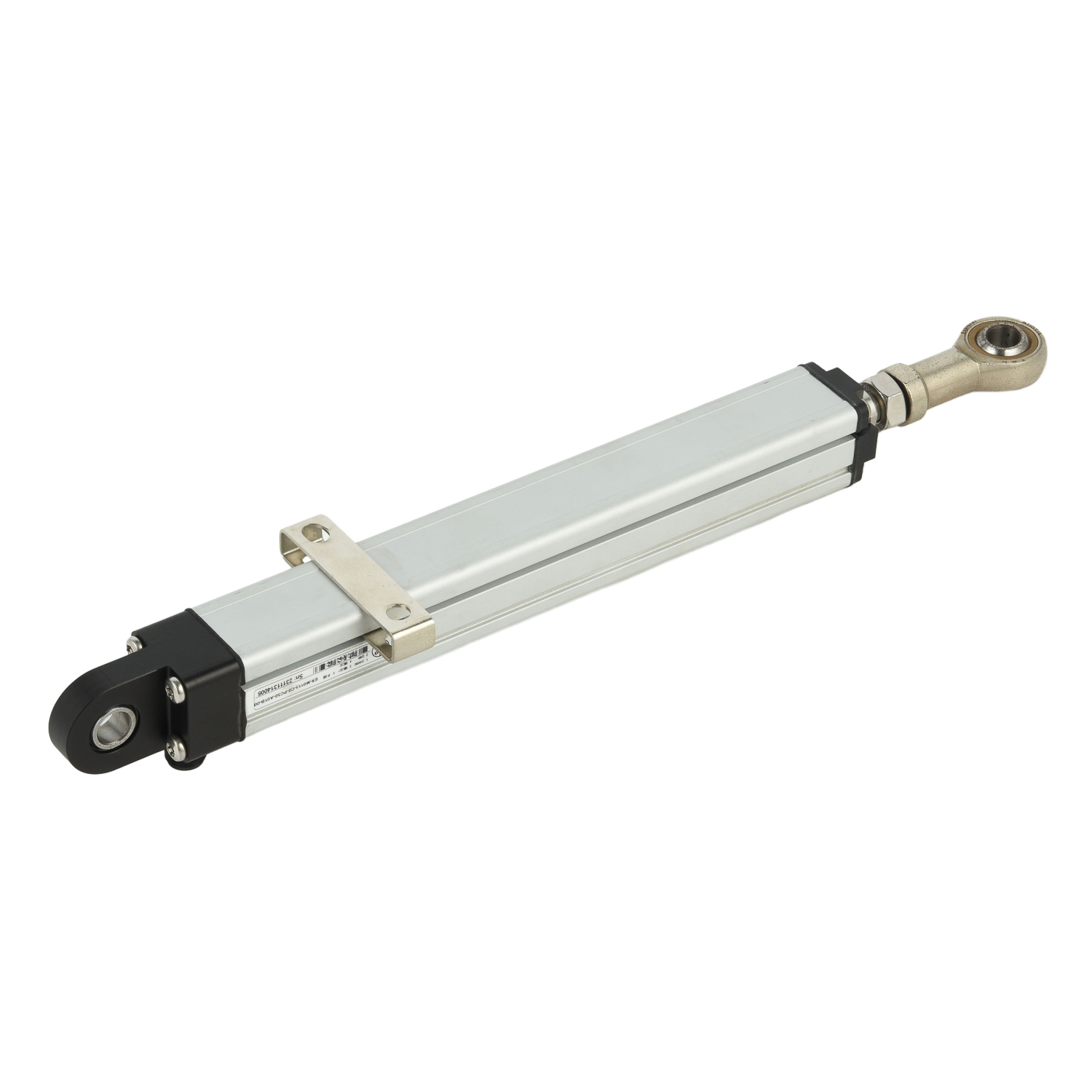
Magnetostrictive displacement sensors are renowned for their high precision and durability in industrial applications. However, even these robust instruments can encounter operational hiccups. Understanding the root causes of common failures is the first step toward swift resolution and minimizing downtime. This guide provides a structured approach to diagnosing and fixing prevalent problems, ensuring your measurement systems maintain peak accuracy.
Identifying and Resolving Signal Loss or Instability
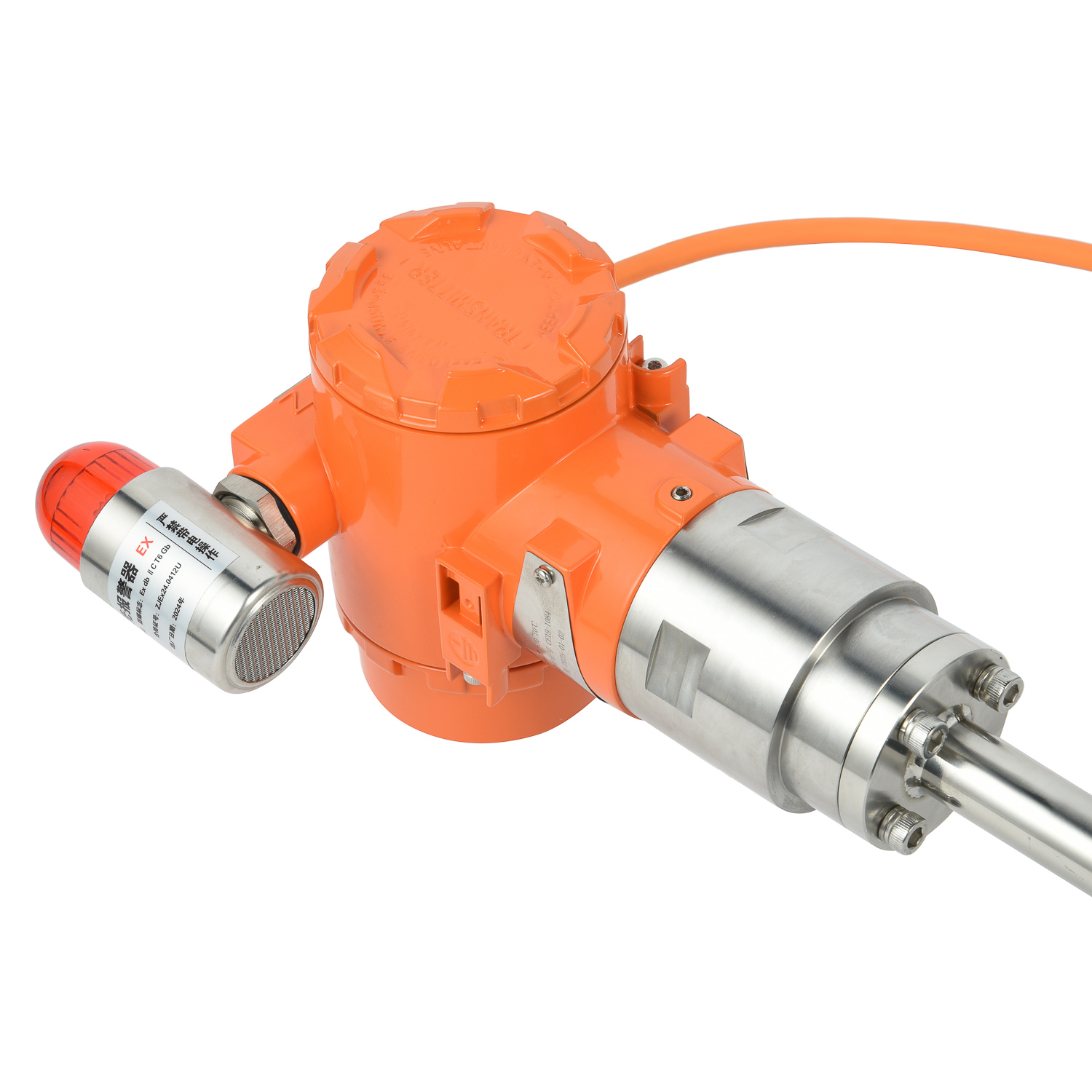
A complete loss of signal or erratic readings often tops the list of complaints. This issue frequently stems from electrical connectivity problems. Begin by meticulously checking the cable integrity and connector seals for damage or moisture ingress. Verify the power supply voltage with a multimeter to ensure it meets the sensor's specifications, typically within a ±5% tolerance. Ground loops are another common culprit; ensure the sensor is grounded at only one point as per the manufacturer's guidelines to eliminate electrical noise interference.
Correcting Sensor Accuracy and Linearization Errors
When your sensor provides data that is consistently off-mark or non-linear, calibration and environmental factors are likely at play. First, confirm the sensor's mounting alignment and rigidity; mechanical play or misalignment can induce significant error. Temperature fluctuations can affect both the sensor and the measured material, so review the application's thermal environment against the sensor's compensation range. Re-running the teach-in or calibration procedure with a verified reference standard often resolves subtle linearization drifts.
Addressing Installation and Mechanical Faults
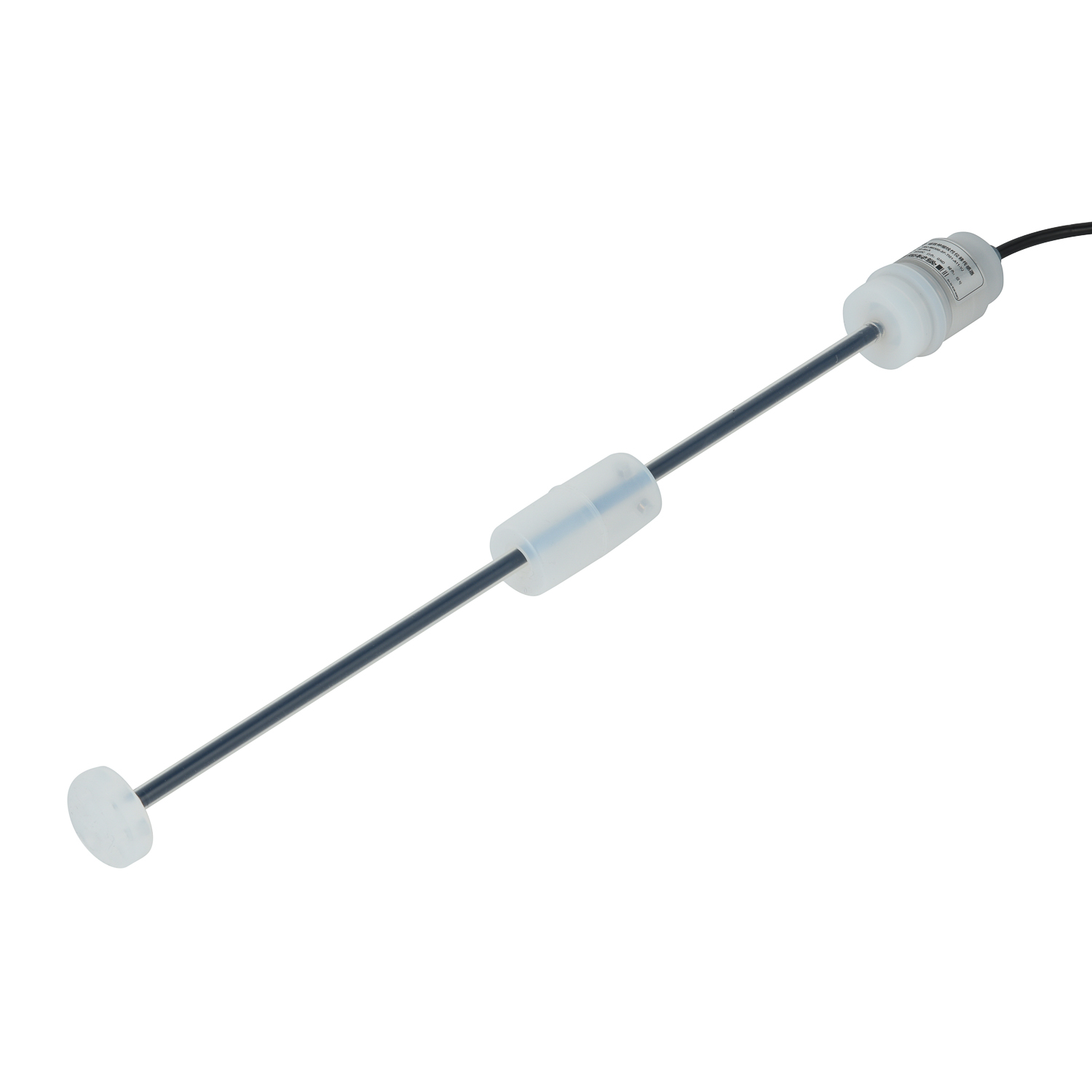
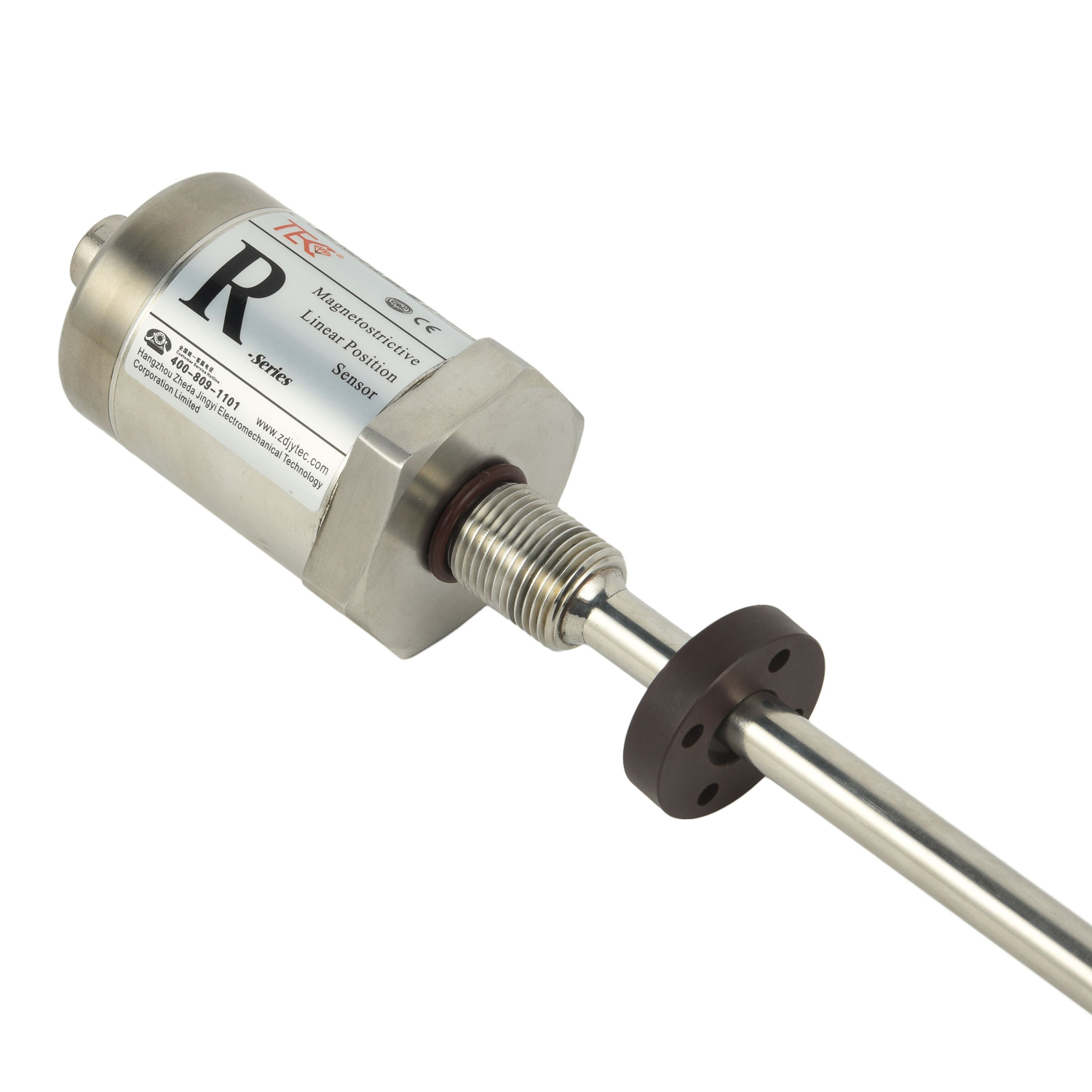
Physical installation errors can manifest as various performance issues. Ensure the position magnet moves freely along the sensing rod without binding and maintains the correct orientation and air gap as specified. Check for mechanical wear on the magnet's carrier or the sensing rod itself. Vibration from machinery can loosen mounting hardware over time, leading to misalignment. A thorough physical inspection and securing all mechanical components to the recommended torque values can prevent these failures.
Implementing Proactive Maintenance and Prevention Strategies
The most effective troubleshooting is preventing issues before they start. Establish a regular maintenance schedule that includes visual inspections, connector checks, and verification of electrical parameters. Keep the sensor's operating environment clean from metallic debris and aggressive fluids. Maintain a log of performance data to identify gradual drifts indicative of impending failure. Always consult the manufacturer's documentation for application-specific warnings and recommended spare parts, such as compatible magnets and cables.
By systematically working through these common areas—electrical signals, calibration, mechanical setup, and preventive care—you can ensure the long-term reliability and precision of your magnetostrictive displacement sensing systems. When in doubt, referring to the sensor's diagnostic LEDs or error codes and contacting technical support with your findings will lead to the fastest resolution.
 Graybus Cable Fault
 Field Application of Graybus C
 Model and Specification of Gra
 Import Substitute Graybus Cabl