
ScalablePrecision:MagnetostrictiveSensorsforAnyStrokeLength
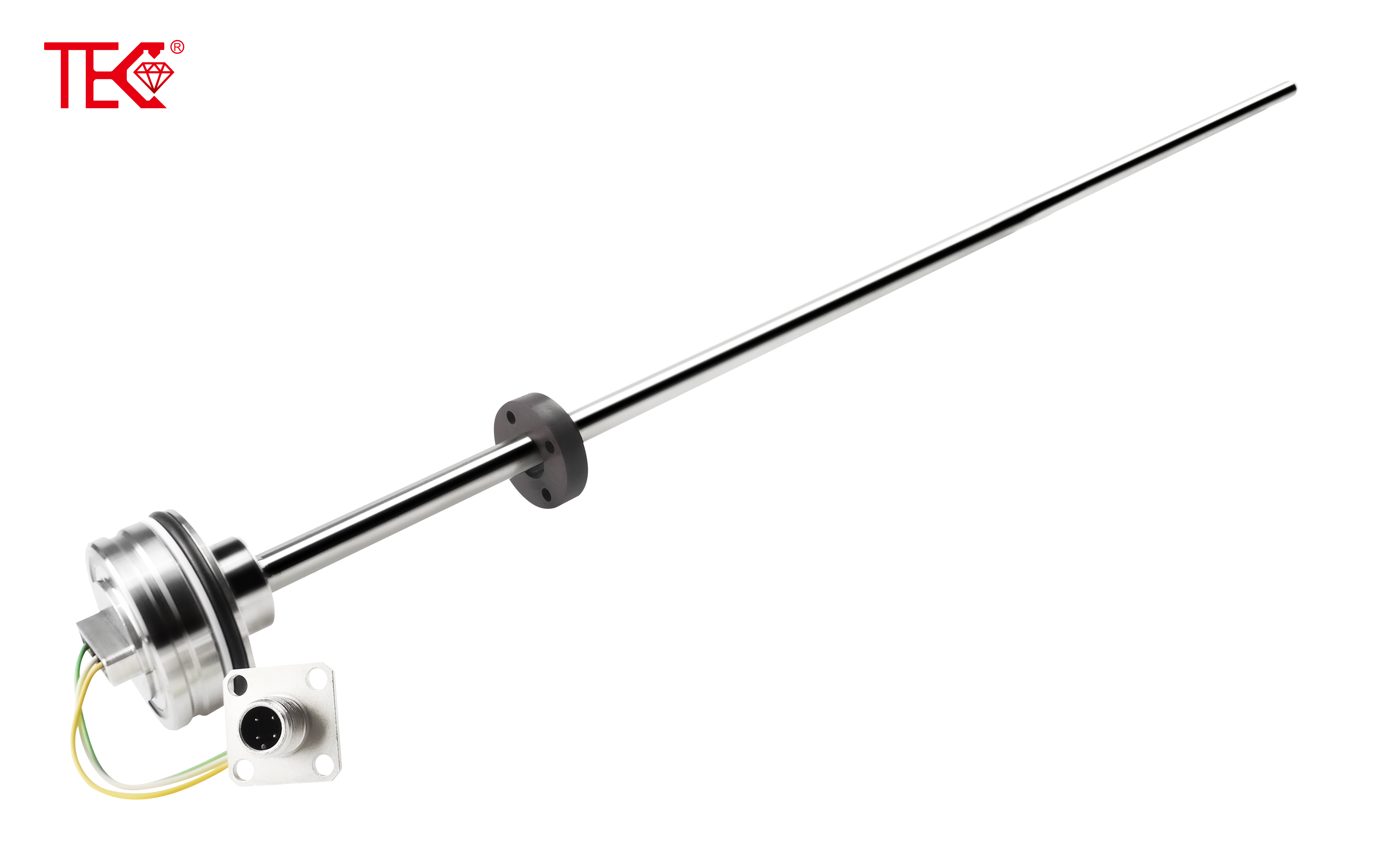
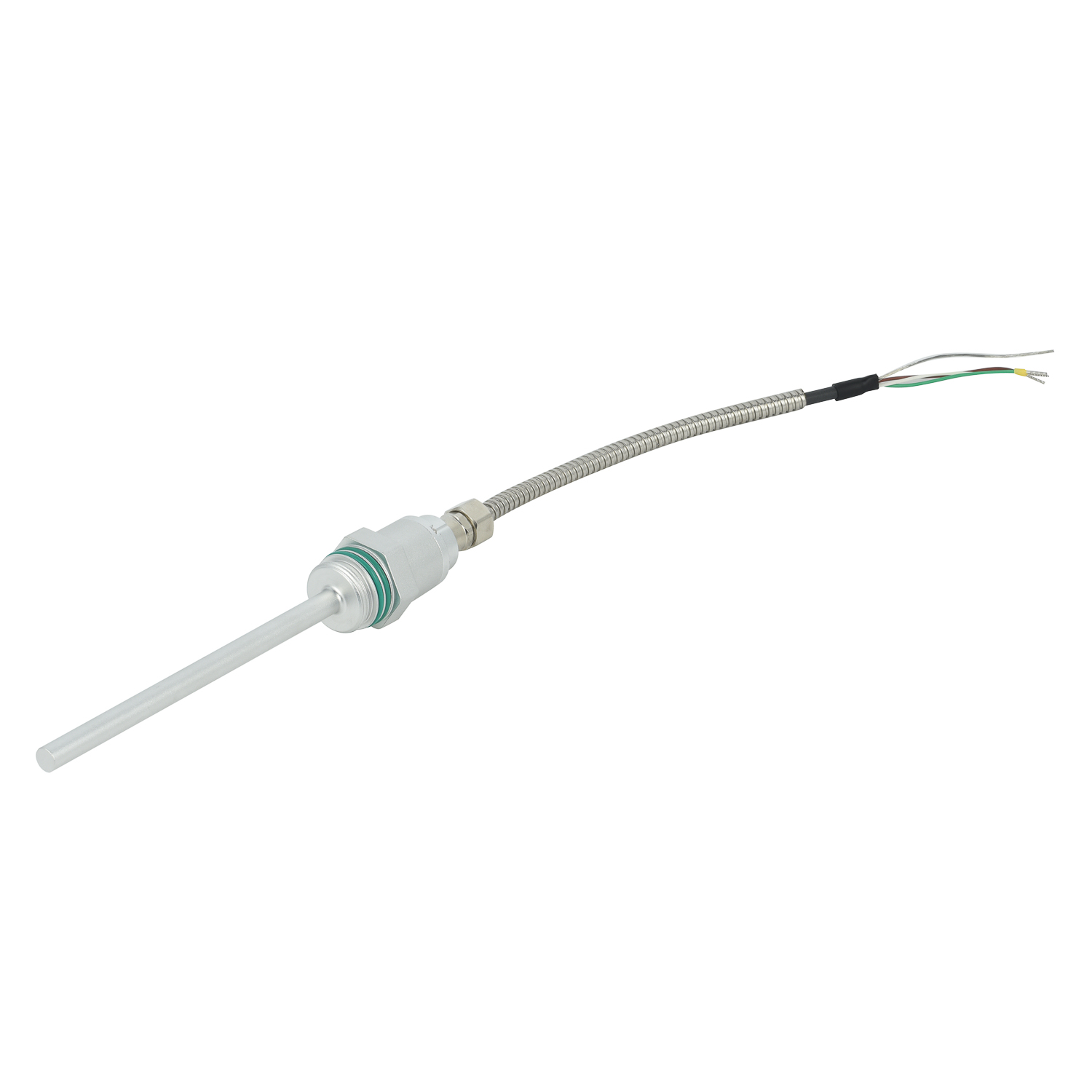
In the demanding world of industrial automation and precision motion control, accurate and reliable position sensing is non-negotiable. Traditional measurement methods often struggle with limitations in range, durability, or environmental resilience. This is where magnetostrictive sensor technology emerges as a superior solution, offering unparalleled scalability and precision across virtually any stroke length.
The Core Technology: How Magnetostrictive Sensing Works
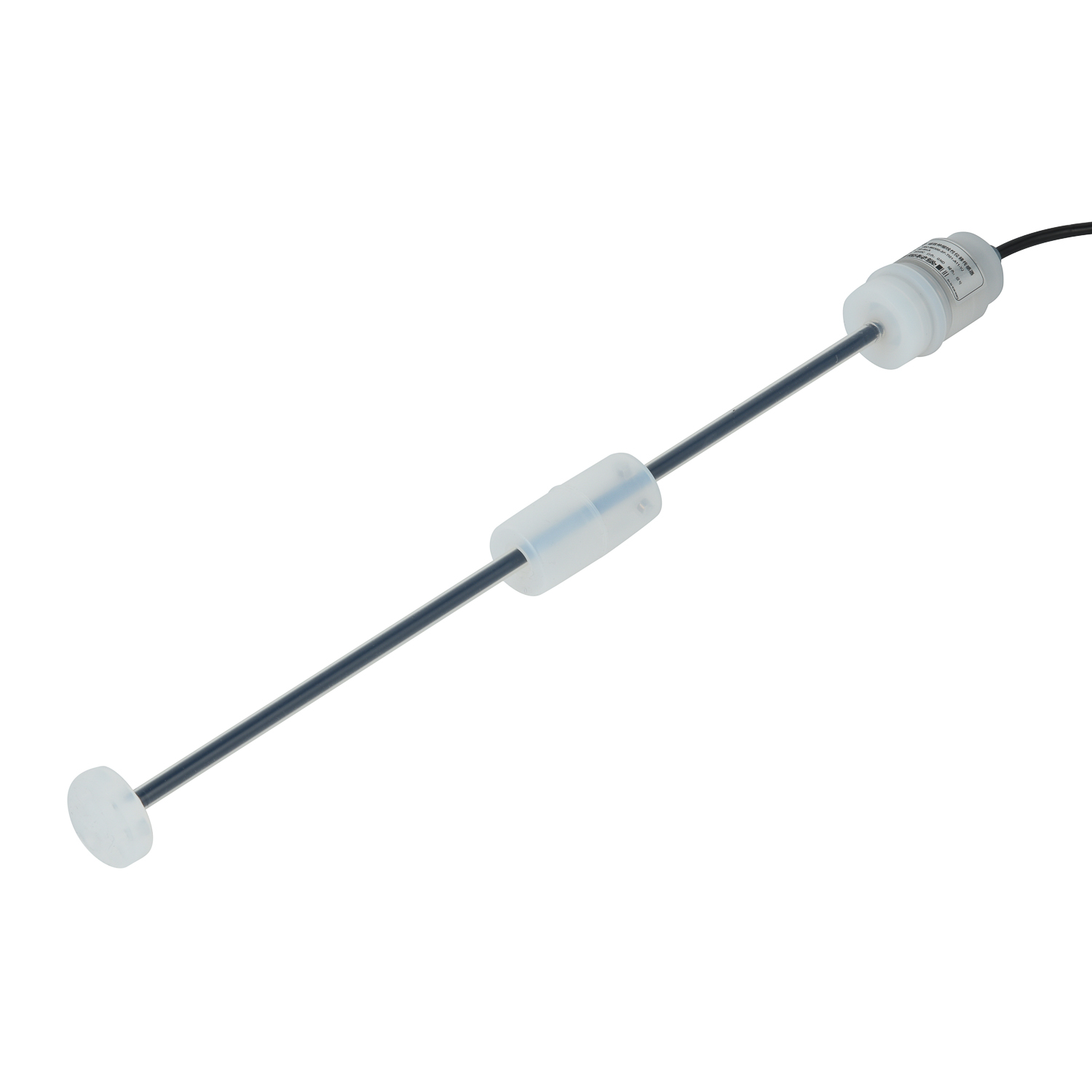
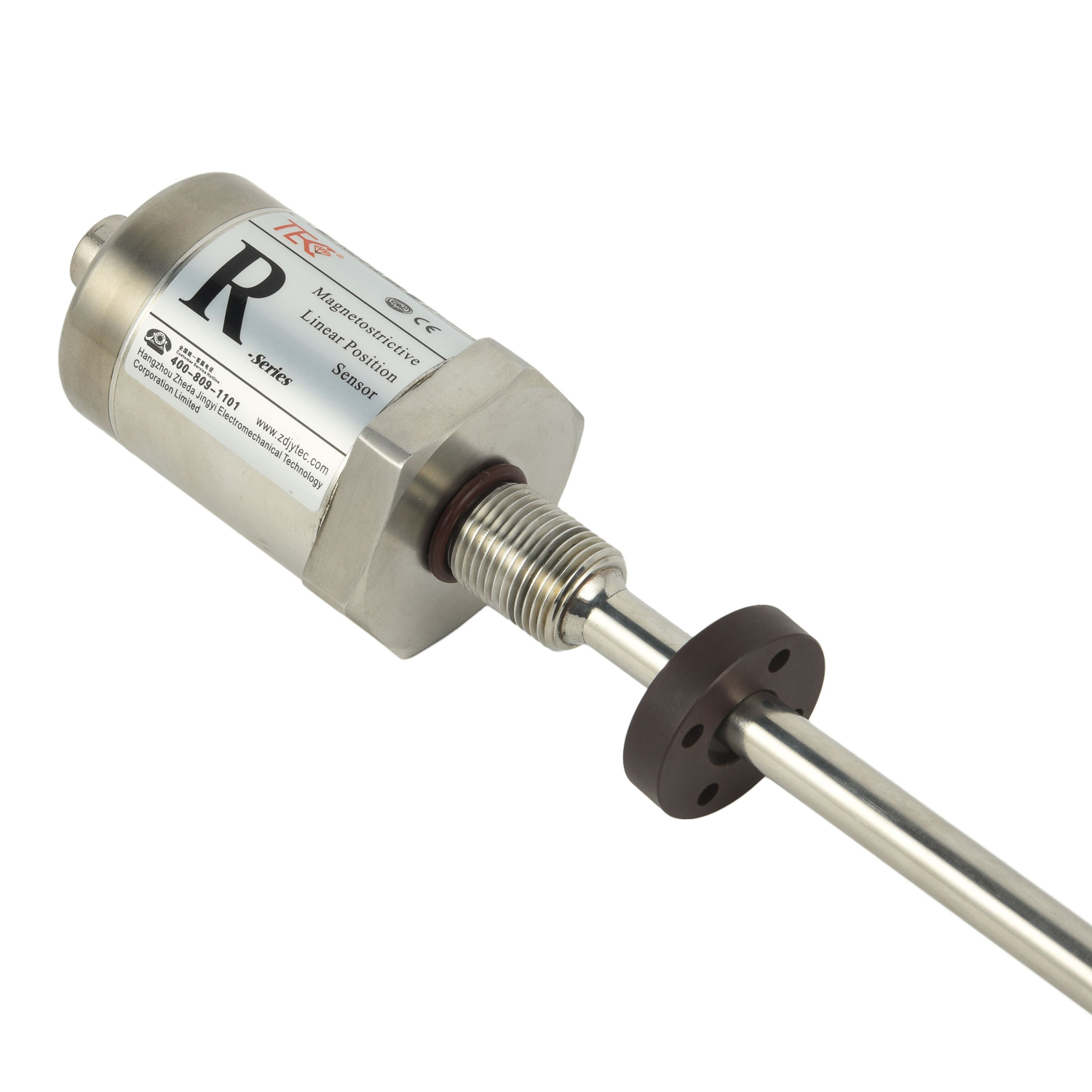
At its heart, a magnetostrictive sensor operates on a precise physical principle. A waveguide wire inside the sensor barrel carries a short current pulse. A permanent magnet, attached to the moving target, creates a circumferential magnetic field around the wire. The interaction between these fields generates a torsional strain wave (the magnetostrictive effect) that travels back to the sensor's pickup at a known speed. By measuring the time interval between the pulse initiation and the wave's return, the system calculates the magnet's exact position with micron-level accuracy. This non-contact measurement method is the foundation of its durability and long-term reliability.
Unmatched Scalability for Diverse Application Needs
A defining advantage of magnetostrictive sensors is their inherent scalability. Unlike sensors with fixed measurement ranges, the core technology can be adapted to measure stroke lengths from a few millimeters to over twenty meters without sacrificing precision. The sensor's housing and waveguide length are engineered to match the specific application, providing a custom-fit solution from compact machinery to massive hydraulic cylinders or long-travel gantry systems. This eliminates the need to compromise or integrate multiple sensors for different ranges within a facility.
Delivering Consistent Precision Across the Entire Stroke
Scalability would mean little without consistent performance. Magnetostrictive sensors maintain high linearity and repeatability across their entire measuring range. They are immune to common issues like signal drift over time or wear from physical contact, as the sensing element never touches the moving magnet. This results in stable, trustworthy data critical for closed-loop control systems, precision assembly, and quality assurance processes where every micron counts, regardless of how far the target travels.
Robustness and Reliability in Harsh Environments
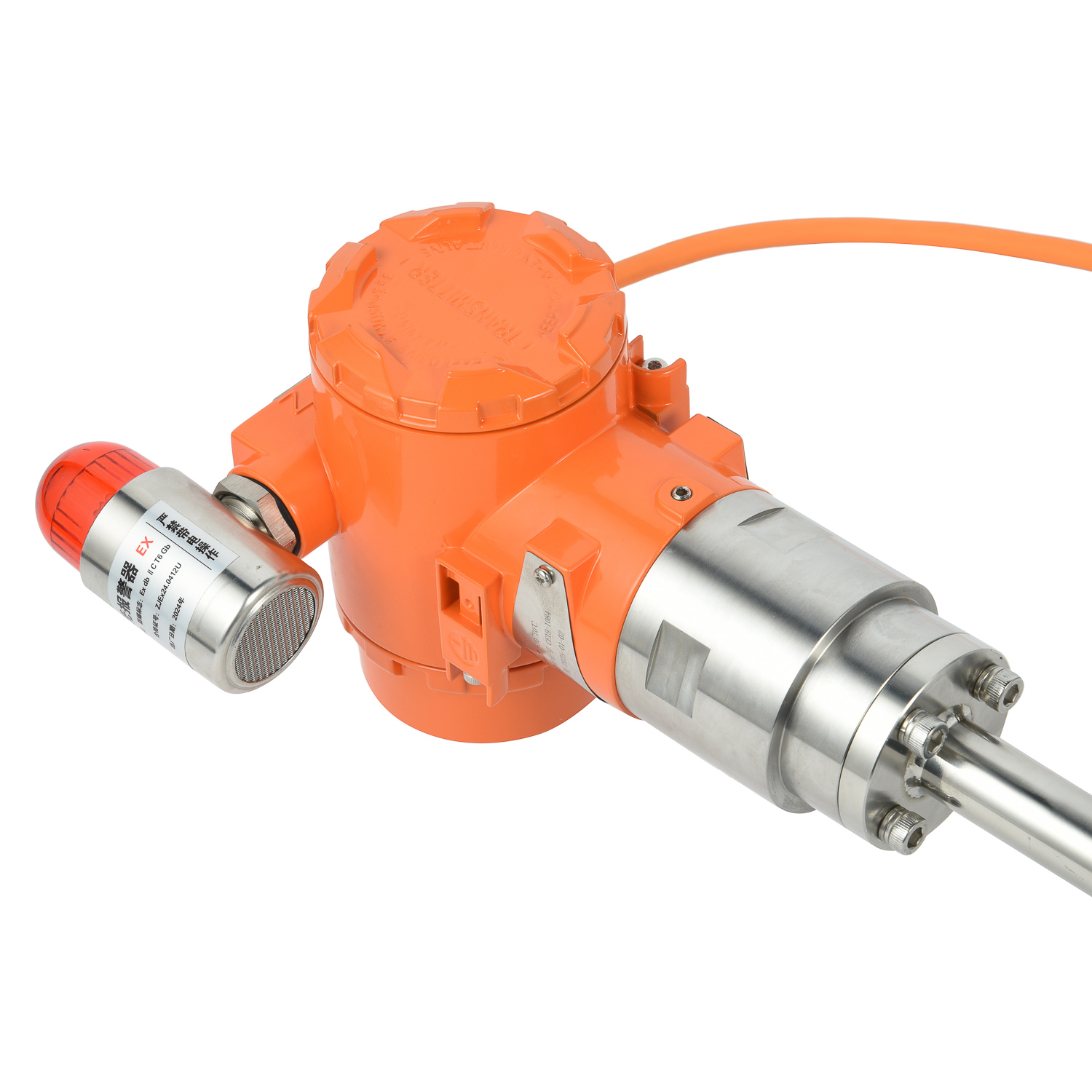
Engineered for real-world industrial settings, these sensors excel where others fail. Their hermetically sealed, stainless-steel housings protect against contaminants like oil, coolant, and dust. With no sensitive optical components or delicate contacting parts, they withstand severe shock, vibration, and temperature fluctuations. This rugged design ensures continuous operation and minimal maintenance in challenging environments such as metalworking, mobile hydraulics, and injection molding, maximizing uptime and productivity.
Transformative Applications Across Industries
The combination of long stroke capability, precision, and robustness unlocks transformative applications. In industrial automation, they enable precise control of robotic arms, press brakes, and material handling systems. In test and measurement, they provide accurate feedback for fatigue testing and quality inspection. The technology is also pivotal in renewable energy, controlling blade pitch in wind turbines, and in heavy industry, monitoring the position of massive mill rolls and actuators, proving that scalable precision is a cornerstone of modern engineering.
 Graybus Cable Fault
 Field Application of Graybus C
 Model and Specification of Gra
 Import Substitute Graybus Cabl