
DecodingtheSignal:InterpretingOutputsfromYourMagnetostrictiveSensor
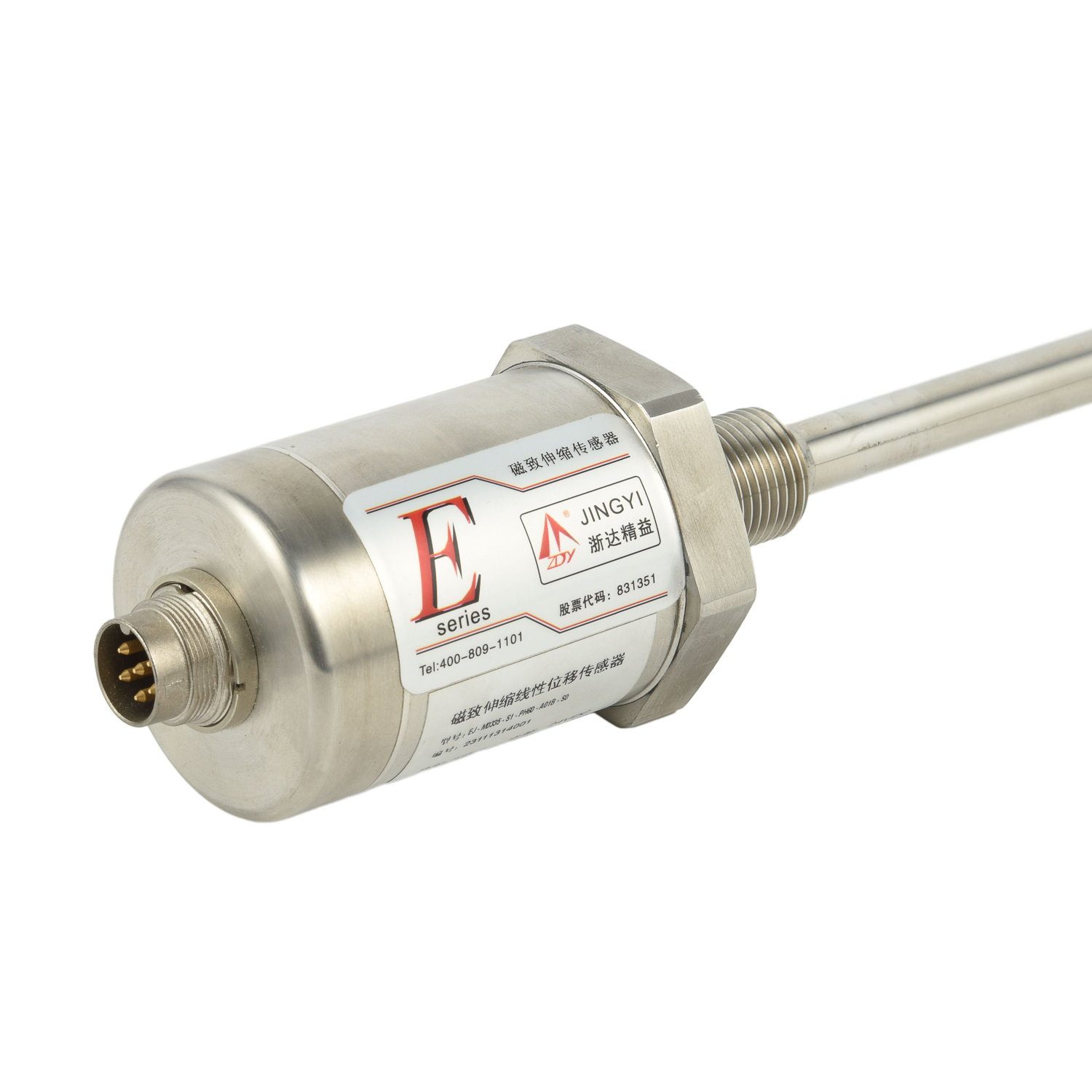
Understanding the precise language of your magnetostrictive sensor is critical for unlocking its full potential in demanding applications. This guide decodes its outputs, transforming raw data into actionable intelligence for superior system performance.
Understanding the Core Technology: How Magnetostriction Generates a Signal
At its heart, a magnetostrictive sensor measures position using a phenomenon where a ferromagnetic material changes shape in a magnetic field. A current pulse sent down a waveguide creates a torsional strain wave at the position of a movable permanent magnet. The time delay between the pulse initiation and the return wave's detection is your primary data point, directly proportional to the magnet's position.
Interpreting the Primary Output: The Position Data Stream
The fundamental output is a high-resolution, absolute position value. This isn't just a number; it's a continuous, highly accurate readout of linear or angular displacement. Look for consistency and repeatability in this data stream. Sudden jumps or noise can indicate issues with the sensing magnet, waveguide alignment, or electrical interference in the signal path.
Analyzing Signal Quality and Diagnostic Flags
Modern sensors provide more than just position. Key outputs include signal strength and diagnostic bits. A low signal strength flag often points to a weak magnetic field, excessive distance between the magnet and waveguide, or potential waveguide damage. Monitoring these parameters proactively prevents unexpected downtime by alerting you to degrading conditions before a full failure occurs.
Decoding Waveform Outputs for Advanced Troubleshooting
For deep diagnostics, some sensors offer access to the raw analog waveform. Analyzing this waveform's shape, amplitude, and noise floor can reveal specific issues. A distorted return pulse may indicate mechanical stress on the waveguide, while excessive electrical noise suggests problems with grounding or shielding in the installation.
Translating Outputs into System Action: From Data to Control
The ultimate goal of interpretation is action. The sensor's decoded position data directly drives control loops, synchronizes machinery, and ensures safety interlocks. Accurate interpretation ensures that your PLC or controller receives flawless data, enabling precise motion control, accurate filling levels, and reliable feedback in hydraulic or pneumatic systems.
Best Practices for Accurate Signal Interpretation
Ensure reliable interpretation by following key practices: maintain a clean, stable power supply; use proper shielded cabling routed away from noise sources; and adhere to the specified installation tolerances for magnet alignment. Regular calibration checks against a known reference will validate that your system's interpretation of the sensor's signal remains true to the physical reality it measures.
By mastering the interpretation of these outputs, you move from simply having data to possessing profound insight into your process, enabling peak efficiency, predictive maintenance, and unwavering control.
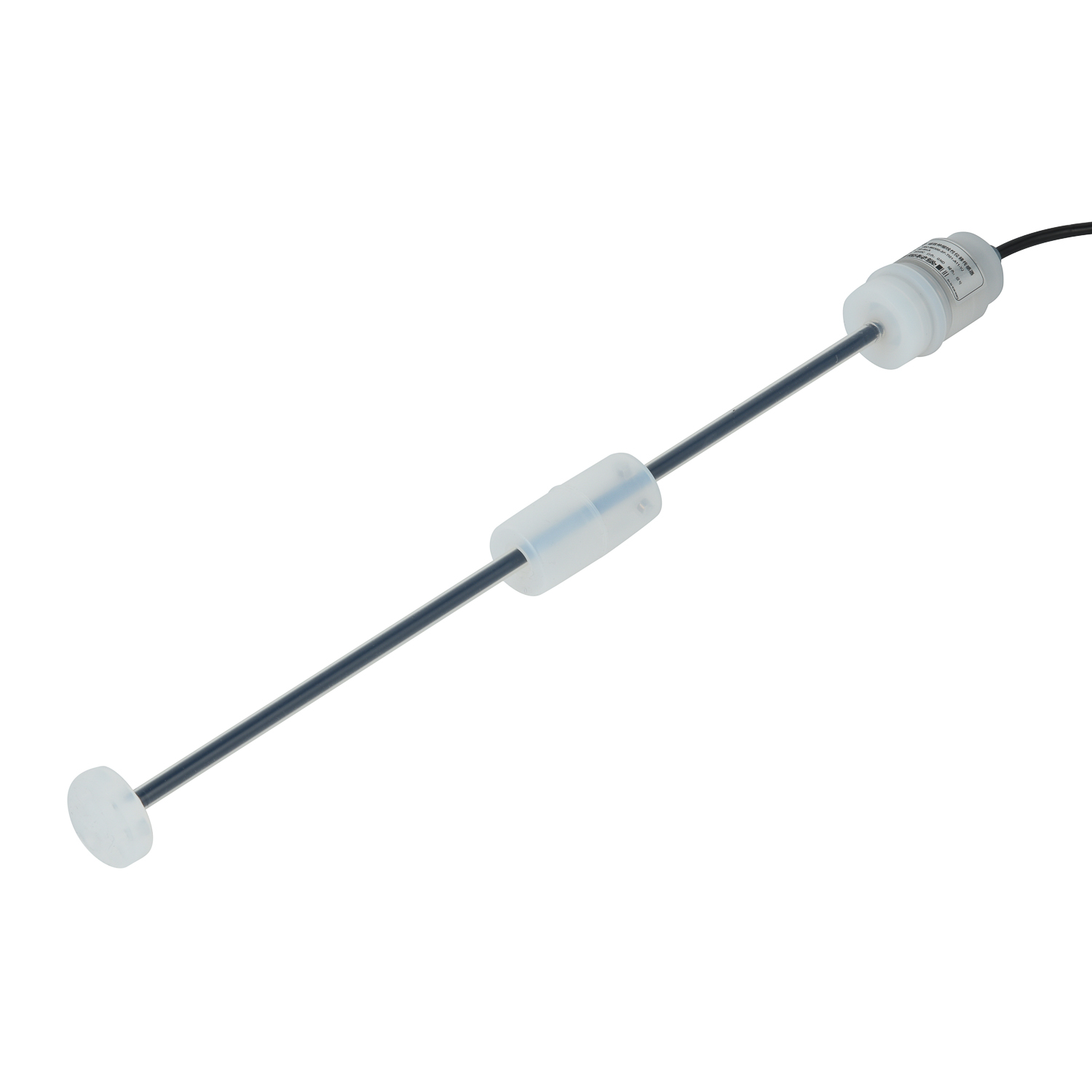 Graybus Cable Fault
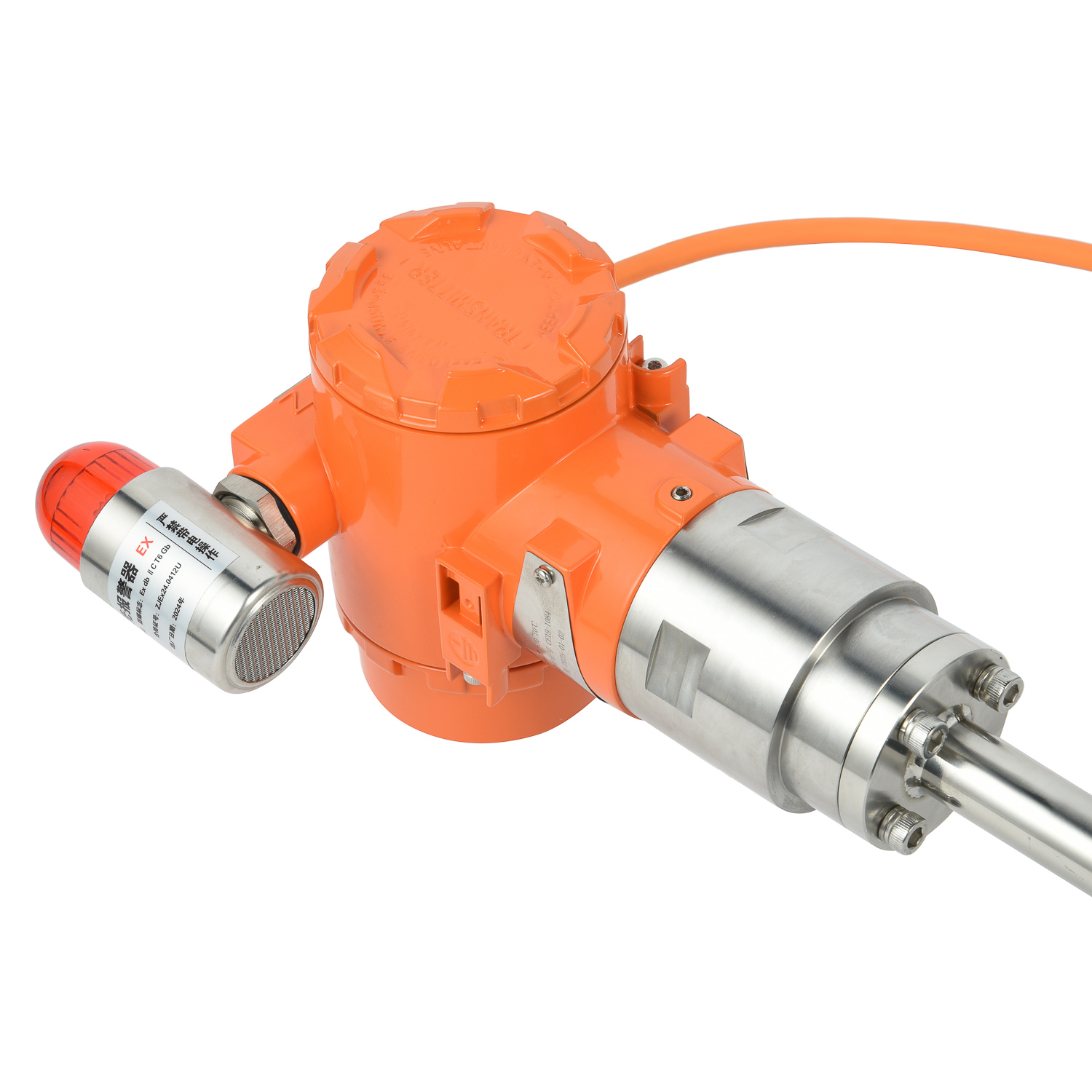 Field Application of Graybus C
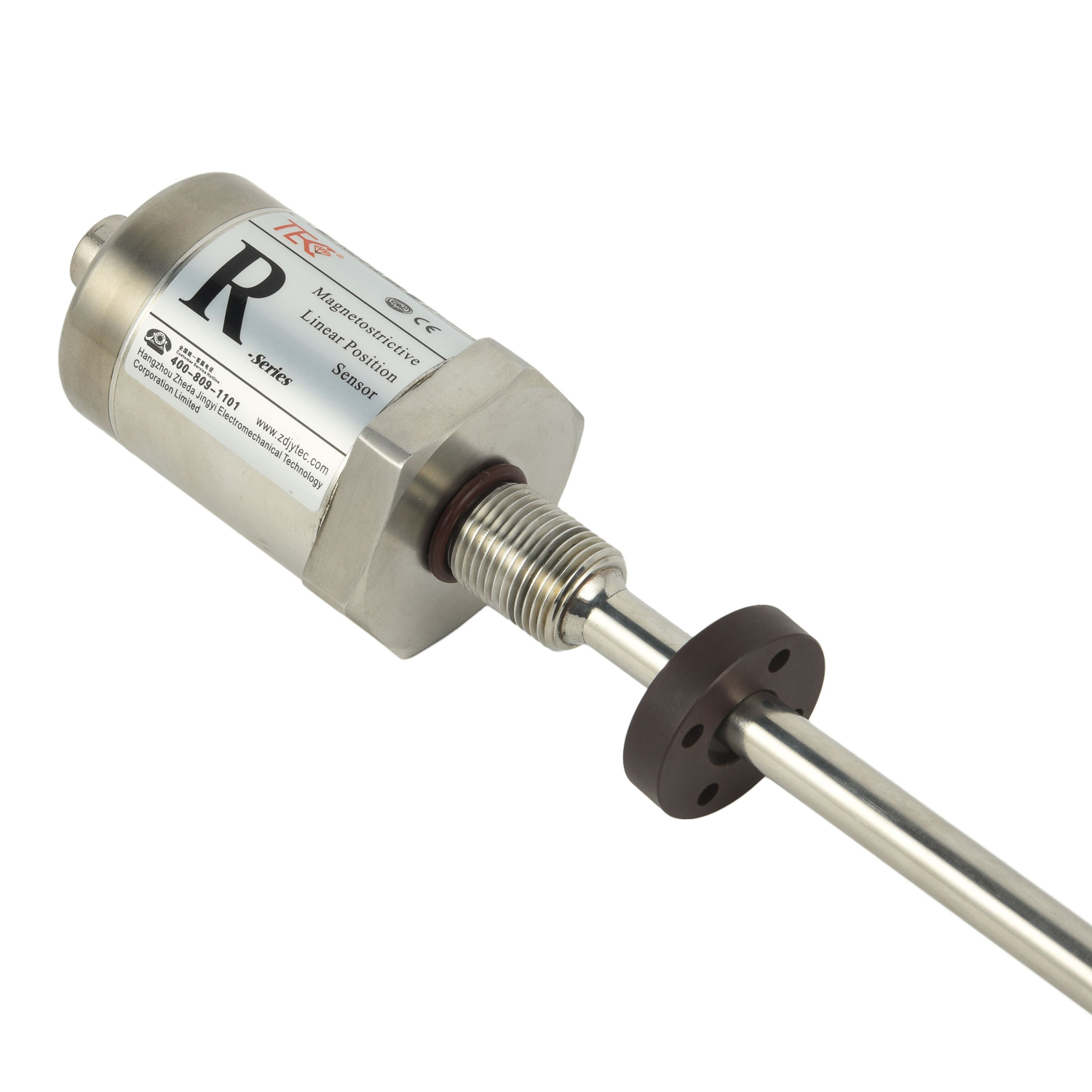 Model and Specification of Gra
 Import Substitute Graybus Cabl