
MagnetostrictiveSensors:TheKeytoReliable,Long-TermPositionFeedback
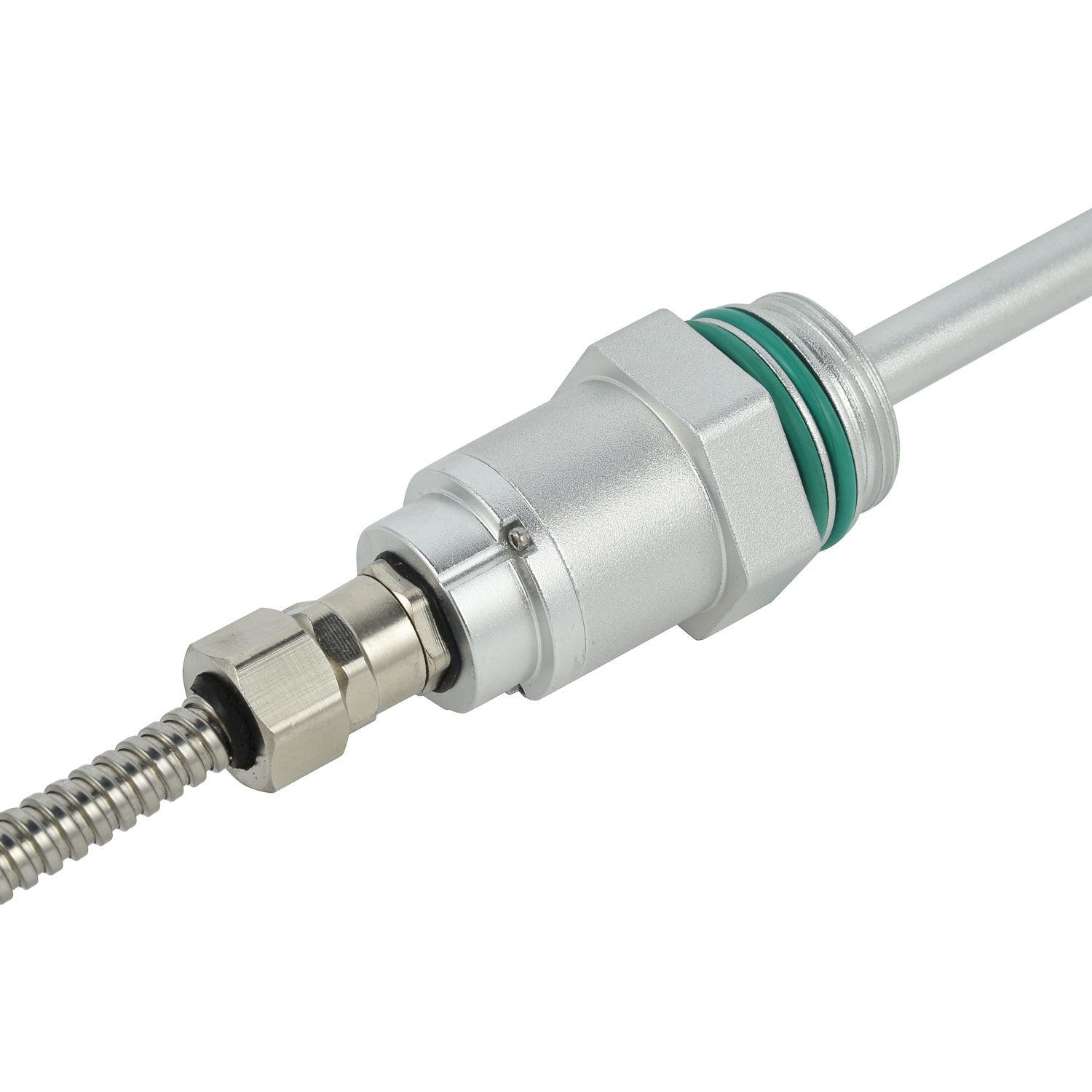
In the demanding world of industrial automation and motion control, achieving consistent and accurate position feedback over extended periods is paramount. Traditional sensing methods often fall short, succumbing to wear, environmental factors, or signal degradation. This is where magnetostrictive sensor technology emerges as a superior solution, offering a unique blend of precision, durability, and non-contact operation that is essential for critical long-term applications.
The Core Principle: A Wave of Precision
At the heart of magnetostrictive sensor operation lies a fascinating physical phenomenon. A short current pulse is sent through a waveguide inside the sensor. A position magnet, attached to the moving target, creates a circumferential magnetic field. The interaction between these two fields generates a torsional strain wave—the magnetostrictive effect. This wave travels back to the sensor's pickup at a known speed. By precisely measuring the time between the current pulse and the wave's return, the sensor calculates the magnet's absolute position with remarkable accuracy, providing continuous, non-contact linear position feedback.
Unmatched Reliability for Demanding Environments
What truly sets magnetostrictive sensors apart is their legendary reliability. The non-contact sensing principle means there is no physical wear between the sensing element and the position magnet. This inherent design eliminates a primary failure mode of contact-based sensors like potentiometers. Furthermore, high-quality magnetostrictive sensors are built with robust housings, hermetically sealed waveguides, and integrated electronics designed to withstand shock, vibration, extreme temperatures, and contaminated fluids, ensuring stable performance for millions of cycles.
Enabling Long-Term Operational Consistency
The long-term benefits of this reliability translate directly to operational efficiency and cost savings. Systems dependent on magnetostrictive feedback experience significantly reduced unplanned downtime. There is no need for frequent recalibration or replacement due to wear, leading to lower total cost of ownership. This consistency is vital for applications like hydraulic cylinder positioning in injection molding machines, continuous process valve control, and precision stage positioning, where years of maintenance-free operation are expected.
Key Applications Driving Industrial Advancement
The unique advantages of magnetostrictive sensors make them the preferred choice in several high-performance sectors. In factory automation, they provide critical feedback for hydraulic and pneumatic cylinder position control. Within the renewable energy sector, they ensure precise blade pitch control in wind turbines. They are also indispensable in heavy industry for roll gap positioning in steel mills and in advanced test stands where micrometer-level repeatability is required over countless test cycles.
The Future of Position Sensing is Here
As industries push for greater efficiency, smarter machinery, and predictive maintenance, the role of reliable position feedback becomes even more critical. Magnetostrictive sensor technology, with its proven track record of long-term accuracy and robustness, is perfectly positioned to meet these future challenges. By investing in this technology, engineers and system integrators secure a foundation of dependable data, which is the true key to optimizing performance and ensuring the longevity of mission-critical industrial systems.
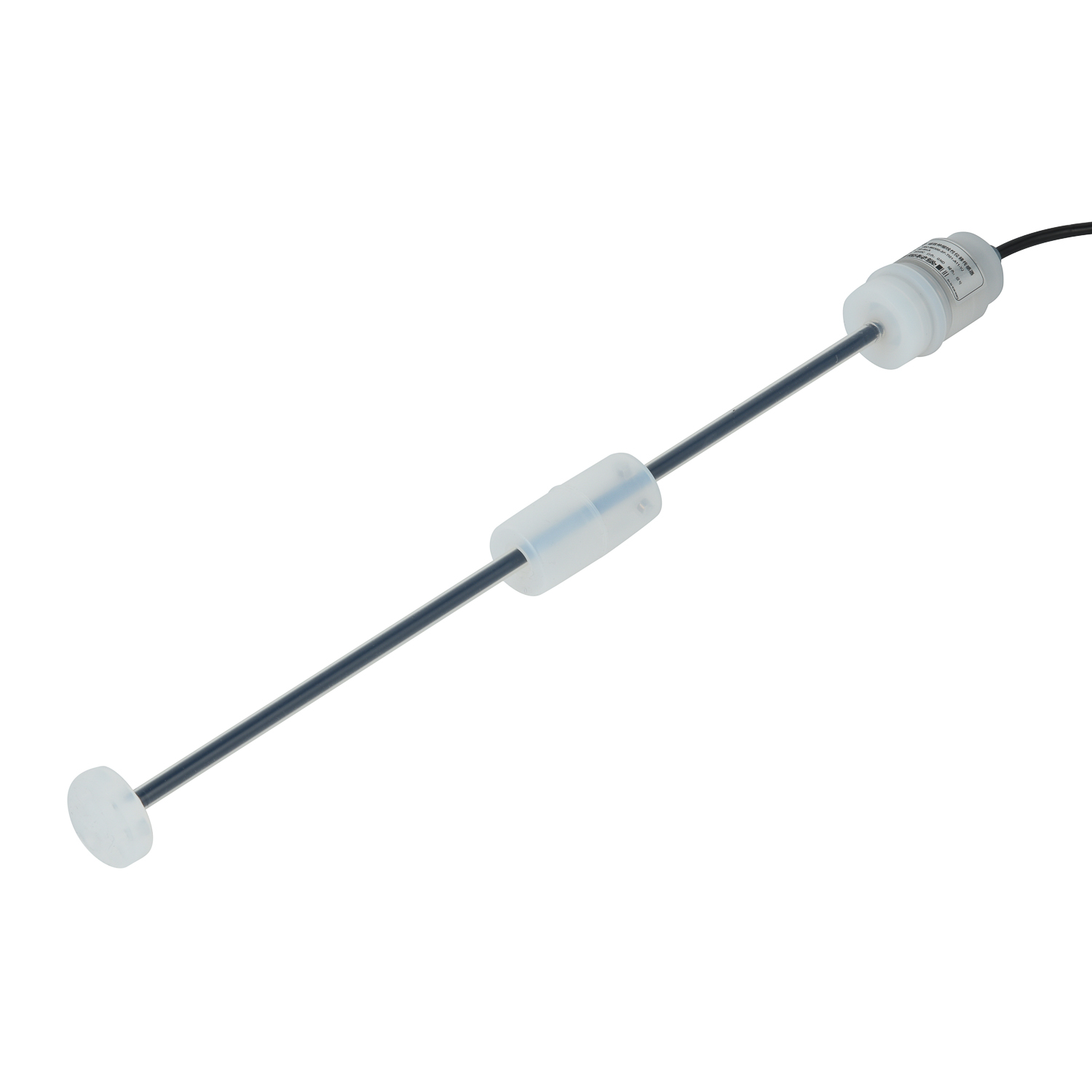 Graybus Cable Fault
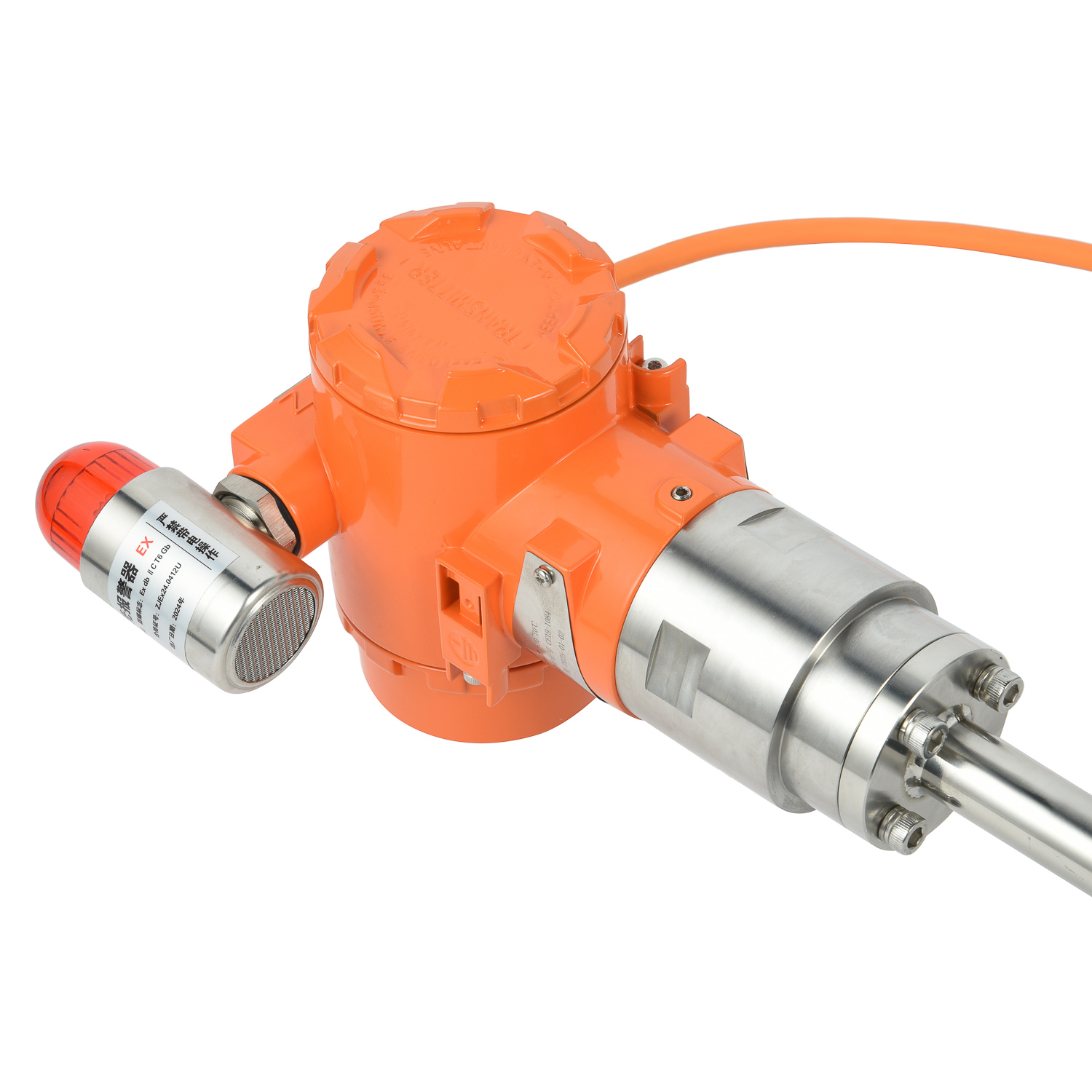 Field Application of Graybus C
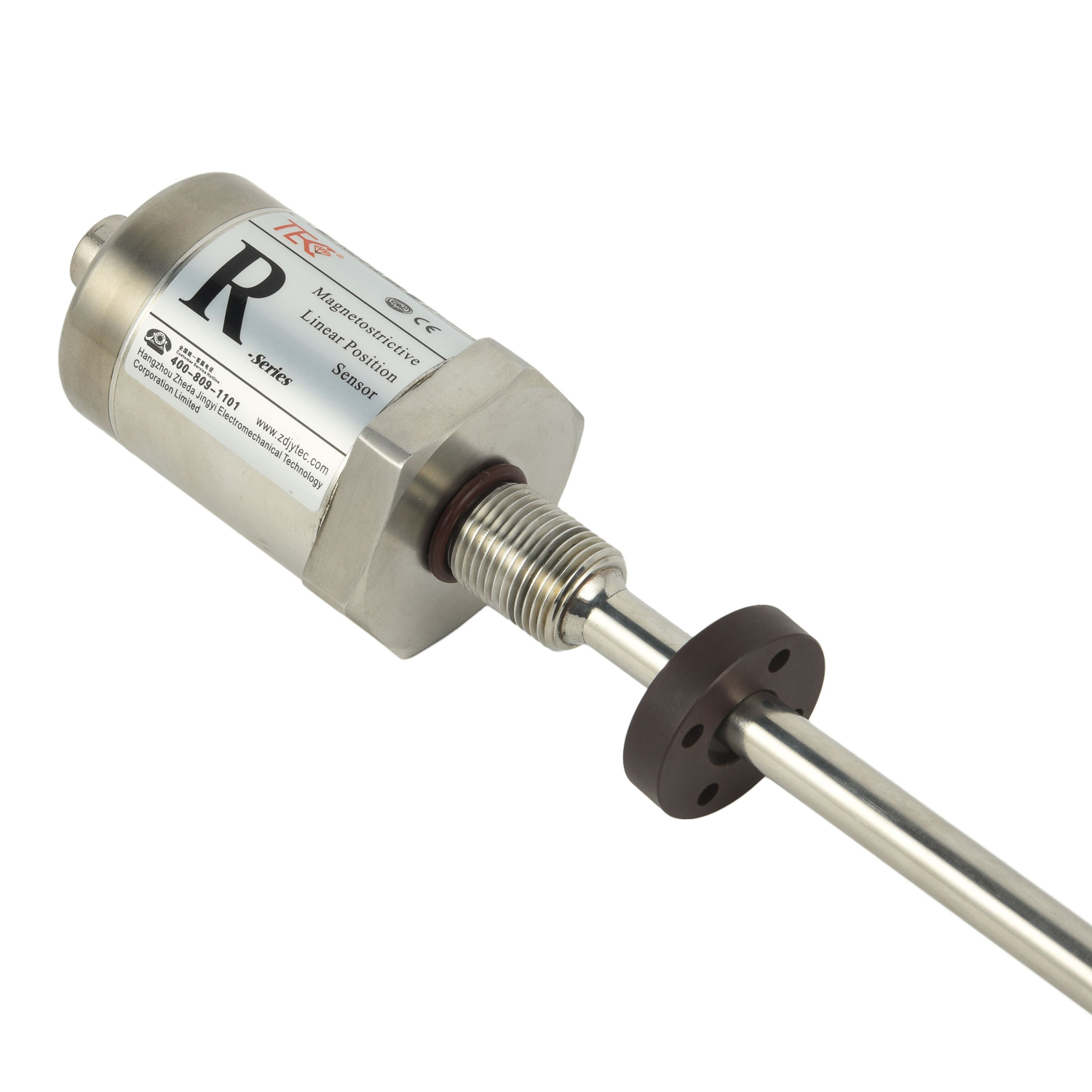 Model and Specification of Gra
 Import Substitute Graybus Cabl