
WhyTraditionalLiquidLevelGaugesCan'tCompeteWithMagnetostrictiveTech
For decades, industrial facilities have relied on conventional liquid level gauges for tank monitoring and process control. These traditional mechanical devices, while familiar to operators, come with significant limitations that impact operational efficiency and accuracy. As industries embrace digital transformation and demand higher precision, magnetostrictive technology emerges as the superior solution that fundamentally changes how we measure and monitor liquid levels.
The Accuracy Gap Between Technologies
Traditional sight glasses and float-based gauges suffer from inherent accuracy limitations due to mechanical wear, parallax errors, and temperature-induced expansions. Operators often struggle with blurred readings and gradual calibration drift that compromise measurement reliability. Magnetostrictive level sensors, in contrast, deliver exceptional precision with accuracy levels up to ±0.01% of full scale, providing repeatable measurements unaffected by visual interpretation or mechanical degradation. This technological advantage translates directly to improved process control and reduced measurement uncertainty across critical applications.
Maintenance Challenges of Conventional Systems
Mechanical level gauges demand continuous maintenance attention that drives up operational costs and creates unnecessary downtime. Sight glasses require regular cleaning to maintain visibility, while float mechanisms become compromised by material buildup and component fatigue. The sophisticated design of magnetostrictive transmitters eliminates these maintenance-intensive components, featuring non-contact measurement principles that withstand harsh process conditions without performance degradation. This robust construction significantly reduces maintenance intervals and associated labor costs while enhancing overall system reliability.
Digital Integration Capabilities
Legacy level gauges operate in isolation from modern control systems, requiring manual data collection and creating information gaps in automated processes. Magnetostrictive technology bridges this digital divide with native compatibility for industrial communication protocols including HART, Profibus, and Foundation Fieldbus. These advanced sensors seamlessly integrate with distributed control systems, SCADA networks, and asset management platforms, enabling real-time data access, remote configuration, and predictive maintenance capabilities that traditional gauges cannot provide.
Environmental Performance and Durability
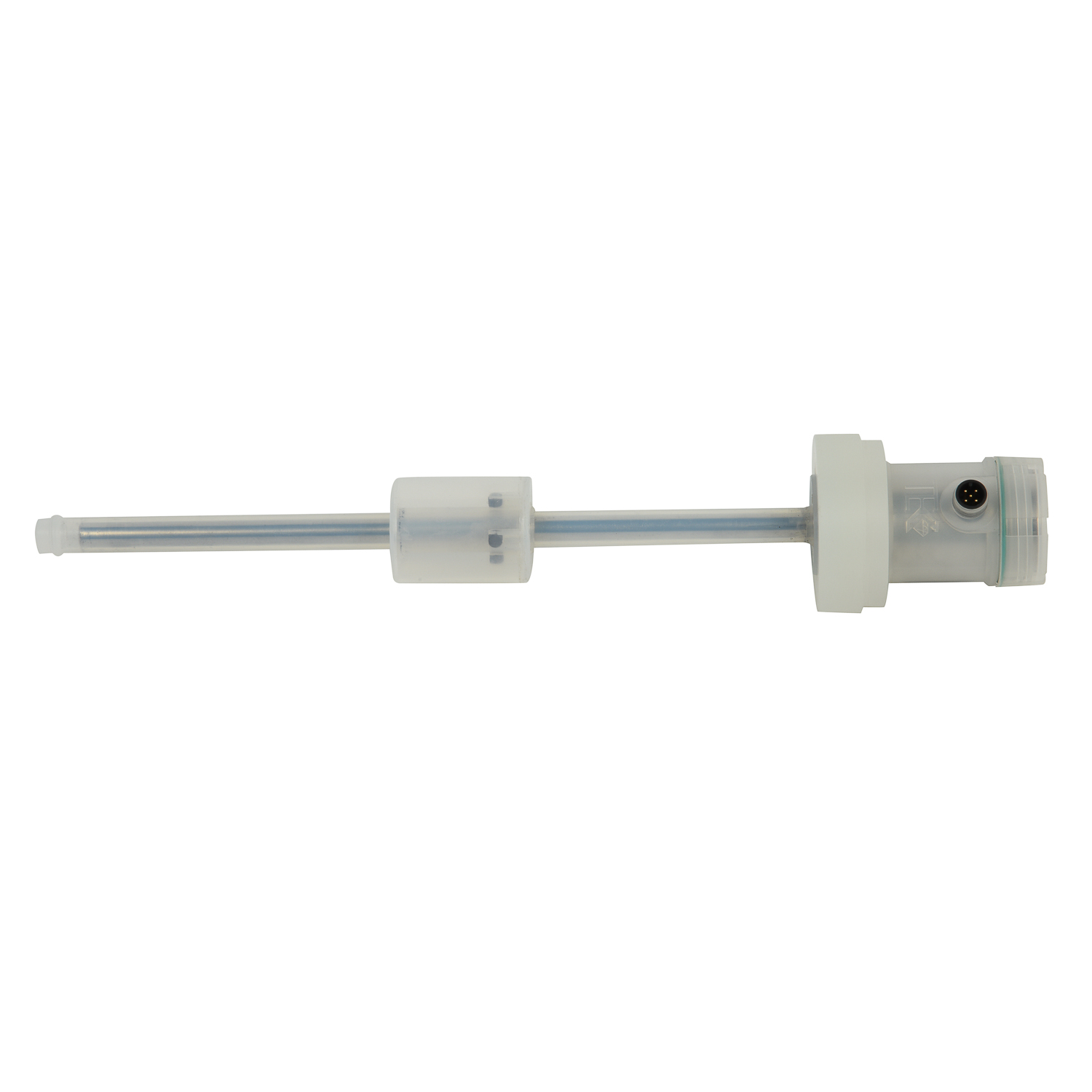
Conventional level measurement devices demonstrate vulnerability to extreme temperatures, pressure fluctuations, and corrosive media that limit their application range. Magnetostrictive sensors excel in challenging environments with robust construction that withstands aggressive chemicals, high-pressure conditions, and wide temperature variations. The hermetically sealed electronics and hardened measuring elements ensure long-term stability where traditional gauges would fail, making magnetostrictive technology the preferred choice for demanding industrial applications from chemical processing to hydrocarbon storage.
Total Cost of Ownership Comparison
While traditional gauges may appear cost-effective initially, their true expense emerges through ongoing maintenance, calibration, and replacement cycles. Magnetostrictive level transmitters deliver superior value through extended service intervals, reduced spare parts inventory, and minimized operational disruptions. The enhanced accuracy and reliability contribute to better process optimization and reduced product loss, creating a compelling return on investment that makes the transition to magnetostrictive technology economically justified for forward-thinking industrial operations.
Future-Proofing Your Measurement Strategy
As industries advance toward greater automation and data-driven operations, magnetostrictive technology positions organizations for tomorrow's challenges today. Unlike traditional gauges that represent outdated measurement approaches, magnetostrictive sensors provide the foundation for digital transformation initiatives and Industry 4.0 implementations. By adopting this advanced technology now, companies ensure their level measurement systems remain compatible with evolving industrial standards and emerging smart factory requirements, protecting their investments while maintaining competitive advantage in an increasingly automated world.
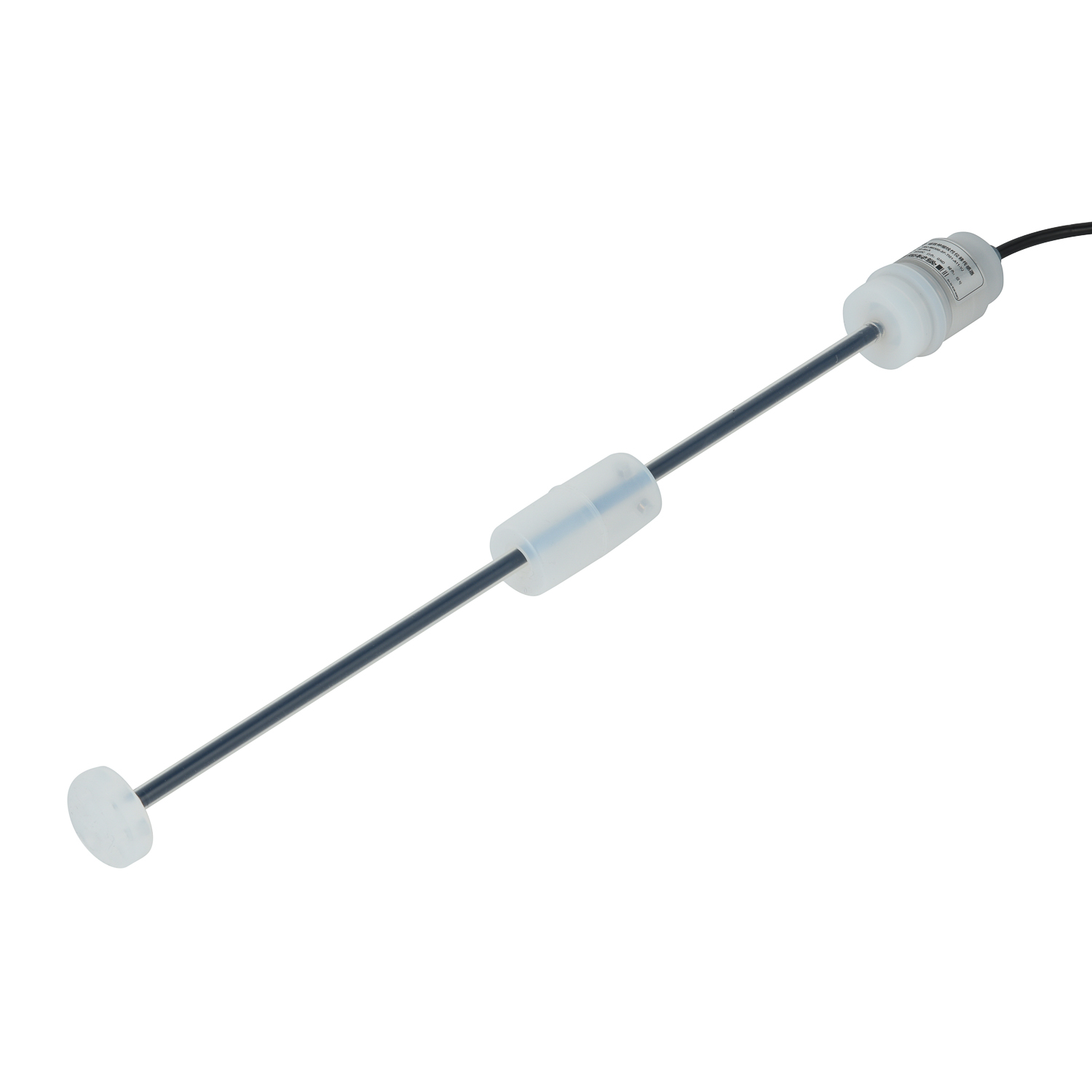 Graybus Cable Fault
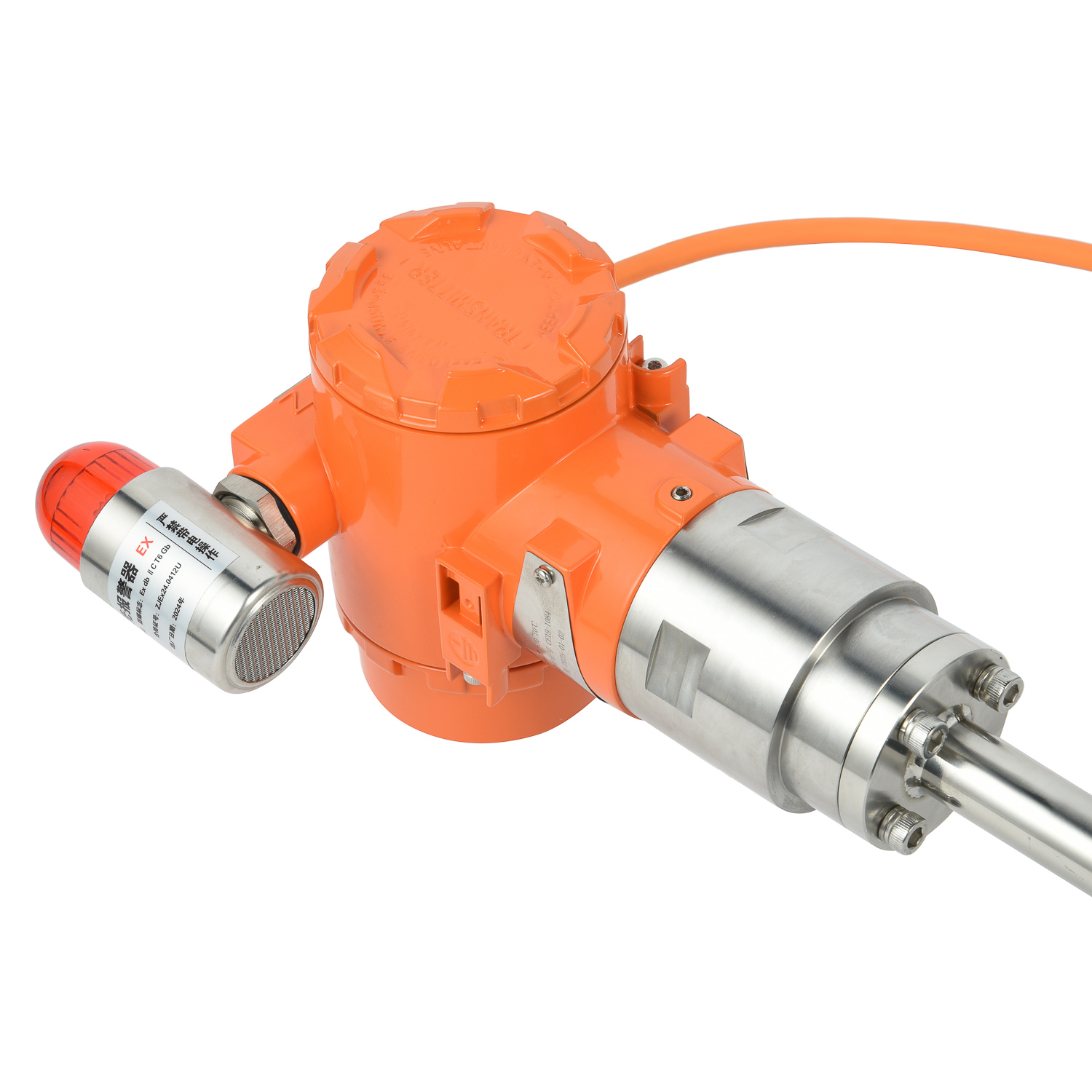 Field Application of Graybus C
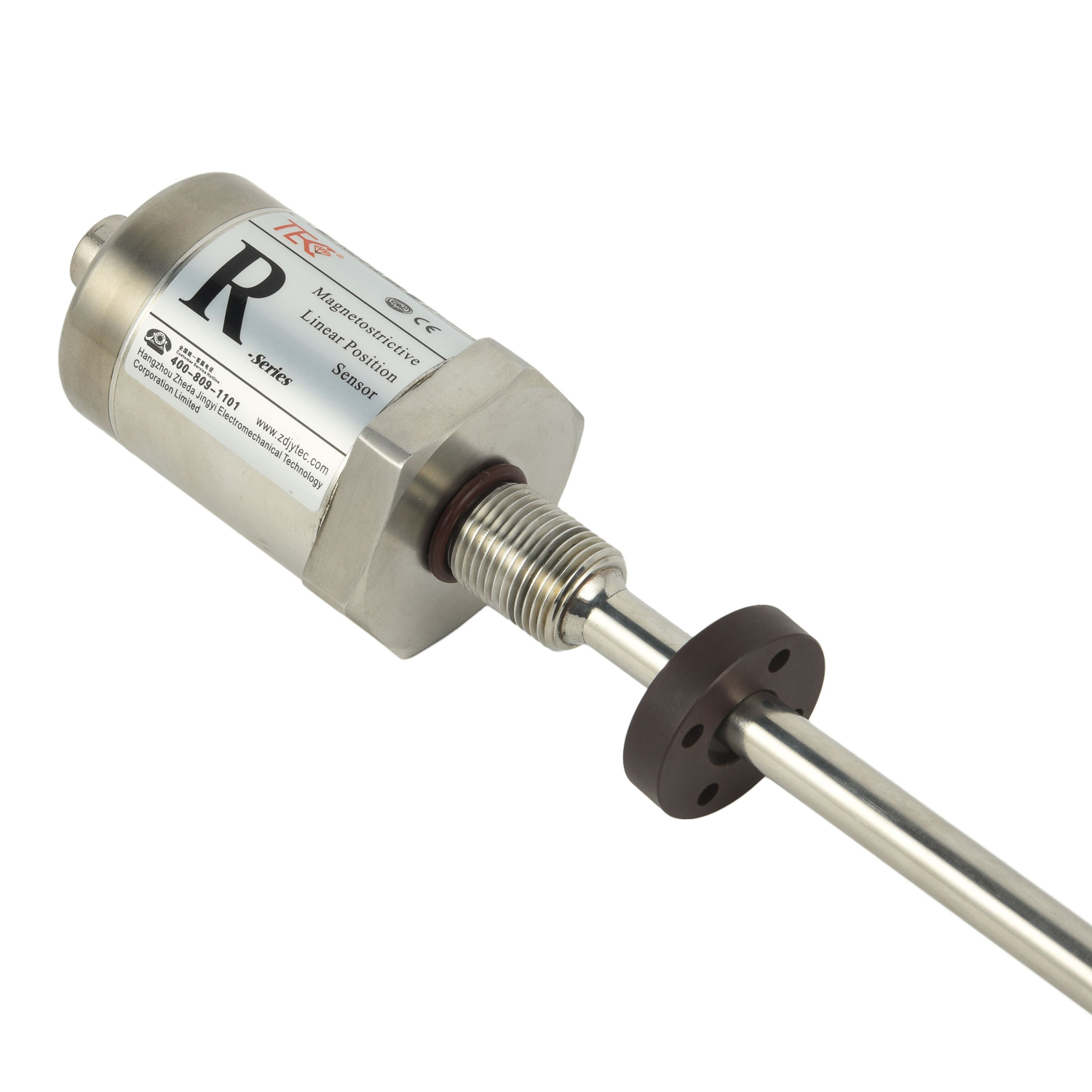 Model and Specification of Gra
 Import Substitute Graybus Cabl