
TheMagnetostrictiveLiquidLevelGaugeMysteryFinallySolved
For decades, industrial engineers and maintenance professionals have encountered magnetostrictive liquid level gauges with a mixture of respect and confusion. These devices deliver exceptional accuracy, yet their internal workings often remain shrouded in mystery. The principle seems almost magical: a precise measurement taken without physical contact with the moving float. Today, we pull back the curtain and solve this technological puzzle once and for all, revealing the elegant physics that makes it all possible.
The Core Principle: A Twist on Magnetism
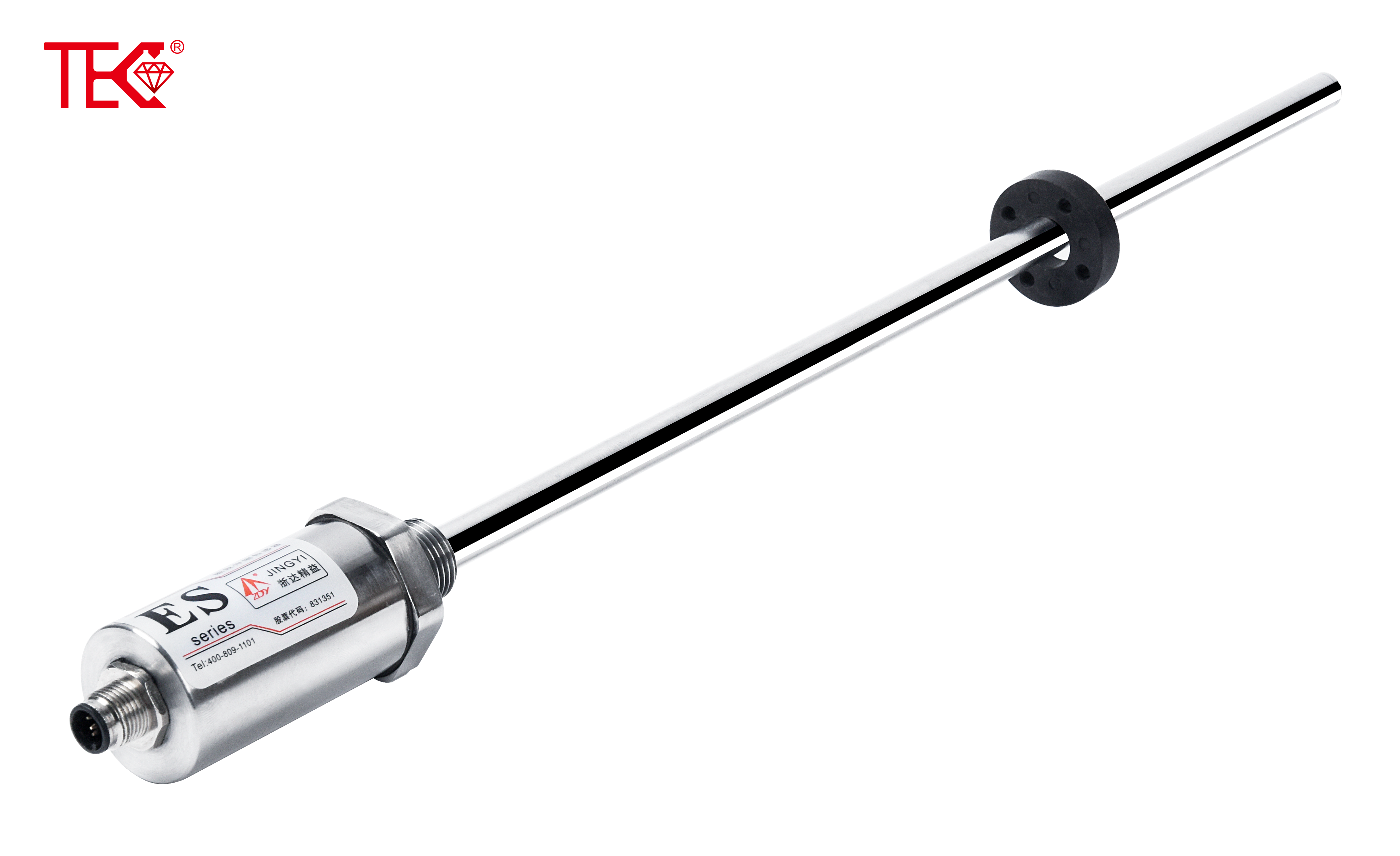
The secret lies in the phenomenon of magnetostriction. This is the property of certain materials to change their physical dimensions when exposed to a magnetic field. Inside a magnetostrictive level gauge, a tightly stretched wire, known as a waveguide, runs the entire length of the probe. The system begins by sending a short, precise electrical current pulse down this wire. This current generates a circumferential magnetic field along the entire length of the waveguide.
Where the Magic Happens: The Interaction Zone
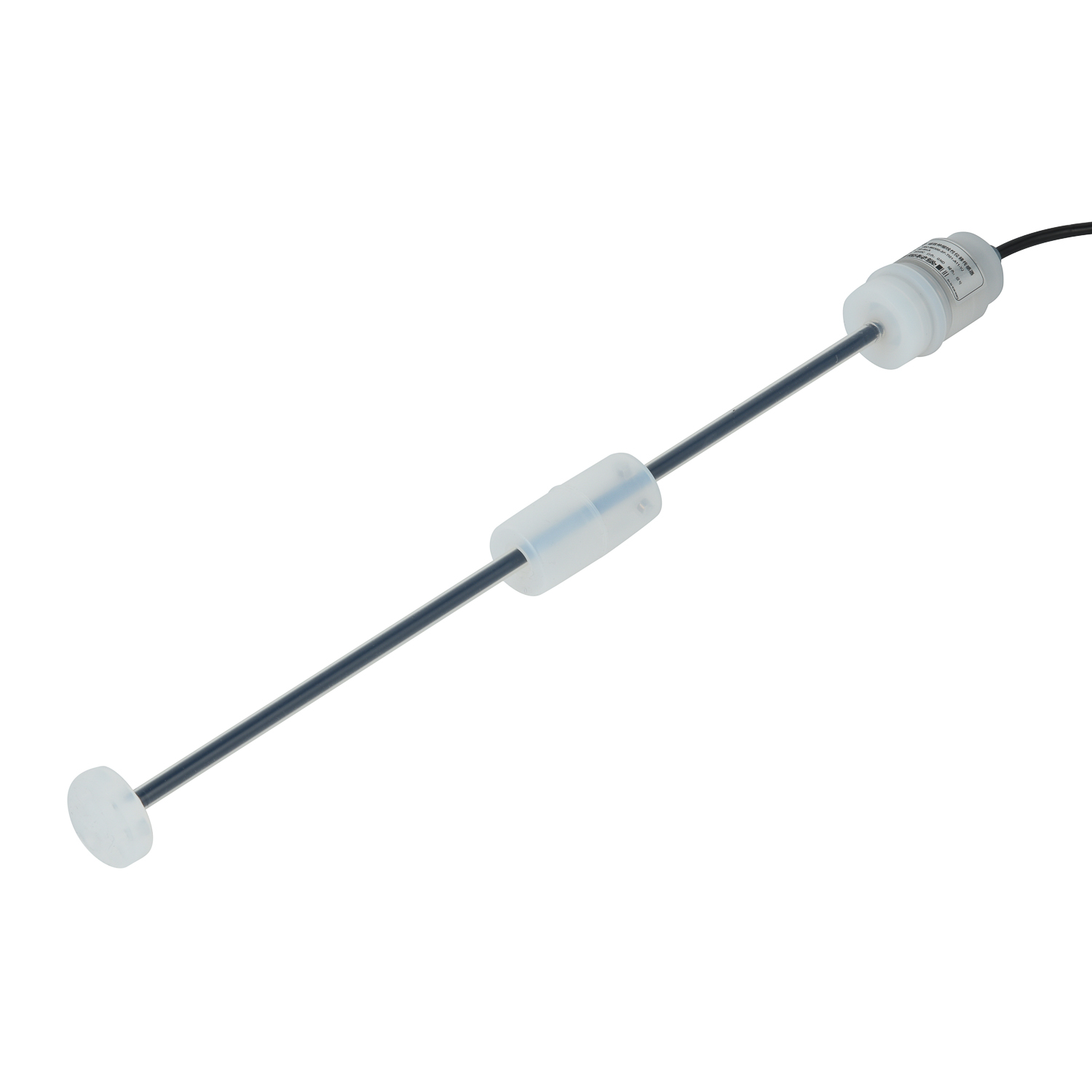
A permanent magnet is housed within a float that surrounds the probe, moving up and down with the liquid level. When the electrical current pulse is sent down the waveguide, its magnetic field interacts with the magnetic field from the float's magnet. This interaction creates a momentary torsional force or a "twist" in the waveguide wire at the exact location of the float. This is the magnetostrictive effect in action.
Timing is Everything: The Return Wave
The initial current pulse acts as the starting pistol for a race. As the pulse travels, the system's electronics listen intently. The torsional strain created at the float's position travels back along the waveguide as an ultrasonic wave at a known, constant speed. A sensor at the top of the probe detects this returning mechanical wave. The system then performs a simple calculation: it measures the precise time difference between the launch of the current pulse and the arrival of the return wave.
Calculating Precision: From Time to Distance
With the time interval measured and the speed of the ultrasonic wave known, calculating the distance to the float becomes a straightforward application of physics: Distance = Speed × Time. This distance directly corresponds to the liquid level in the tank. Because the speed of the torsional wave is exceptionally stable, this method yields highly accurate and repeatable measurements, often with resolutions down to fractions of a millimeter.
Why This Technology Reigns Supreme
The solved mystery reveals why magnetostrictive gauges are preferred for critical applications. The non-contact measurement between the waveguide and the moving float eliminates mechanical wear, ensuring long-term stability and reliability. They are largely immune to the effects of changing density, temperature, and dielectric constants that plague other technologies, providing a stable and trustworthy reading in complex industrial environments. The mystery is solved, and the result is a testament to elegant engineering.
 Graybus Cable Fault
 Field Application of Graybus C
 Model and Specification of Gra
 Import Substitute Graybus Cabl