
TheControversialDecisiontoSwitchtoMagnetostrictiveLiquidLevelGauges
The industrial landscape is currently divided over one critical instrumentation decision: whether to transition from traditional level measurement technologies to modern magnetostrictive liquid level gauges. This debate has sparked intense discussions among engineers, plant managers, and procurement specialists across various sectors including chemical processing, oil and gas, and water treatment facilities. The controversy stems from conflicting reports about performance, cost-effectiveness, and long-term reliability of these advanced measurement devices.
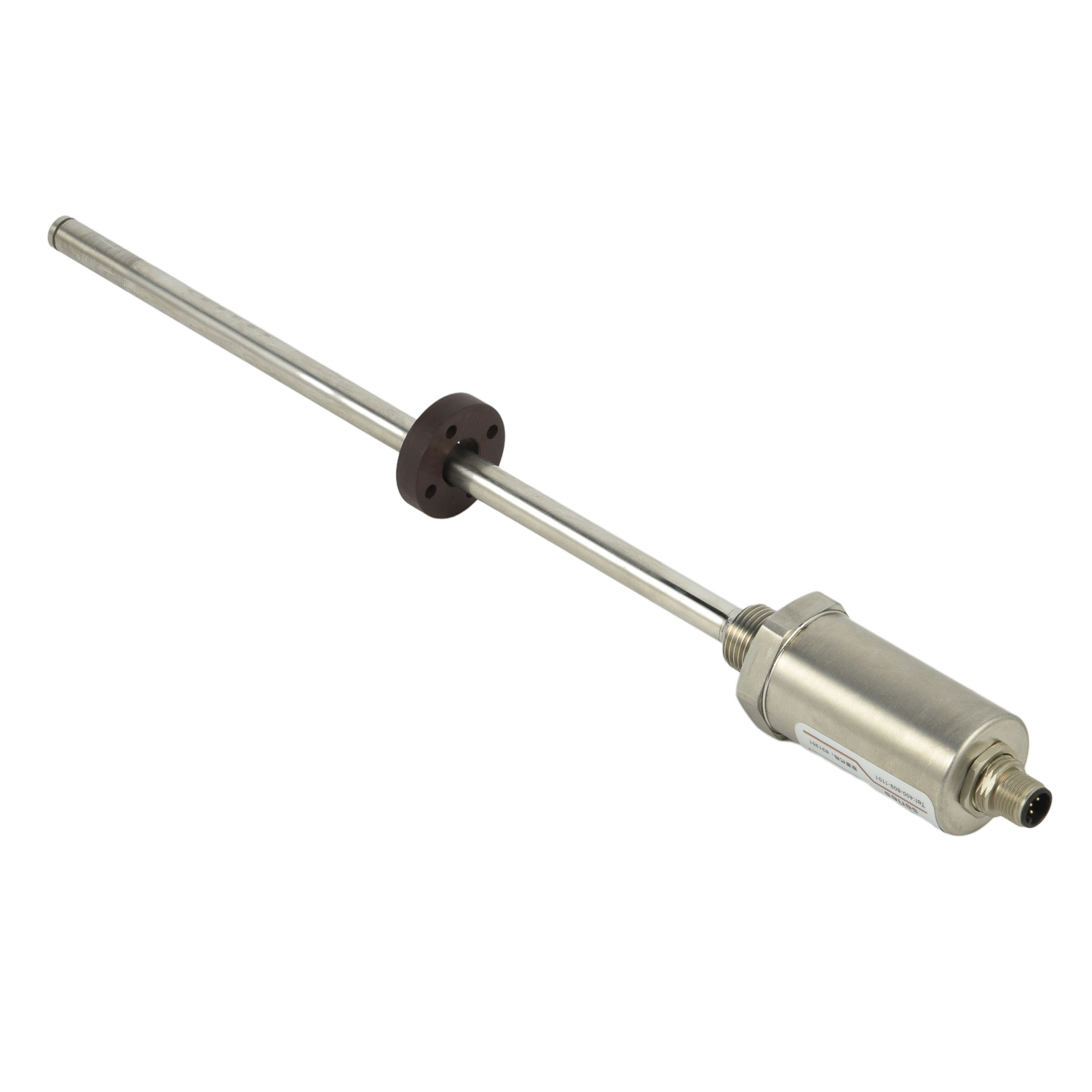
Understanding Magnetostrictive Level Measurement Technology
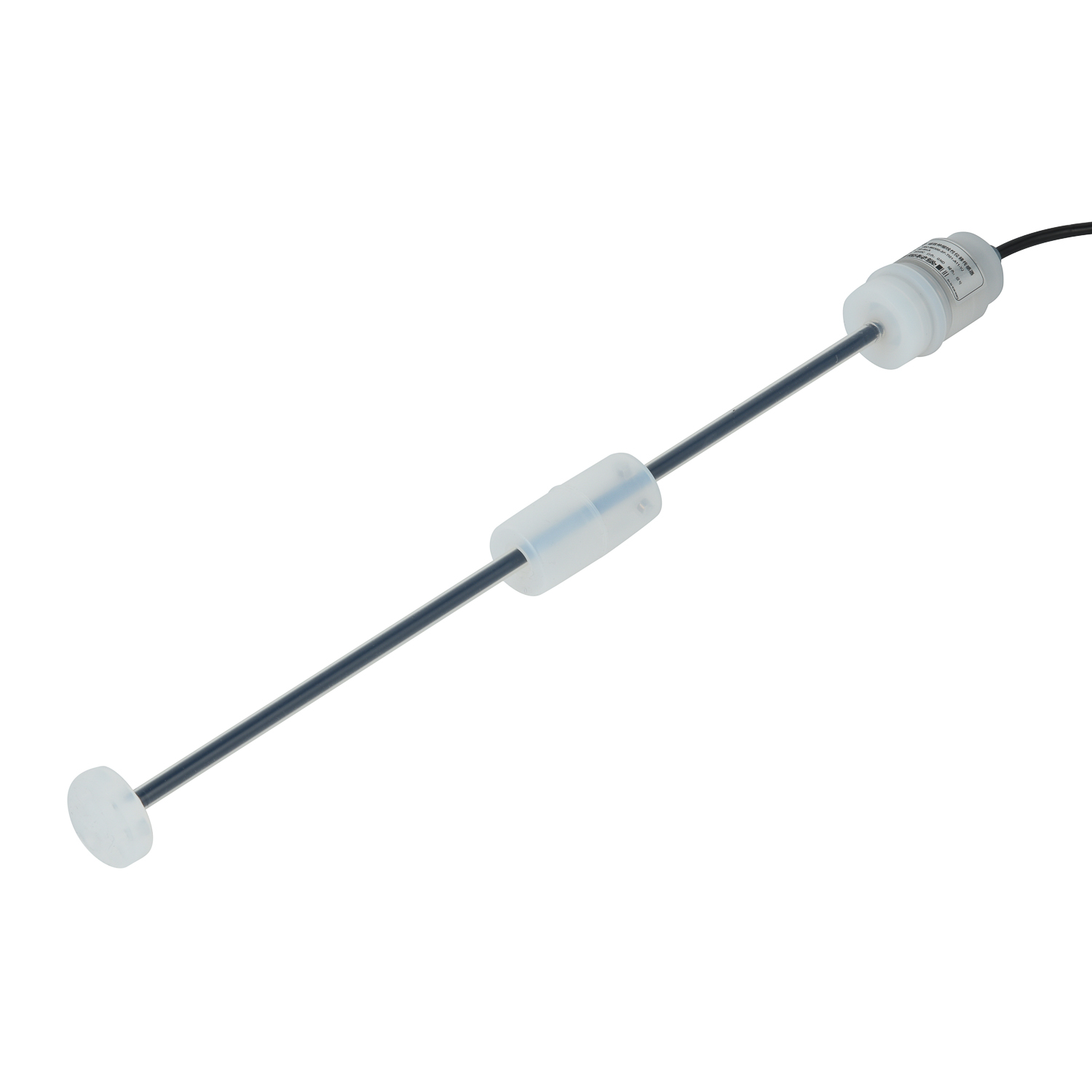
At its core, magnetostrictive level measurement operates on a sophisticated principle involving magnetic fields and torsional stress waves. A current pulse sent through a waveguide wire interacts with magnetic fields from float-mounted magnets, creating precise position measurements with exceptional accuracy. This technology represents a significant leap from traditional mechanical floats and ultrasonic sensors, offering resolution capabilities down to millimeter levels. The fundamental physics behind this method ensures minimal drift over time, making it particularly attractive for applications requiring consistent, high-precision measurements in demanding industrial environments.
The Compelling Advantages Driving Adoption
Proponents highlight numerous benefits that make magnetostrictive gauges irresistible for modern operations. These devices deliver unprecedented accuracy rates of up to ±0.01% of full scale, far surpassing traditional technologies. Their non-contact measurement principle eliminates mechanical wear issues that plague conventional gauges, significantly extending service life. Additional advantages include continuous level monitoring capabilities, compatibility with various liquids including corrosive media, and minimal maintenance requirements. The digital output capabilities seamlessly integrate with modern control systems, providing real-time data for process optimization and inventory management without requiring manual interpretation or additional signal conditioning.
Significant Challenges and Industry Concerns
Despite the promising advantages, substantial concerns continue to trouble potential adopters. The initial investment for magnetostrictive systems often exceeds traditional alternatives by 30-50%, creating budgetary challenges for smaller operations. Specialized installation requirements demand trained technicians, adding to implementation costs. Performance issues with certain fluid types, particularly those with entrained gases or heavy suspended solids, have generated reliability concerns in specific applications. The electronic complexity of these systems also raises questions about long-term repair costs and technical support availability compared to simpler mechanical alternatives that plant personnel can often maintain with basic training.
Comparative Analysis with Traditional Technologies
When evaluated against established technologies like guided wave radar, ultrasonic sensors, and mechanical floats, magnetostrictive gauges present a mixed performance profile. They outperform ultrasonic sensors in environments with vapor spaces or foam layers while providing superior resolution to most pressure-based systems. However, they fall short of guided wave radar in extreme temperature applications and lack the straightforward simplicity of mechanical float gauges for basic level indication. The decision matrix becomes particularly complex when factoring in specific process conditions, safety requirements, and existing infrastructure compatibility, explaining why no universal consensus has emerged across different industrial sectors.
Implementation Considerations for Successful Transition
Organizations contemplating the switch must address several critical implementation factors. Proper float selection matched to specific gravity and process conditions proves essential for optimal performance. Installation orientation and mounting configuration significantly impact measurement accuracy and long-term reliability. Compatibility with existing control systems and communication protocols requires thorough verification before commitment. Additionally, staff training programs must address both operational principles and troubleshooting techniques, as the diagnostic approach differs substantially from traditional level measurement devices. These considerations often determine whether the transition delivers the promised benefits or becomes another costly technology implementation failure.
Future Outlook and Industry Trajectory
The ongoing technological evolution suggests magnetostrictive level gauges will continue to capture market share from traditional technologies, particularly as manufacturing costs decrease and reliability improves with advanced materials. Emerging smart features including self-diagnostics, predictive maintenance capabilities, and enhanced communication protocols address some current limitations. However, traditional technologies aren't standing still either, with mechanical gauges incorporating digital interfaces and ultrasonic systems achieving better performance in challenging conditions. The ultimate resolution to this industry controversy may lie in hybrid approaches that combine multiple measurement technologies to leverage their respective strengths while mitigating individual weaknesses.
 Graybus Cable Fault
 Field Application of Graybus C
 Model and Specification of Gra
 Import Substitute Graybus Cabl