
WhyMagnetostrictiveLiquidLevelGaugesAreBannedinSomeFacilities
In industrial settings where precision meets safety, certain measurement technologies face stringent scrutiny. Magnetostrictive liquid level gauges, despite their accuracy, have become subject to restrictions across various hazardous facilities. This prohibition stems from fundamental safety concerns that override their technical advantages.
Understanding Magnetostrictive Level Measurement Technology
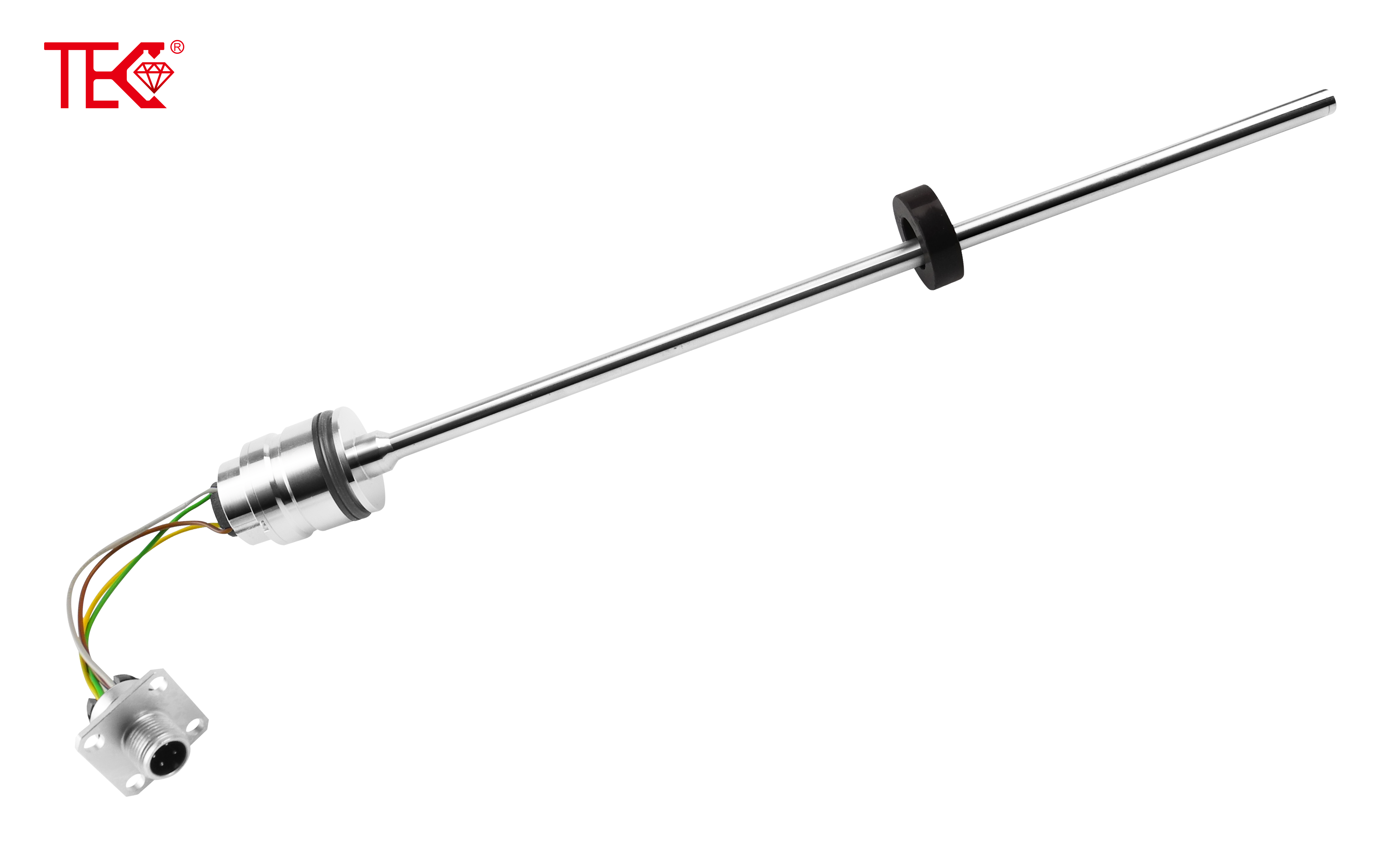
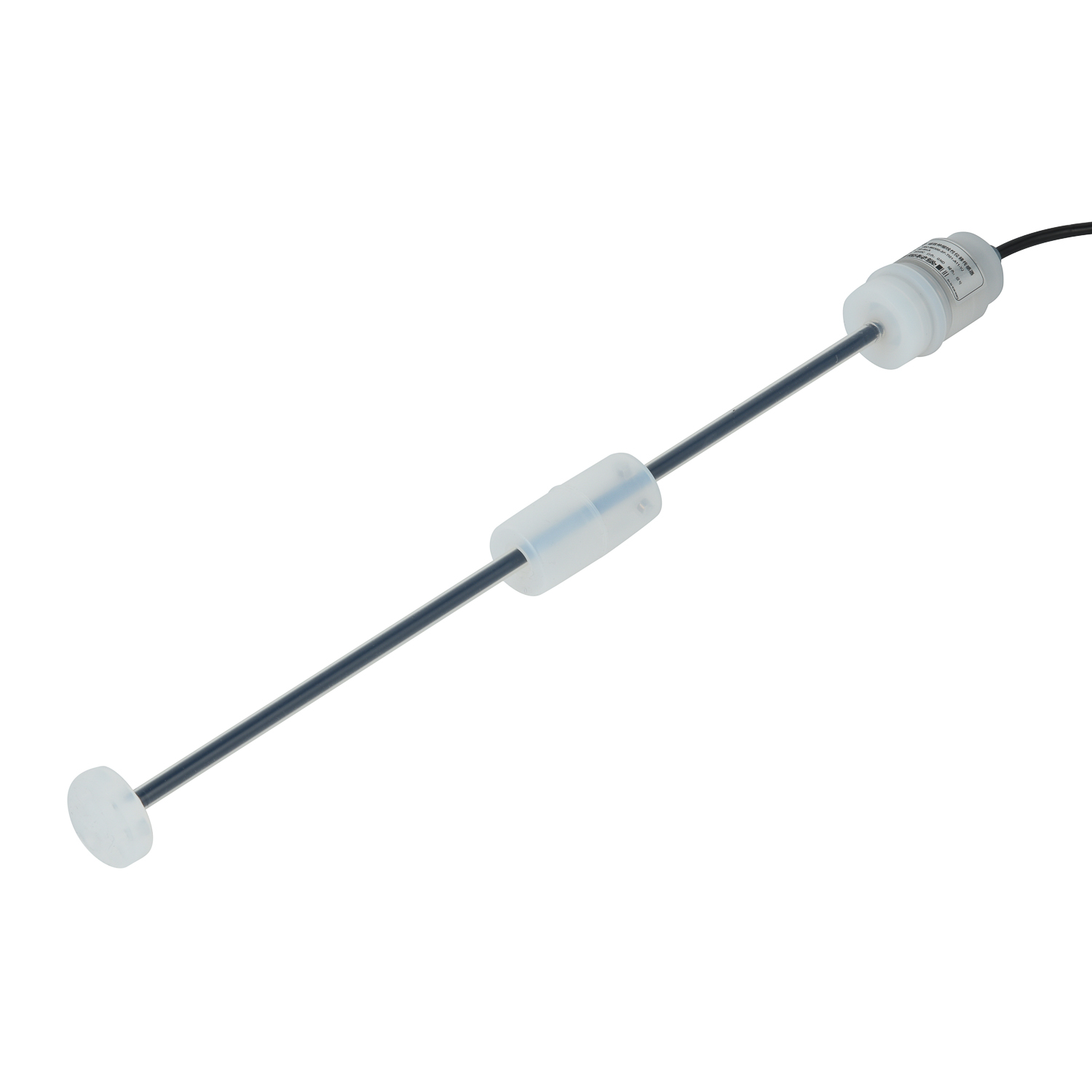
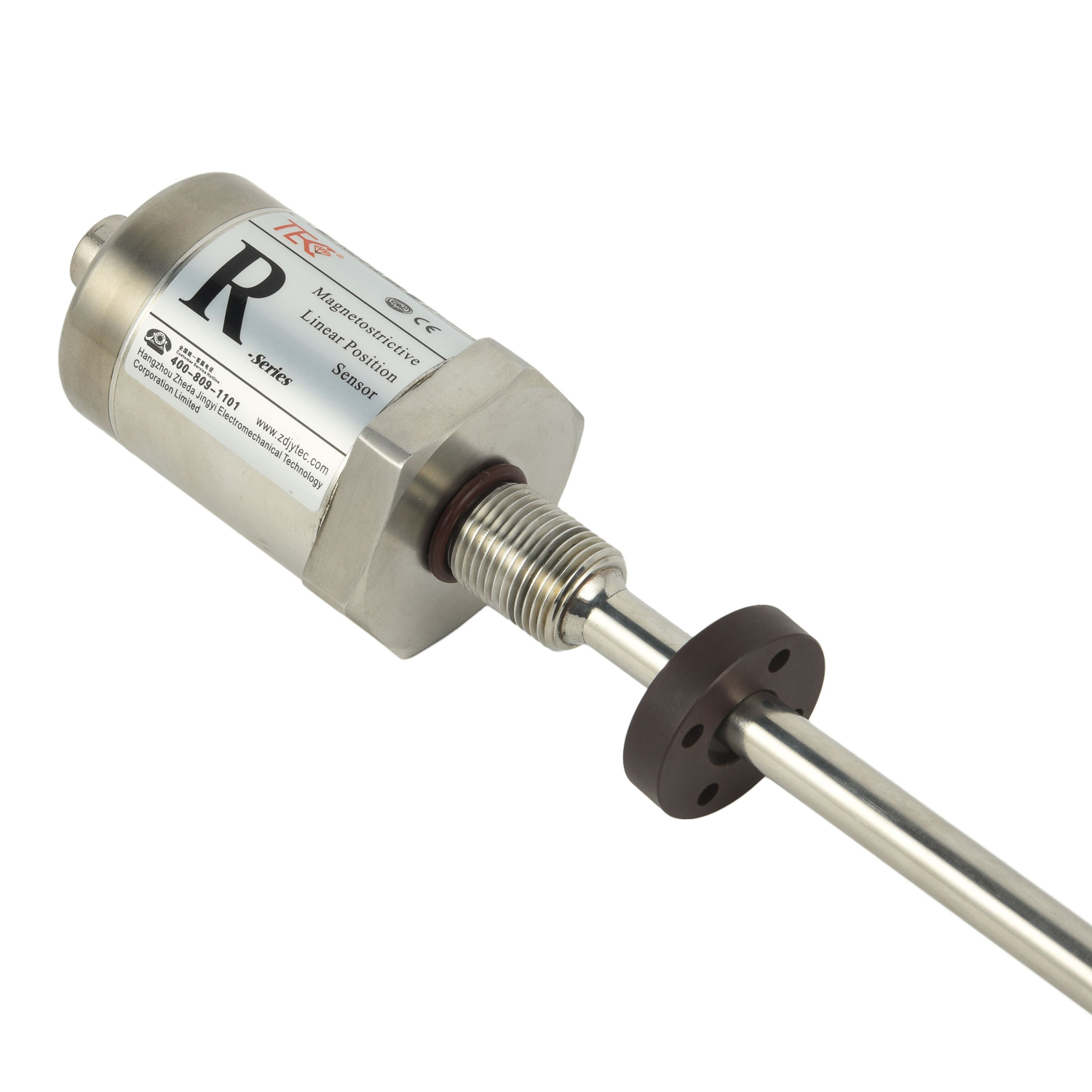
Magnetostrictive level gauges operate through a sophisticated principle involving magnetic fields and torsion waves. A current pulse sent through a wire inside the probe interacts with a magnetic float positioned on the liquid surface. This interaction generates a torsional wave that travels back to the sensor head, enabling precise level detection. While this technology delivers exceptional accuracy for clean liquids, its electrical components present inherent risks in volatile environments where flammable vapors or combustible dust may be present.
Primary Safety Concerns in Hazardous Environments
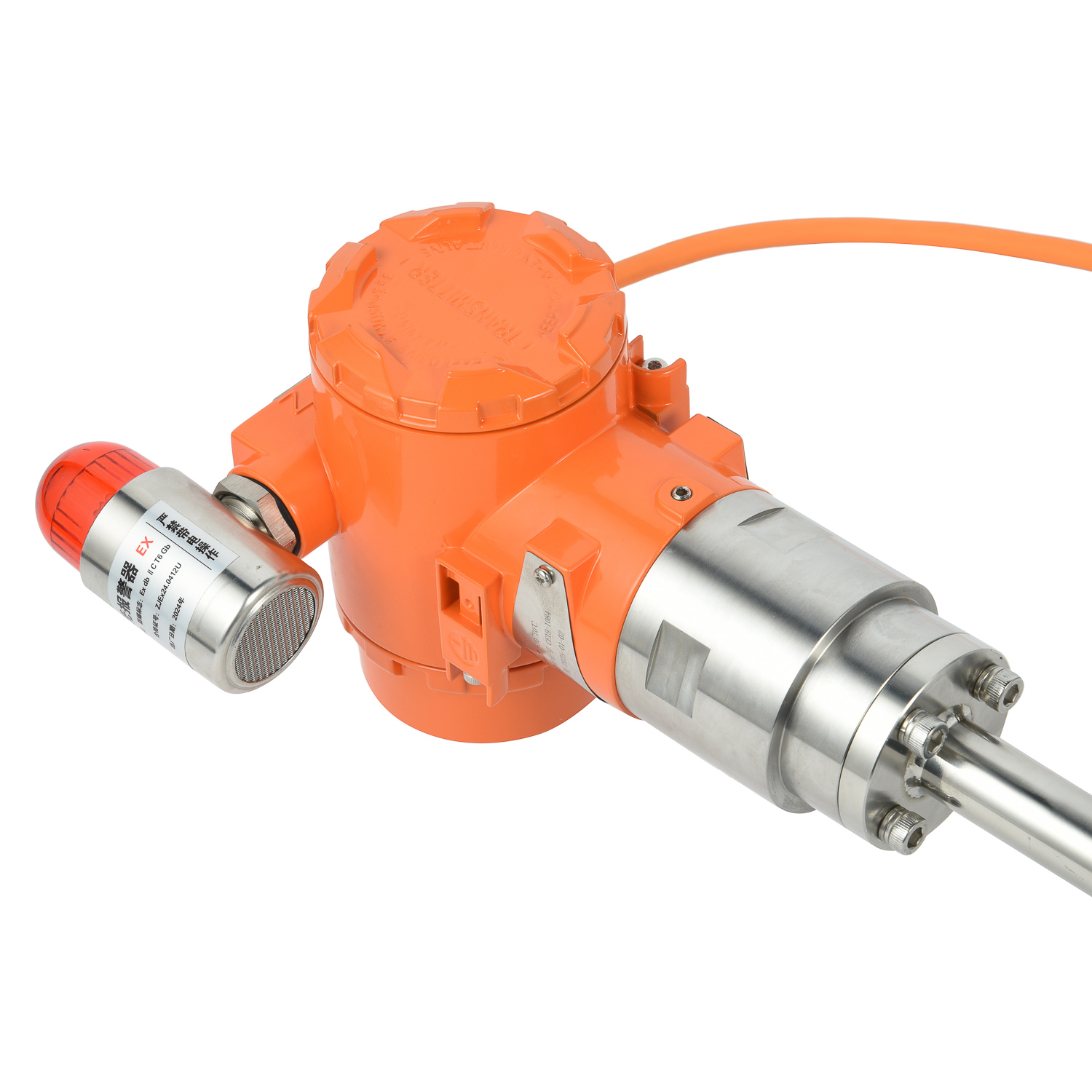
The core issue with magnetostrictive gauges lies in their potential to generate sparks or excessive heat. Even minimal electrical energy discharge could ignite flammable substances commonly found in chemical processing plants, refineries, and fuel storage facilities. International safety standards like ATEX and IECEx strictly regulate equipment used in explosive atmospheres. Magnetostrictive devices often fail to meet these rigorous certification requirements without extensive and costly modifications, making them impractical for many high-risk applications.
Comparative Risks With Alternative Technologies
When evaluated against competing technologies like radar level transmitters or servo gauges, magnetostrictive systems demonstrate higher intrinsic risk profiles. Radar instruments operate without direct liquid contact using microwave signals, while servo gauges employ mechanically driven floats with minimized electrical components. These alternatives typically achieve higher safety certifications and provide adequate accuracy without compromising protection in classified hazardous zones where the slightest ignition source could trigger catastrophic events.
Industry Regulations and Compliance Challenges
Global regulatory frameworks continue to tighten requirements for equipment in hazardous locations. Organizations like OSHA and NFPA mandate explosion-proof instrumentation in designated areas. Magnetostrictive gauges frequently require additional protective enclosures and complex installation procedures to meet these standards. The cumulative cost of safety enhancements often outweighs the technology's benefits, leading engineering teams to select inherently safer alternatives during facility design and instrumentation selection processes.
Practical Alternatives for Restricted Applications
Facilities prohibiting magnetostrictive technology have multiple proven alternatives. Non-contact radar level transmitters excel in chemical applications, while ultrasonic sensors serve well in non-volatile liquid storage. For high-accuracy requirements in hydrocarbon processing, servo gauges and guided wave radar systems provide reliable measurements with certified explosion-proof designs. These technologies deliver comparable performance while maintaining compliance with international safety standards, ensuring operational continuity without compromising protection.
Future Outlook and Technological Evolution
As safety regulations evolve and process industries prioritize risk reduction, magnetostrictive gauge manufacturers face increasing pressure to develop intrinsically safe versions. Recent innovations include improved isolation techniques and low-energy designs, though widespread acceptance in hazardous areas remains limited. The industry continues shifting toward non-contact measurement solutions that eliminate spark hazards entirely, suggesting permanent displacement of magnetostrictive technology from high-risk applications unless revolutionary safety breakthroughs emerge.
 Graybus Cable Fault
 Field Application of Graybus C
 Model and Specification of Gra
 Import Substitute Graybus Cabl