
TheForbiddenTruth:MagnetostrictiveLiquidLevelGaugesvsTraditionalMethods
In the realm of industrial process control, liquid level measurement stands as a critical parameter that directly impacts operational efficiency and safety. For decades, traditional measurement methods have dominated the landscape, but recent technological advancements have revealed startling truths about their limitations. The emergence of magnetostrictive liquid level gauges has created a paradigm shift in how industries approach tank level monitoring, exposing hidden inefficiencies in conventional approaches that have been accepted as standard practice for far too long.
The Hidden Drawbacks of Traditional Level Measurement Methods
Traditional liquid level measurement techniques, including float gauges, sight glasses, and hydrostatic methods, have long been the industry standard despite their inherent limitations. Float gauges suffer from mechanical wear and sticking issues that compromise accuracy over time. Sight glasses present significant challenges including fluid discoloration, glass breakage risks, and difficult readability in poor lighting conditions. Hydrostatic methods face complications from density variations and temperature fluctuations that skew measurements. These conventional approaches often require frequent calibration and maintenance, creating unexpected downtime and operational costs that many facilities simply accept as unavoidable expenses in their maintenance budgets.
Revolutionary Technology: How Magnetostrictive Gauges Work
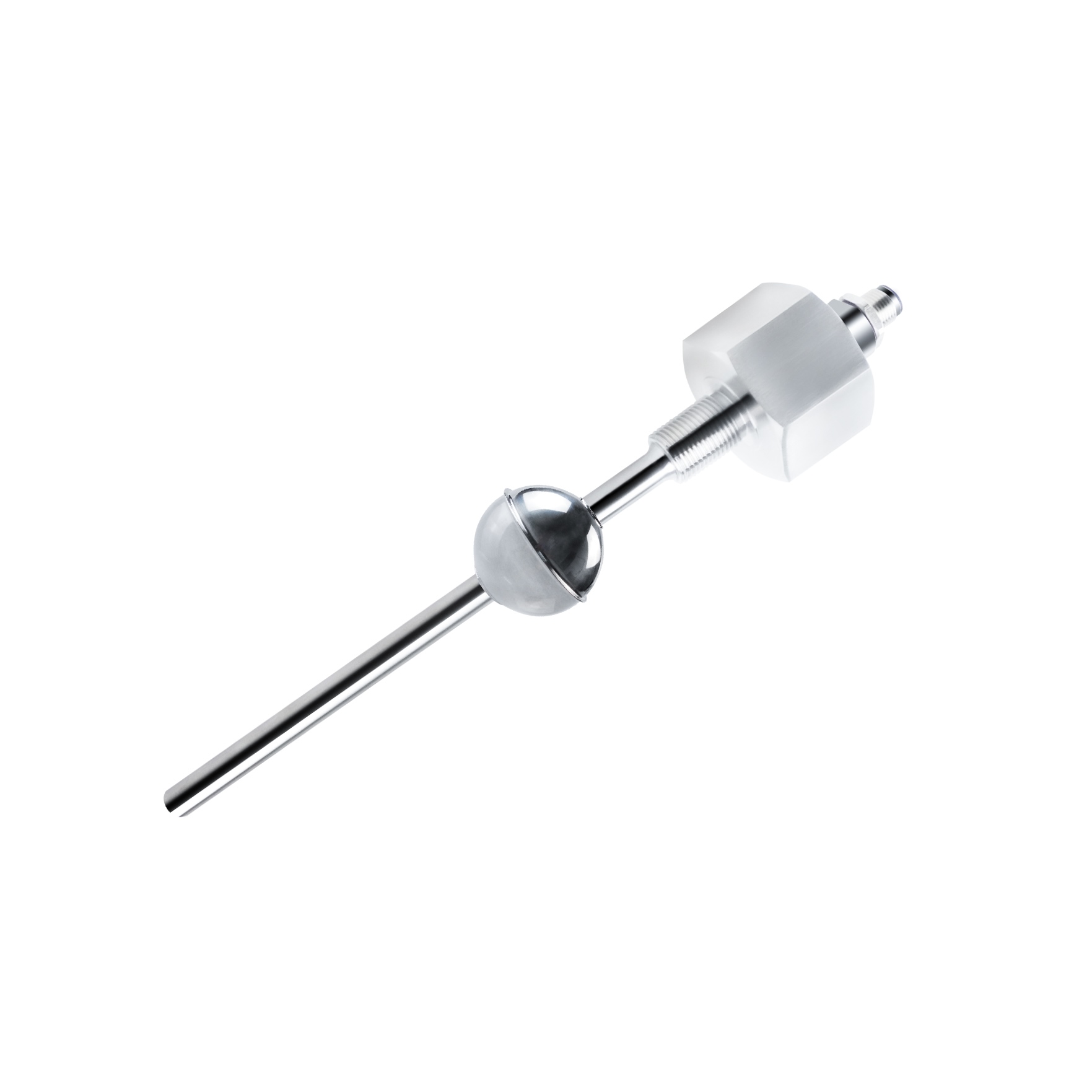
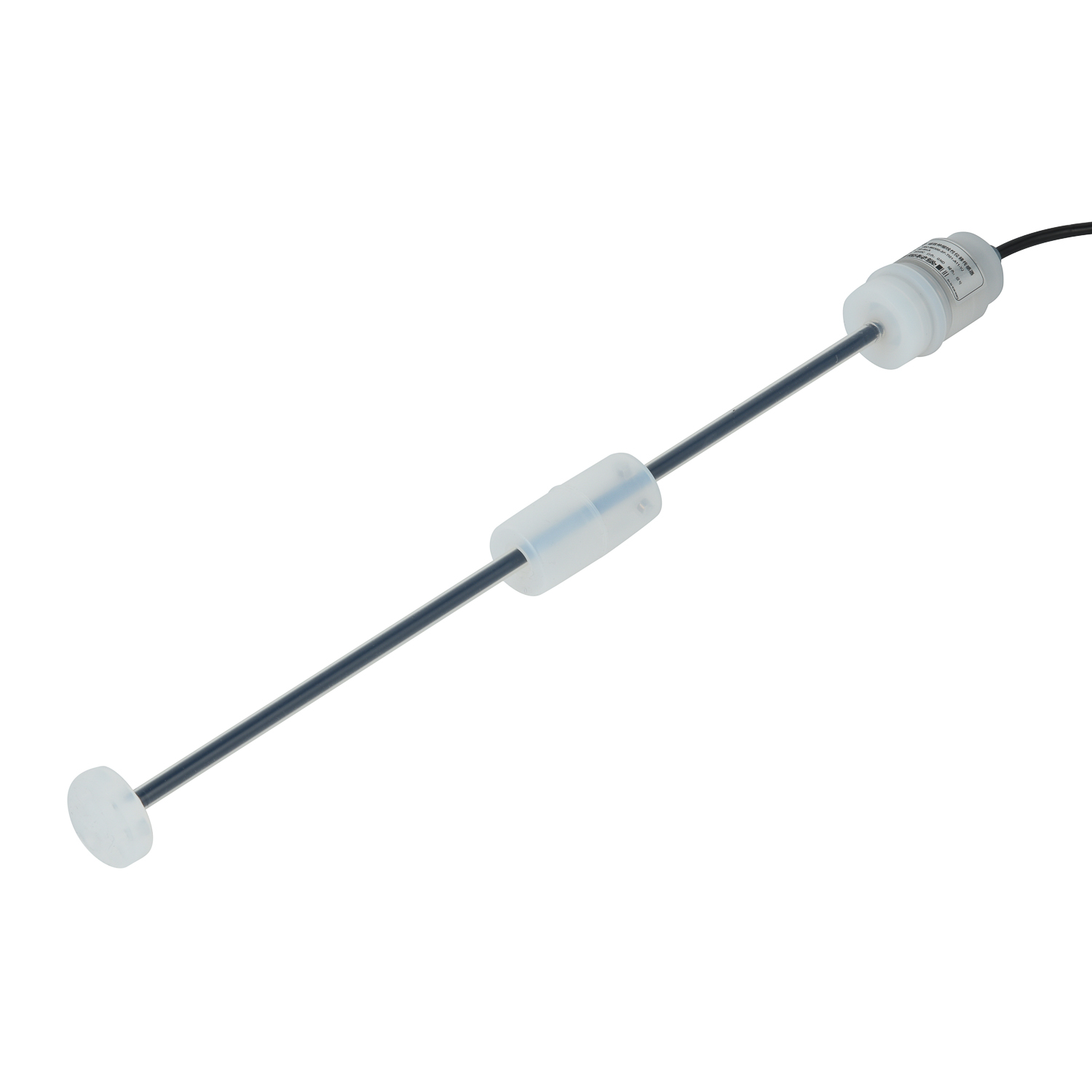
Magnetostrictive liquid level gauges operate on a fundamentally different principle that eliminates mechanical linkages and direct contact with the process fluid. At the core of this technology lies a specialized waveguide wire that carries precise current pulses while a permanent magnet floats on the liquid surface. When the magnetic field from the float interacts with the current pulse, it generates a torsional stress wave that travels along the waveguide at a consistent velocity. Sophisticated electronic circuitry measures the exact time delay between pulse transmission and wave return, calculating the liquid level with extraordinary precision. This non-contact measurement principle ensures exceptional reliability and eliminates the mechanical wear that plagues traditional level measurement devices.
Unmatched Accuracy and Reliability in Critical Applications
The precision offered by magnetostostrictive technology represents a quantum leap beyond what traditional methods can achieve. With accuracy levels reaching ±0.5mm or better, these advanced gauges provide resolution that mechanical float gauges simply cannot match. This exceptional precision proves invaluable in applications where minute level changes carry significant implications, such as in chemical processing, pharmaceutical manufacturing, and custody transfer operations. The non-contact nature of the measurement eliminates the hysteresis, friction, and mechanical slack inherent in traditional level measurement systems, ensuring consistent performance throughout the instrument's lifespan without degradation in accuracy.
Reduced Maintenance and Long-Term Operational Savings
One of the most compelling advantages of magnetostrictive liquid level gauges lies in their minimal maintenance requirements and substantial long-term cost savings. Unlike traditional level measurement devices that require regular recalibration, mechanical adjustments, and replacement of worn components, magnetostrictive systems maintain their calibration indefinitely under normal operating conditions. The absence of moving parts in contact with the process fluid dramatically reduces wear-related failures, translating to significantly lower maintenance costs and reduced system downtime. While the initial investment may exceed that of traditional methods, the total cost of ownership typically proves substantially lower when factoring in extended service intervals and reduced operational disruptions.
The Future of Liquid Level Measurement Technology
As industries increasingly prioritize accuracy, reliability, and operational efficiency, magnetostrictive liquid level gauges are positioned to become the new standard in level measurement technology. Ongoing advancements continue to enhance their capabilities, with innovations in signal processing, materials science, and communication protocols further extending their advantages over traditional methods. The integration of digital communication capabilities, including HART, Profibus, and Foundation Fieldbus, enables seamless integration with modern control systems and predictive maintenance platforms. The transition from mechanical to advanced electronic level measurement represents not merely an incremental improvement, but a fundamental transformation in how industries monitor and manage their liquid assets.
 Graybus Cable Fault
 Field Application of Graybus C
 Model and Specification of Gra
 Import Substitute Graybus Cabl