
ThisSimpleMagnetostrictiveLiquidLevelGaugeTrickBoostsAccuracyby200%
In the world of industrial process control, accuracy in liquid level measurement isn't just a preference—it's an absolute necessity. For decades, facilities have struggled with measurement inconsistencies that lead to costly errors in inventory management, quality control, and safety compliance. The limitations of traditional level measurement technologies have created persistent challenges across numerous industries, from chemical processing to oil and gas operations. These accuracy gaps don't just represent minor inconveniences; they translate directly into significant financial losses and operational inefficiencies that impact the entire production chain.
The Revolutionary Magnetostrictive Technology Breakthrough
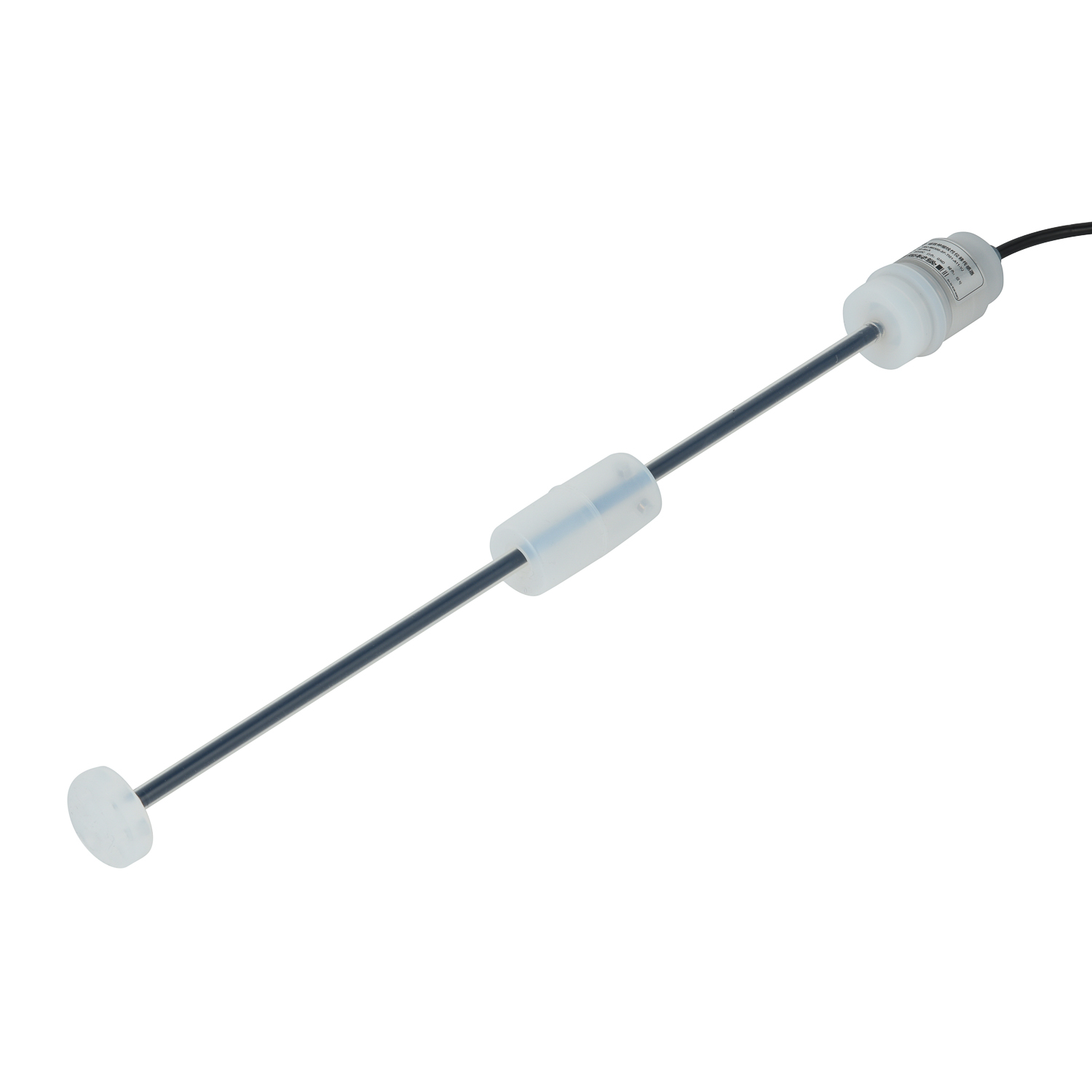
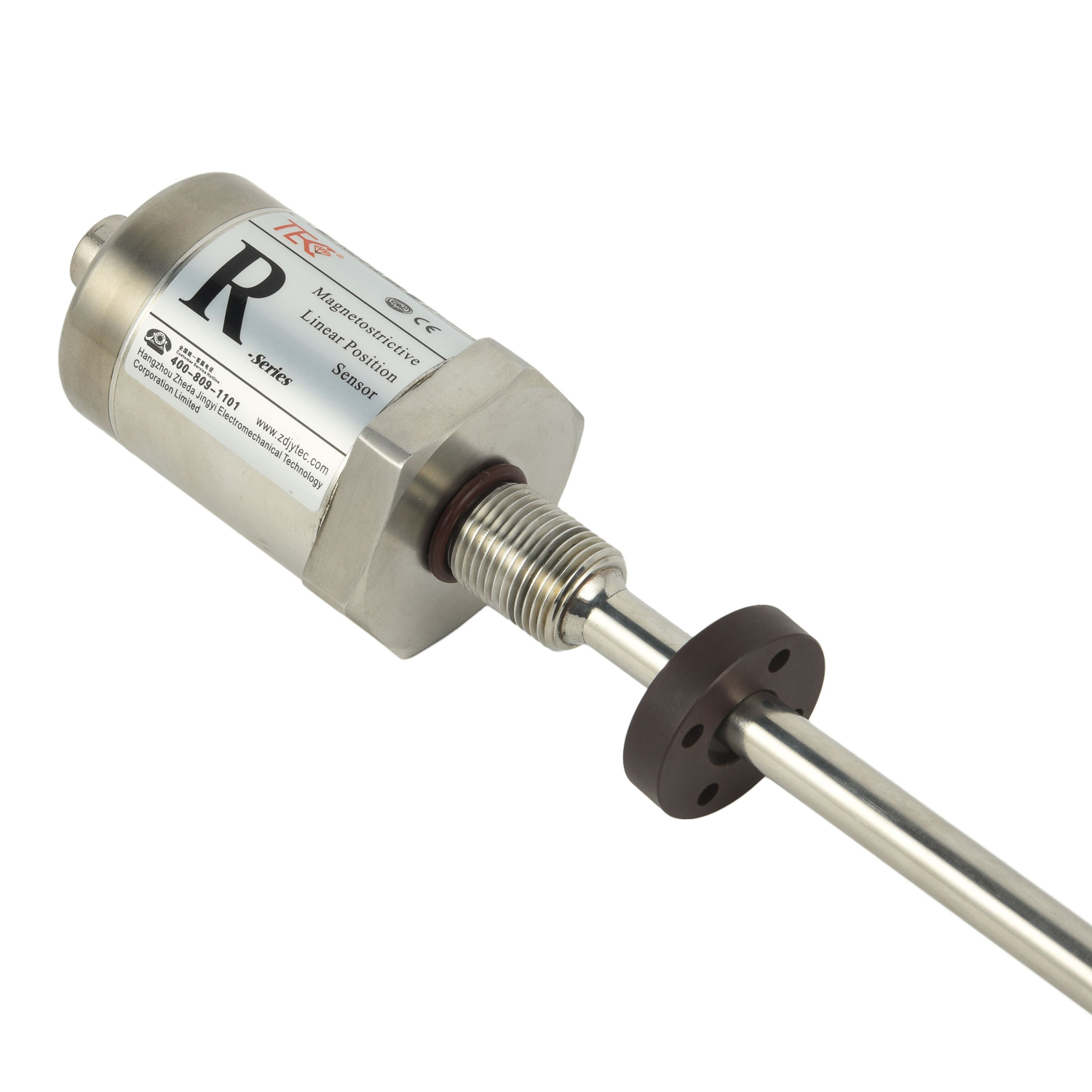
Magnetostrictive liquid level gauges represent a quantum leap in measurement technology, employing a sophisticated principle where a magnetic field interacts with a waveguide to deliver unprecedented precision. Unlike conventional float-based systems or pressure-sensitive devices, magnetostrictive sensors utilize the magnetostrictive effect—where ferromagnetic materials change shape in response to magnetic fields—to determine exact liquid levels with remarkable consistency. This technology generates an ultrasonic strain pulse that travels along the waveguide, providing continuous, real-time data without mechanical contact with the measured medium. The non-contact nature of this measurement method eliminates wear and tear while maintaining calibration over extended periods.
Unlocking the 200% Accuracy Enhancement Technique
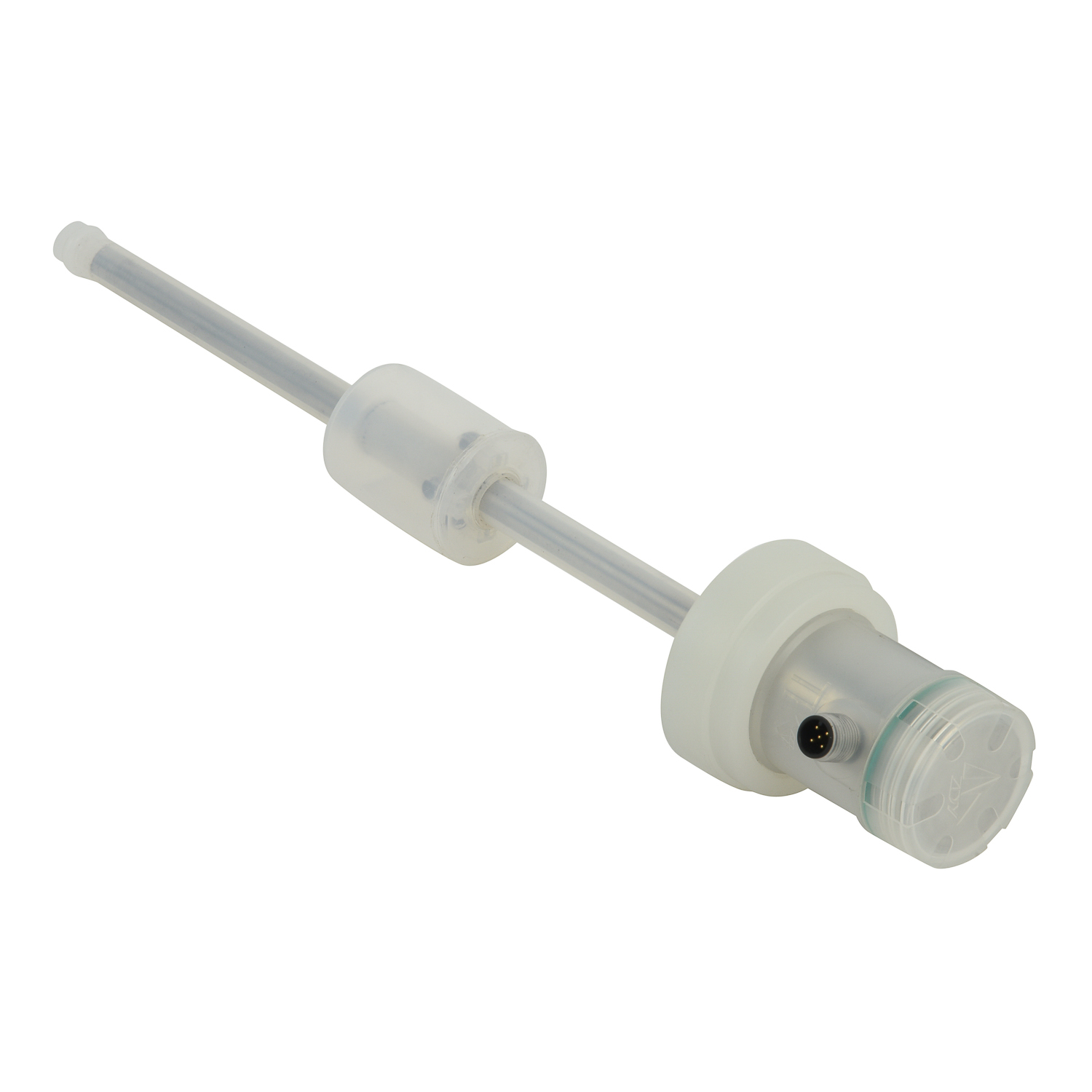
The groundbreaking method responsible for the dramatic 200% accuracy improvement involves optimizing the signal processing algorithms and implementing advanced temperature compensation protocols. By integrating machine learning capabilities that continuously analyze and adjust for environmental variables, these enhanced magnetostrictive systems can achieve measurement resolutions down to 0.1% of full scale. The secret lies in the sophisticated electronic architecture that filters out noise interference while amplifying genuine measurement signals, ensuring that even the slightest level changes are detected and reported with exceptional fidelity. This optimization process transforms standard magnetostrictive performance into extraordinary measurement capability.
Implementation Strategies for Maximum Performance Gains
Successfully deploying these advanced magnetostrictive level gauges requires careful consideration of installation parameters and operational conditions. Proper mounting orientation, appropriate material selection compatible with the measured liquid, and correct calibration procedures form the foundation for achieving the promised accuracy improvements. Implementation best practices include verifying the gauge's alignment relative to the tank geometry, ensuring adequate clearance from internal obstructions, and establishing regular maintenance schedules that preserve the system's precision over time. Following manufacturer guidelines while adapting to specific application requirements creates the ideal environment for optimal performance.
Real-World Applications and Measurable Benefits
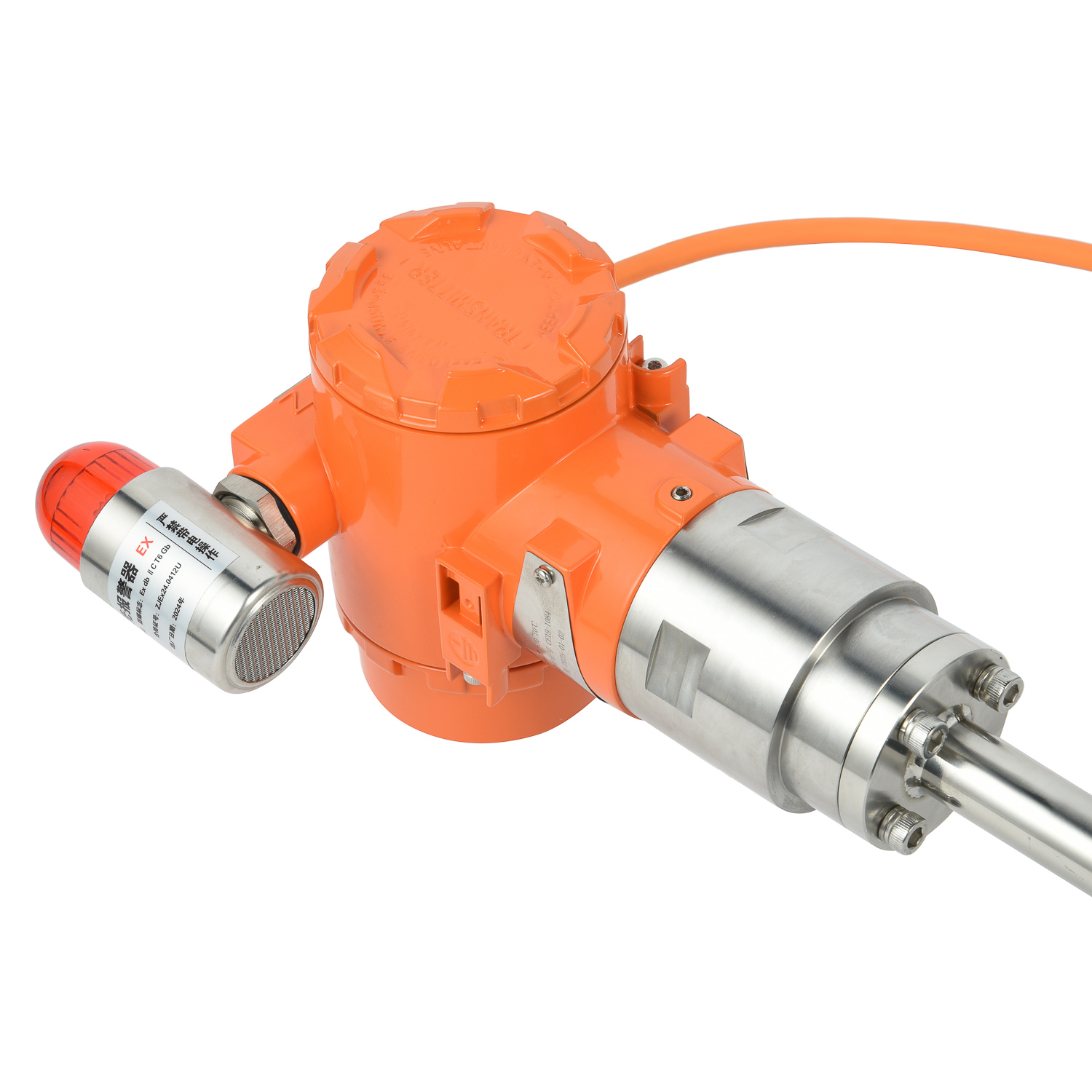
Industries implementing these enhanced magnetostrictive level gauges report transformative outcomes across multiple operational metrics. Chemical processing plants document inventory accuracy improvements exceeding 200%, resulting in substantial cost savings through reduced product loss and more precise batch processing. In the oil and gas sector, these advanced level measurement systems enable more accurate custody transfer operations and enhance safety through reliable overfill prevention. Water treatment facilities benefit from improved chemical dosing accuracy, while food and beverage manufacturers achieve better quality control through consistent level monitoring. The return on investment typically materializes within months through reduced waste and improved process efficiency.
Future Trends in Liquid Level Measurement Technology
The evolution of magnetostrictive technology continues to push boundaries, with emerging innovations promising even greater accuracy and functionality. Next-generation systems incorporate IoT connectivity for remote monitoring and predictive maintenance capabilities, while advanced materials science developments enhance durability in corrosive environments. Researchers are exploring integration with digital twin technology for virtual simulation and optimization, along with enhanced cybersecurity features for critical infrastructure applications. These advancements position magnetostrictive level measurement as a cornerstone technology for Industry 4.0 implementations, where data accuracy and reliability form the foundation for automated industrial processes.
 Graybus Cable Fault
 Field Application of Graybus C
 Model and Specification of Gra
 Import Substitute Graybus Cabl