
TheShockingTruthAboutMagnetostrictiveLiquidLevelGaugesThatNoOneTellsYou
The Hidden Accuracy Limitations
While manufacturers often boast about the high precision of magnetostrictive level gauges, the reality is more complex. These devices typically claim accuracy within ±0.5mm, but this specification depends heavily on ideal conditions that rarely exist in industrial environments. Temperature fluctuations, material density changes, and mechanical vibrations can significantly impact performance. The truth is, what you see in laboratory specifications doesn't always translate to field operations. Many users discover too late that their gauge's actual accuracy falls short by 20-30% under real-world conditions.
Installation Pitfalls You Must Avoid
The installation process presents numerous challenges that manufacturers seldom discuss. Proper alignment is absolutely critical - even a slight deviation from vertical can cause measurement errors exceeding 5%. Many installation teams underestimate the importance of proper mounting hardware and foundation support. The floating magnet must move freely without obstruction, yet many tanks contain internal structures that interfere with operation. Furthermore, the probe length limitations mean custom solutions often come with hidden costs and extended delivery times.
Maintenance Realities Manufacturers Hide
Maintenance requirements for magnetostrictive level gauges are far more demanding than most suppliers admit. The floating magnet assembly requires regular cleaning and inspection, particularly in applications involving viscous or dirty liquids. The electronics housing, while often rated IP67 or higher, can develop seal degradation over time, leading to moisture ingress and sensor failure. Many users discover that the promised "maintenance-free" operation actually involves quarterly inspections and annual calibrations to maintain accuracy.
The True Cost of Ownership

Beyond the initial purchase price lies a landscape of hidden expenses that dramatically affect total cost of ownership. While magnetostrictive technology appears cost-effective compared to radar or ultrasonic alternatives, the long-term expenses tell a different story. Replacement floats can cost hundreds of dollars, and specialized calibration equipment requires significant investment. Downtime during maintenance or recalibration represents another substantial hidden cost that manufacturers rarely quantify in their initial proposals.
Environmental Vulnerability Factors
Industrial environments present challenges that product brochures deliberately downplay. Temperature extremes can cause probe material expansion or contraction, introducing measurement errors. Aggressive chemical environments can corrode the probe or damage the float magnet over time. High-vibration applications can lead to premature failure of the waveguide and electronic components. Many users only discover these vulnerabilities after installing the gauges in challenging process conditions.
Compatibility Concerns With Modern Systems
Integration with modern control systems often reveals unexpected compatibility issues. While manufacturers claim standard 4-20mA output or digital protocols, the reality involves complex configuration software and communication protocols that may not align with existing plant systems. The need for specialized interface modules and configuration tools adds unexpected costs and complexity. Many plants discover that their existing staff requires extensive training to properly configure and maintain these sophisticated instruments.
Reliability Myths Versus Reality
The promised 10-year service life often proves optimistic in demanding applications. Continuous operation in harsh conditions can reduce actual lifespan to 3-5 years before requiring major component replacement. The electronics module, while theoretically reliable, often falls victim to power surges, ground loops, and electromagnetic interference common in industrial settings. The reality is that these devices require more frequent replacement and repair than manufacturers typically disclose during sales presentations.
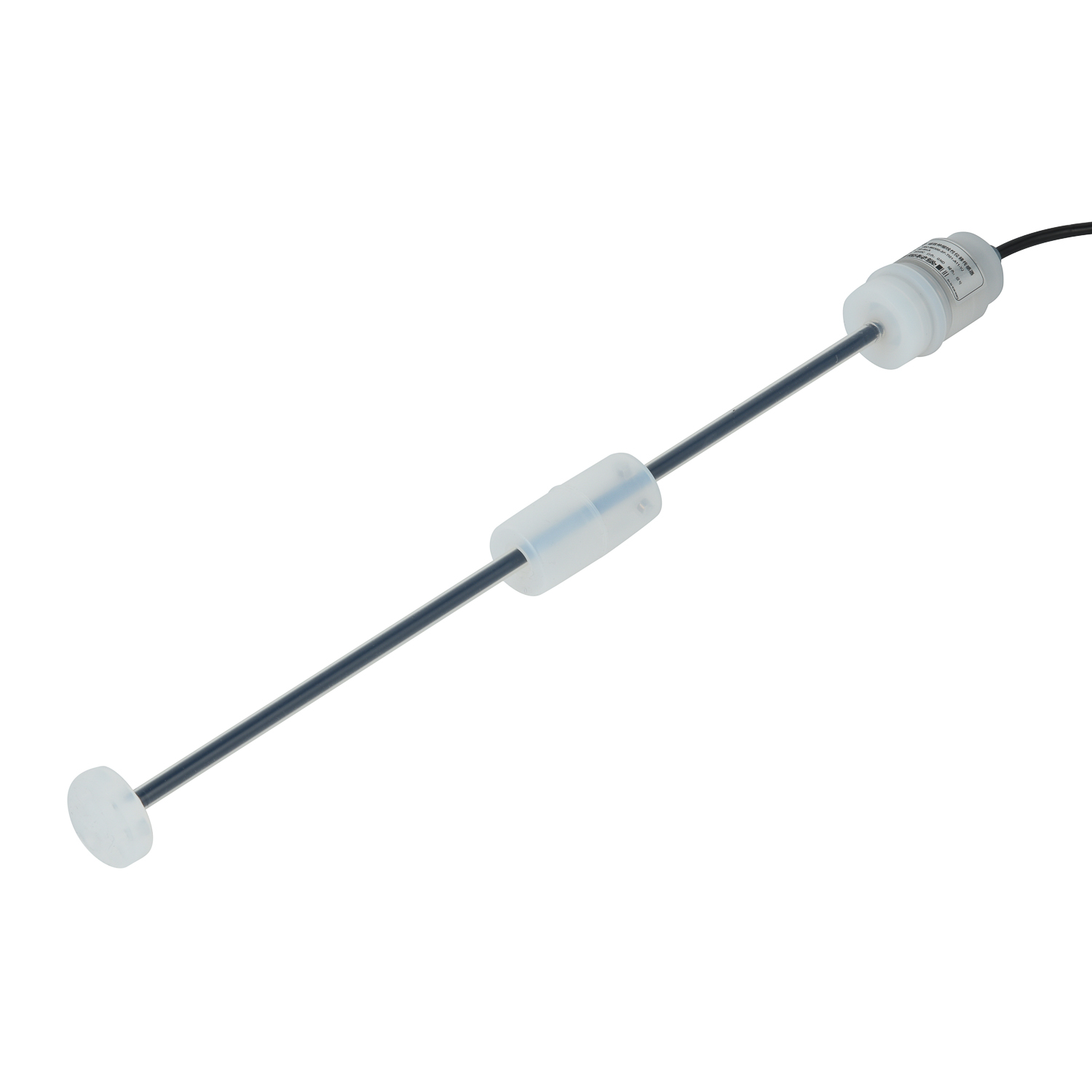 Graybus Cable Fault
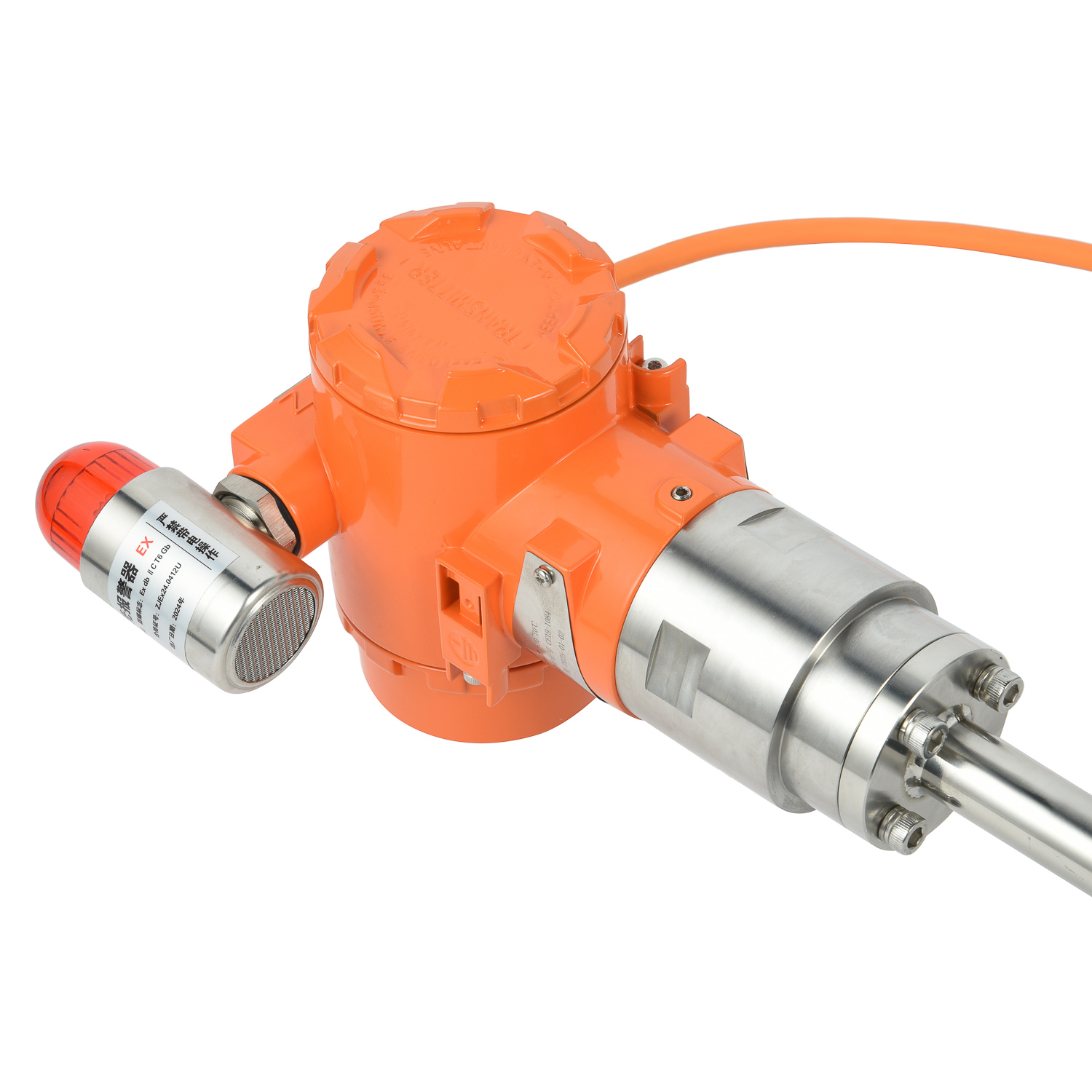 Field Application of Graybus C
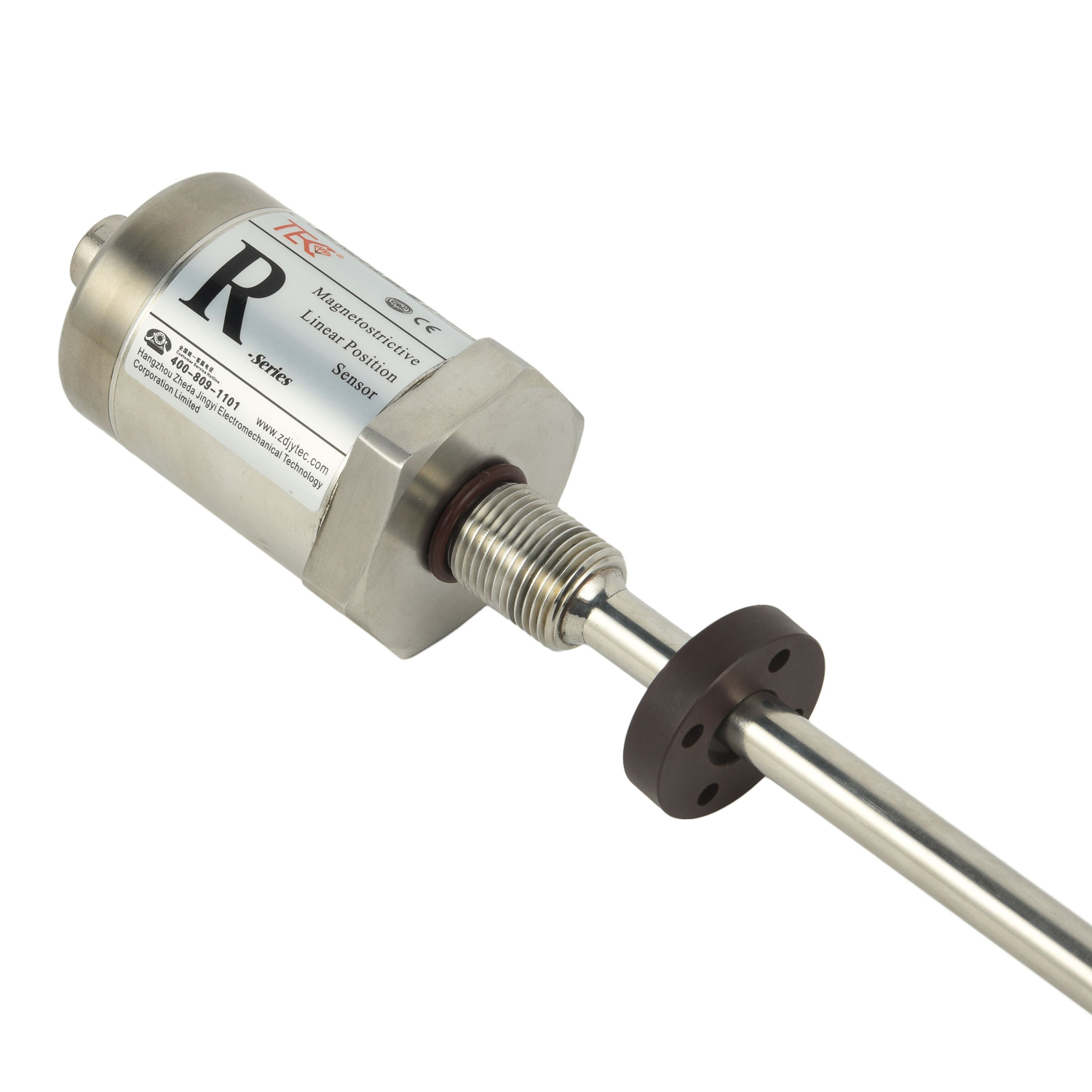 Model and Specification of Gra
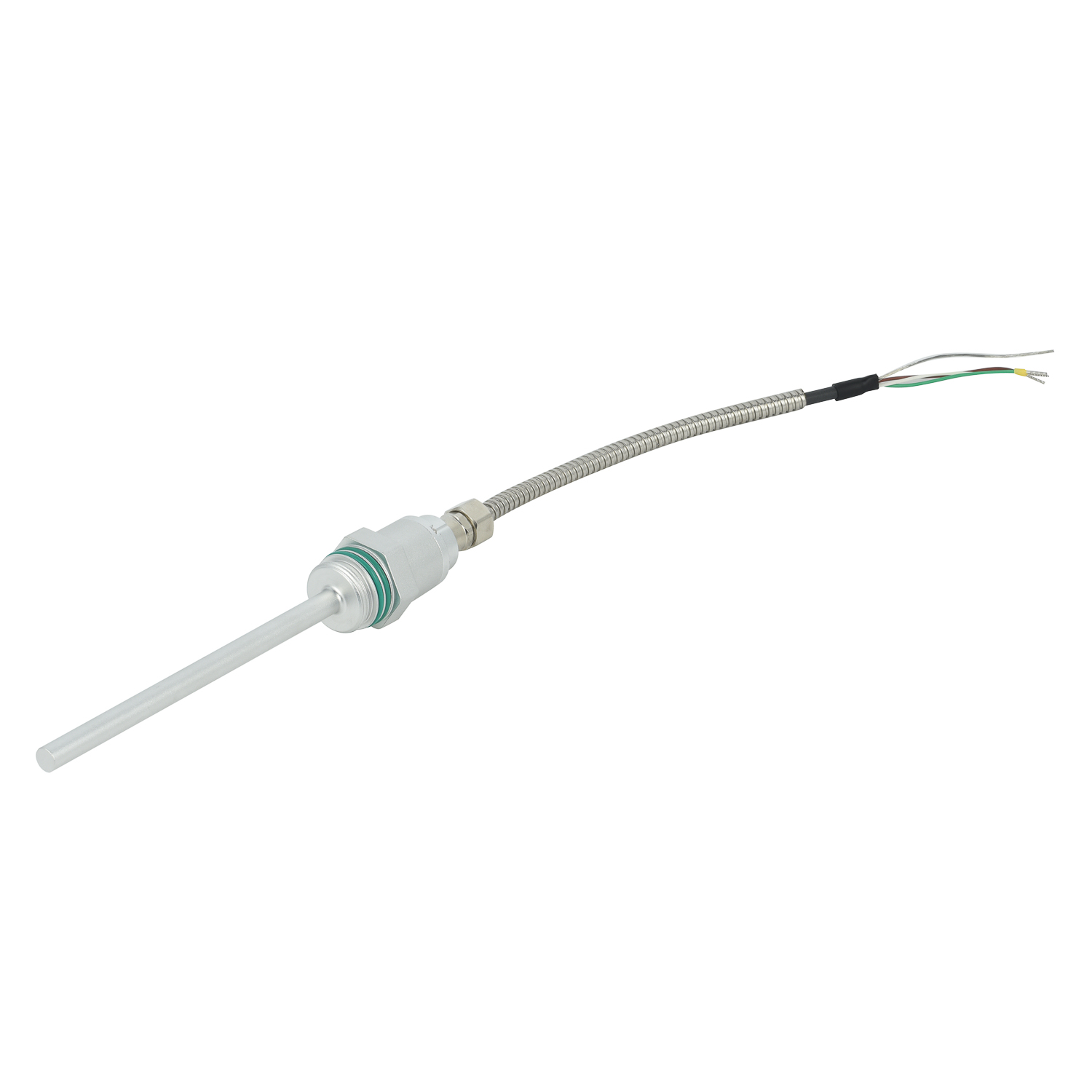 Import Substitute Graybus Cabl