
IsYourStorageTank'sLiquidLevelDataLying?TheMagnetostrictiveGaugeTruthRevealed!
Have you ever questioned the reliability of your storage tank's liquid level readings? In industrial operations where precision is paramount, inaccurate data can lead to catastrophic consequences including overfills, shortages, and substantial financial losses. Many operators blindly trust their level instrumentation without understanding the potential pitfalls and failure modes.
The Hidden Dangers of Inaccurate Level Readings
When your tank level gauge provides false data, you're essentially operating blind in critical storage scenarios. Inaccurate measurements can cause inventory miscalculations leading to millions in lost product, safety hazards from overpressure situations, and environmental contamination risks. Chemical processing plants, oil refineries, and water treatment facilities all depend on precise level data for both operational efficiency and regulatory compliance. The consequences extend beyond immediate operational issues to potential legal liabilities and damaged reputations.
How Magnetostrictive Level Gauges Actually Work
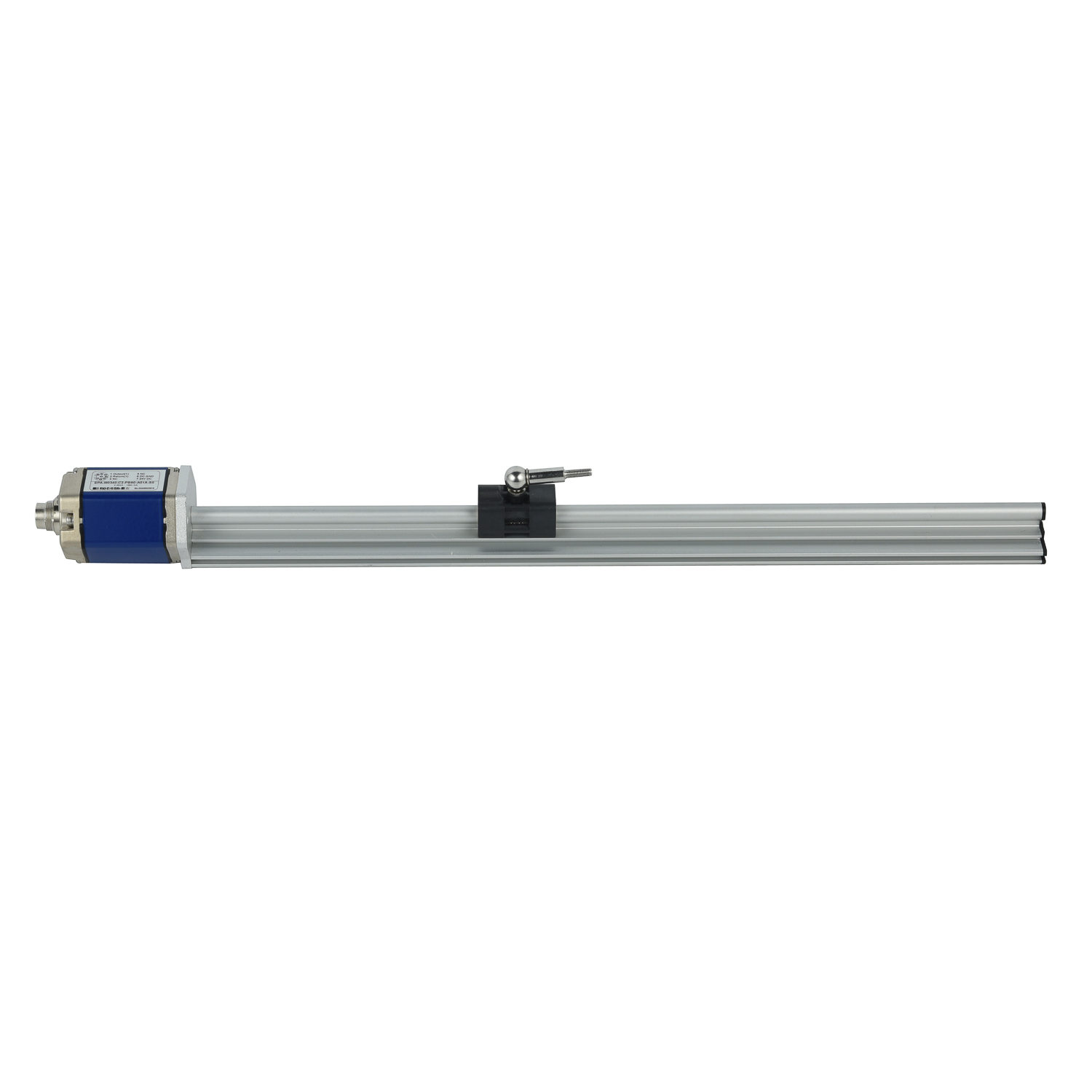
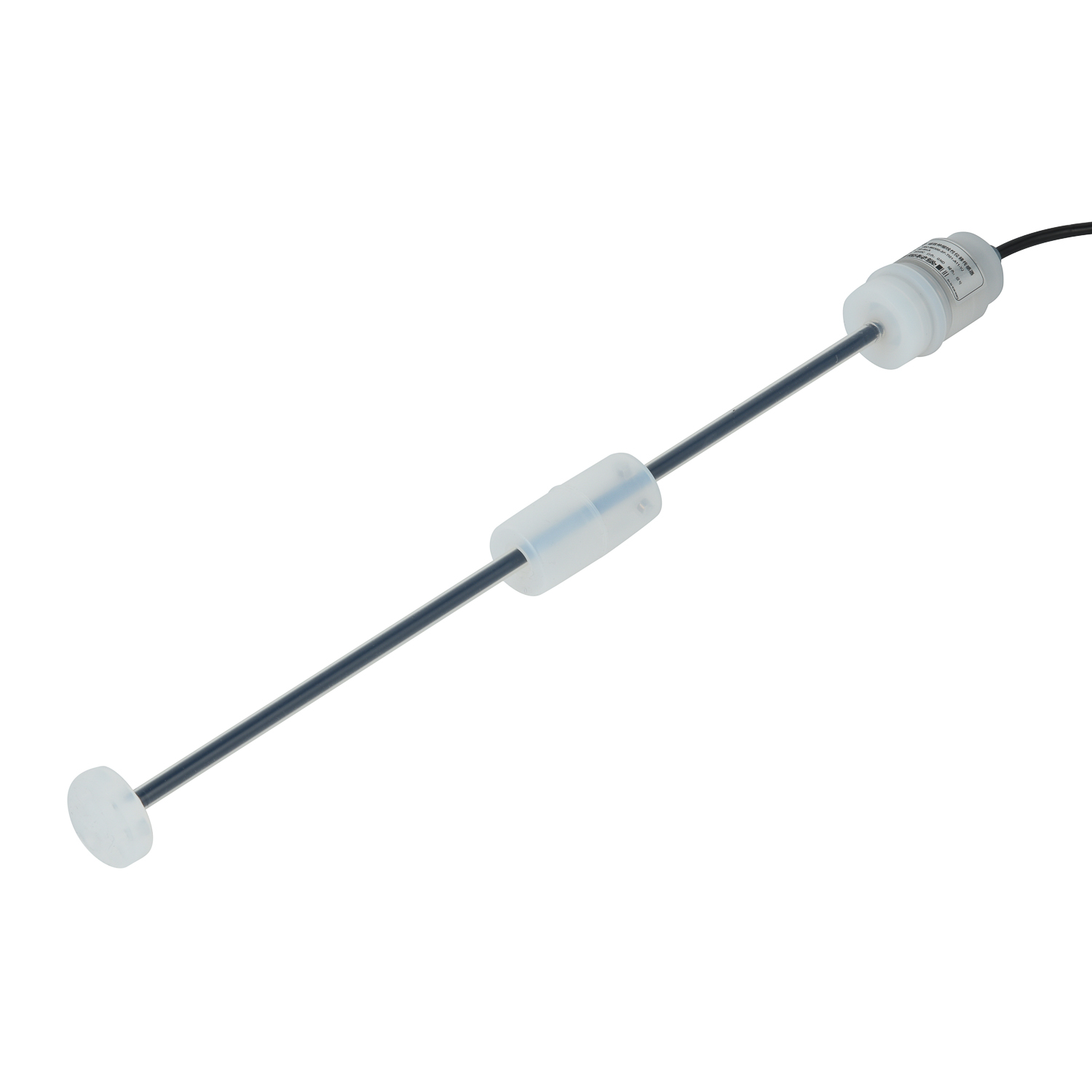
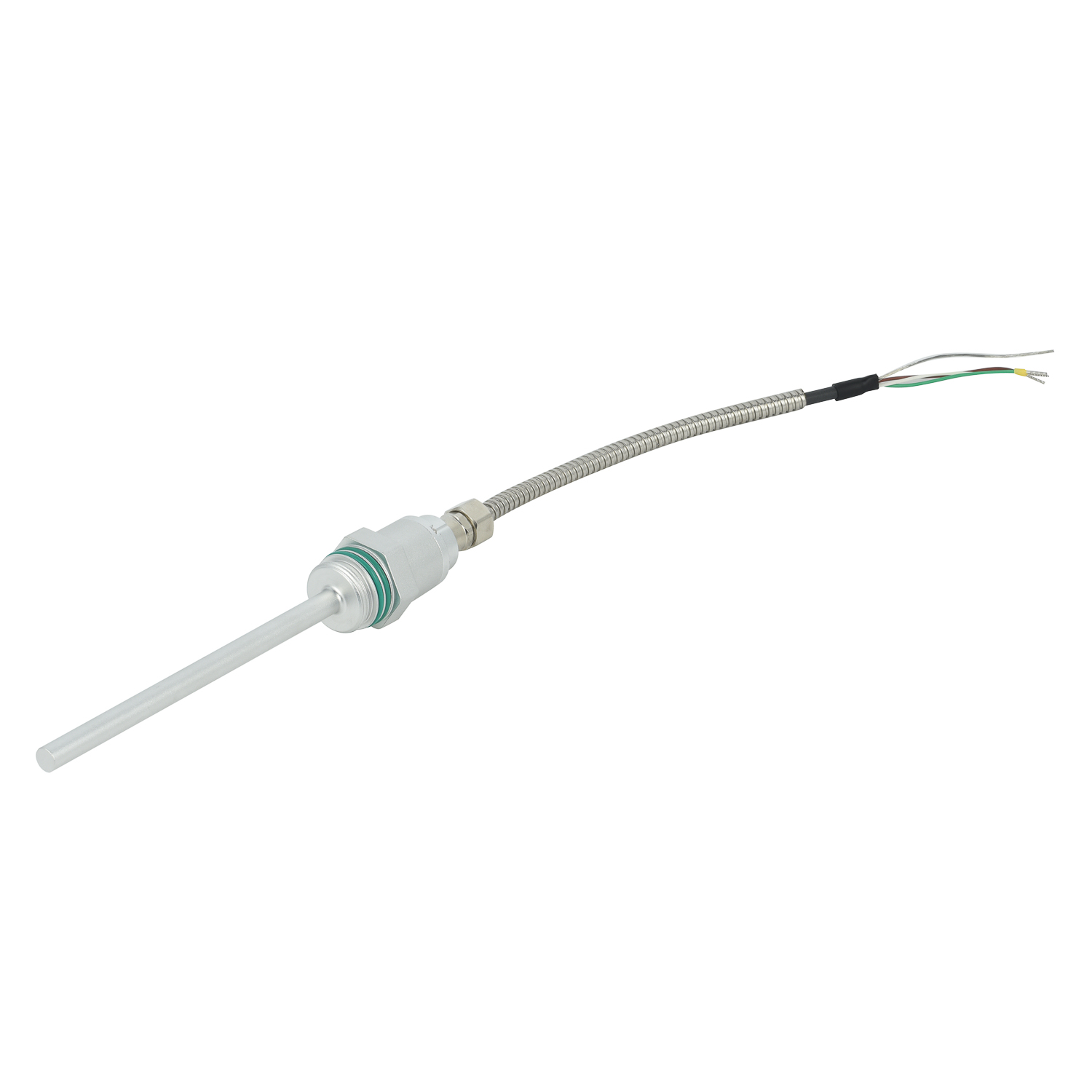
Magnetostrictive level transmitters operate on a sophisticated physical principle that combines magnetic and mechanical interactions. The system consists of a sensing rod containing a magnetostrictive wire enclosed within a protective tube. A permanent magnet ring float moves with the liquid surface, surrounding this tube. The controller sends an electrical current pulse down the wire, generating a torsional stress wave at the precise point where the float magnet's field interacts with the current pulse. By measuring the time between pulse transmission and wave return, the system calculates the exact float position with remarkable precision, typically within millimeter accuracy.
Common Causes of Magnetostrictive Gauge Failure
Despite their technological sophistication, magnetostrictive level gauges can fail for numerous reasons. Mechanical binding of the float assembly often occurs due to material buildup, corrosion, or physical damage to the guide pipe. Electronic failures may stem from compromised wiring, power surges, or controller malfunctions. Temperature extremes can cause expansion or contraction inconsistencies between components, while aggressive chemicals might degrade the float integrity or affect magnetic properties. Improper installation remains one of the most frequent causes of persistent accuracy problems.
Calibration Drift: The Silent Data Killer
Many operators overlook the gradual nature of calibration drift in magnetostrictive level measurement systems. Unlike sudden failures, calibration drift occurs incrementally, making it particularly dangerous as it often goes unnoticed until significant errors accumulate. Temperature cycling, vibration exposure, and normal component aging all contribute to this phenomenon. Regular verification against manual tank strapping or master gauges is essential to detect and correct these subtle changes before they impact operational decisions.
Environmental Factors That Distort Your Readings
Storage tank environments present numerous challenges that can compromise level gauge accuracy. Extreme temperatures affect both the physical dimensions of components and electronic signal processing. Vibration from pumps, mixers, or nearby equipment can introduce measurement noise and mechanical wear. Product density changes, interface layers between immiscible liquids, and turbulence during filling operations all create conditions where even sophisticated magnetostrictive technology may provide misleading data unless properly configured for these variables.
Maintenance Practices for Reliable Level Data
Proactive maintenance dramatically extends magnetostrictive gauge reliability and accuracy. Establish regular inspection schedules for float movement freedom and verify electrical connections integrity. Implement quarterly calibration checks against certified reference instruments, and maintain detailed historical performance records to identify developing trends. Training operations personnel to recognize early warning signs like fluctuating readings or increased calibration adjustments can prevent minor issues from escalating into major measurement failures.
Upgrading Your Tank Level Monitoring System
When persistent accuracy issues continue despite proper maintenance, consider technological upgrades to your level measurement system. Modern magnetostrictive transmitters offer enhanced diagnostics, digital communication protocols, and improved materials resistant to specific process conditions. Integration with tank inventory management systems provides automated data validation and alert functions. Sometimes complementing magnetostrictive gauges with secondary measurement technologies creates a robust system where multiple instruments validate each other's readings.
Trust But Verify: Implementing Data Validation Protocols
The most sophisticated level gauge remains vulnerable to undetected errors without proper verification protocols. Implement regular cross-checks using manual tank gauging, mass measurement systems, or redundant electronic sensors. Statistical process control techniques applied to level data can identify developing problems before they become critical. Establish clear procedures for responding to discrepancies between different measurement methods, ensuring that personnel have both authority and responsibility for data quality assurance.
Future Trends in Tank Level Measurement Technology
The evolution of storage tank monitoring continues toward greater intelligence and connectivity. Next-generation magnetostrictive systems incorporate self-diagnostic capabilities that predict maintenance needs before failures occur. Wireless technologies reduce installation costs while improving data accessibility. Advanced signal processing algorithms now compensate for many environmental factors that traditionally caused measurement errors. The integration of artificial intelligence for pattern recognition in level data represents the next frontier in achieving unprecedented measurement reliability.
 Graybus Cable Fault
 Field Application of Graybus C
 Model and Specification of Gra
 Import Substitute Graybus Cabl