
IsYourTankSafe?TheMagnetostrictiveLiquidLevelGaugeSecretRevealed
Understanding Tank Safety Challenges
Industrial tank safety remains a critical concern across numerous sectors, from chemical processing to oil storage facilities. The consequences of inadequate level monitoring can be catastrophic, leading to environmental hazards, operational shutdowns, and significant financial losses. Traditional measurement methods often fall short in providing the accuracy and reliability needed for modern industrial applications. Many facilities continue to rely on outdated technology that fails to deliver real-time data or withstand harsh operating conditions. This gap in monitoring capability creates vulnerabilities that can compromise entire operations. The need for advanced, dependable solutions has never been more pressing as industries face increasingly stringent safety regulations and operational demands.
What is Magnetostrictive Level Measurement?
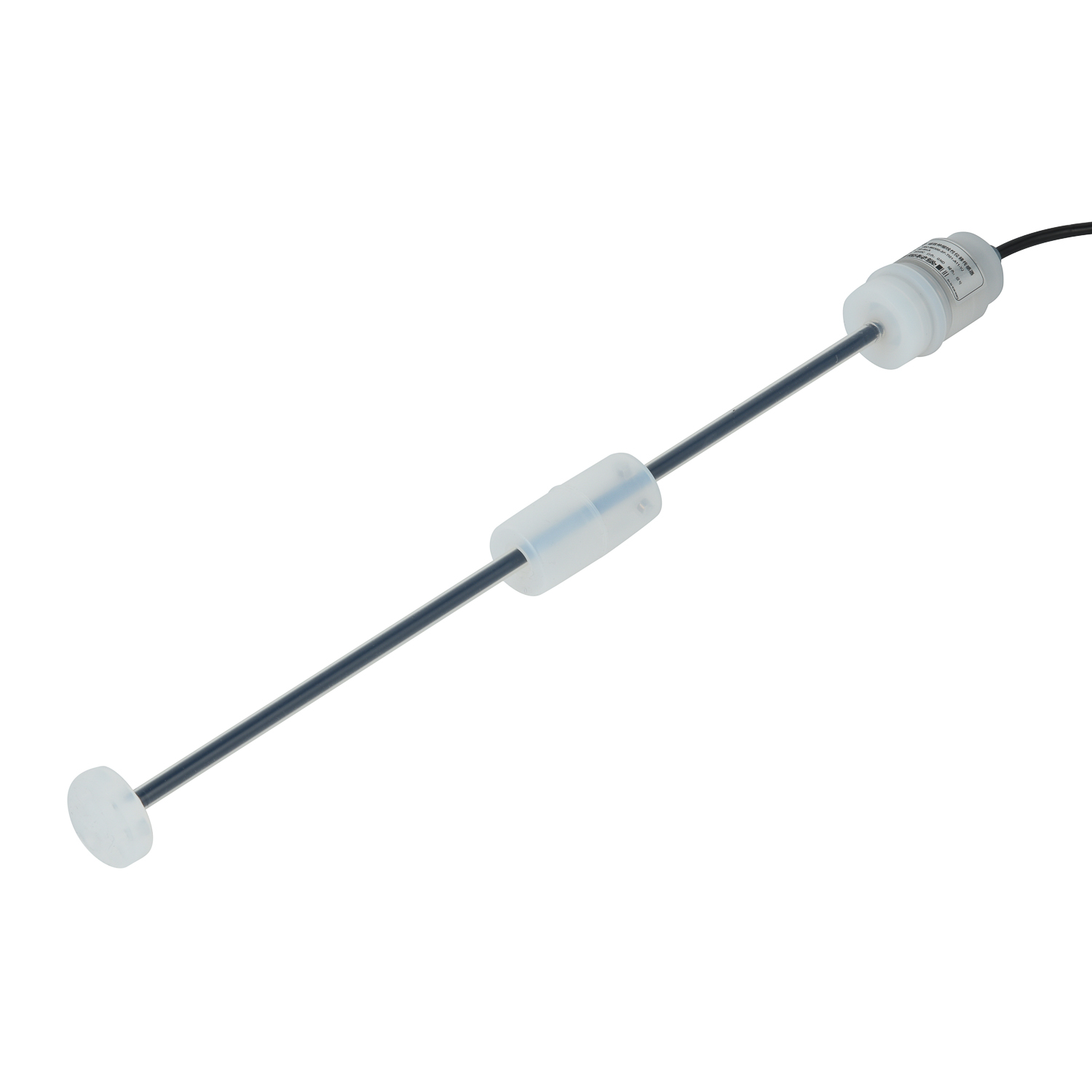
Magnetostrictive level gauges represent a technological leap in liquid level monitoring technology. These sophisticated instruments operate on the principle of magnetostriction - a property where ferromagnetic materials change their shape when exposed to magnetic fields. The system comprises three key components: a float containing permanent magnets that moves with the liquid level, a waveguide made of magnetostrictive wire, and an electronic control unit. Unlike mechanical floats or pressure-based systems, magnetostrictive gauges provide non-contact measurement with exceptional precision. The technology has evolved significantly since its inception, now offering resolutions up to 0.1mm and accuracies that surpass conventional measurement methods. This makes them ideal for applications where minute level changes carry significant implications.
The Working Principle Behind the Technology
The operational mechanism of magnetostrictive level gauges combines physics and electronics in an elegant solution. When the electronic control unit sends a current pulse through the waveguide, it generates a circumferential magnetic field along the entire length of the wire. The float's permanent magnets produce a parallel magnetic field where they position along the waveguide. When these two magnetic fields interact, they create torsional stress waves that travel along the waveguide in both directions. The time difference between sending the current pulse and receiving the returning stress wave precisely determines the float's position. This measurement occurs within microseconds, providing real-time data with remarkable consistency. The non-contact nature of this measurement eliminates mechanical wear, ensuring long-term reliability and minimal maintenance requirements.
Key Advantages for Industrial Applications

Magnetostrictive liquid level gauges offer numerous benefits that make them superior to traditional measurement methods. Their exceptional accuracy, typically within ±0.05% of full scale, provides reliable data for critical processes and inventory management. The technology delivers excellent repeatability, ensuring consistent performance over extended periods. These gauges maintain their calibration despite temperature fluctuations and pressure variations, thanks to advanced compensation algorithms. Their robust construction allows operation in extreme conditions, including high temperatures up to 200°C and pressures exceeding 100 bar. The digital output facilitates seamless integration with control systems and enables remote monitoring capabilities. Furthermore, their minimal moving parts result in reduced maintenance costs and extended service life, delivering significant operational savings.
Implementation Considerations and Best Practices
Successful implementation of magnetostrictive level measurement requires careful planning and consideration of several factors. The selection process must account for specific media properties, including density, viscosity, and chemical compatibility. Installation positioning should avoid areas with excessive turbulence or vibration that could affect measurement stability. Proper calibration during commissioning is crucial, considering the specific gravity of the measured liquid and the tank's geometry. Regular verification against manual measurements ensures ongoing accuracy, while diagnostic features help identify potential issues before they affect operations. Integration with existing control systems demands attention to communication protocols and data formatting requirements. Training maintenance personnel on the technology's fundamentals enables proper troubleshooting and maximizes the system's benefits throughout its operational lifespan.
Future Developments in Level Measurement
The evolution of magnetostrictive technology continues to address emerging industrial needs and technological possibilities. Current research focuses on enhancing signal processing algorithms to improve measurement stability in challenging applications. Wireless connectivity options are being developed to simplify installation in existing facilities and reduce wiring costs. Advanced materials science is producing waveguides with improved temperature resistance and durability in corrosive environments. The integration of additional measurement parameters, such as temperature profiling and density measurement, expands the technology's application scope. Industry 4.0 compatibility is becoming standard, with features supporting predictive maintenance and cloud-based data analytics. These advancements will further establish magnetostrictive level gauges as the preferred solution for critical level measurement applications across industries.
 Graybus Cable Fault
 Field Application of Graybus C
 Model and Specification of Gra
 Import Substitute Graybus Cabl