
What's their application in intelligent rainwater harvesting systems?
In an era of growing environmental awareness and water scarcity, intelligent rainwater harvesting systems represent a significant leap forward in sustainable water management. These advanced systems integrate cutting-edge technology with traditional rainwater collection methods, creating efficient solutions for both residential and commercial applications. By leveraging real-time data and automated controls, they optimize every drop of collected rainwater while reducing reliance on municipal water supplies.
Smart Sensors The Foundation of Intelligent Rainwater Collection
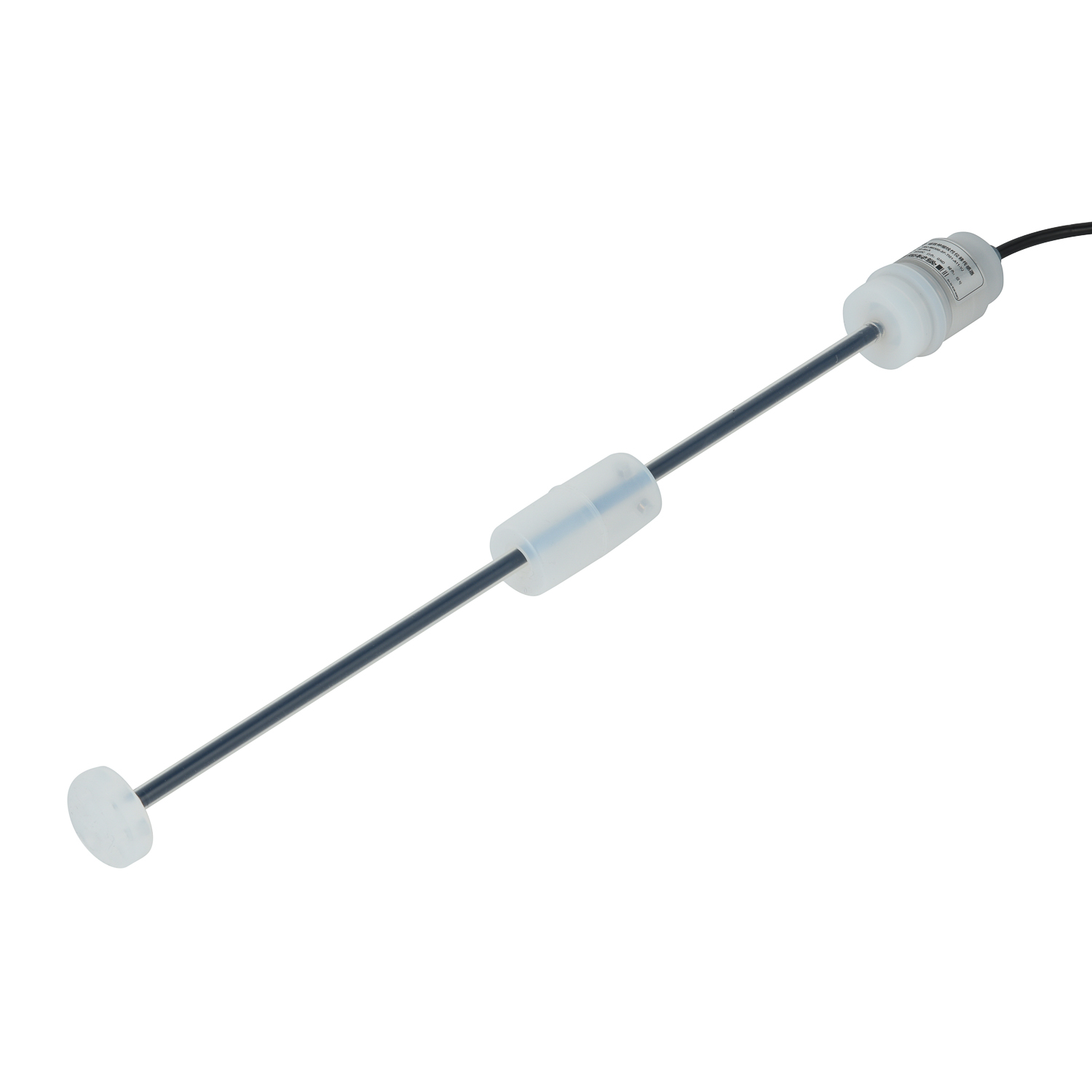
Modern intelligent rainwater harvesting systems employ sophisticated sensor technology that continuously monitors multiple parameters. Rainfall sensors detect precipitation intensity and duration, while water level sensors track storage tank capacity in real-time. Quality sensors analyze water purity by measuring pH levels and contamination presence, ensuring appropriate usage for different applications. These interconnected sensors form a comprehensive network that provides crucial data for system optimization, enabling precise control over collection, storage, and distribution processes.
IoT Integration and Automated Control Systems
The true intelligence of these systems emerges through Internet of Things connectivity and automated control mechanisms. IoT platforms process sensor data to make informed decisions about water management without human intervention. Smart controllers automatically divert initial runoff away from storage tanks to exclude contaminants, then activate collection mechanisms once water quality meets standards. During heavy rainfall, these systems can predict storage capacity limits and implement overflow management protocols, while during dry periods they ration stored water based on usage patterns and weather forecasts.

Applications in Residential Water Management
Intelligent rainwater harvesting systems provide substantial benefits for residential properties, particularly in landscape irrigation and household water usage. These systems automatically distribute collected rainwater to gardens and lawns based on soil moisture readings and evapotranspiration rates, significantly reducing outdoor water consumption. For indoor applications, advanced filtration enables non-potable uses like toilet flushing and laundry, which can account for up to 40% of household water usage. Homeowners can monitor system performance through mobile applications, receiving alerts about maintenance needs and water savings achievements.
Commercial and Agricultural Implementation
Beyond residential use, intelligent rainwater harvesting finds valuable applications in commercial and agricultural sectors. Office buildings and manufacturing facilities utilize these systems for cooling tower makeup water, landscape maintenance, and industrial processes, substantially lowering operational costs and environmental impact. In agriculture, smart rainwater harvesting enables precision irrigation, delivering water to crops based on specific needs determined by soil sensors and weather data. This approach minimizes water waste while maximizing crop yield, creating a sustainable solution for agricultural water management.
Data Analytics and System Optimization
The continuous data collection within intelligent rainwater harvesting systems enables sophisticated analytics and performance optimization. Machine learning algorithms analyze historical weather patterns, water usage trends, and system efficiency to predict future water needs and optimize collection strategies. These systems can identify potential issues like filter clogging or pump inefficiencies before they cause system failures, reducing maintenance costs and downtime. Performance dashboards provide comprehensive insights into water savings, cost reductions, and environmental impact, demonstrating the tangible benefits of intelligent water management.
Sustainability Benefits and Future Developments
Intelligent rainwater harvesting systems contribute significantly to environmental sustainability by reducing stormwater runoff, decreasing demand on municipal water supplies, and lowering energy consumption associated with water treatment and distribution. As technology advances, these systems are incorporating more sophisticated features like predictive weather modeling, integration with other renewable resources, and blockchain-based water credit systems. The ongoing development of smarter, more affordable solutions promises to make intelligent rainwater harvesting accessible to broader populations, potentially transforming urban water management on a global scale.
 Graybus Cable Fault
 Field Application of Graybus C
 Model and Specification of Gra
 Import Substitute Graybus Cabl