
How to obtain explosion-proof certification for magnetostrictive devices?
Understanding the critical importance of explosion-proof certification for magnetostrictive devices marks the first step toward ensuring operational safety in hazardous environments. These sophisticated position sensors and liquid level transmitters often operate in potentially explosive atmospheres where even the smallest electrical spark could trigger catastrophic events. Manufacturers must recognize that certification isn't merely a regulatory formality but an essential commitment to protecting personnel, equipment, and facilities from devastating explosions. The certification process validates that your magnetostrictive devices incorporate specific safety features and construction methods that prevent ignition sources from interacting with flammable gases, vapors, or dusts.
Navigating the complex landscape of international standards and directives forms the foundation of any successful certification strategy. The ATEX Directive 2014/34/EU governs equipment intended for use in potentially explosive atmospheres throughout the European Union, while the IECEx Scheme provides an international framework accepted across multiple countries. In North America, the NEC and NFPA standards outline requirements for hazardous location equipment, with UL and CSA offering certification services. Understanding the distinctions between these frameworks—and determining which apply to your target markets—represents a crucial early decision that will shape your entire certification approach. Many manufacturers pursue multiple certifications simultaneously to streamline market access across different regions.
Implementing essential design principles for explosion protection requires meticulous attention to several proven methodologies. Encapsulation ("m" protection) involves completely sealing potential ignition sources within a compound that prevents explosive atmospheres from contacting electrical components. Flameproof enclosures ("d" protection) utilize robust housings capable of containing any internal explosion without transmitting it to the external environment. Intrinsic safety ("i" protection) limits electrical energy to levels insufficient to cause ignition, while pressurized apparatus ("p" protection) maintains internal pressure above atmospheric levels to prevent flammable substances from entering. For magnetostrictive devices, encapsulation and intrinsic safety often present the most practical solutions given their electronic nature and measurement precision requirements.
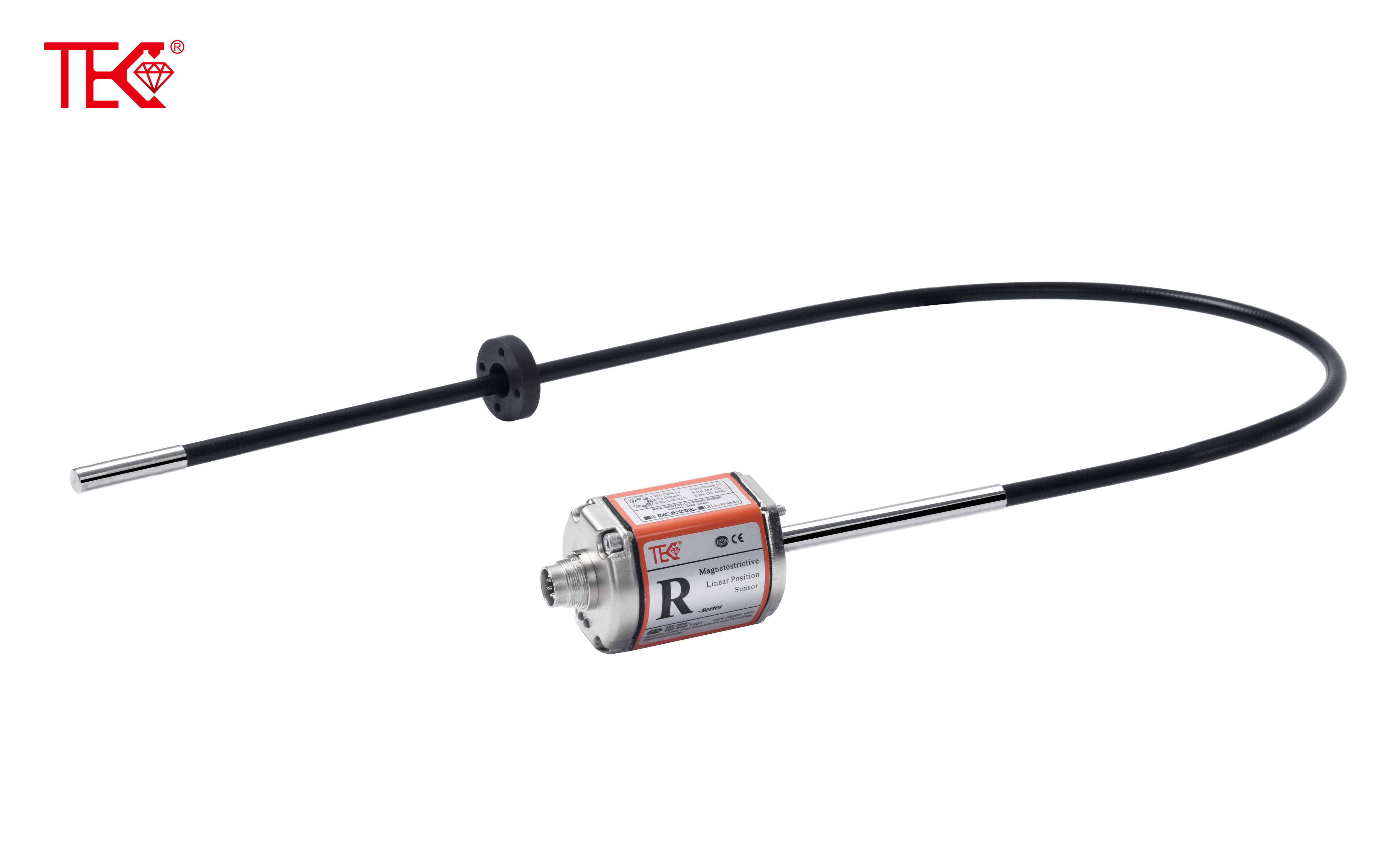
Preparing comprehensive technical documentation establishes the evidentiary foundation required by certification bodies. This extensive dossier must include detailed design specifications, circuit diagrams, material certifications, and complete risk assessments. Manufacturers must provide evidence that all components comply with relevant standards and demonstrate how the device prevents ignition through its design characteristics. The technical documentation should thoroughly address every potential ignition source—electrical, mechanical, and thermal—and present clear arguments for why the implemented protection methods render them incapable of causing explosions. This documentation not only supports the certification application but serves as a reference throughout the device's lifecycle.
Engaging with accredited testing laboratories and certification bodies represents the practical implementation phase of your certification journey. Selecting the right partner involves verifying their accreditation for your specific protection methods and target markets. These specialized facilities conduct rigorous testing including temperature measurements, impact tests, and—where applicable—actual explosion verification to confirm your device's safety claims. The certification process typically involves initial design review, prototype testing, quality system assessment, and finally, issuance of the certificate. Maintaining open communication with your chosen certification body throughout this process helps identify potential issues early, saving both time and resources while ensuring a smoother path to certification.
Establishing and maintaining a certified quality management system provides the ongoing framework for continued compliance. Certification bodies require manufacturers to implement quality systems that ensure every device produced matches the certified prototype in safety-critical characteristics. This typically involves documented procedures for design control, purchasing, production, inspection, testing, and traceability. Regular audits by the certification body verify ongoing compliance, while significant design changes necessitate re-evaluation. The quality system serves as your organization's commitment to consistent manufacturing practices that uphold the safety principles established during the initial certification process, ensuring long-term market access and customer confidence.
Successfully marketing your certified explosion-proof magnetostrictive devices completes the business case for your certification investment. The explosion-proof certification represents a powerful competitive differentiator in industries such as oil and gas, chemical processing, pharmaceuticals, and grain handling. Clearly communicating the specific hazardous locations where your devices can operate safely—along with the recognized certification marks—builds customer trust and expands your market opportunities. Technical sales teams must thoroughly understand the certification's implications and limitations to properly guide customers in device selection and installation. This final step transforms your regulatory compliance into tangible business value, positioning your products as the safe choice for demanding industrial applications.
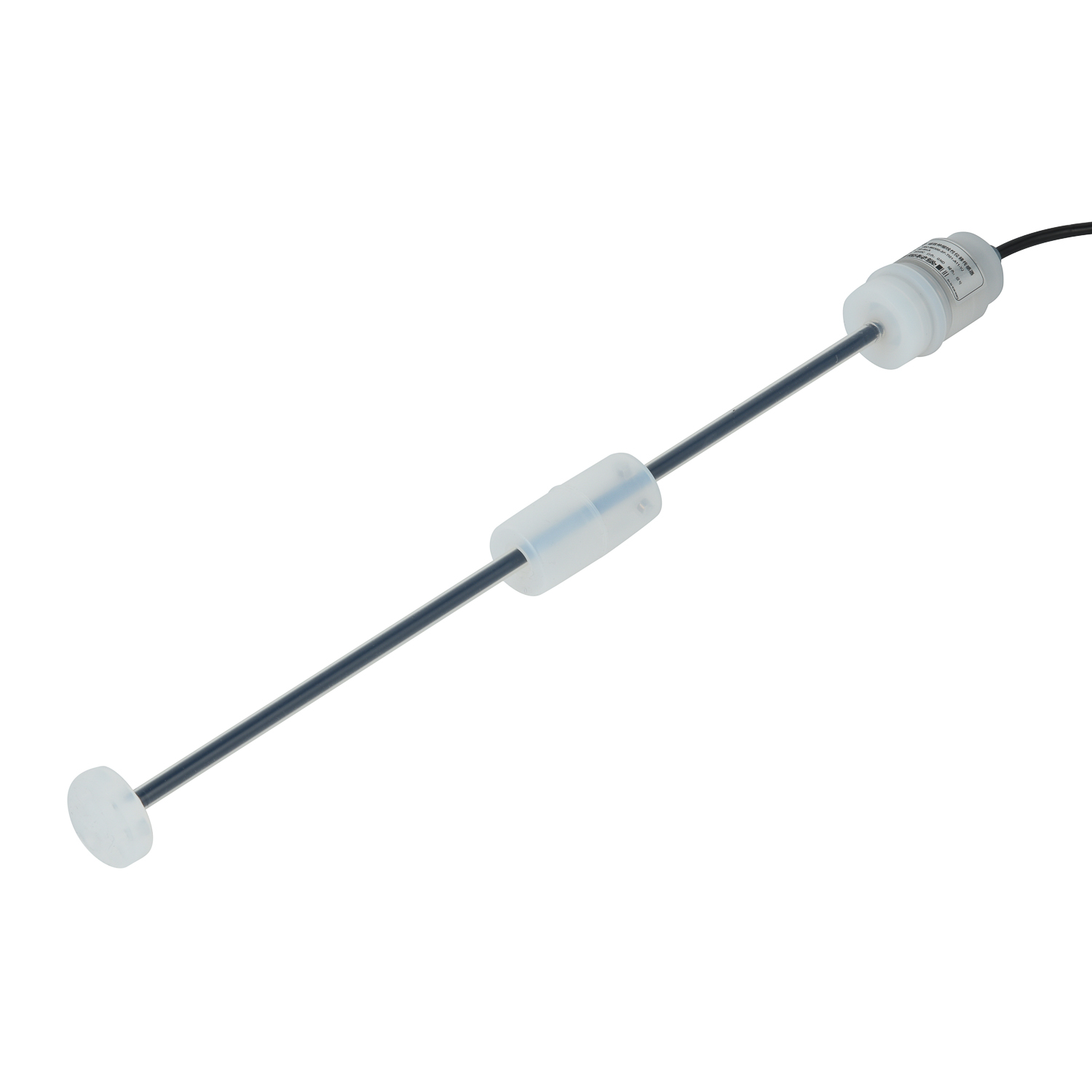 Graybus Cable Fault
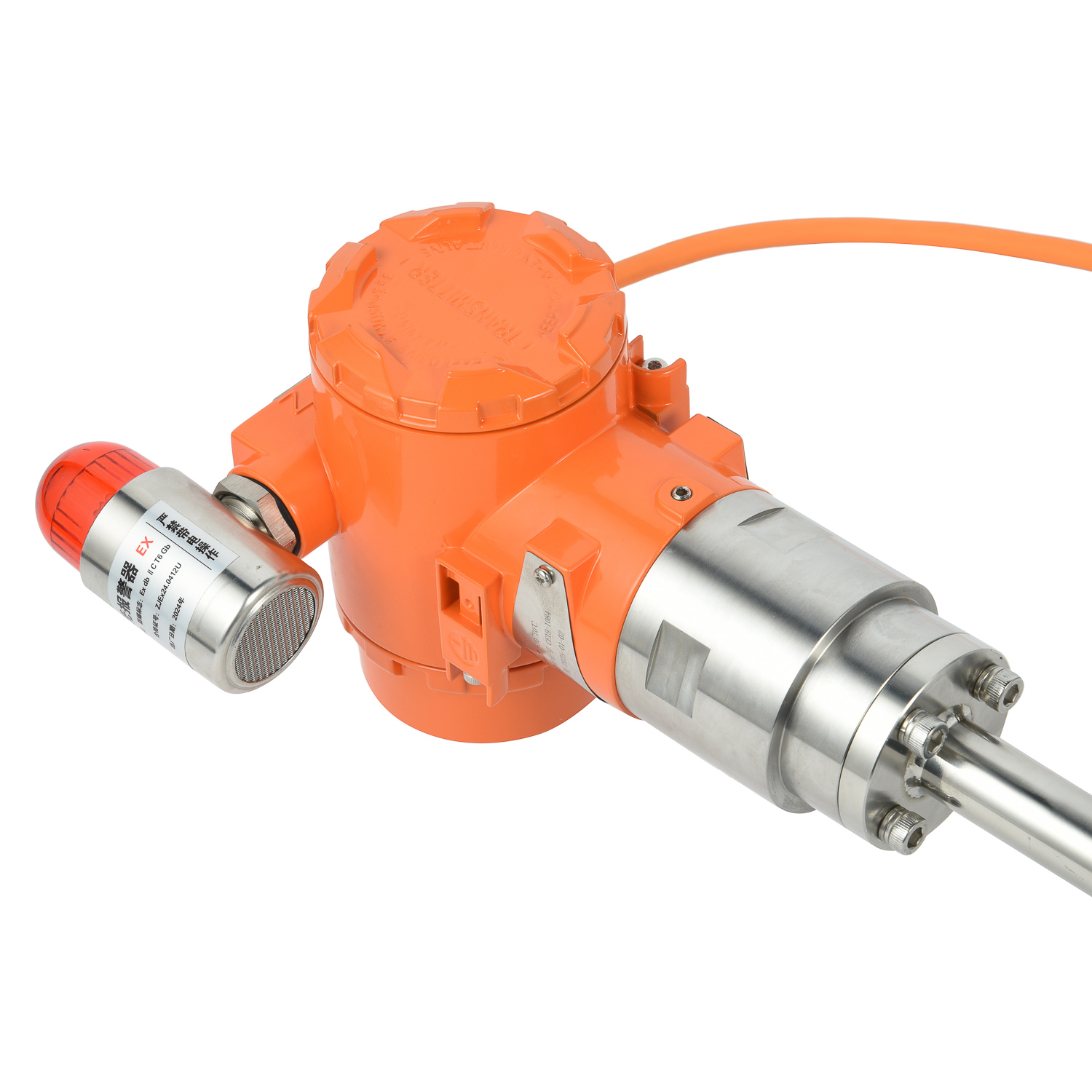 Field Application of Graybus C
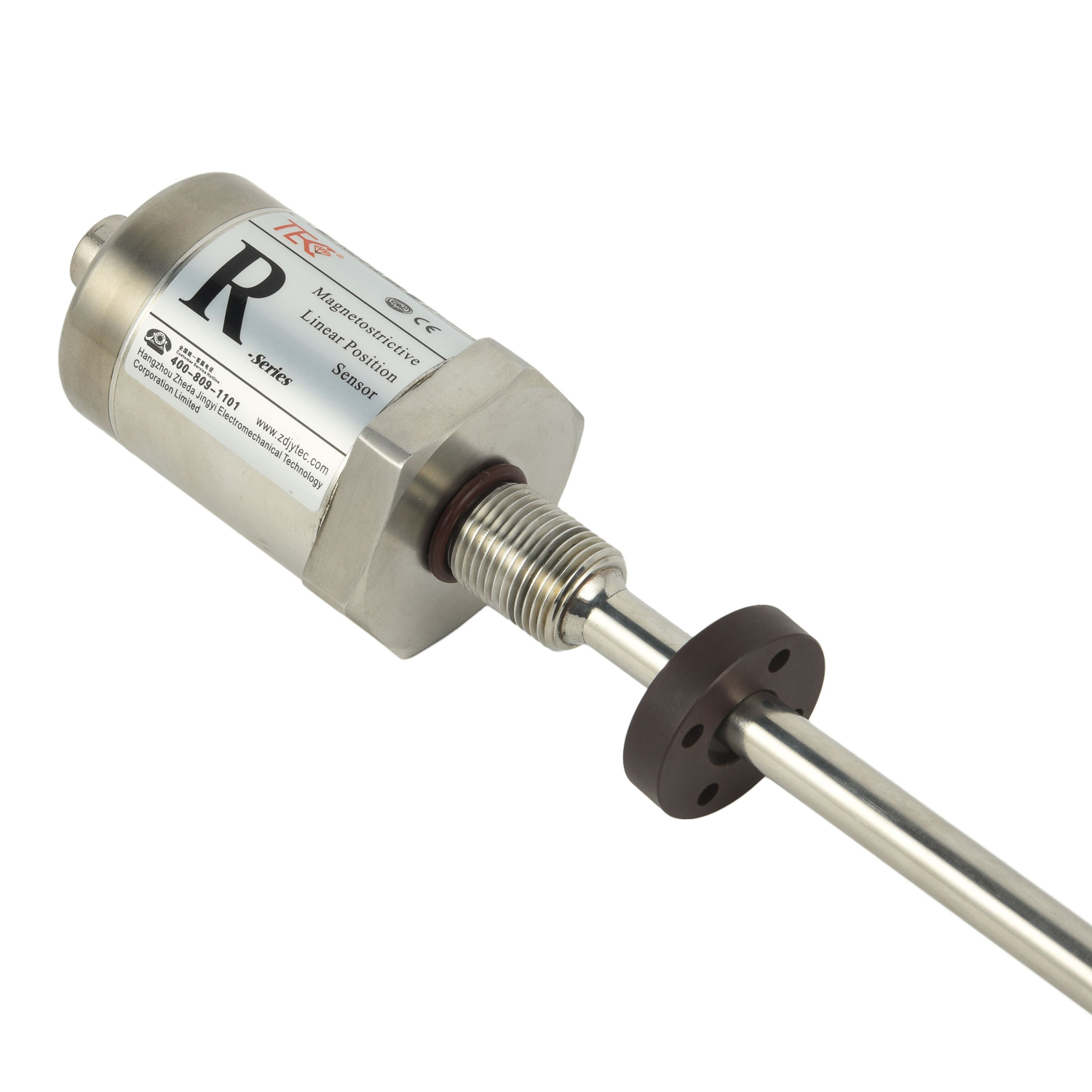 Model and Specification of Gra
 Import Substitute Graybus Cabl