
How do magnetostrictive sensors withstand extreme chemical exposure?
In today's demanding industrial landscapes, equipment durability isn't just an advantage—it's an absolute necessity. Among the most critical components in modern automation and process control systems are magnetostrictive sensors, which face constant challenges from aggressive chemicals and extreme environments. Understanding how these sophisticated devices maintain operational integrity under such conditions reveals why they've become the preferred choice for numerous industrial applications where failure is not an option.
The Fundamental Shield: Protective Housing and Material Selection
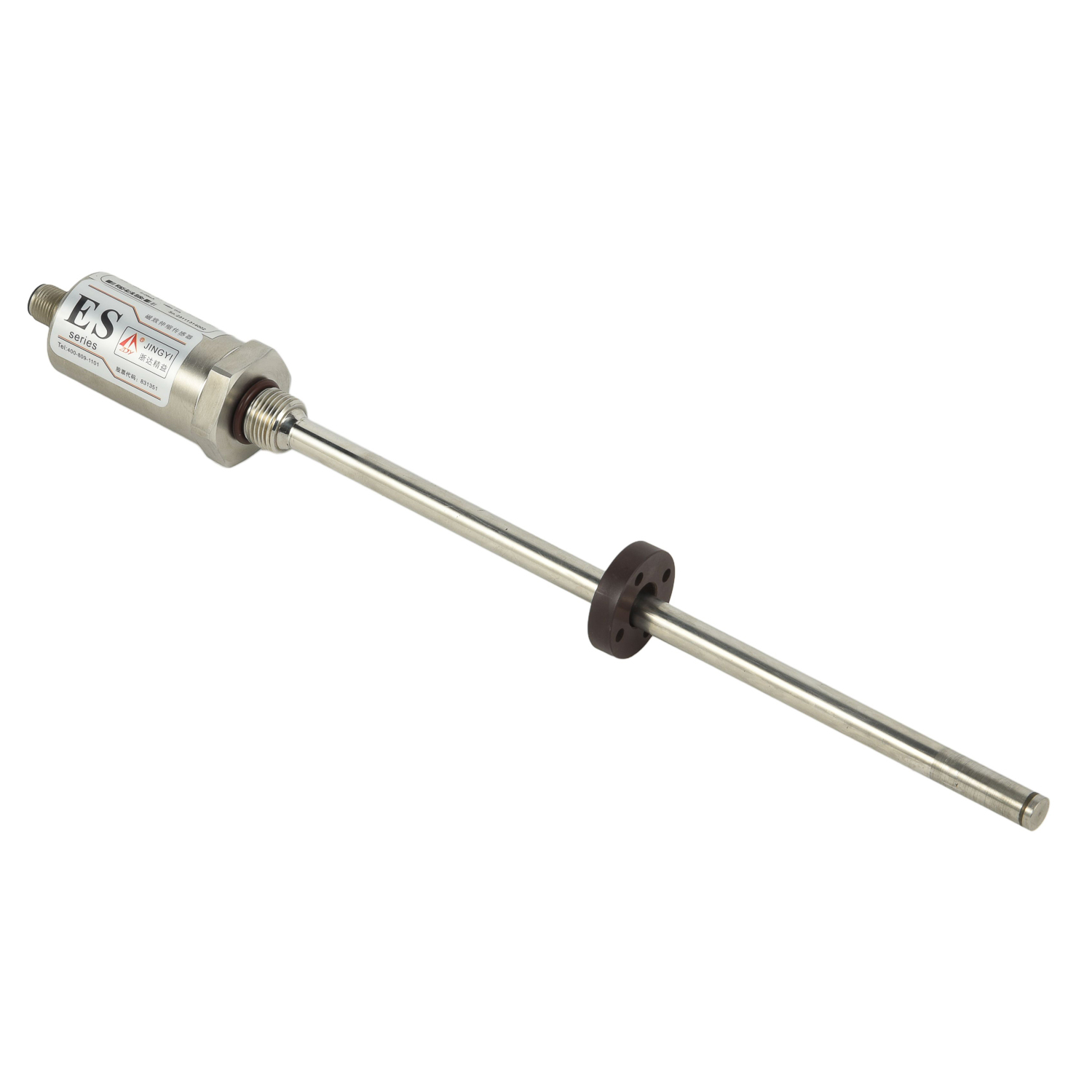
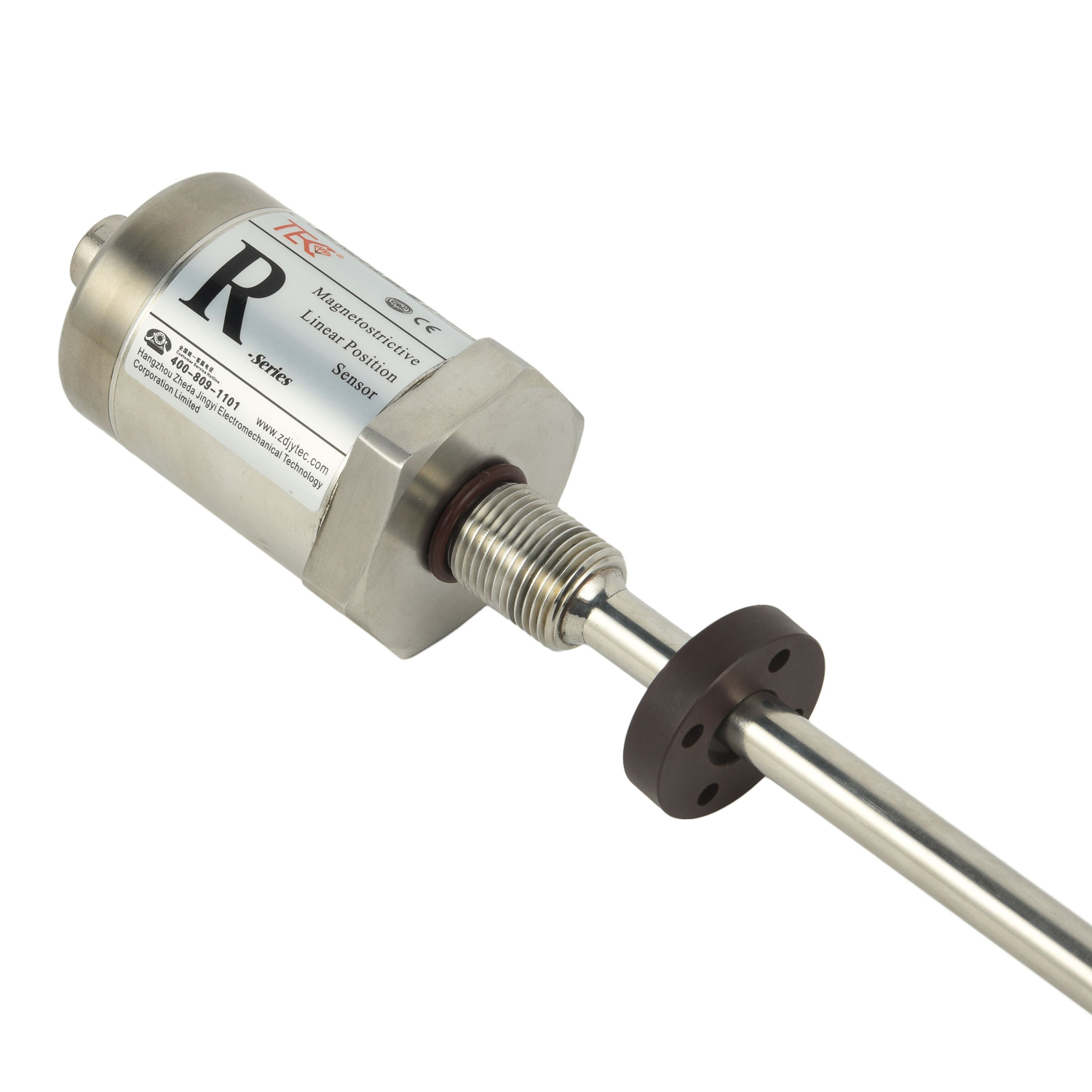
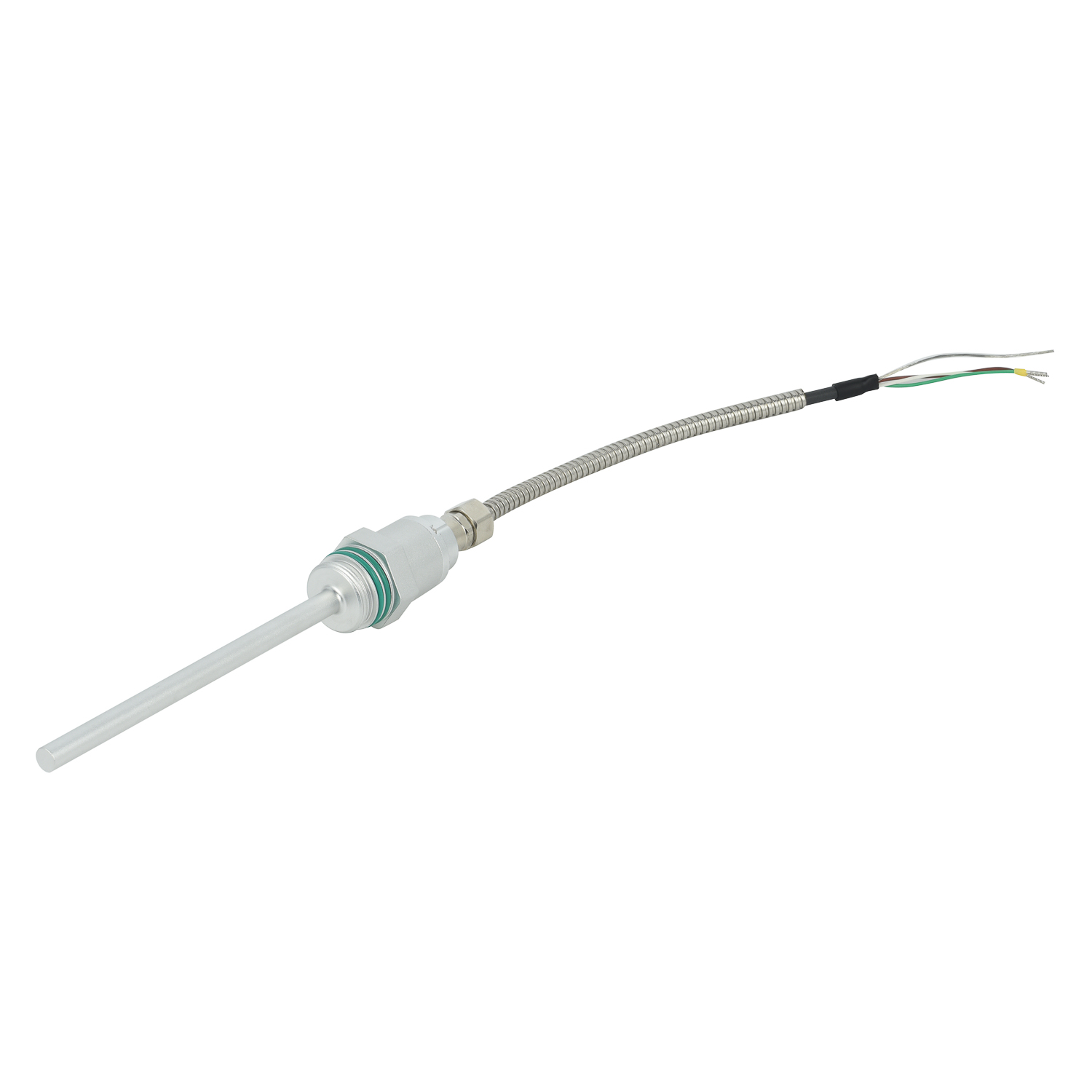
The first line of defense for magnetostrictive sensors against chemical exposure lies in their physical construction. Manufacturers employ high-grade stainless steel, particularly types 316 and 304, which offer exceptional resistance to various corrosive substances. These materials form a protective barrier that prevents harsh chemicals from reaching the sensitive internal components. Beyond stainless steel, specialized coatings and electroless nickel plating provide additional protection layers, creating a comprehensive shield system. The housing design itself incorporates seamless welding and precision machining to eliminate potential weak points where corrosion could initiate, ensuring complete encapsulation of the sensor's critical elements.
Advanced Sealing Technologies: Keeping Corrosives at Bay
Where the housing meets the external environment, sophisticated sealing mechanisms create impermeable barriers against chemical intrusion. Multiple redundant seals, often made from chemically-resistant materials like Viton or Kalrez, provide exceptional protection even when exposed to extreme temperatures and aggressive solvents. These elastomers maintain their flexibility and sealing properties across wide temperature ranges, from cryogenic applications to high-temperature processing environments. The engineering behind these sealing systems includes pressure-equalization features and labyrinth designs that prevent chemical wicking or capillary action, which could otherwise compromise the sensor's internal components over time.
Internal Component Protection: Safeguarding the Sensing Mechanism
While external protection is crucial, magnetostrictive sensors employ additional strategies to protect their core functioning elements. The magnetostrictive waveguide, typically made from specialized ferromagnetic materials, receives additional protective coatings that resist chemical degradation while maintaining the necessary magnetic properties. The position magnet within the system is often encapsulated in chemically-inert materials, and the damping elements are specifically formulated to withstand exposure to various industrial fluids. This multi-layered approach ensures that even if minimal chemical penetration occurs, the critical sensing mechanism remains fully operational and accurate.
Material Science Innovations: Engineering Chemical Resistance
Continuous advancements in material science have significantly enhanced magnetostrictive sensors' chemical resistance capabilities. Modern sensors incorporate engineered polymers and composite materials specifically developed to withstand exposure to acids, alkalis, solvents, and other aggressive substances. These materials undergo rigorous testing protocols, including prolonged exposure to concentrated chemicals and temperature cycling, to verify their long-term durability. The development of nano-coatings and surface treatments has further improved chemical resistance while maintaining the precise measurement capabilities that magnetostrictive technology is known for across industrial applications.
Real-World Performance: Applications in Chemical Processing
The true test of any sensor's chemical resistance comes from field performance in demanding industrial environments. Magnetostrictive sensors consistently demonstrate reliability in chemical processing plants, pharmaceutical manufacturing, and petroleum refining facilities. They accurately measure liquid levels in tanks containing everything from concentrated acids to caustic solutions, providing reliable data where other technologies might fail. Their non-contact measurement principle means there are no wearing parts that could be compromised by chemical exposure, contributing to their exceptional longevity in these challenging applications.
Maintenance and Longevity: Ensuring Continuous Operation
Proper maintenance practices further enhance magnetostrictive sensors' ability to withstand chemical exposure. Regular inspection protocols focus on verifying the integrity of protective housings and seals, with established replacement schedules based on the specific chemical environment. The modular design of many magnetostrictive sensors allows for component-level maintenance and replacement, extending the overall system lifespan. This approach reduces downtime and maintenance costs while ensuring continuous, reliable operation in chemically aggressive environments where sensor failure could lead to significant production losses or safety concerns.
Future Developments: Enhancing Chemical Resistance Capabilities
The evolution of magnetostrictive sensor technology continues to address increasingly challenging chemical environments. Research focuses on developing new alloy compositions, advanced ceramic coatings, and innovative sealing technologies that can withstand even more aggressive substances. Emerging technologies include self-healing coatings that can repair minor damage and smart monitoring systems that can predict maintenance needs before failures occur. These advancements promise to further expand the applications of magnetostrictive sensors in industries where chemical resistance and measurement accuracy are paramount requirements for operational success and safety compliance.
 Graybus Cable Fault
 Field Application of Graybus C
 Model and Specification of Gra
 Import Substitute Graybus Cabl