
What's the breakthrough application in smart hydrogen storage tanks?
The evolution of hydrogen storage technology represents a pivotal advancement in the clean energy landscape. Smart hydrogen storage tanks are no longer mere containers but sophisticated systems integrating cutting-edge materials science and digital intelligence. These innovations address critical challenges in hydrogen embrittlement, storage efficiency, and safety management that have long hindered widespread adoption.
Advanced Composite Materials Revolutionizing Tank Design
Modern smart tanks utilize carbon fiber composites and thermoplastic liners that demonstrate remarkable resistance to high-pressure hydrogen environments. These materials undergo rigorous testing to ensure structural integrity while significantly reducing weight compared to traditional steel tanks. The implementation of composite overwrapped pressure vessels has enabled storage capacities previously thought impossible, pushing the boundaries of hydrogen density while maintaining safety standards.
Solid-State Hydrogen Storage Breakthroughs
The integration of solid-state storage media within tank systems represents a quantum leap in hydrogen storage technology. Metal hydrides and porous framework materials can store hydrogen at much lower pressures while maintaining impressive energy density. This approach minimizes compression energy requirements and enhances overall system safety, particularly for automotive and portable applications where space constraints are critical.
IoT-Enabled Monitoring and Predictive Maintenance
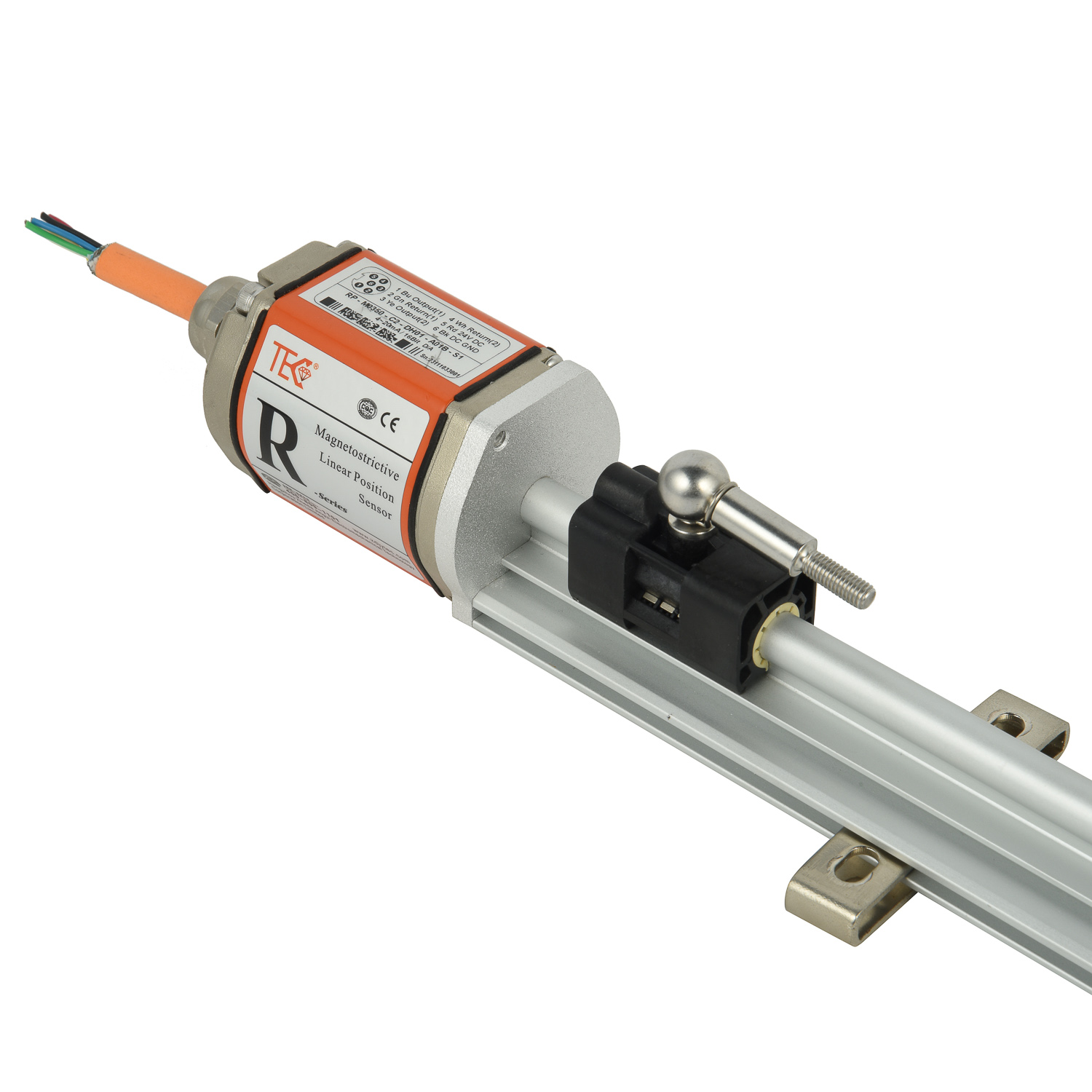
Smart tanks incorporate distributed sensor networks that continuously monitor pressure, temperature, and structural health parameters. These systems employ machine learning algorithms to predict maintenance needs and prevent potential failures before they occur. The real-time data transmission capabilities allow for remote management of entire hydrogen storage fleets, optimizing performance across distributed energy systems.
Integrated Safety Systems with Multi-Layer Protection
Breakthrough safety architectures include redundant pressure relief devices, thermal management systems, and automatic shut-off mechanisms. These integrated systems respond to abnormal conditions within milliseconds, significantly enhancing operational safety. The implementation of fail-safe designs ensures that even in worst-case scenarios, the tanks maintain containment integrity while safely venting hydrogen when necessary.
Future Applications in Transportation and Grid Storage
The most promising applications emerge in heavy-duty transportation and renewable energy integration. Smart tanks enable long-haul hydrogen trucks to achieve competitive ranges while supporting rapid refueling capabilities. For grid storage, these advanced containers facilitate large-scale hydrogen buffering for intermittent renewable sources, creating a resilient clean energy infrastructure that can scale to meet urban energy demands.
The convergence of material science and digital technology in smart hydrogen storage tanks creates unprecedented opportunities for clean energy adoption. As these systems continue to evolve, they will play an increasingly vital role in global decarbonization efforts across multiple sectors. The ongoing research and development promise even greater efficiencies and applications in the coming years.
 Graybus Cable Fault
 Field Application of Graybus C
 Model and Specification of Gra
 Import Substitute Graybus Cabl