
How to achieve freeze-proof level detection with magnetostrictive sensors?
In industrial environments where temperatures plunge below freezing, maintaining accurate level detection becomes a significant challenge. Traditional measurement methods often fail when facing ice formation and material solidification. However, magnetostrictive sensors have emerged as a robust solution for freeze-proof level detection across various demanding applications.
Understanding Magnetostrictive Technology Fundamentals
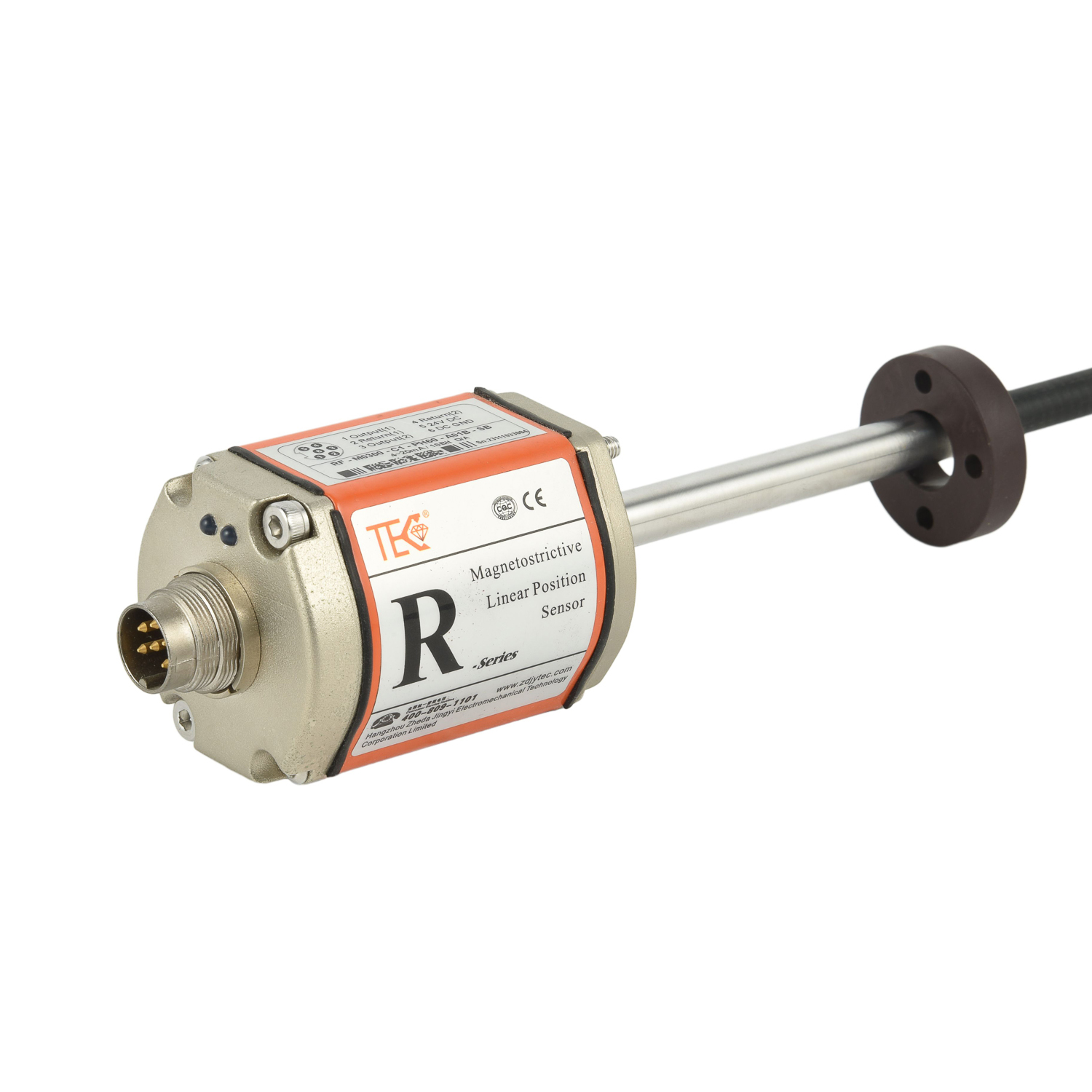
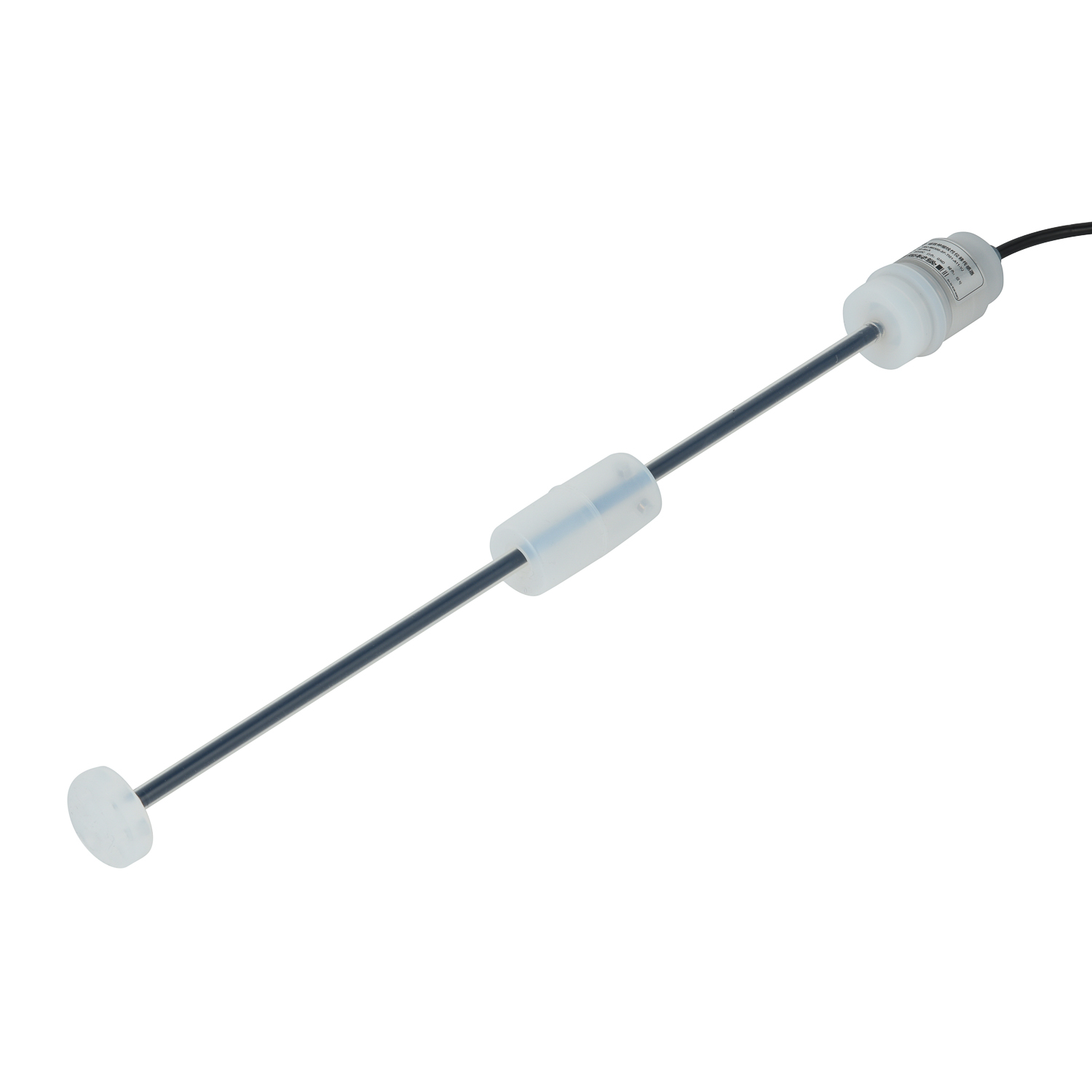
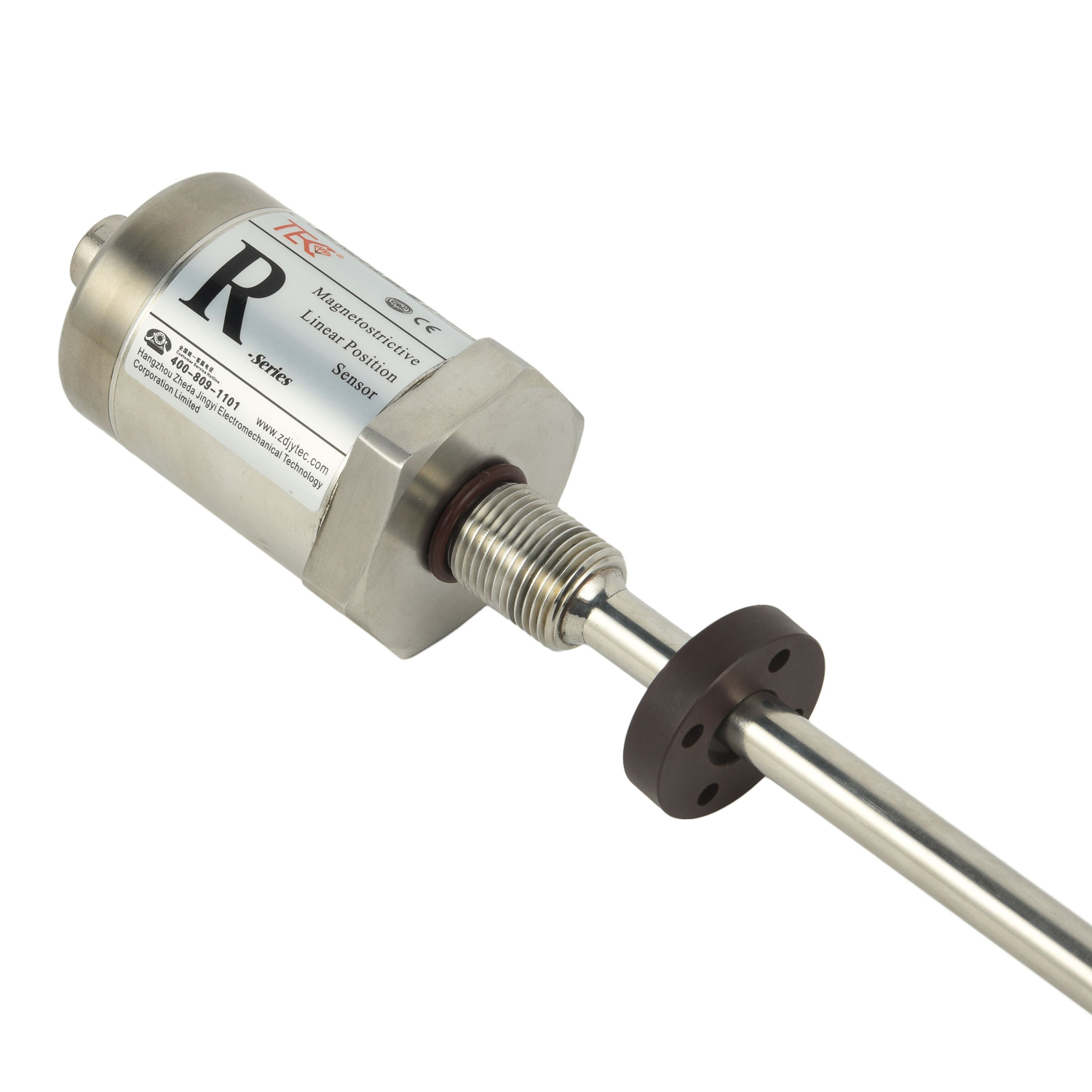
Magnetostrictive level sensors operate on a sophisticated physical principle where a magnetic field interacts with a magnetostrictive waveguide. The sensor generates a current pulse that travels along the waveguide, creating a circumferential magnetic field. When this field encounters a permanent magnet in the float, it produces torsional stress waves that travel back to the sensor head. By precisely measuring the time difference between pulse generation and wave return, the system calculates the exact float position with exceptional accuracy, typically within millimeters. This non-contact measurement principle ensures reliable operation even in extreme temperature conditions where other technologies might fail.
Superior Freeze-Proof Design Characteristics
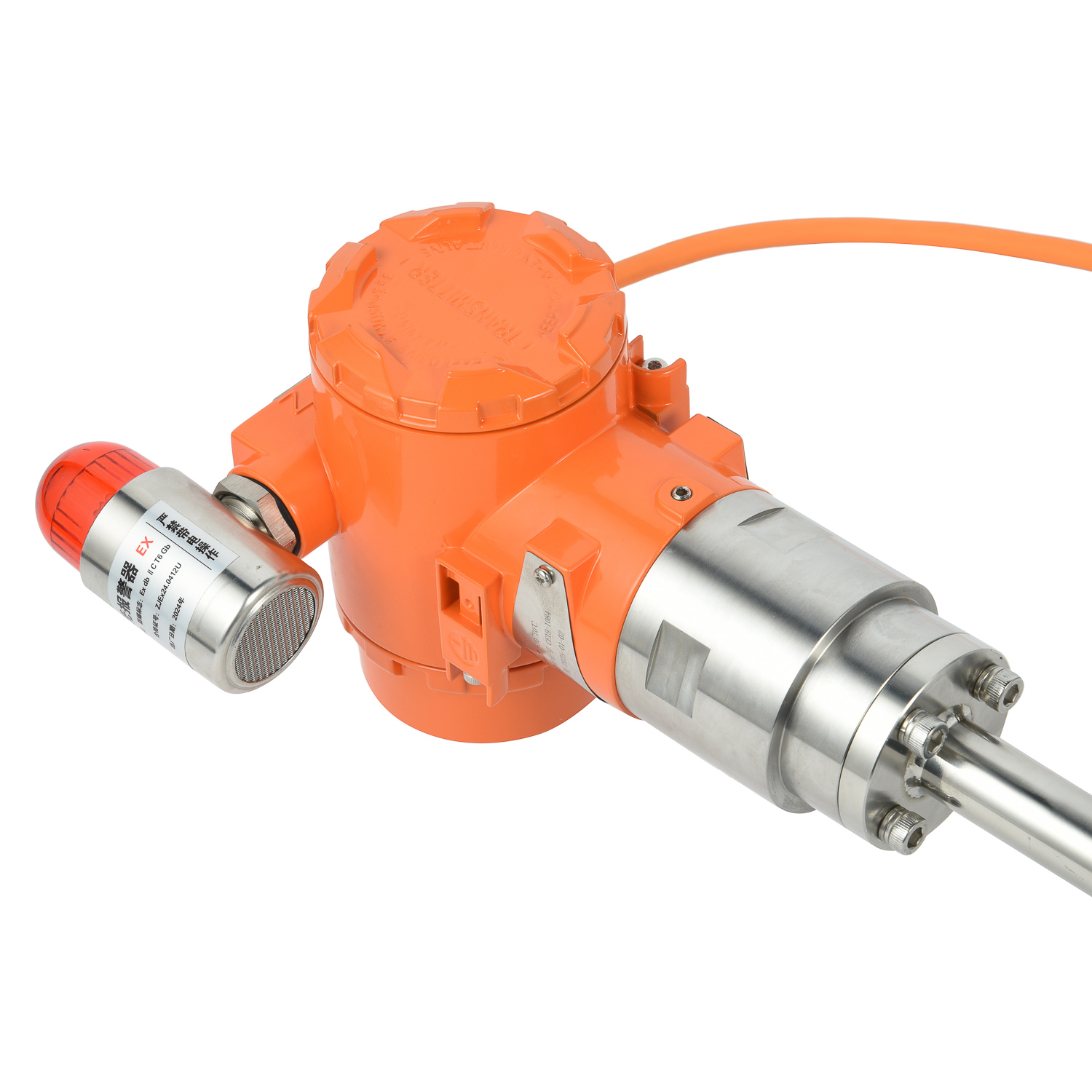
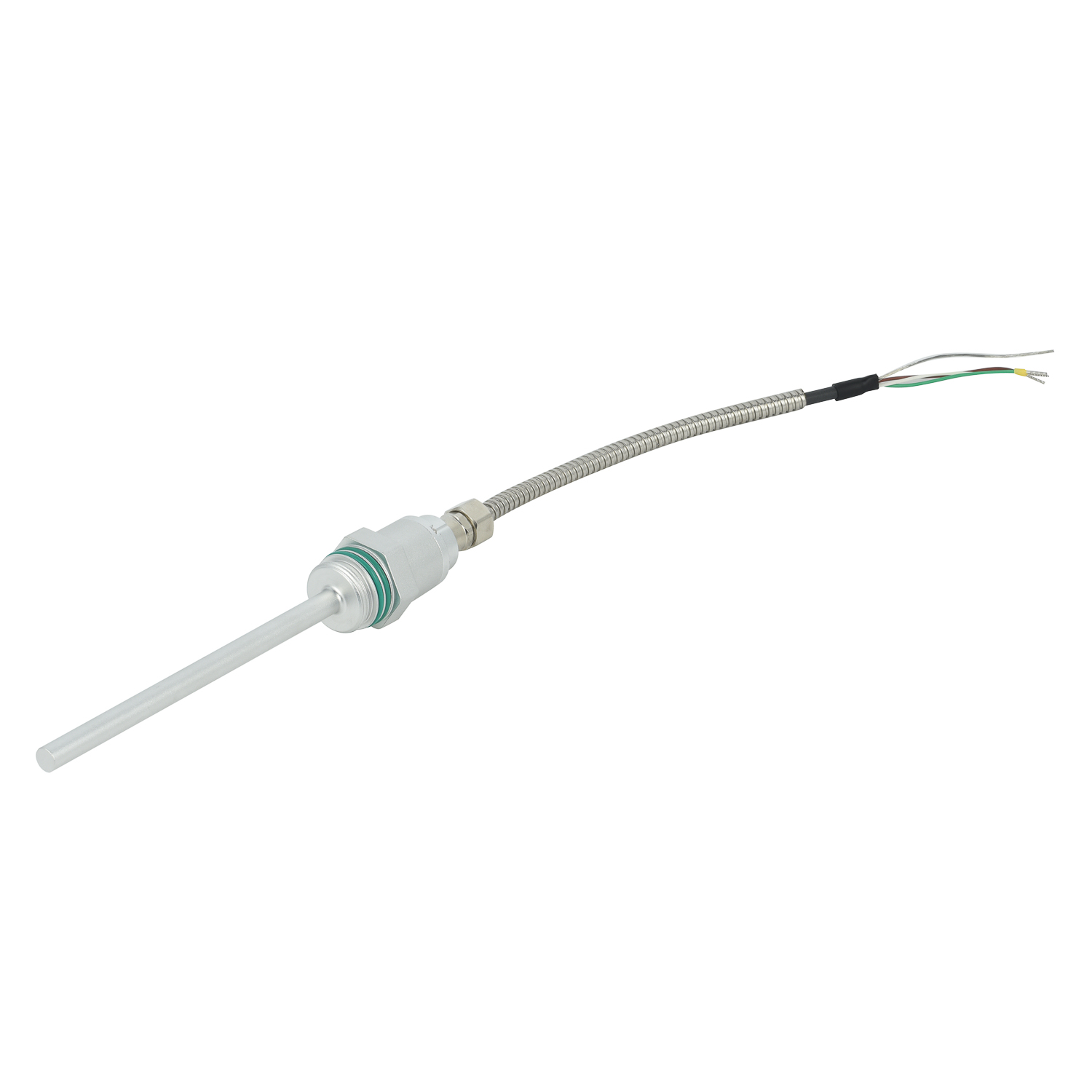
The exceptional freeze-proof capability of magnetostrictive sensors stems from their unique construction features. These sensors incorporate specialized seals and materials that prevent moisture ingress, which is crucial for avoiding ice-induced damage. The sensing element itself is protected within a sturdy stainless steel tube, providing both mechanical strength and thermal insulation. Many models feature heated enclosures or optional heating elements that maintain operational temperatures during deep freeze conditions. The float design is equally important, with engineered clearances that prevent ice jamming and special surface treatments that reduce ice adhesion. These comprehensive design elements work in concert to ensure continuous, reliable performance when conventional sensors would typically fail.
Critical Industrial Applications in Cold Environments
Magnetostrictive sensors demonstrate their freeze-proof capabilities across numerous industrial sectors. In chemical processing plants, they accurately measure liquid nitrogen, ethylene, and other cryogenic fluids where temperatures can reach -196°C. The food and beverage industry relies on them for monitoring liquid chocolate, edible oils, and syrups in refrigerated production areas. In energy sectors, these sensors provide crucial level data for LNG storage tanks and cryogenic transportation. Water treatment facilities utilize them in outdoor applications where ice formation would disable conventional floats. Pharmaceutical manufacturers depend on their accuracy for critical bioreactors and cooling systems where temperature stability is paramount for product quality.
Implementation Best Practices for Maximum Reliability
Successful implementation of freeze-proof magnetostrictive sensors requires careful planning and installation. Begin by selecting sensors specifically rated for your expected temperature range, considering both the process media and ambient conditions. Proper mounting orientation is crucial to prevent material buildup and ensure accurate float movement. Install thermal insulation around the sensor and connecting pipes to minimize heat loss in extremely cold environments. For applications with rapid temperature fluctuations, consider sensors with temperature compensation features to maintain accuracy. Regular maintenance should include visual inspections for ice accumulation and verification of heating elements when equipped. Always follow manufacturer guidelines for minimum and maximum temperature ratings to ensure optimal performance and longevity.
Advantages Over Alternative Measurement Technologies
When compared to other level measurement technologies, magnetostrictive sensors offer distinct advantages for freeze-proof applications. Unlike ultrasonic sensors that can be affected by frost formation on transducers, magnetostrictive technology remains unaffected by surface conditions. Radar level sensors struggle with dielectric constant changes in frozen materials, while magnetostrictive sensors maintain consistent performance. Compared to traditional float switches that can freeze in position, the magnetostrictive design allows continuous monitoring even during partial ice formation. The technology outperforms pressure transmitters that require diaphragm seals which can be compromised by ice expansion. Additionally, magnetostrictive sensors provide superior accuracy and reliability compared to capacitive sensors, which can be affected by material buildup and changing dielectric constants in freezing conditions.
Troubleshooting Common Cold Weather Challenges
Even with robust freeze-proof designs, occasional challenges may arise in extreme conditions. If sensor readings become erratic during temperature drops, first verify that heating elements are functioning properly and check for ice accumulation around the float. Sudden loss of signal often indicates moisture ingress that has frozen within the electronics compartment, requiring immediate attention. For floats experiencing sluggish movement, consider upgrading to low-friction designs with specialized coatings. When installing in new applications, always conduct temperature cycling tests to verify performance across the entire expected operating range. Maintain detailed records of sensor behavior during extreme weather events to identify patterns and implement preventive measures before critical failures occur.
Future Developments in Freeze-Proof Sensing Technology
The evolution of magnetostrictive sensors continues to address increasingly demanding freeze-proof requirements. Manufacturers are developing advanced materials with lower thermal expansion coefficients to enhance measurement stability across wider temperature ranges. Integrated smart diagnostics now can predict potential freeze-related issues by monitoring temperature trends and alerting operators before problems escalate. Wireless versions eliminate conduit concerns where ice formation might damage cabling. New float designs incorporating nanotechnology surfaces dramatically reduce ice adhesion properties. Research in composite waveguide materials promises even greater accuracy and longevity in cryogenic applications. These ongoing advancements ensure that magnetostrictive technology will remain at the forefront of freeze-proof level detection solutions for years to come.
 Graybus Cable Fault
 Field Application of Graybus C
 Model and Specification of Gra
 Import Substitute Graybus Cabl