
Why are magnetostrictive gauges ideal for volatile chemical monitoring?
In industrial settings where volatile chemicals are present, monitoring and measurement solutions must meet exceptionally high standards for both accuracy and safety. Magnetostrictive level gauges have emerged as the preferred technology for these challenging applications, offering unparalleled performance where other measurement technologies fall short. Their unique operating principle and robust construction make them ideally suited for handling the demanding conditions of chemical processing, storage, and transportation.
Unmatched Precision in Hostile Environments
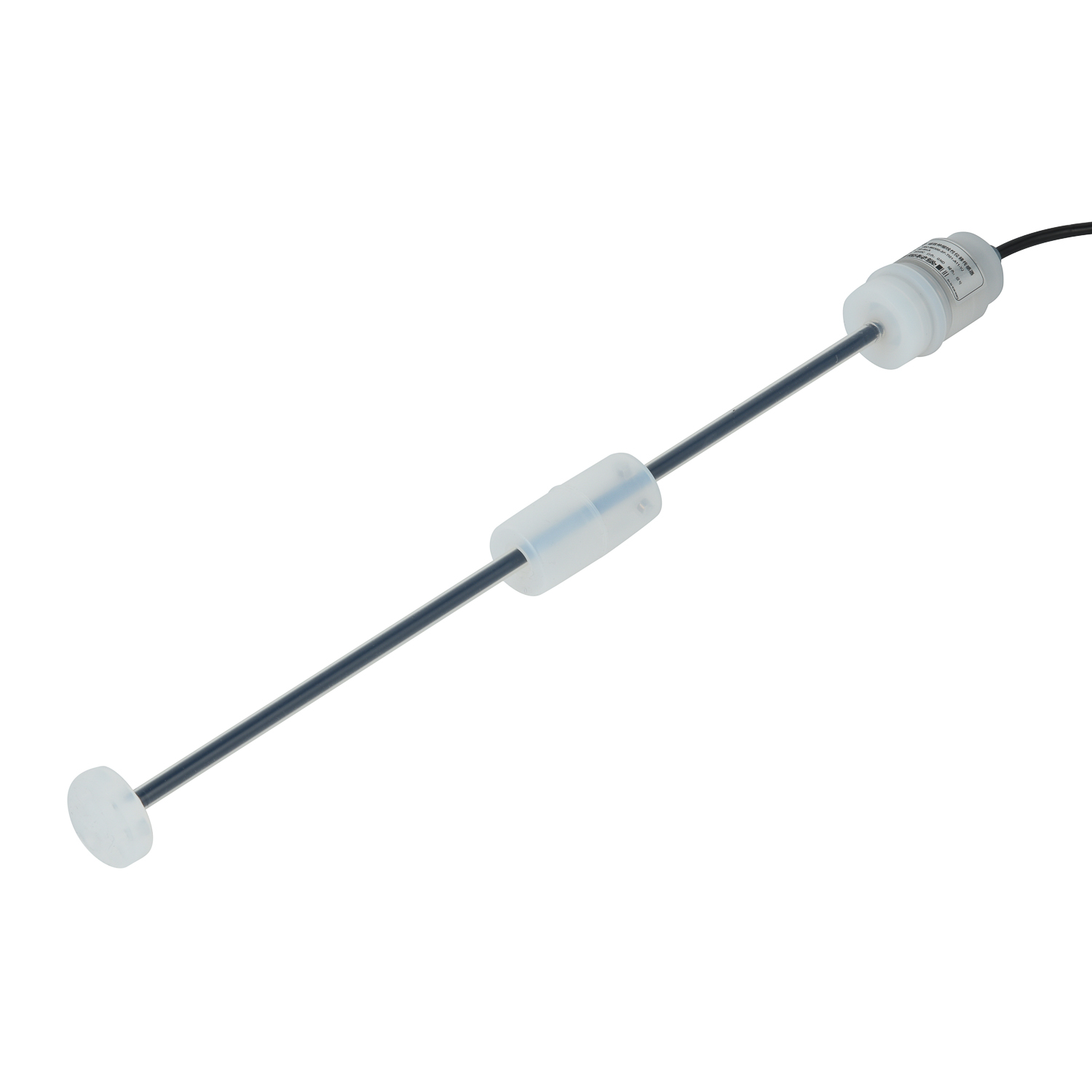
Magnetostrictive technology delivers exceptional measurement accuracy even when dealing with aggressive or volatile substances. The operating principle relies on the interaction between a magnetic float and a magnetostrictive wire, generating precise position data without physical contact. This contactless measurement approach eliminates mechanical wear issues common in other technologies, ensuring consistent performance over extended periods. The technology typically achieves accuracy levels within ±0.05% of full scale, providing reliable data for critical process control and inventory management.
Inherent Safety for Hazardous Chemical Applications
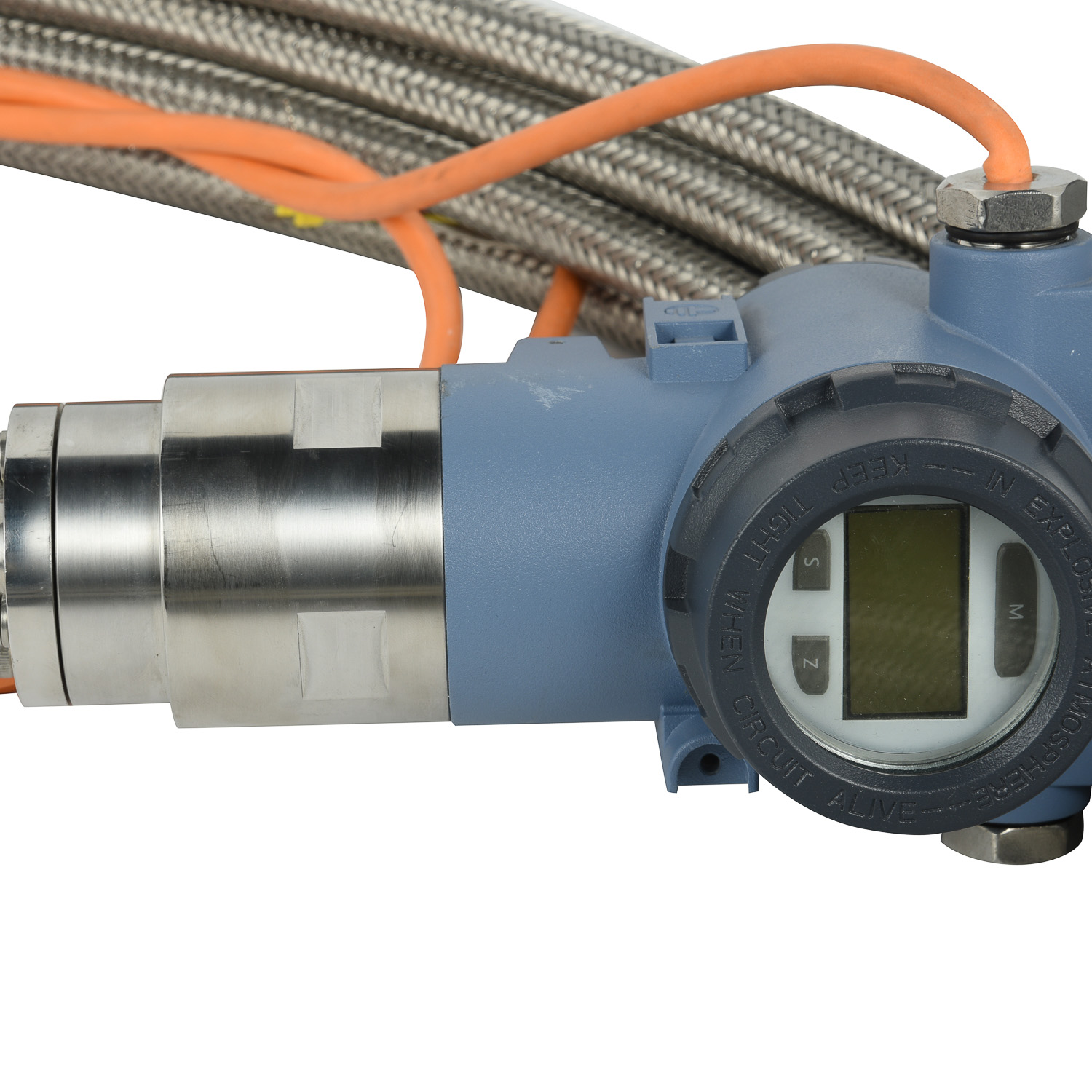
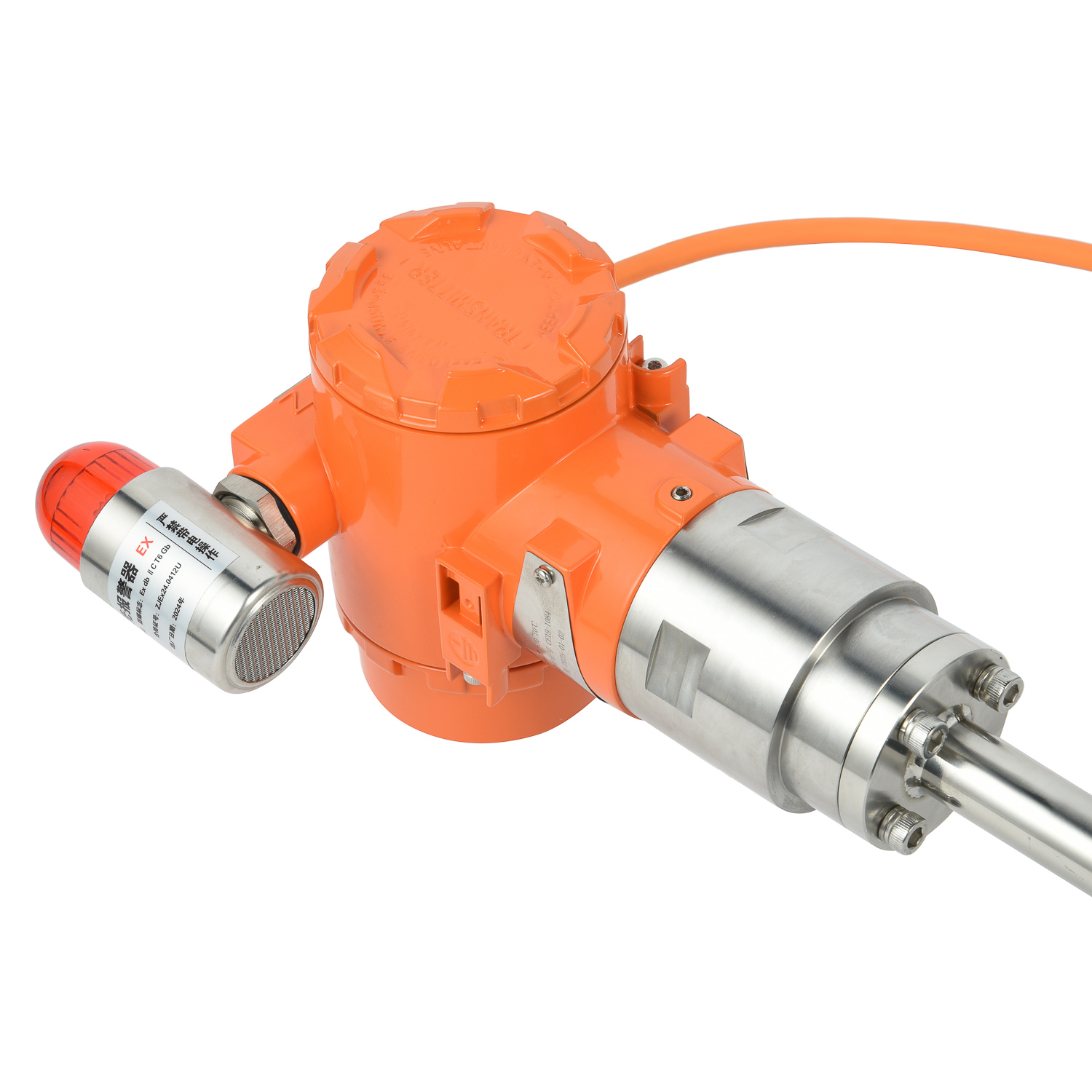
Safety represents the paramount concern when monitoring volatile chemicals, and magnetostrictive gauges excel in this crucial aspect. Their design typically incorporates explosion-proof certifications and intrinsically safe configurations that prevent ignition risks in flammable atmospheres. The non-contact measurement principle eliminates potential spark sources that could trigger combustion in volatile environments. Furthermore, these gauges maintain complete integrity when measuring corrosive substances, as the sensing element remains isolated within a protective tube, separated from the process medium.
Robust Construction for Demanding Chemical Service
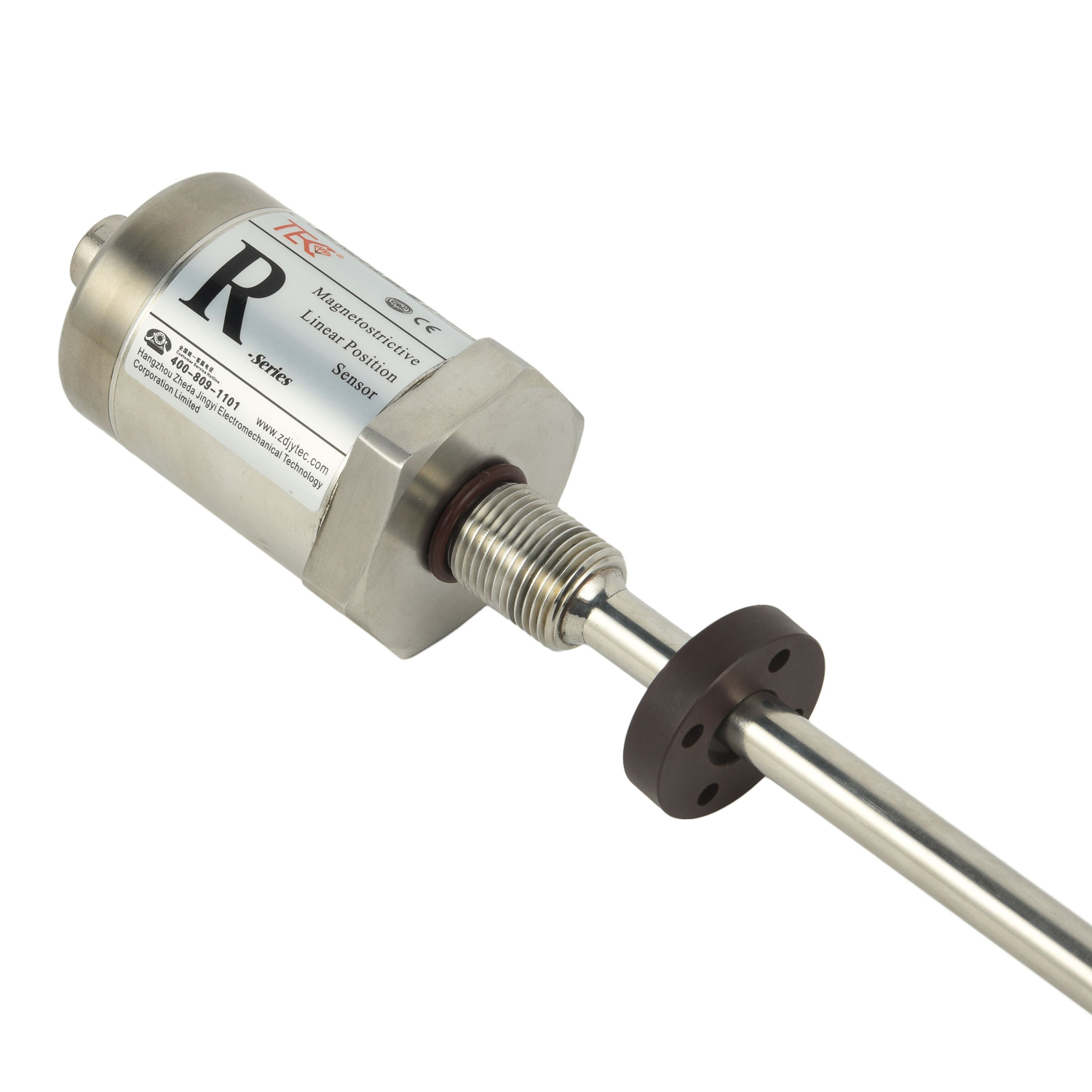
The structural integrity of magnetostrictive gauges makes them exceptionally suitable for challenging chemical applications. Constructed from corrosion-resistant materials such as 316 stainless steel, Hastelloy, or titanium, they withstand aggressive chemical attack that would compromise conventional sensors. The hermetically sealed electronics compartment provides additional protection against environmental factors and chemical exposure. This durable construction ensures long-term reliability while minimizing maintenance requirements, even when exposed to temperature extremes and pressure variations common in chemical processing.
Seamless Integration with Modern Control Systems
Modern magnetostrictive gauges offer comprehensive connectivity options that facilitate integration with plant control and safety systems. They typically feature multiple output options including 4-20mA analog signals, HART protocol, Foundation Fieldbus, or PROFIBUS PA communications. This interoperability allows for real-time monitoring and automated responses to changing conditions. The digital communication capabilities enable remote configuration, diagnostics, and troubleshooting, reducing the need for personnel exposure to hazardous areas during routine operations.
Superior Performance Compared to Alternative Technologies
When evaluated against competing technologies like radar, ultrasonic, or float-based systems, magnetostrictive gauges demonstrate clear advantages for volatile chemical applications. Unlike ultrasonic sensors, they remain unaffected by vapor layers, foam, or changing dielectric constants that plague radar systems. Their immunity to density variations and temperature fluctuations provides more stable readings than hydrostatic methods. The direct level measurement approach eliminates calibration drift issues, maintaining accuracy throughout the instrument's service life without requiring frequent recalibration.
Cost-Effective Operation and Maintenance
Beyond their technical superiority, magnetostrictive gauges deliver significant economic benefits through reduced lifetime costs. The minimal moving parts and non-contact sensing principle result in exceptionally low failure rates and maintenance requirements. Their long-term stability eliminates the need for frequent recalibration, reducing both labor costs and process downtime. The high reliability directly translates to improved plant safety and reduced risk of expensive incidents involving volatile chemical handling.
Future-Ready Technology for Evolving Requirements
As chemical processing facilities face increasingly stringent safety regulations and operational demands, magnetostrictive technology continues to evolve to meet these challenges. Advanced diagnostic capabilities now provide early warning of potential issues before they affect measurement integrity. Ongoing developments in materials science and electronics continue to enhance the performance boundaries of these instruments, ensuring they remain the optimal choice for volatile chemical monitoring in an ever-changing industrial landscape.
 Graybus Cable Fault
 Field Application of Graybus C
 Model and Specification of Gra
 Import Substitute Graybus Cabl