
How does magnetostrictive technology prevent crystallization in level measurement?
In industrial processes where media crystallization poses significant challenges to accurate level measurement, magnetostrictive technology emerges as a revolutionary solution. This advanced measurement method maintains precision where conventional technologies fail, ensuring reliable operations even in the most demanding applications involving crystallizing substances.
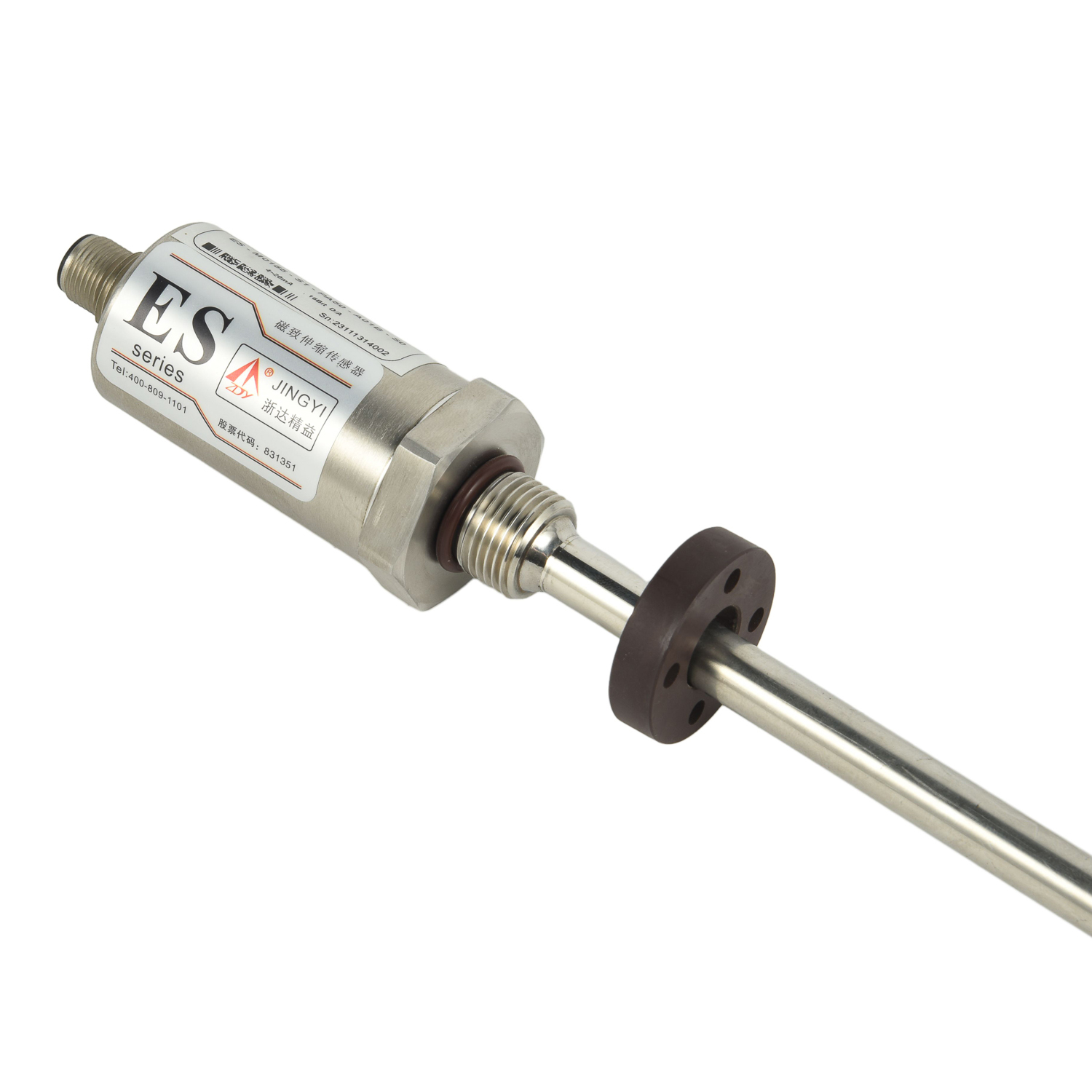
Understanding Magnetostrictive Level Measurement Technology
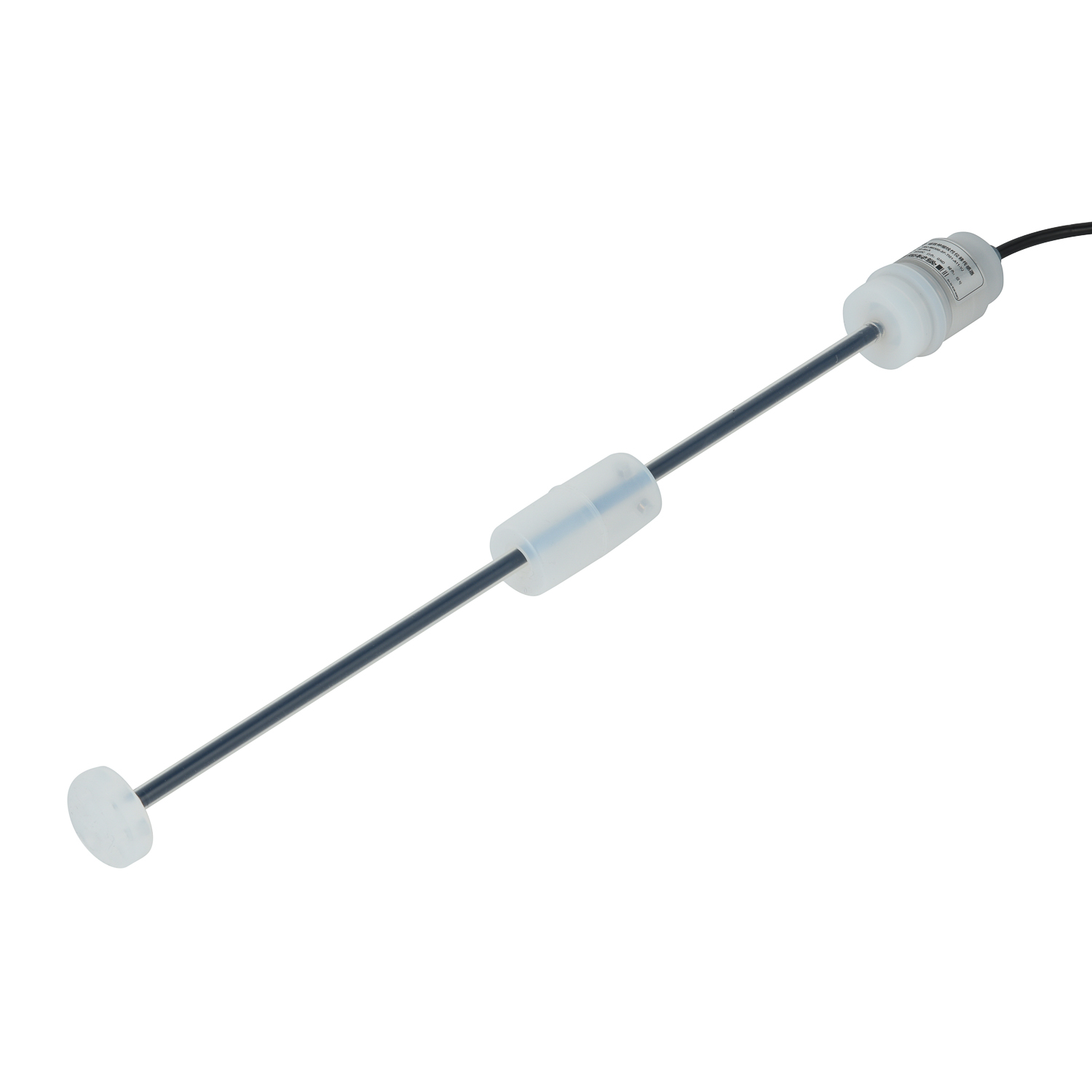
Magnetostrictive level sensors operate on a sophisticated physical principle where a magnetic field interacts with a magnetostrictive waveguide to determine precise liquid levels. The technology utilizes a ferromagnetic wire that twists when subjected to magnetic fields, generating ultrasonic waves that travel along the waveguide. A float containing permanent magnets moves with the liquid level, and when current pulses pass through the waveguide, the interaction creates torsion waves that are detected by the sensor. This precise time-of-flight measurement delivers exceptional accuracy, typically within ±0.05% of full scale, making it ideal for applications where crystallization can compromise measurement reliability.
The Crystallization Challenge in Industrial Level Measurement
Crystallization presents a formidable obstacle in level measurement across various industries, including chemical processing, pharmaceuticals, and food production. When process media crystallize on sensor components, they create false level readings, measurement drift, and eventual sensor failure. Traditional technologies like capacitive sensors experience coating issues, while float-based systems become immobilized by crystal buildup. Ultrasonic sensors face signal interference from crystalline deposits on their transducers. These limitations lead to inaccurate inventory management, process disruptions, and increased maintenance costs, highlighting the critical need for crystallization-resistant measurement solutions.
How Magnetostrictive Design Counters Crystallization
Magnetostrictive sensors incorporate specific design features that inherently resist crystallization effects. The smooth, polished surface of the waveguide provides minimal adhesion points for crystal formation, while the continuous movement of the magnetic float helps prevent crystal buildup along the measurement path. Advanced models feature self-cleaning mechanisms where the float's movement disrupts initial crystal formation. The non-contact measurement principle ensures that crystalline deposits on the probe exterior don't affect the torsional wave propagation inside the waveguide, maintaining measurement integrity even in heavily crystallizing environments.
Key Advantages in Crystallizing Media Applications
The benefits of magnetostrictive technology in crystallization-prone applications are substantial and measurable. These sensors deliver continuous, high-accuracy measurement without requiring frequent cleaning or calibration adjustments. The robust construction withstands aggressive chemical environments while maintaining performance consistency. Maintenance intervals extend significantly compared to alternative technologies, reducing operational downtime and labor costs. The technology's immunity to density changes, viscosity variations, and coating effects makes it particularly valuable in processes where media properties fluctuate during crystallization phases.
Implementation Best Practices for Maximum Effectiveness
Successful implementation of magnetostrictive technology in crystallizing applications requires strategic installation and configuration. Proper sensor orientation minimizes dead zones where crystals might accumulate, while selecting appropriate float designs ensures optimal movement through various crystallization stages. Regular verification checks and appropriate cleaning cycles maintain long-term performance. Integration with automated control systems enables real-time monitoring and early detection of potential issues, allowing proactive maintenance before crystallization impacts process efficiency.
Real-World Applications and Performance Results
Across multiple industries, magnetostrictive technology demonstrates exceptional performance in challenging crystallization scenarios. In caustic soda processing, these sensors maintain accurate level measurement despite heavy crystal formation, whereas other technologies fail within days. In sugar refining operations, they provide reliable inventory control through multiple crystallization cycles. Chemical manufacturing plants report 80% reduction in maintenance requirements compared to previous technologies, while pharmaceutical companies achieve improved batch consistency in crystallization processes through precise level control.
Future Developments and Industry Trends
The evolution of magnetostrictive technology continues to address crystallization challenges with increasing sophistication. New waveguide coatings with ultra-smooth, non-stick surfaces further reduce crystal adhesion, while advanced signal processing algorithms can detect and compensate for minimal crystal buildup. Smart diagnostics now provide early warnings of potential crystallization issues, enabling preventive measures before measurement accuracy becomes compromised. These innovations position magnetostrictive technology as the leading solution for level measurement in increasingly demanding industrial applications involving crystallizing media.
 Graybus Cable Fault
 Field Application of Graybus C
 Model and Specification of Gra
 Import Substitute Graybus Cabl