
What explosion-proof standards apply to magnetostrictive level gauges?
Understanding the critical explosion-proof standards for magnetostrictive level gauges is essential for ensuring safety in hazardous industrial environments. These sophisticated instruments require specific certifications and design features to prevent ignition risks in potentially explosive atmospheres.
Comprehensive Overview of Explosion-Proof Standards
Magnetostrictive level gauges operating in hazardous locations must comply with rigorous international explosion-proof standards. The most recognized certifications include ATEX (Atmosphere Explosible) in Europe and IECEx (International Electrotechnical Commission Explosive) for global applications. In North America, NEC (National Electrical Code) guidelines and UL (Underwriters Laboratories) certifications govern their use. These standards ensure that the devices can safely operate in environments with flammable gases, vapors, or combustible dusts without triggering explosions.
Essential Protection Methods and Classifications
Various protection methods safeguard magnetostrictive level gauges in explosive atmospheres. Intrinsically Safe (IS) designs limit electrical energy to prevent ignition, while Flameproof Enclosures (Ex d) contain any potential explosions within robust housing. Increased Safety (Ex e) methods prevent excessive temperatures and sparks, and Non-Incendive (NI) designs ensure circuits cannot ignite specified gases. Equipment classifications include Class I for flammable gases/vapors, Class II for combustible dusts, and Class III for ignitable fibers, with Division or Zone systems identifying the probability of hazardous material presence.
Certification Requirements and Compliance
Manufacturers must obtain third-party certifications demonstrating compliance with explosion-proof standards. These certifications involve rigorous testing of materials, construction methods, and safety mechanisms. Proper documentation including explosion-proof certificates, technical specifications, and installation guidelines must accompany each device. Regular audits and recertification processes ensure ongoing compliance, while proper labeling indicates the specific hazardous areas where the equipment can be safely installed and operated.
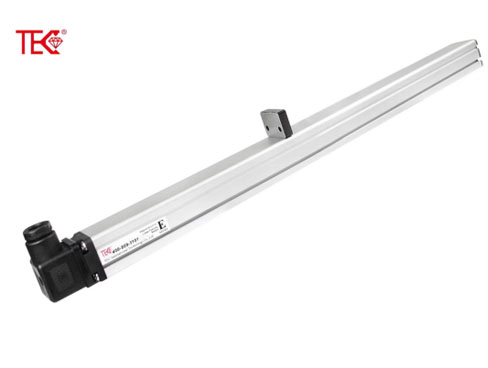
Installation Considerations in Hazardous Locations
Correct installation practices are crucial for maintaining explosion-proof integrity. Qualified personnel must install magnetostrictive level gauges following manufacturer specifications and local regulations. Proper grounding, appropriate cable entries, and verified clearance distances prevent potential ignition sources. Environmental factors including temperature ratings, chemical compatibility, and pressure conditions must align with the equipment's certified capabilities to ensure continuous safe operation in classified hazardous areas.
Maintenance and Safety Protocols
Regular maintenance following explosion-proof guidelines preserves the safety features of magnetostrictive level gauges. Only trained technicians should perform inspections and repairs using approved procedures. Safety protocols require de-energizing equipment before servicing in hazardous areas unless using specially designed hot work permits. Documentation of all maintenance activities, along with periodic integrity checks of explosion-proof enclosures and components, ensures continued compliance with safety standards throughout the equipment's operational lifecycle.
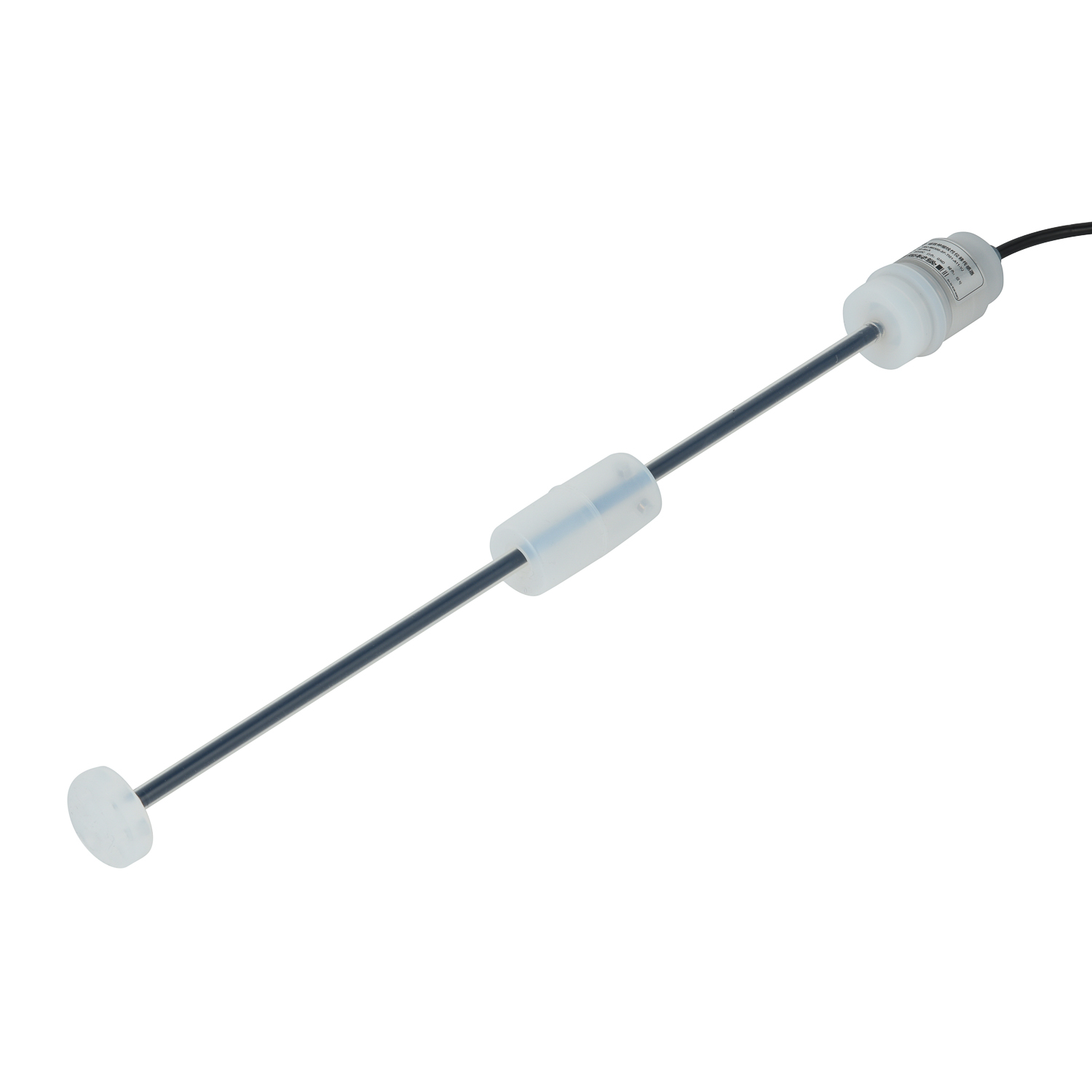 Graybus Cable Fault
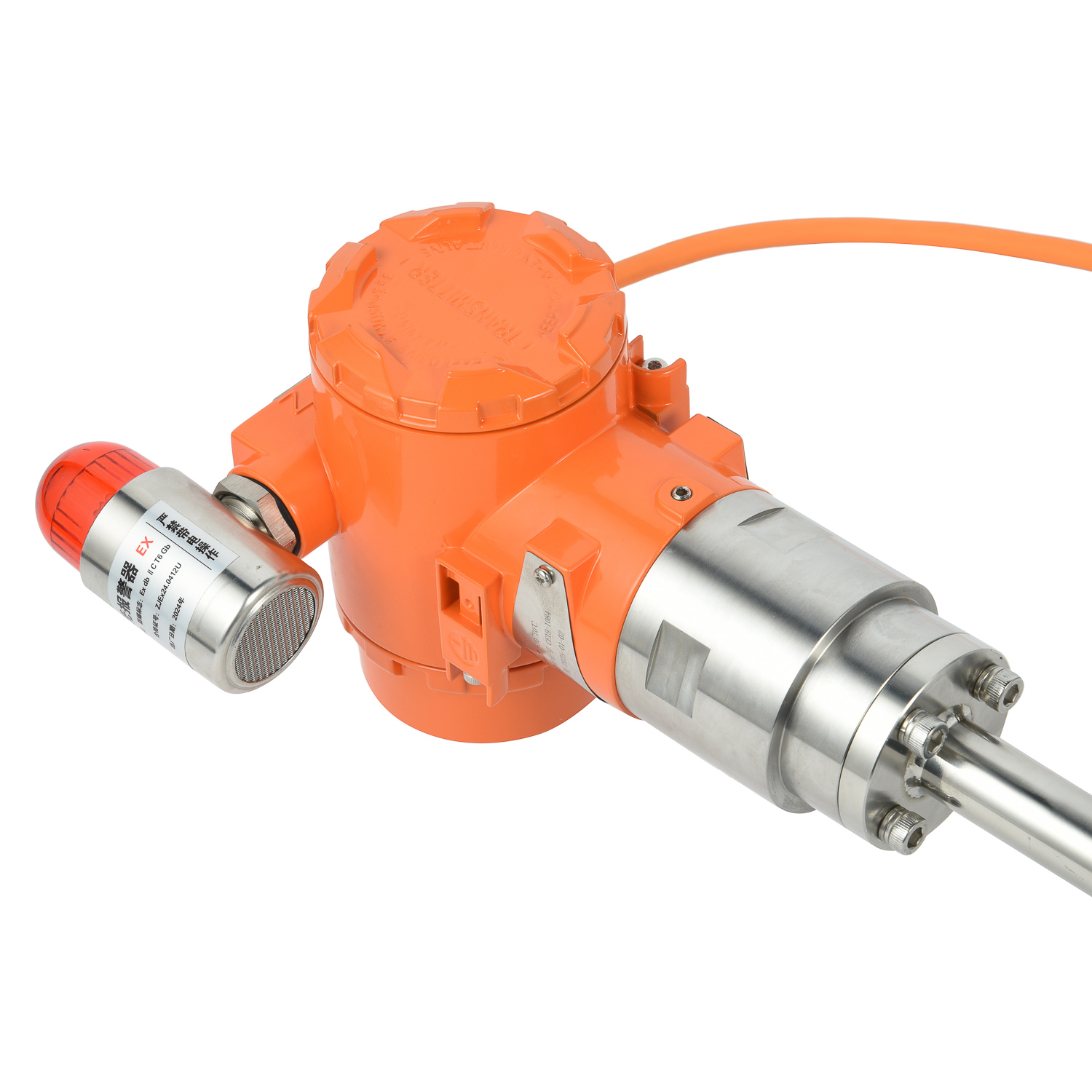 Field Application of Graybus C
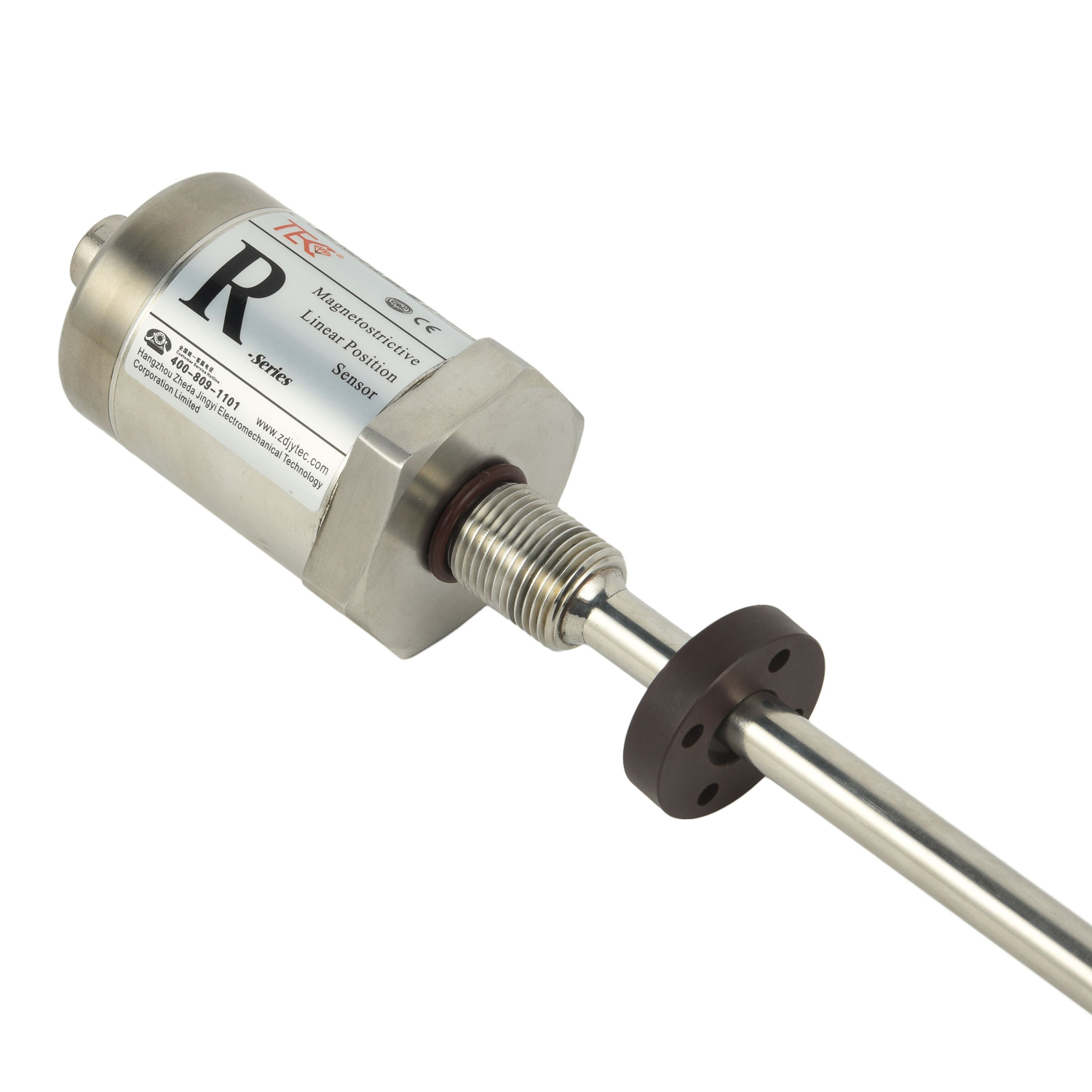 Model and Specification of Gra
 Import Substitute Graybus Cabl