
How do magnetostrictive level gauges measure in high-temperature steam environments?
In industrial processing facilities worldwide, accurate level measurement in high-temperature steam environments represents one of the most challenging instrumentation applications. Magnetostrictive level gauges have emerged as the preferred technology for these demanding conditions, offering exceptional reliability where other technologies fail. Their unique operating principle and robust construction make them ideally suited for applications involving saturated steam, superheated steam, and other high-temperature media that would compromise conventional measurement devices.
Understanding Magnetostrictive Technology Fundamentals
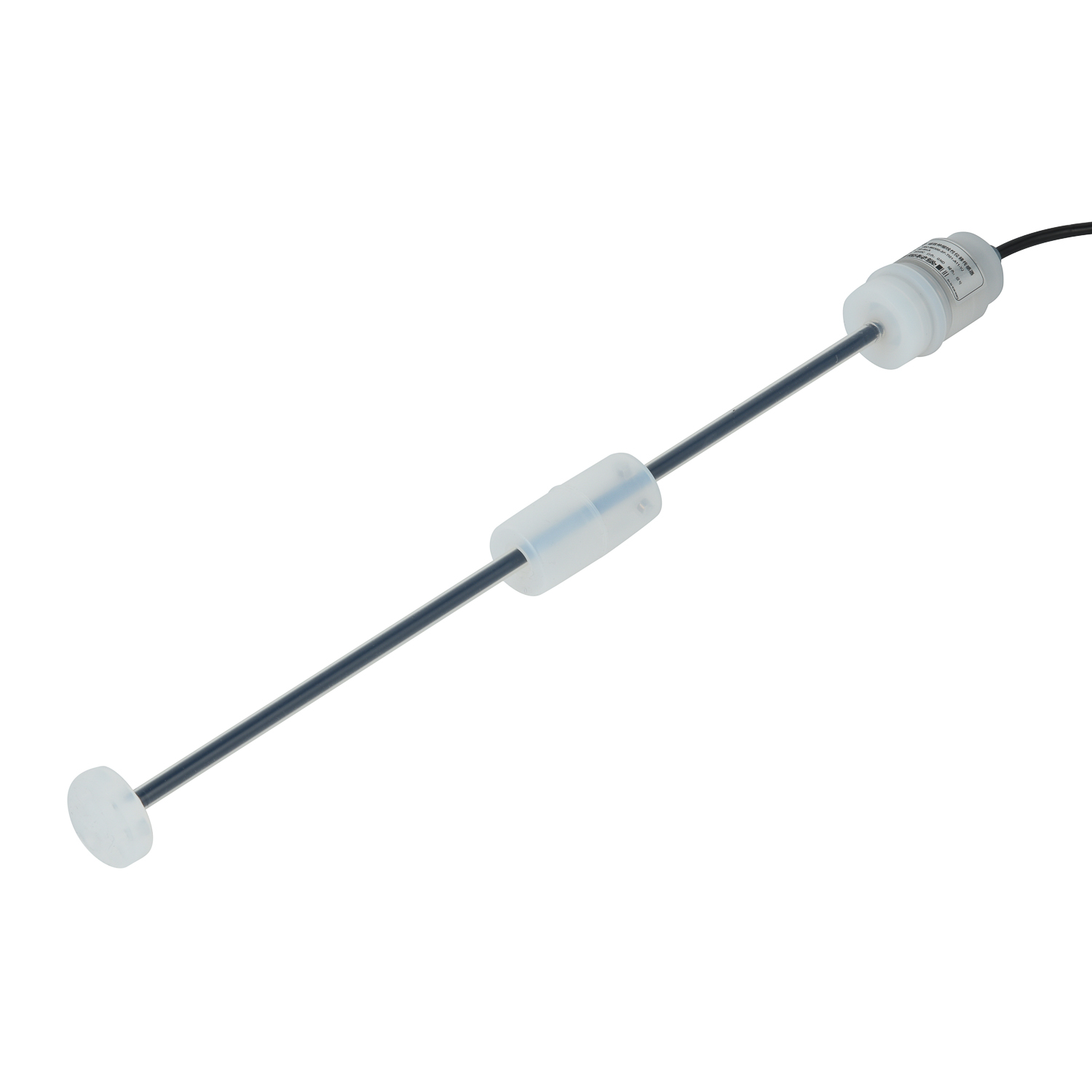
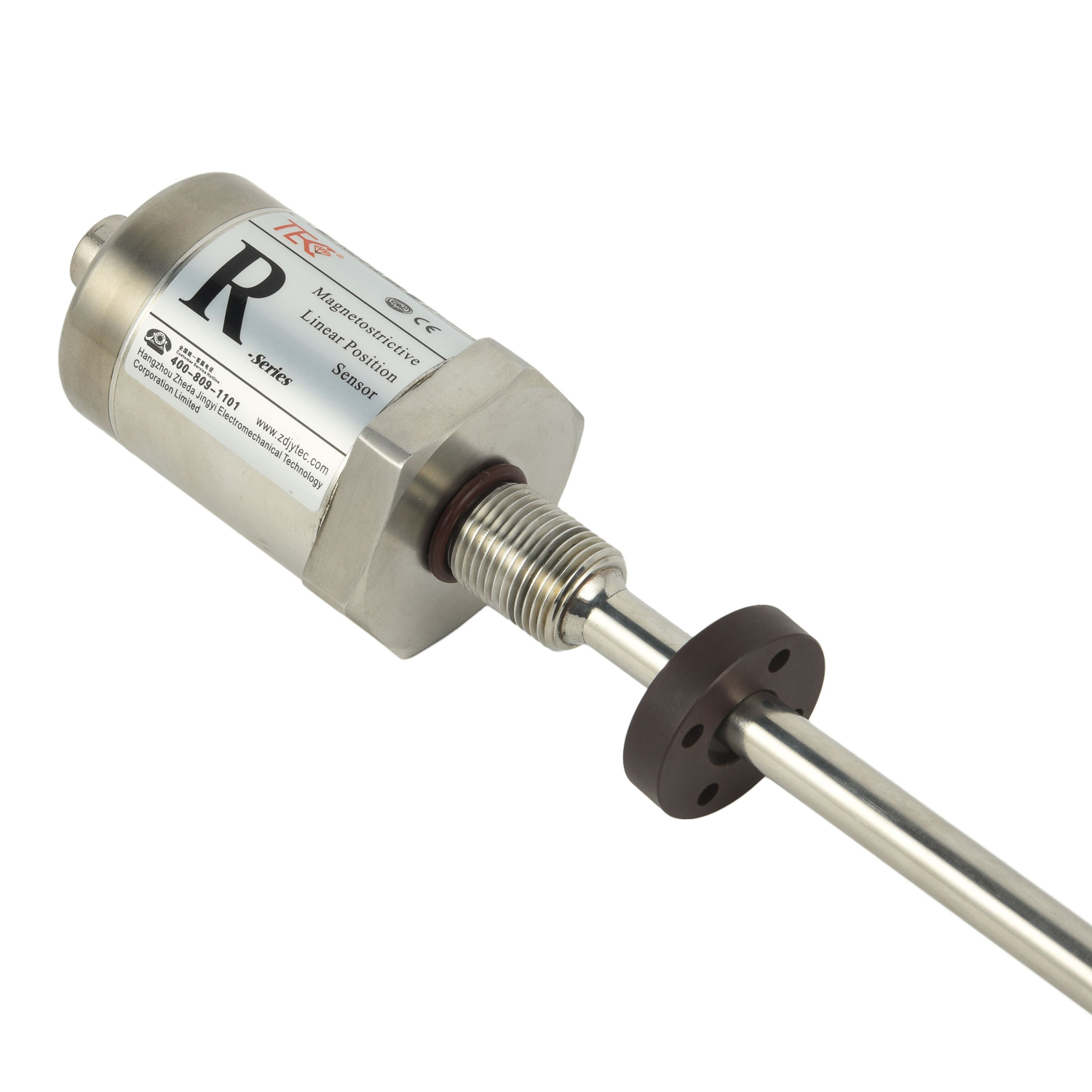
At the core of magnetostrictive level measurement lies a sophisticated yet fundamentally straightforward physical principle. The technology utilizes a ferromagnetic waveguide wire enclosed within a protective tube, through which precise electrical current pulses are transmitted. A specially engineered float containing permanent magnets moves freely along the waveguide, precisely tracking the liquid surface level. When the current pulse interacts with the magnetic field from the float, it generates a torsional stress wave that travels back along the waveguide at a consistent velocity. Sophisticated electronic circuitry precisely measures the time interval between pulse transmission and wave detection, calculating the exact float position with remarkable accuracy typically within ±0.5mm. This non-contact measurement principle eliminates mechanical wear while ensuring long-term stability.
Robust Construction for Extreme Thermal Conditions

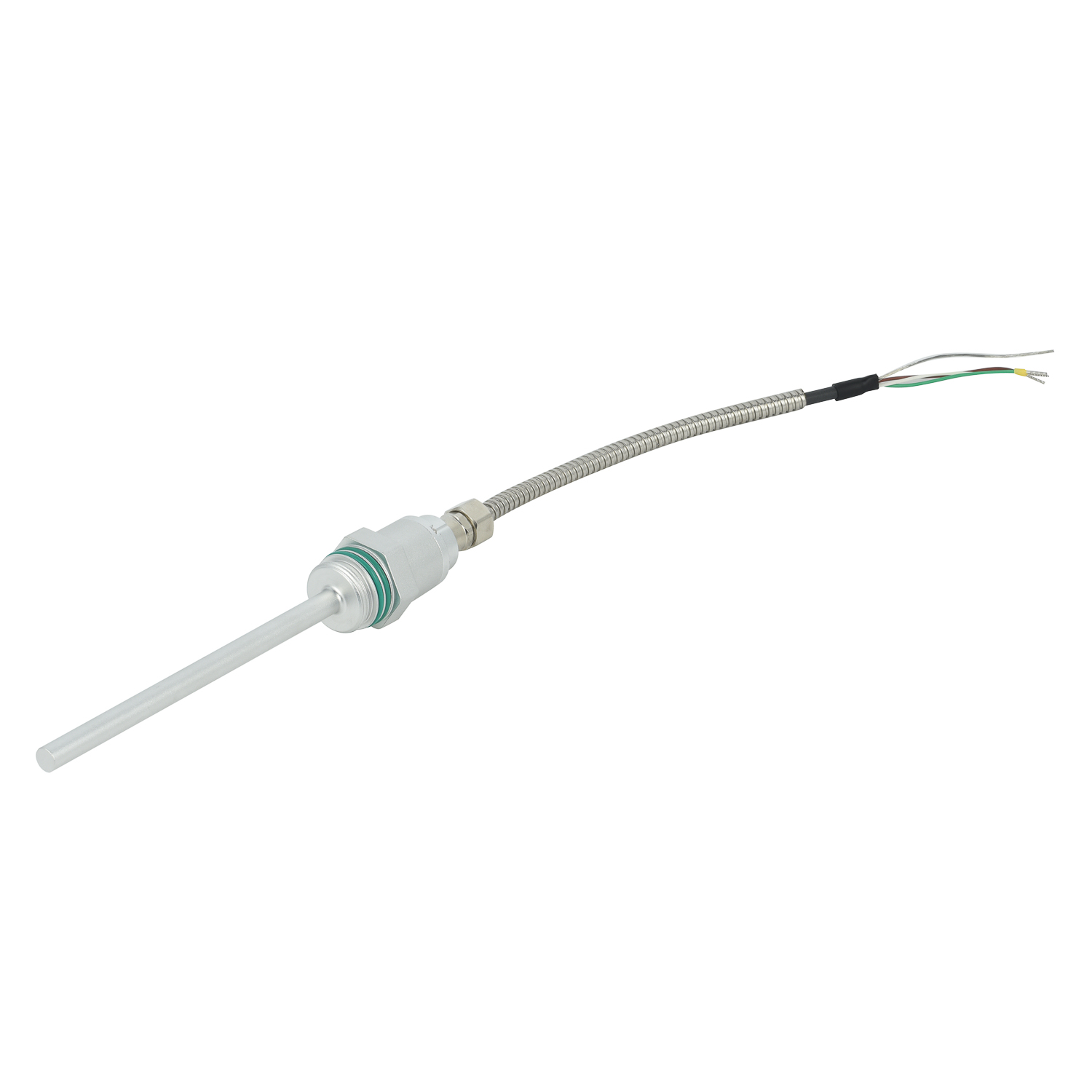
Magnetostrictive level gauges destined for high-temperature steam service incorporate specialized design features that distinguish them from standard models. The waveguide assembly is typically manufactured from high-grade stainless steel or specialized alloys capable of withstanding temperatures exceeding 400°C while maintaining dimensional stability. Advanced thermal compensation algorithms are embedded within the transmitter electronics, automatically correcting for any minor dimensional changes that occur across the operating temperature spectrum. The float is precisely engineered with specific material selection and internal construction to maintain buoyancy and magnetic characteristics despite density changes in the surrounding medium. Specialized high-temperature seals and gasket materials prevent steam penetration while accommodating differential thermal expansion between components.
Overcoming Steam Environment Measurement Challenges
High-temperature steam presents multiple measurement obstacles that magnetostrictive technology effectively overcomes. The intense thermal energy can cause conventional level technologies to experience signal drift, material degradation, or complete failure. Magnetostrictive gauges maintain measurement integrity because the timing wave velocity remains constant regardless of temperature fluctuations, ensuring consistent measurement accuracy. The non-contact nature of the technology eliminates mechanical components that could bind or fail under thermal stress. Additionally, the robust construction prevents steam condensation within the measuring chamber from affecting performance, a common failure point for other technologies. The system's immunity to steam density variations and pressure changes further enhances reliability in these demanding applications.
Implementation Best Practices for Optimal Performance
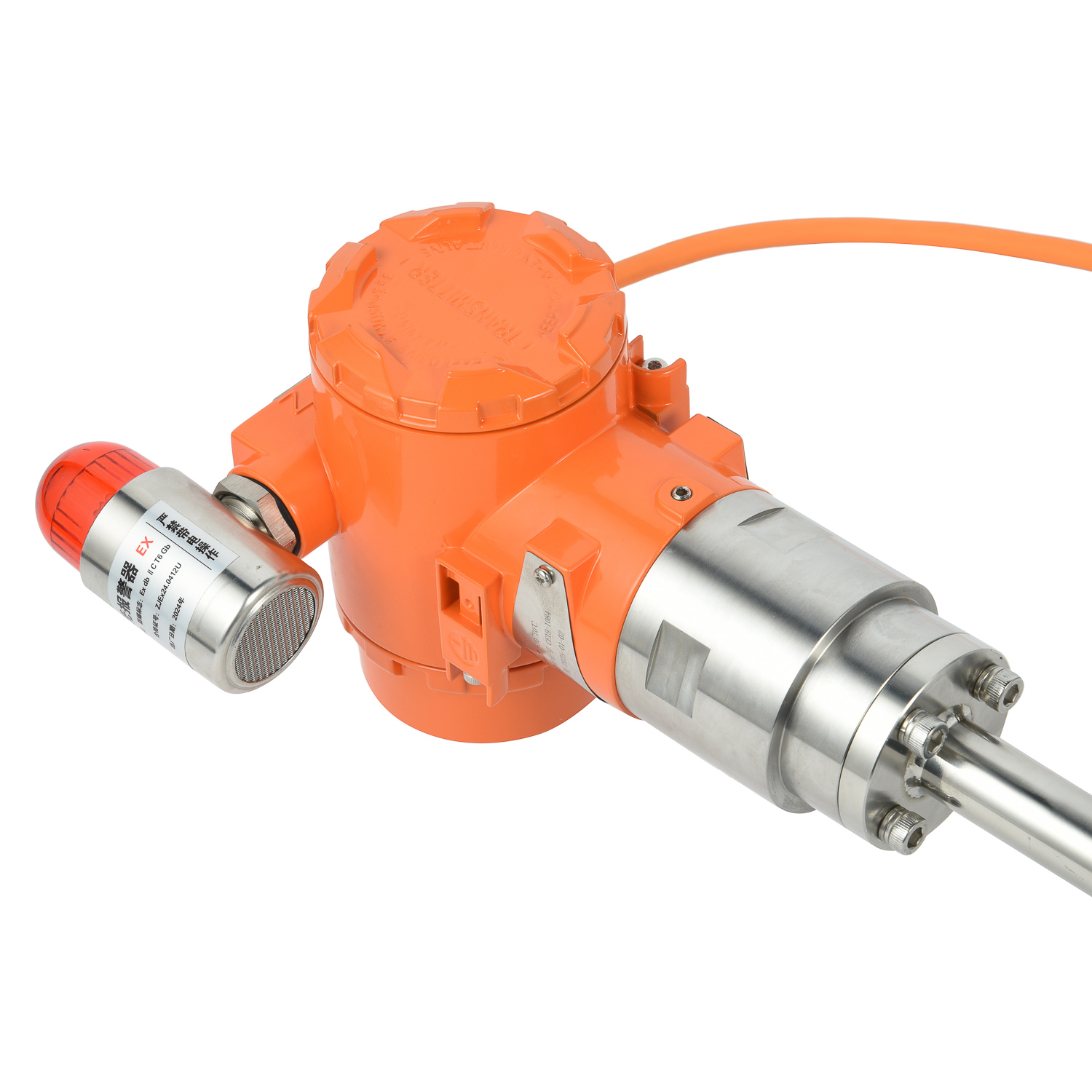
Proper installation and configuration are crucial for maximizing magnetostrictive level gauge performance in high-temperature steam applications. Installation should position the gauge to minimize direct impingement of high-velocity steam, which could cause unnecessary turbulence and measurement noise. Sufficient thermal isolation between the process connection and electronics housing prevents heat transfer that could damage sensitive components. Calibration should be performed with consideration for the specific steam temperature and pressure conditions, utilizing advanced diagnostic features available in modern transmitters to verify proper operation. Regular maintenance should include verification of float freedom and inspection for any mineral deposits that might accumulate on the waveguide, though the self-cleaning action of the moving float typically minimizes such concerns.
Comparative Advantages Over Alternative Technologies
When evaluated against competing level measurement technologies for high-temperature steam applications, magnetostrictive gauges demonstrate distinct advantages. Unlike float-operated mechanical gauges, they eliminate linkage mechanisms prone to binding under thermal cycling. Compared to differential pressure systems, they don't require remote seals or capillary tubes that can introduce measurement errors and maintenance requirements. They outperform guided wave radar in high-temperature applications where dielectric constant variations can affect measurement stability. Their solid-state construction with no moving parts in the measurement element provides superior reliability over displacer-type instruments. The direct absolute measurement principle eliminates the calibration drift issues common with technologies relying on inferred measurement principles.
Future Developments and Industry Trends
The evolution of magnetostrictive level technology continues to address increasingly demanding high-temperature applications. Recent advancements include specialized coatings that provide additional protection against corrosive elements sometimes present in steam systems. Enhanced diagnostic capabilities now enable predictive maintenance by detecting subtle changes in signal characteristics that indicate potential issues before they affect measurement accuracy. Integration with digital communication protocols like HART, Foundation Fieldbus, and Profibus PA facilitates seamless incorporation into sophisticated plant control systems. Wireless versions are emerging for applications where cabling presents installation challenges. These continuous improvements ensure magnetostrictive technology remains at the forefront of level measurement for extreme temperature applications.
 Graybus Cable Fault
 Field Application of Graybus C
 Model and Specification of Gra
 Import Substitute Graybus Cabl