
How to implement anti-crystallization level gauges with magnetostrictive technology?
In industrial processes where liquids are prone to crystallization, accurate level measurement becomes particularly challenging. Conventional level gauges often fail when crystalline formations interfere with their operation, leading to inaccurate readings and potential process disruptions. This is where specialized anti-crystallization level gauges utilizing magnetostrictive technology offer a robust solution for reliable monitoring even in the most demanding applications.
Understanding Magnetostrictive Technology Fundamentals
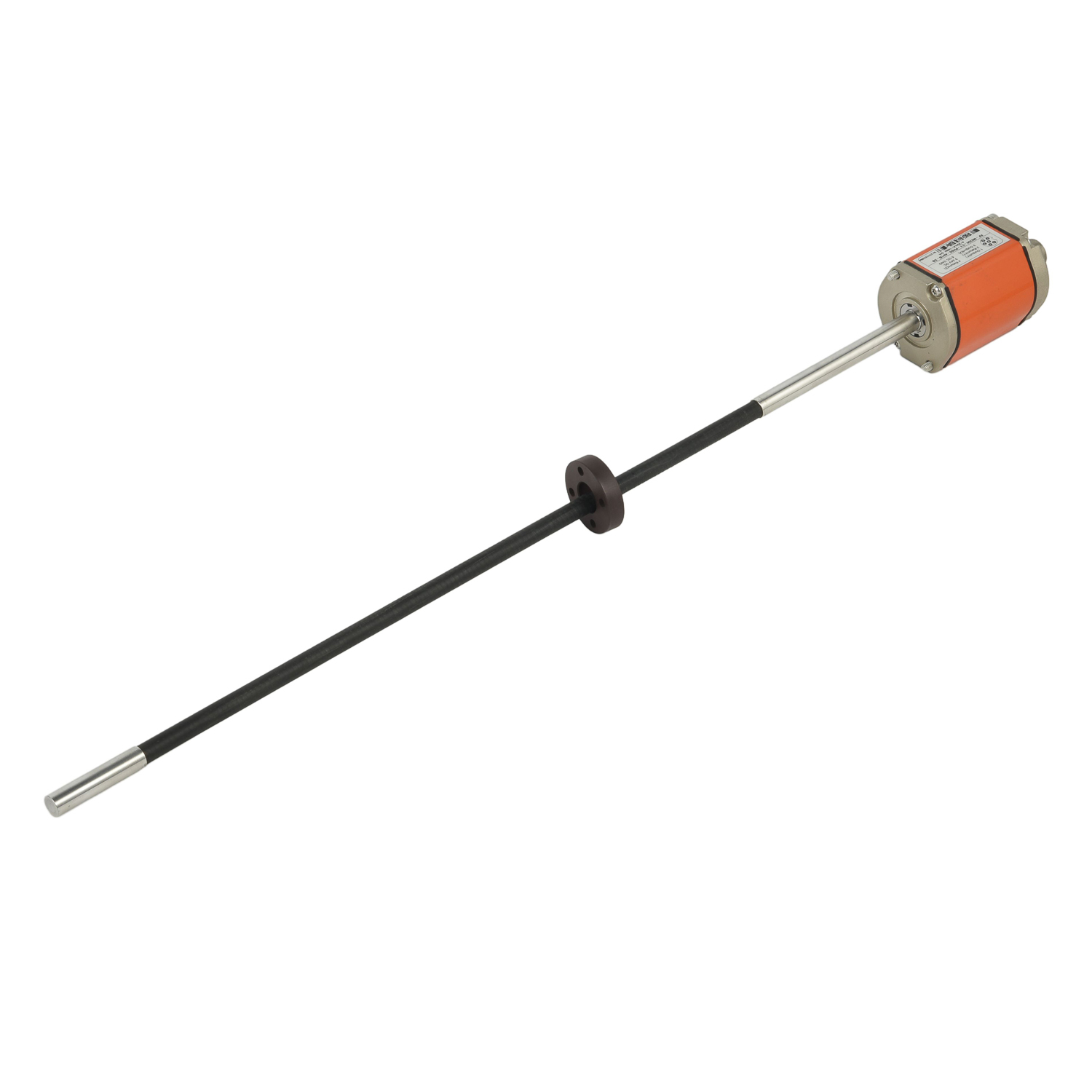
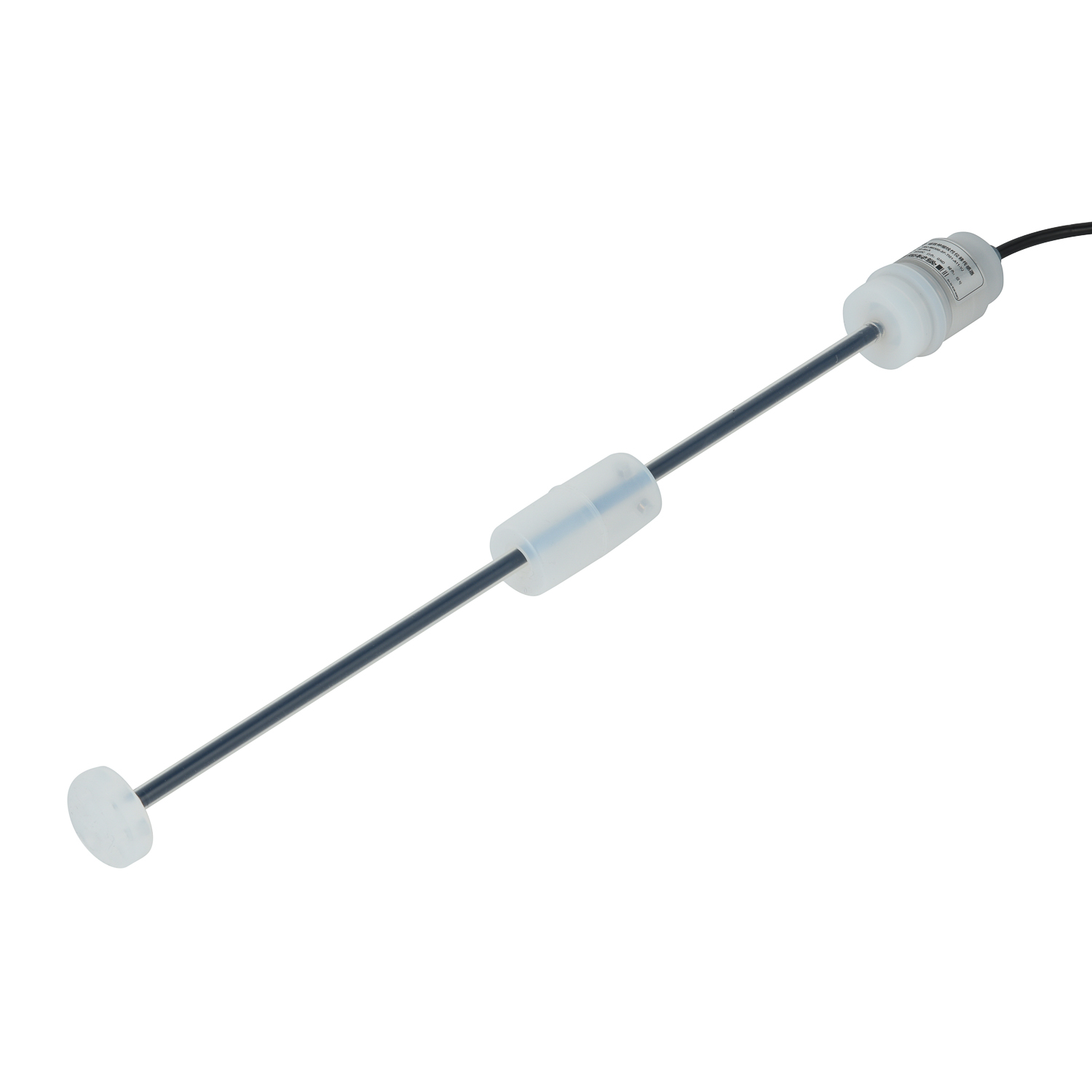
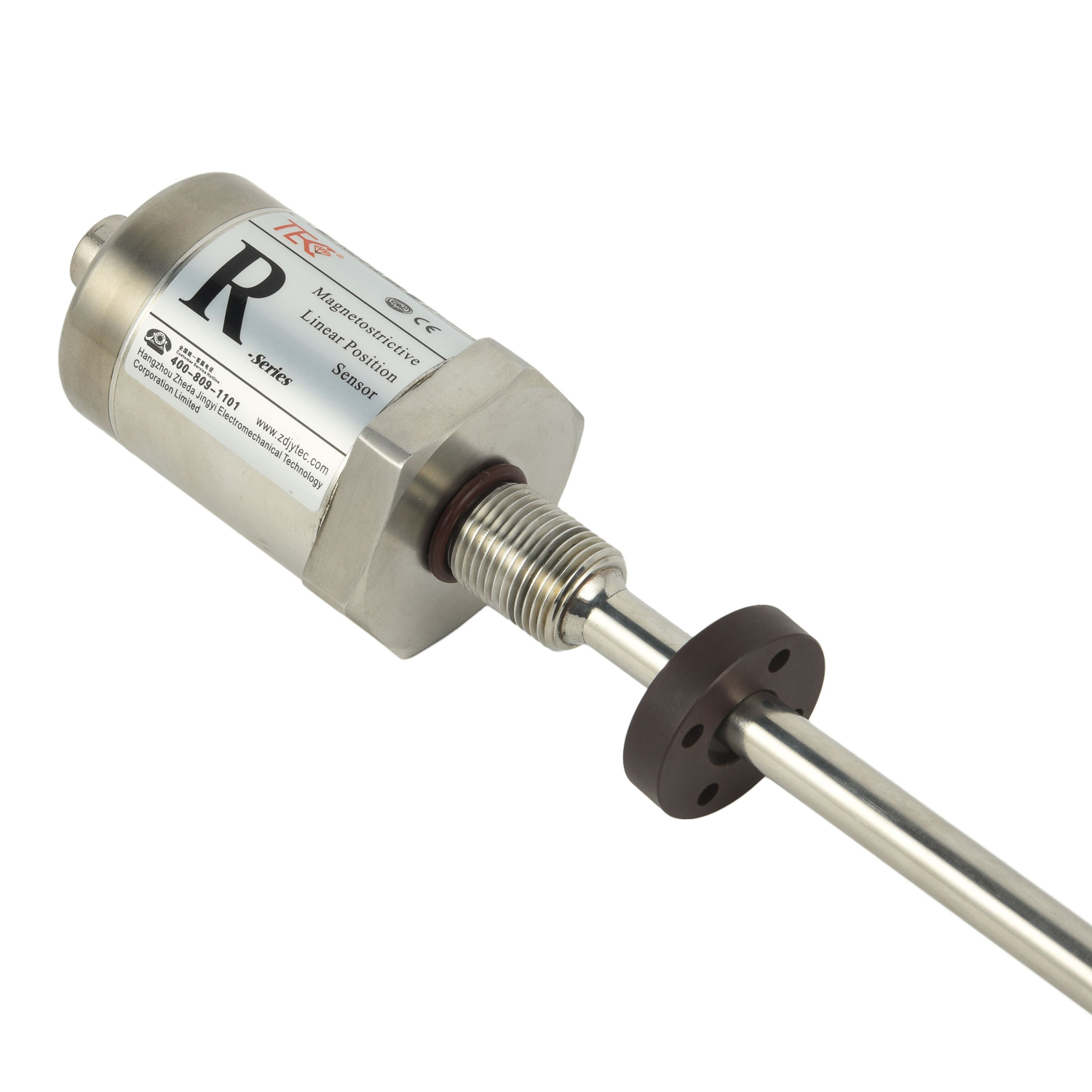
Magnetostrictive level transmitters operate on a sophisticated physical principle that enables highly precise position detection. The technology utilizes a ferromagnetic waveguide wire enclosed within a protective tube, with a permanent magnet mounted inside a float that moves along this tube. When an electrical current pulse is sent through the waveguide, it interacts with the magnetic field from the float magnet, generating a torsional stress wave that travels back to the sensor head at a constant velocity. By precisely measuring the time interval between the current pulse initiation and the return wave detection, the system calculates the exact position of the float with exceptional accuracy, typically within millimeters.
Addressing Crystallization Challenges in Level Measurement
Crystallization presents multiple obstacles for conventional level measurement devices. As process liquids form crystalline deposits on sensing elements, mechanical moving parts can become jammed, optical surfaces get obscured, and capacitance-based sensors experience signal drift. These issues lead to erroneous readings, increased maintenance requirements, and potential process shutdowns. Industries dealing with caustic soda, ammonium sulfate, molten sulfur, or various salt solutions frequently encounter these problems, necessitating specialized level measurement approaches that can withstand such harsh conditions.
Design Features of Anti-Crystallization Magnetostrictive Gauges
Anti-crystallization magnetostrictive level gauges incorporate specific design enhancements to combat crystalline buildup effectively. The probe features an exceptionally smooth surface finish that minimizes points for crystal nucleation and adhesion. Many designs incorporate thermal tracing capabilities to maintain optimal temperature conditions that prevent crystallization directly on the probe surface. The float is engineered with a scraping or wiping action that continuously clears any minor crystalline formations as it moves along the probe. Additionally, the waveguide is fully enclosed within a sealed tube, completely isolating the sensing element from process media while maintaining measurement accuracy.
Installation Best Practices for Reliable Performance
Proper installation significantly impacts the long-term reliability of anti-crystallization magnetostrictive level gauges. Position the gauge away from inlet streams or agitation sources that might cause turbulent level conditions. Ensure adequate clearance around the entire probe length to allow unimpeded float movement and facilitate any necessary maintenance activities. For applications with rapid crystallization tendencies, consider mounting the unit with a slight inclination from vertical to encourage natural shedding of crystalline deposits. Implement appropriate thermal management systems if temperature control is required to maintain process media in liquid state, connecting tracing lines before commissioning the instrument.
Calibration and Configuration Procedures
Modern magnetostrictive level transmitters offer extensive configuration options to match specific application requirements. During commissioning, establish accurate zero and span reference points corresponding to the empty and full conditions of the vessel. Configure output signals—typically 4-20mA analog, HART, Profibus, or Foundation Fieldbus—to interface seamlessly with existing control systems. Set appropriate damping values to filter out minor level fluctuations while maintaining responsiveness to actual level changes. For interfaces between immiscible liquids, configure the transmitter to detect the specific gravity change point, enabling simultaneous measurement of both layers with a single instrument.
Maintenance Strategies for Long-Term Reliability
While magnetostrictive anti-crystallization level gauges require significantly less maintenance than mechanical alternatives, establishing a proactive maintenance schedule ensures continuous optimal performance. Implement regular visual inspections to verify unobstructed float movement and check for any unusual crystalline buildup patterns. Periodically validate calibration against manual tank measurements or other reference methods to confirm measurement accuracy. For applications with aggressive crystallization, schedule preventive cleaning during planned process shutdowns using compatible cleaning solutions that won't damage the probe's specialized surface finish.
Applications Across Industrial Sectors
Anti-crystallization magnetostrictive level gauges deliver exceptional value across numerous industries where crystallization challenges conventional measurement approaches. In chemical processing, they reliably monitor caustic solutions, molten sulfur, and various crystallizing intermediates. Fertilizer manufacturers utilize them for ammonium phosphate and urea solution applications. Food processing applications include concentration measurement of sugar syrups and salt brines. Pharmaceutical manufacturers employ them in crystallization tanks where precise endpoint detection is critical for product quality. In wastewater treatment, they effectively measure lime slurry and other chemical additive levels despite challenging conditions.
Advantages Over Alternative Measurement Technologies
Compared to other level measurement technologies, magnetostrictive anti-crystallization gauges offer distinct operational benefits. Their non-contact measurement principle eliminates mechanical wear issues associated with moving parts. The fully enclosed sensing element remains completely isolated from process media, ensuring long-term stability and reliability. They provide exceptional measurement accuracy, typically ±0.05% of full scale, with excellent repeatability for process control applications. With minimal maintenance requirements and no need for regular recalibration, they offer significantly lower total cost of ownership compared to radar, ultrasonic, or nuclear-based alternatives in crystallization applications.
Troubleshooting Common Operational Issues
Even with robust design features, understanding potential issues ensures quick resolution when they occur. If the gauge shows erratic readings or loss of signal, verify that crystalline buildup hasn't restricted float movement. Check for proper electrical connections and grounding, as improper installation often causes signal interference. Confirm that process temperature remains within the instrument's specified operating range, as extreme conditions can affect performance. If the measured value appears stable but incorrect, verify calibration parameters and probe length settings in the transmitter configuration. For communication failures with control systems, check protocol settings and cable integrity between devices.
Future Developments in Crystallization-Resistant Level Measurement
The evolution of anti-crystallization level measurement continues with several promising advancements. Next-generation surface treatments using nano-coating technologies further reduce crystal adhesion tendencies. Enhanced signal processing algorithms can detect and compensate for minor crystalline effects before they impact measurement accuracy. Wireless connectivity options simplify installation in hard-to-reach locations while providing comprehensive diagnostic information. Integrated cleaning systems that periodically activate without process interruption are under development for the most challenging applications. These innovations will further expand the capabilities of magnetostrictive technology in combating crystallization challenges across industrial processes.
 Graybus Cable Fault
 Field Application of Graybus C
 Model and Specification of Gra
 Import Substitute Graybus Cabl