
What's the precise solution for magnetostrictive level gauges in lubricant storage tanks?
In industrial operations requiring exact fluid management, magnetostrictive level gauges represent the gold standard for monitoring lubricant storage tanks. These sophisticated instruments deliver unprecedented accuracy in tracking lubricant volumes, enabling facilities to maintain optimal inventory levels while preventing costly shortages or overflows. The technology's reliability makes it indispensable for industries where lubricant integrity directly impacts operational continuity.
How Magnetostrictive Technology Revolutionizes Level Measurement
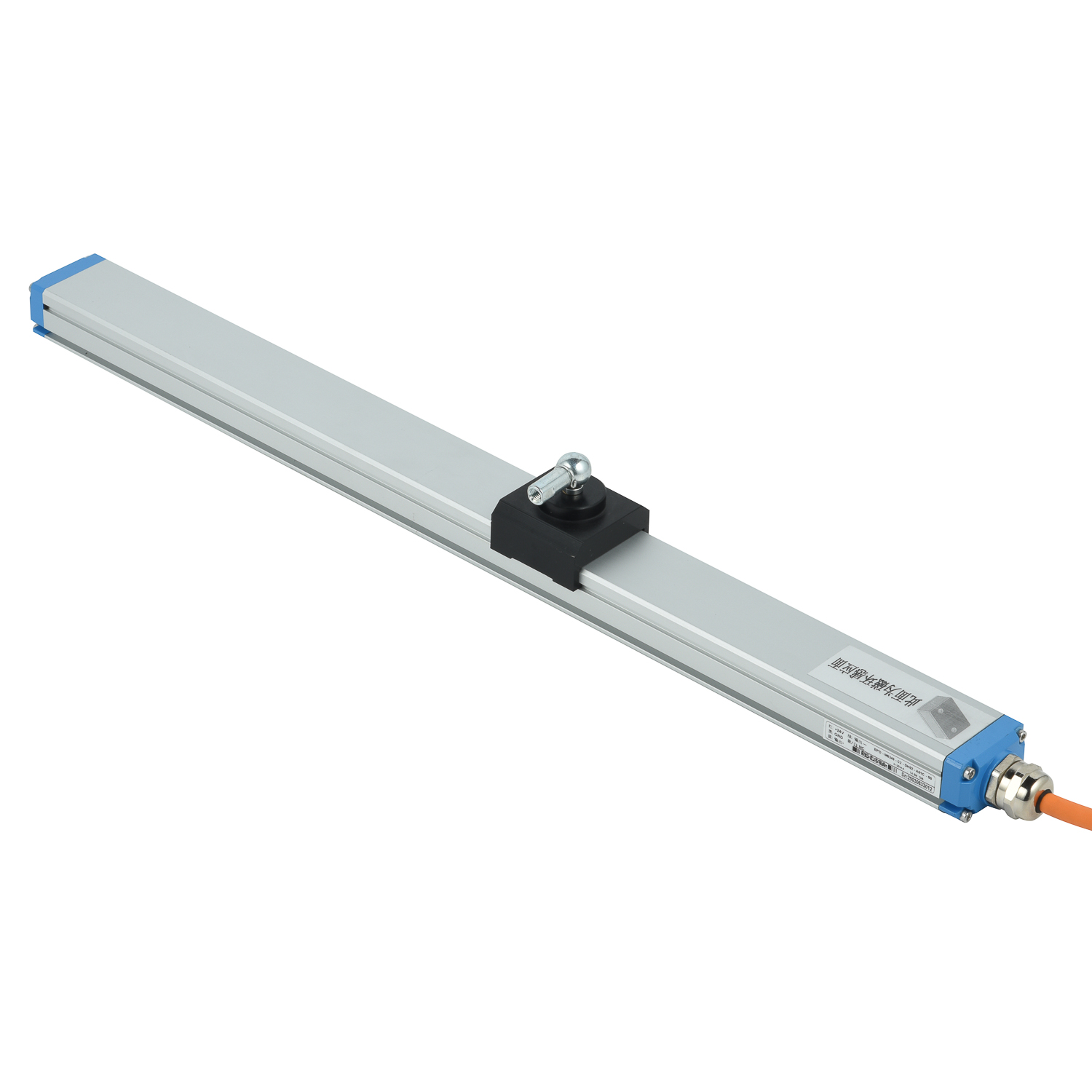
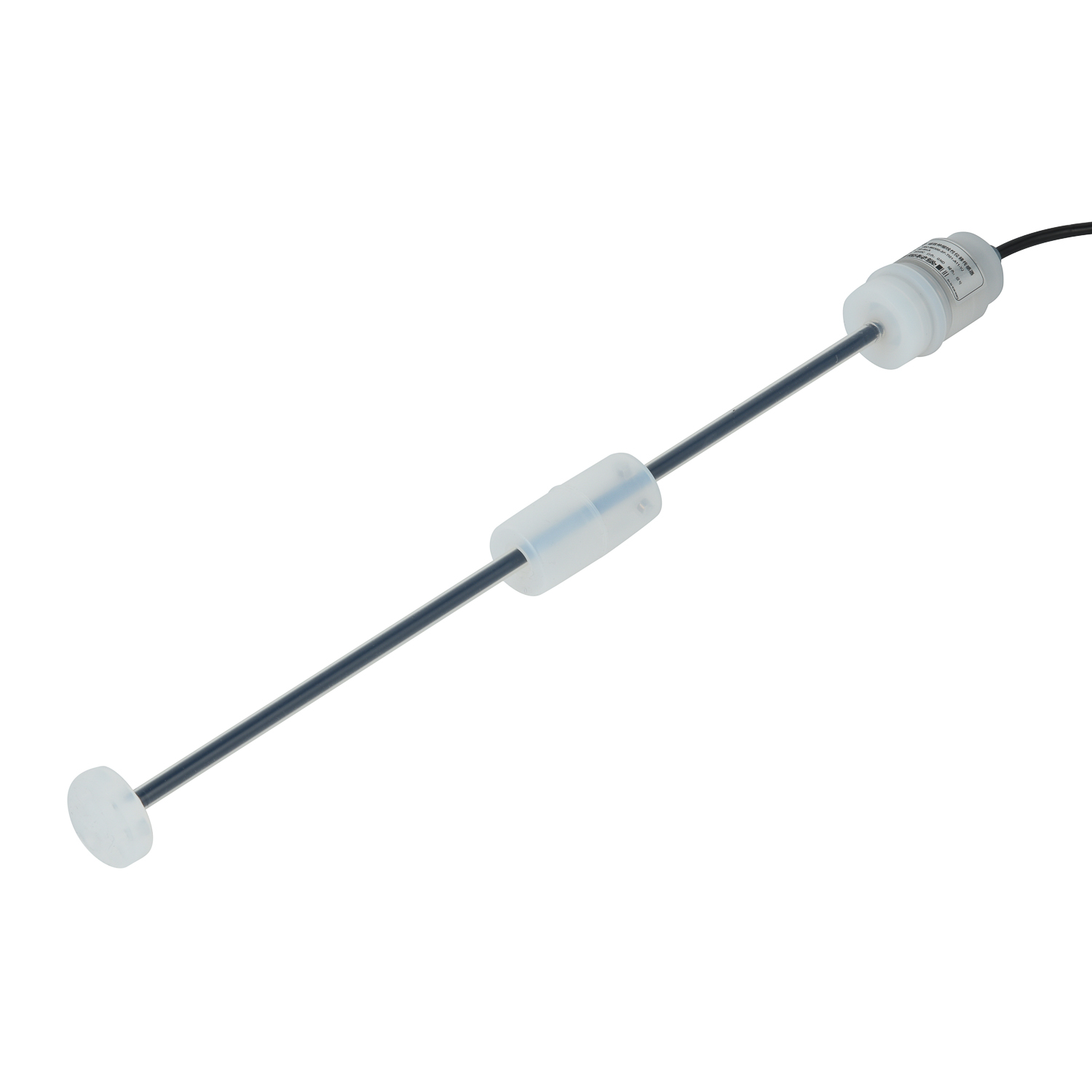
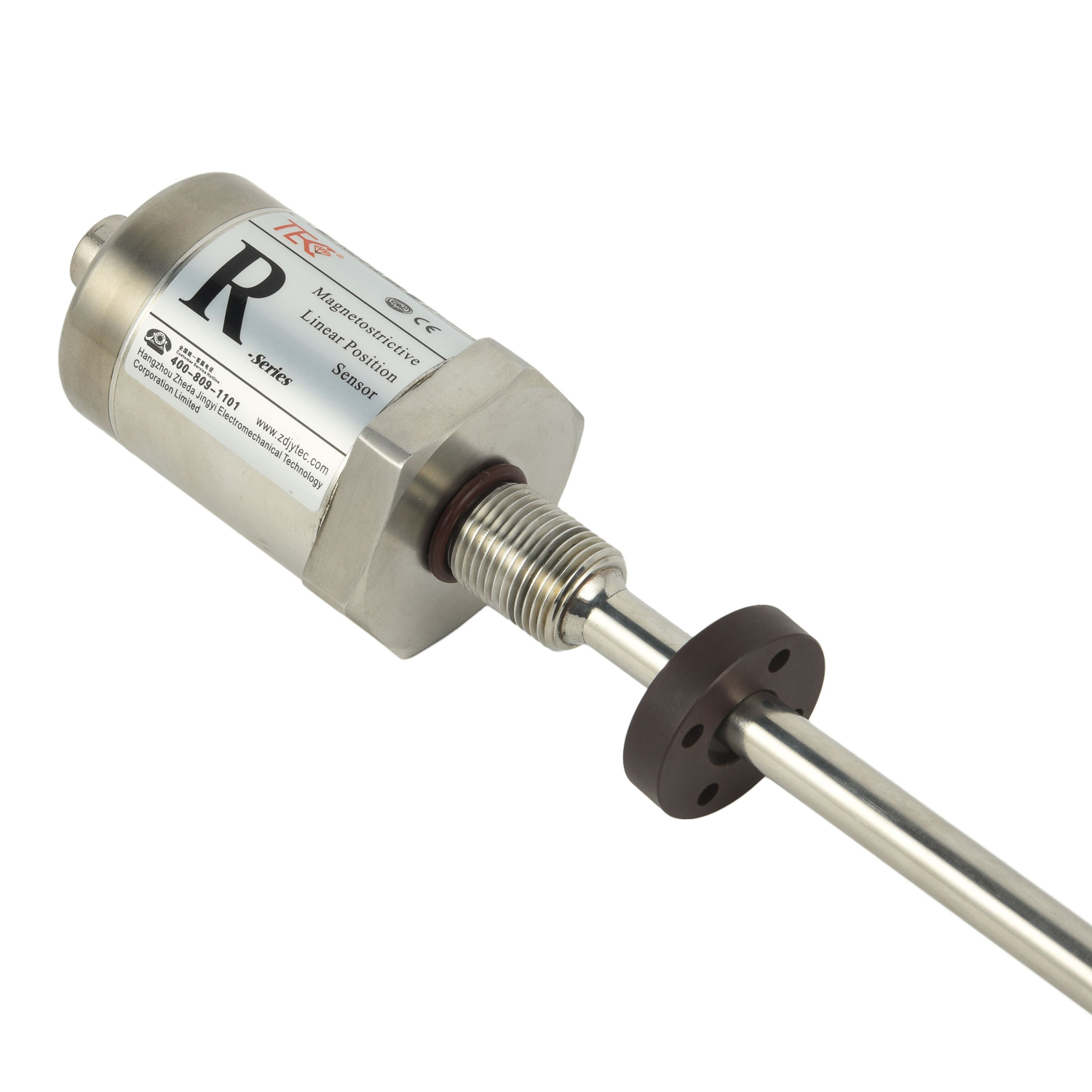
Magnetostrictive level gauges operate through a sophisticated interaction between magnetic fields and mechanical waves. A waveguide wire within the probe generates a torsional stress wave when interacting with magnetic floats positioned at the liquid surface. The system calculates fluid height by measuring the time difference between the initiation and return of these waves. This non-contact measurement method achieves remarkable precision with typical accuracies reaching ±0.05% of full scale, far surpassing traditional mechanical float gauges while eliminating moving parts that could degrade over time.
Critical Advantages for Lubricant Storage Applications
The implementation of magnetostrictive level gauges in lubricant tanks provides multiple operational benefits that justify their premium positioning. These systems deliver continuous real-time data without requiring manual dipping or visual inspections, significantly reducing labor costs and potential human error. Their robust construction ensures reliable performance across varying temperatures and viscosities common to industrial lubricants. The technology's immunity to dielectric constant changes means measurements remain consistent even as lubricant properties evolve during storage, while the absence of mechanical linkages eliminates calibration drift common in other level sensing technologies.
Optimal Installation Practices for Maximum Performance
Proper installation represents the foundation for achieving specified measurement accuracy in lubricant storage scenarios. Installers must position magnetostrictive probes vertically within tanks, maintaining sufficient clearance from walls and internal obstructions to prevent false echoes. For large-diameter tanks exceeding 3 meters, multiple gauges may be necessary to account for potential uneven tank floors or fluid surface distortion. Integration with existing control systems typically occurs through standardized 4-20mA analog signals or digital protocols like HART, facilitating seamless data incorporation into facility-wide monitoring platforms.
Maintenance Protocols Ensuring Long-Term Reliability
While magnetostrictive level gauges require minimal routine maintenance, establishing proactive inspection schedules maximizes operational lifespan in lubricant service. Quarterly verification checks against manual tank gauging help confirm measurement integrity, while annual electronic module inspections prevent undetected performance degradation. The magnetic floats necessitate particular attention in lubricant applications, as accumulated sludge or viscous buildup can impair proper float movement and magnetic coupling. Modern diagnostic capabilities embedded in advanced models automatically alert operators to developing issues before they impact measurement accuracy.
Economic Impact and Operational Efficiency Gains
The transition to magnetostrictive level measurement technology generates substantial financial benefits throughout lubricant storage operations. Facilities document typical inventory reduction of 5-15% through elimination of safety margins previously required with less accurate measurement methods. The precision data enables just-in-time ordering practices that minimize capital tied in lubricant inventories while preventing production interruptions. Automated monitoring reduces labor requirements for manual tank checking by up to 80%, reallocating personnel to higher-value maintenance and optimization activities.
Future Developments in Level Sensing Technology
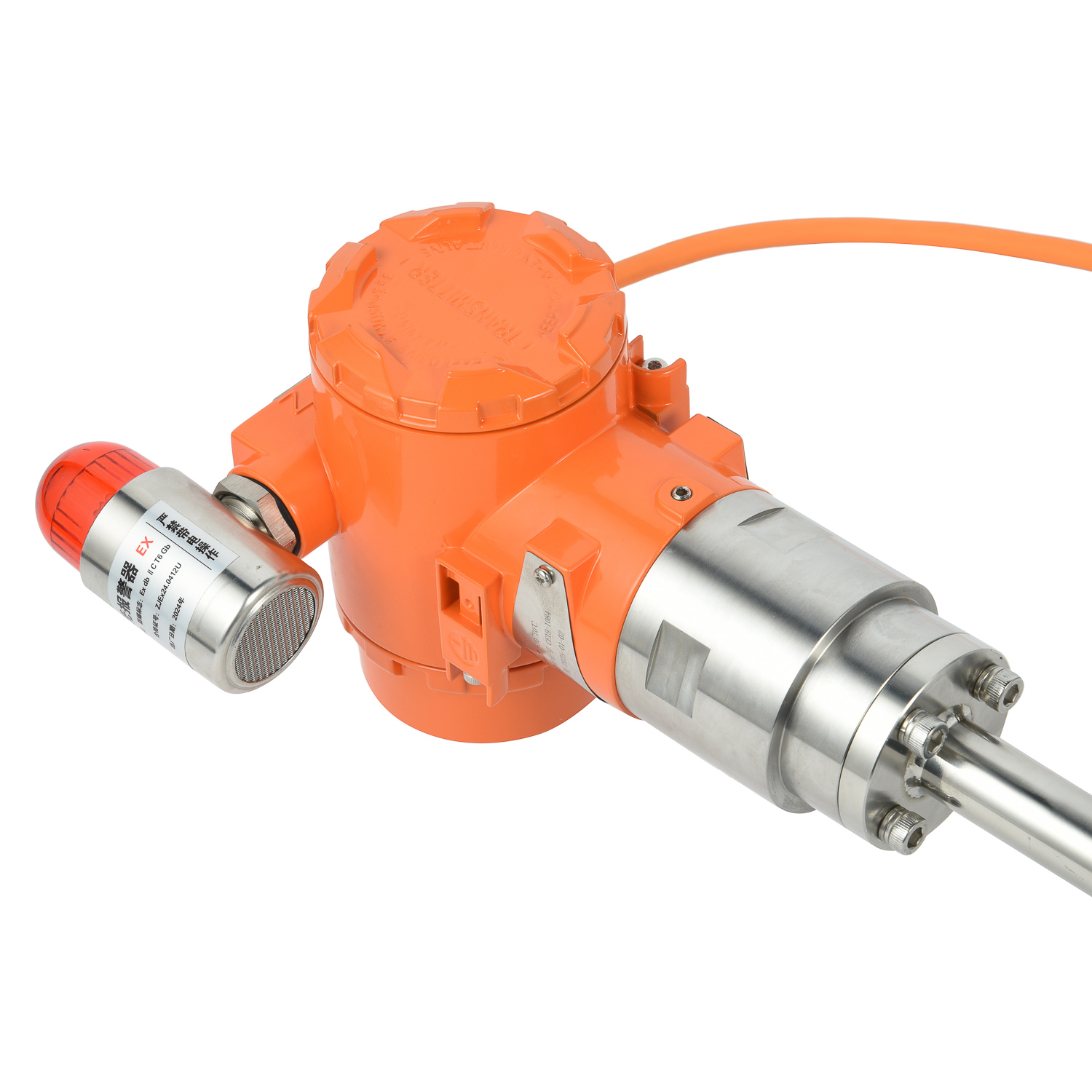
Continuous innovation expands magnetostrictive capabilities for lubricant monitoring applications. Emerging enhancements include integrated temperature compensation algorithms that adjust density calculations based on real-time thermal profiles, critical for maintaining accuracy across seasonal temperature variations. Wireless versions now eliminate conduit and cabling expenses while enabling temporary monitoring during tank maintenance operations. Advanced diagnostic packages can now detect float hang-up conditions and probe integrity issues, transforming basic measurement devices into comprehensive tank management systems that support predictive maintenance strategies.
 Graybus Cable Fault
 Field Application of Graybus C
 Model and Specification of Gra
 Import Substitute Graybus Cabl