
Why are magnetostrictive level gauges more suitable for volatile media?
In industrial processes involving volatile media, selecting the right level measurement technology is crucial for safety, accuracy, and operational efficiency. Magnetostrictive level gauges have emerged as a preferred solution for these challenging applications, outperforming many traditional methods. Let's explore the specific characteristics that make them particularly suitable for measuring volatile substances.
Superior Precision in Dynamic Conditions
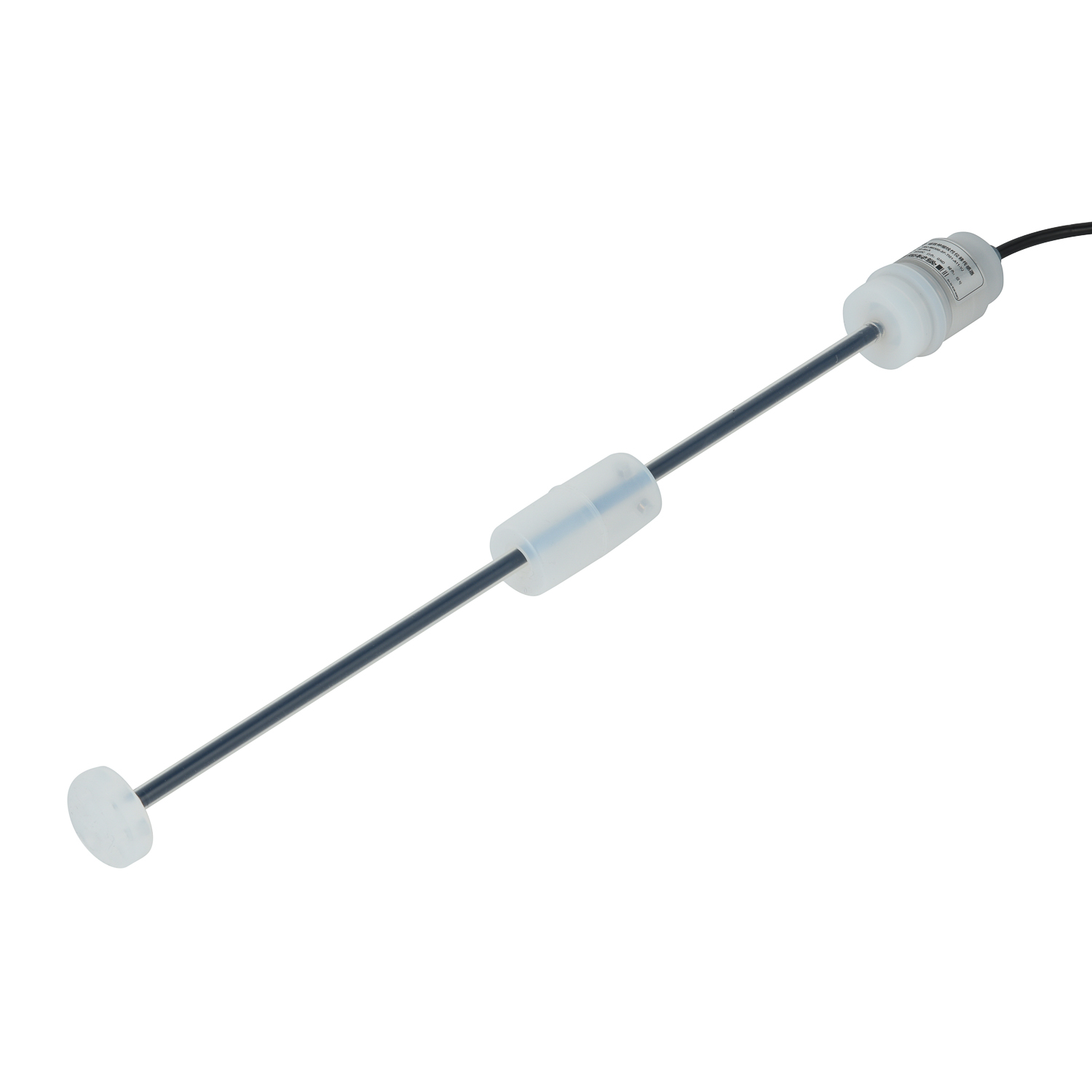
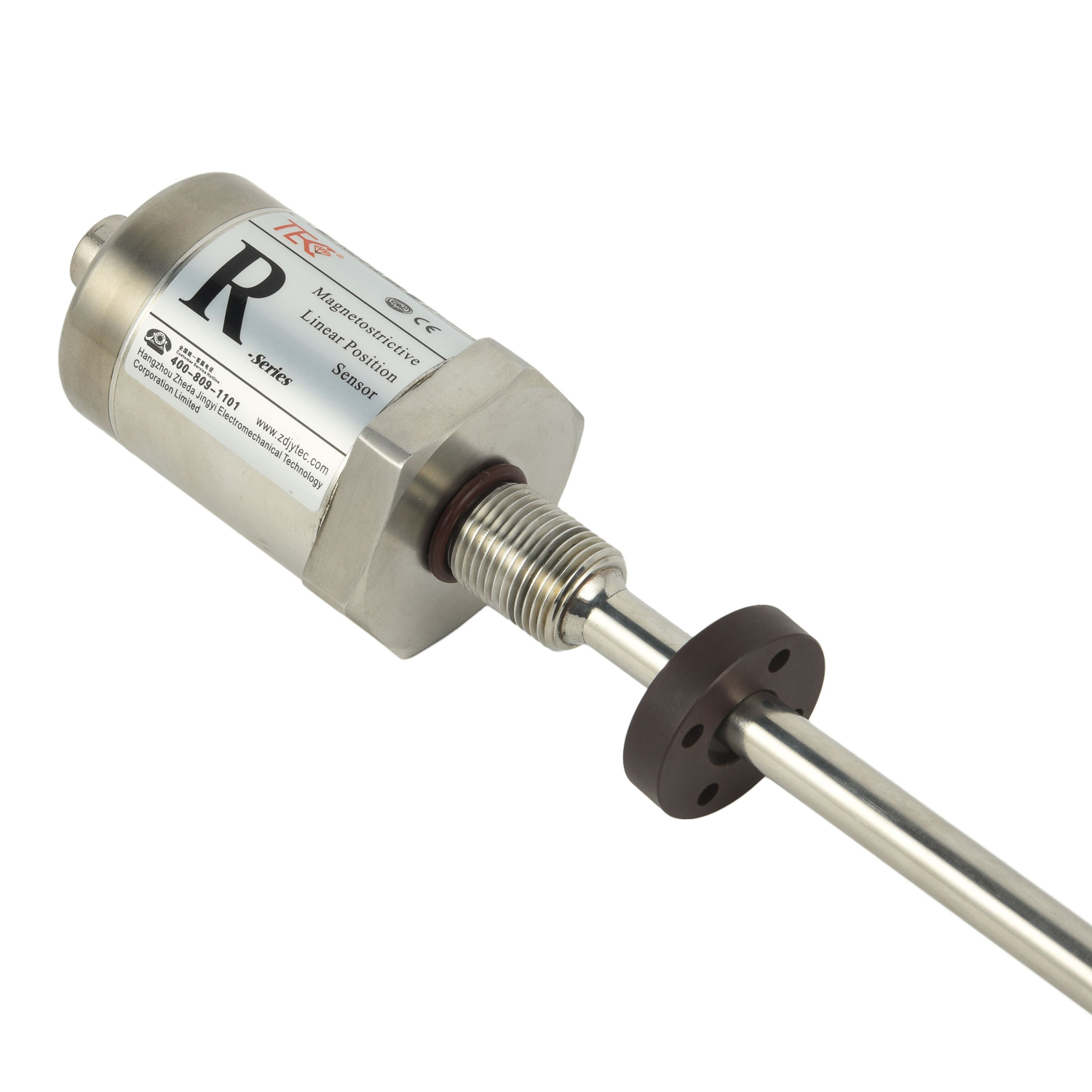
Magnetostrictive level gauges deliver exceptional measurement accuracy, typically within ±0.5% of full scale or better, even when dealing with volatile media that undergo rapid phase changes or density variations. The technology utilizes a magnetostrictive waveguide and a float containing permanent magnets. When a current pulse is sent through the waveguide, it interacts with the magnetic field from the float, generating a torsional stress wave. The time difference between sending the pulse and receiving the return wave is measured with extreme precision to determine the exact liquid level. This measurement principle remains unaffected by the volatility of the medium, ensuring reliable readings where other technologies might fail due to changing dielectric constants or other physical properties.
Exceptional Reliability with Hazardous Substances
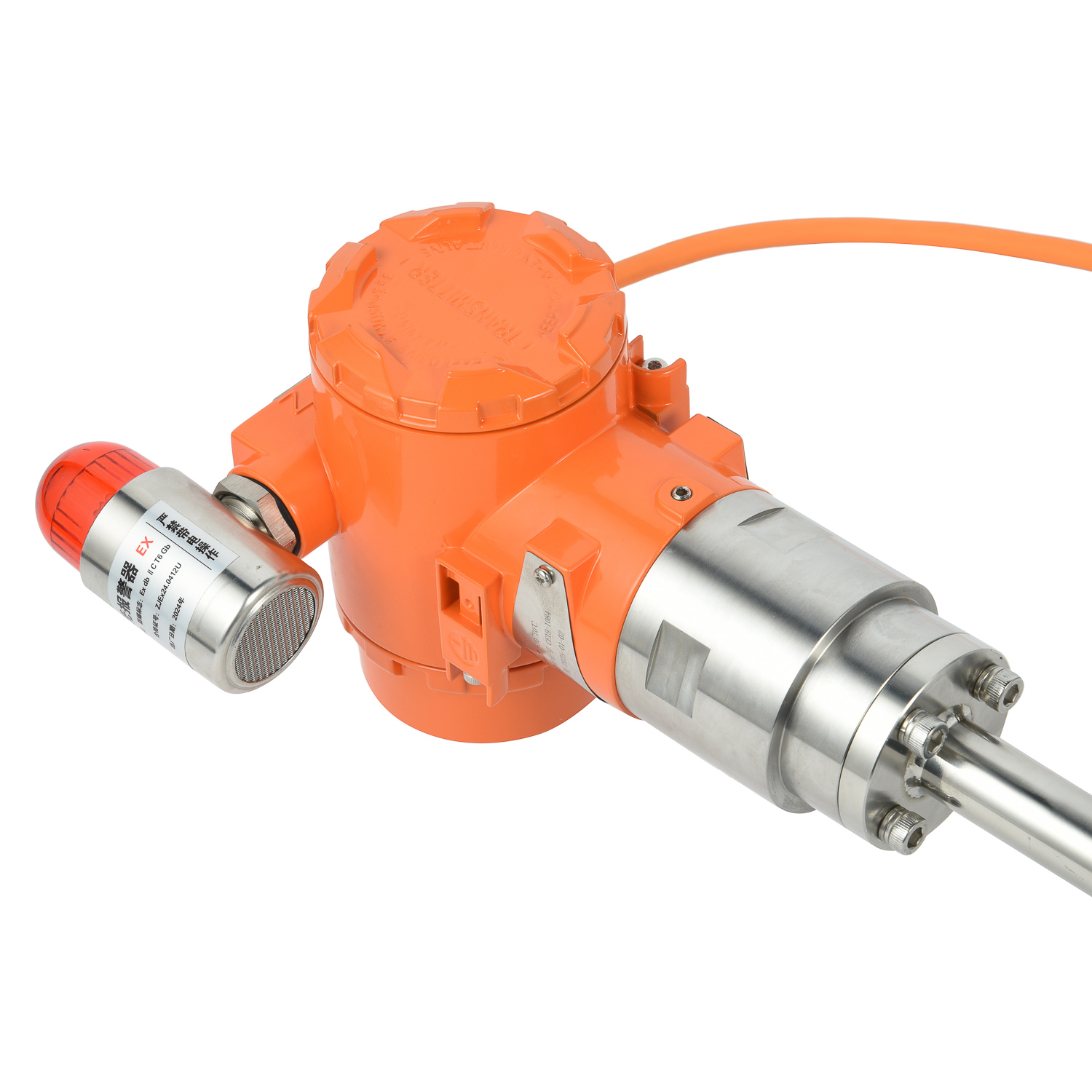
The robust construction of magnetostrictive level gauges makes them inherently suitable for volatile and often hazardous media. These instruments typically feature hermetically sealed electronics and can be constructed from various corrosion-resistant materials like stainless steel, Hastelloy, or Teflon-coated components. Since the measurement is contact-based only at the float, and the electronics are completely isolated from the process medium, there's no risk of sparking or ignition that could be catastrophic with flammable volatile substances. This intrinsic safety design, combined with the ability to withstand high pressures and temperature fluctuations common with volatile media, ensures continuous operation without compromising process safety.
Minimal Maintenance in Demanding Environments
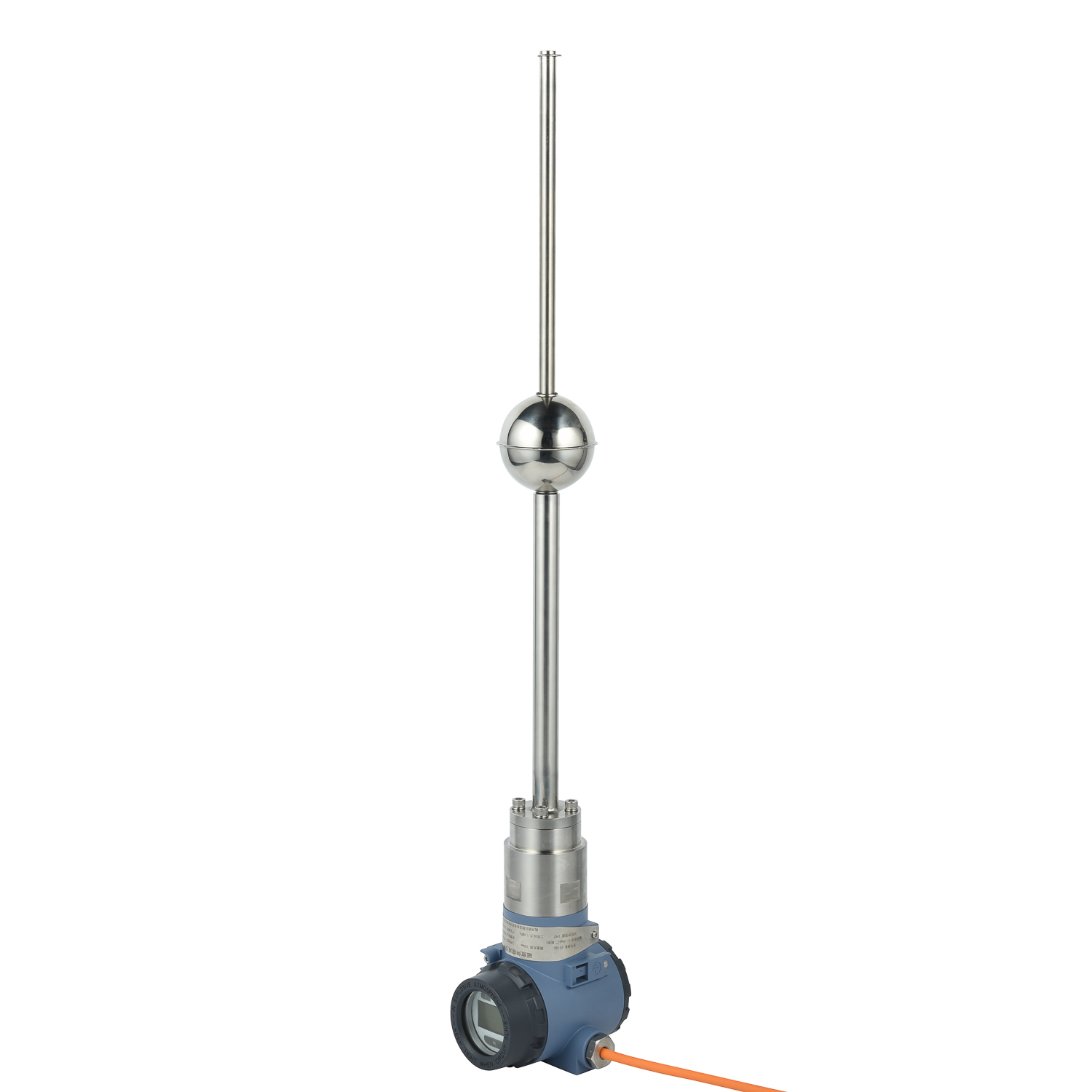
Unlike float-based mechanical gauges that can become stuck or radar instruments that require frequent recalibration, magnetostrictive level gauges maintain their calibration over extended periods with virtually no maintenance requirements. The non-contact nature between the moving float and the waveguide eliminates mechanical wear, while the absence of delicate electronic components exposed to the process media prevents degradation from aggressive chemical vapors. This reliability translates to reduced downtime and maintenance costs, particularly valuable in applications involving volatile media where frequent instrument access might be hazardous or require special safety procedures.
Enhanced Safety for Flammable and Toxic Media
When measuring volatile substances like hydrocarbons, solvents, or toxic chemicals, safety considerations become paramount. Magnetostrictive level gauges offer multiple safety advantages. They can be designed to meet various international safety standards for hazardous areas, including ATEX, IECEx, and FM approvals. The technology doesn't require external power within the measurement chamber, eliminating potential ignition sources. Additionally, many magnetostrictive gauges incorporate redundant seals and safety features specifically engineered for applications where media volatility presents explosion risks or toxic exposure hazards, providing an extra layer of protection for personnel and facilities.
Cost-Effectiveness Over the Instrument Lifetime
While the initial investment in magnetostrictive level gauges might be higher than some traditional technologies, their long-term cost-effectiveness with volatile media becomes apparent through multiple factors. The accuracy reduces product loss through better inventory control, the reliability minimizes unplanned shutdowns, and the minimal maintenance requirements lower labor and parts replacement costs. Furthermore, the comprehensive diagnostic capabilities of modern magnetostrictive gauges allow for predictive maintenance scheduling, preventing catastrophic failures that could result in significant product loss or environmental incidents with volatile substances.
The technological advantages of magnetostrictive level gauges position them as the optimal choice for measuring volatile media across various industries including chemical processing, petroleum refining, and pharmaceutical manufacturing. Their precision, reliability, safety features, and long-term cost-effectiveness make them superior to alternative technologies when dealing with substances where measurement accuracy and operational safety cannot be compromised.
 Graybus Cable Fault
 Field Application of Graybus C
 Model and Specification of Gra
 Import Substitute Graybus Cabl