
How to achieve anti-condensation level gauges with magnetostrictive technology?
In industrial environments where temperature fluctuations and high humidity are common, condensation poses a significant threat to level measurement instruments. This moisture intrusion can lead to electrical failures, inaccurate readings, and premature device failure. Magnetostrictive technology offers an elegant solution to this persistent challenge through advanced engineering and intelligent design principles.
Advanced Sealing Technologies for Complete Moisture Protection
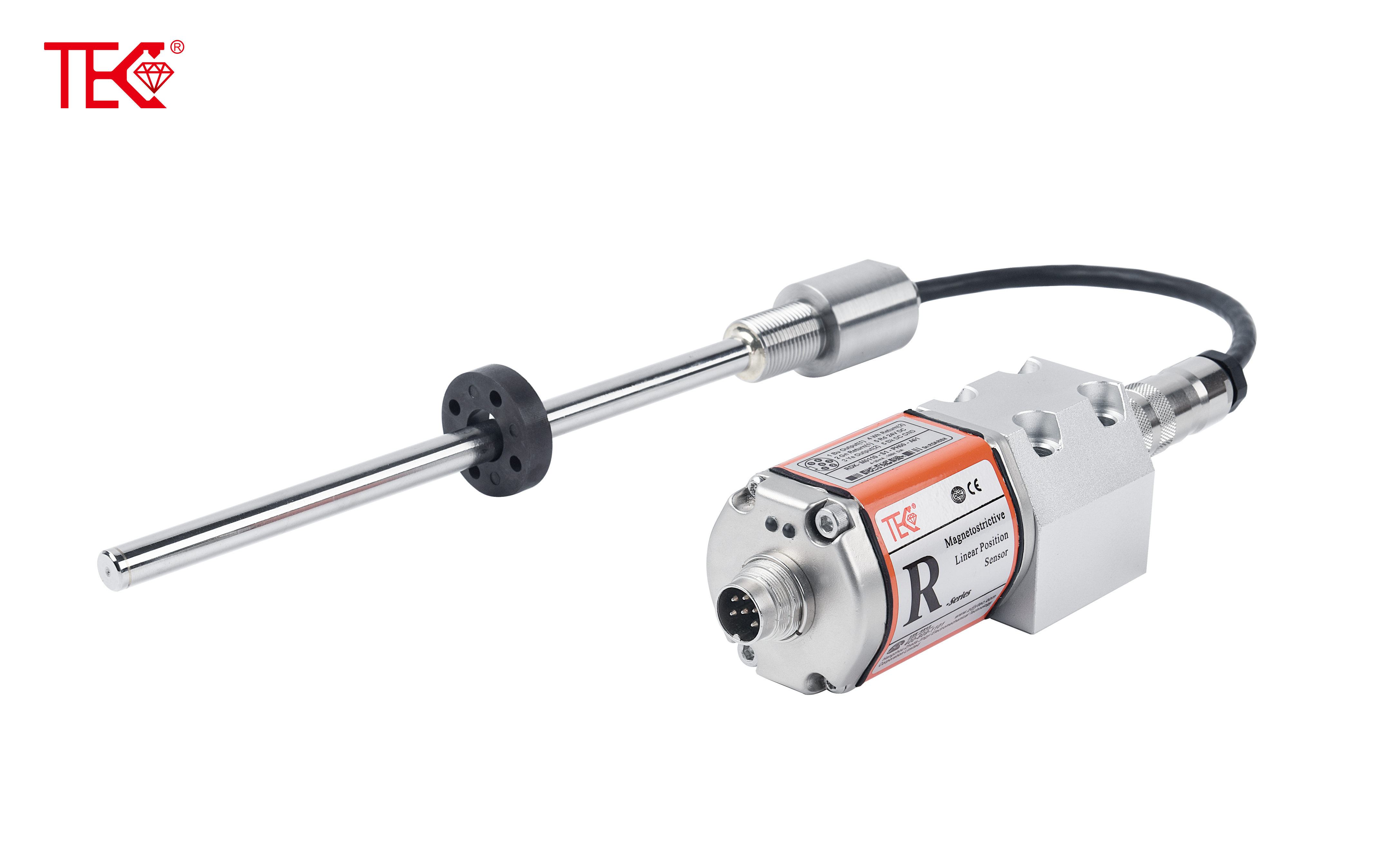
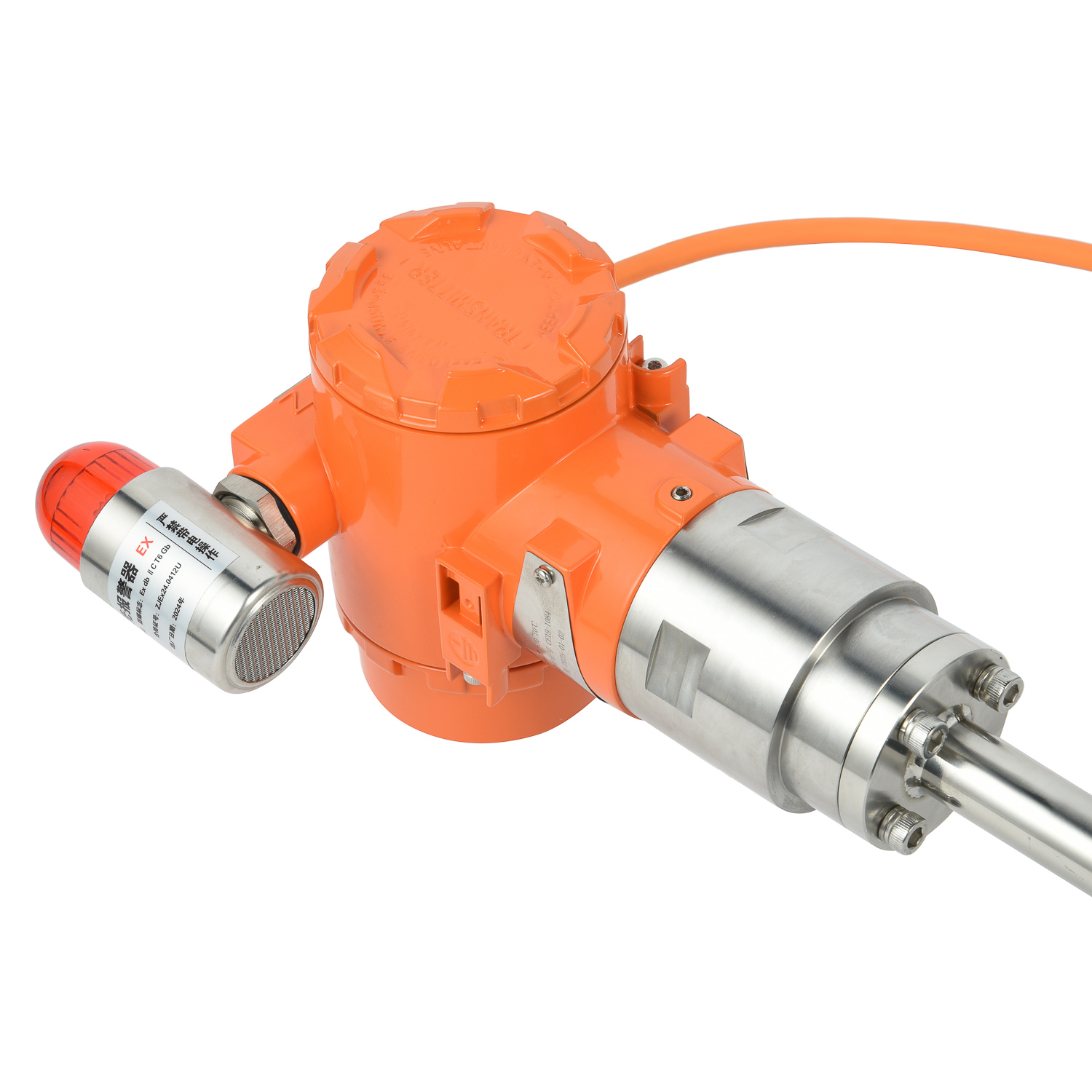
Modern magnetostrictive level gauges employ multiple layers of protection against moisture ingress. The most critical component is the hermetic seal that isolates the electronic housing from the process connection. This seal typically consists of specialized elastomers or metal bellows that maintain integrity across wide temperature ranges. Additionally, manufacturers use epoxy potting compounds to encase sensitive electronics, creating a barrier that prevents condensation from reaching circuit boards and magnetic components.
Material Science Innovations in Waveguide Protection
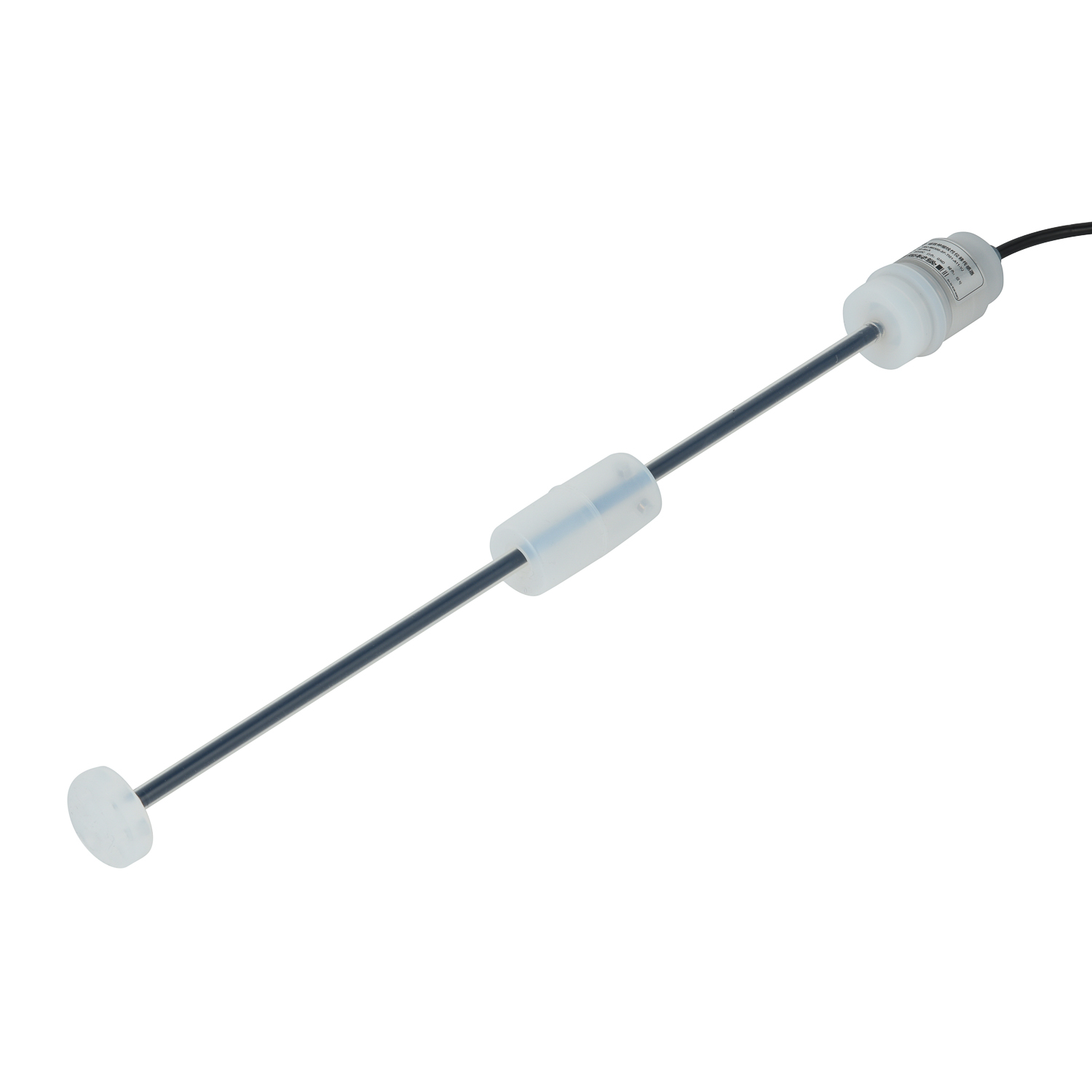
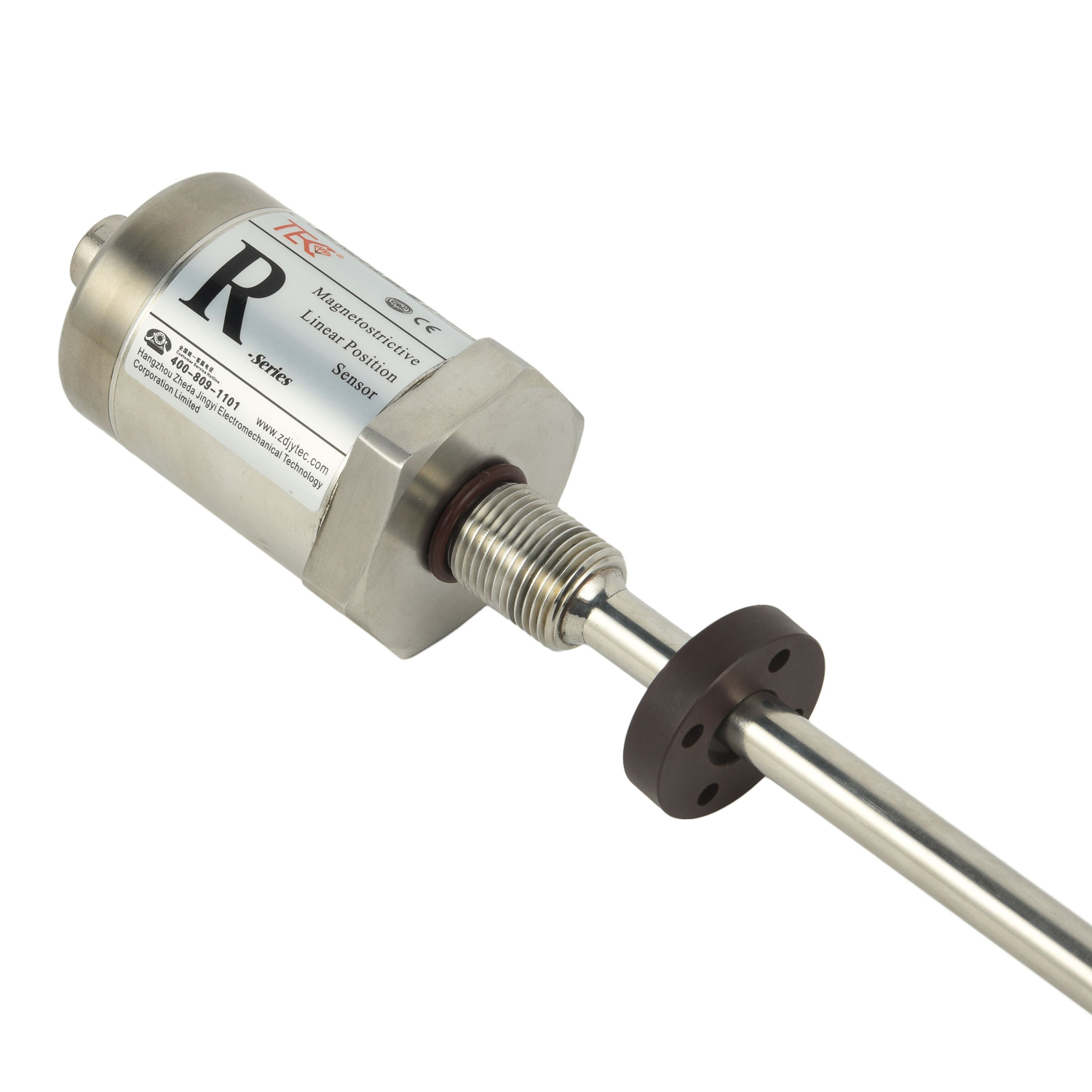
The waveguide tube, the core sensing element in magnetostrictive level gauges, receives special treatment to combat condensation. Stainless steel constructions often feature passivated surfaces that resist moisture adhesion. In more aggressive environments, manufacturers apply hydrophobic coatings to the waveguide, causing water droplets to bead up and roll away rather than accumulating. Some high-end models incorporate nitrogen-purged waveguide chambers that maintain positive pressure, effectively excluding humid air from the sensing area.
Temperature Management Strategies
Condensation occurs when warm, moist air contacts cooler surfaces. Magnetostrictive gauges address this through careful thermal management. The electronics housing often includes thermal mass elements that minimize temperature cycling, while some models incorporate mild heating elements that maintain the enclosure temperature slightly above ambient. This temperature differential strategy ensures that moisture remains in vapor form rather than condensing on critical components.
Electronic Design for Humidity Resilience
Beyond physical protection, the electronic design of magnetostrictive level transmitters incorporates features specifically for humid environments. Conformal coatings protect circuit boards from minor moisture exposure, while humidity-resistant components prevent corrosion-induced failures. Signal processing algorithms can detect and compensate for minor performance drifts that might occur in challenging environmental conditions, ensuring measurement accuracy remains uncompromised.
Validation Testing and Performance Standards
Leading manufacturers subject their anti-condensation magnetostrictive gauges to rigorous testing that simulates real-world conditions. This includes cyclic humidity testing, thermal shock evaluation, and extended exposure to high-humidity environments. Many units carry IP67 or higher ratings, confirming their resistance to moisture ingress. These validation processes ensure reliable performance in applications ranging from outdoor storage tanks to climate-controlled processing facilities.
Implementation Best Practices
Proper installation significantly enhances the anti-condensation performance of magnetostrictive level gauges. This includes correct orientation to promote natural drainage, adequate sun shielding in outdoor applications, and appropriate conduit sealing to prevent moisture migration through cable entries. Regular maintenance inspections should verify the integrity of seals and housings, with particular attention to gasket conditions following temperature cycles.
The combination of magnetostrictive technology's inherent reliability with targeted anti-condensation engineering creates level measurement solutions capable of performing accurately in the most demanding humid environments. Through comprehensive protection strategies and robust construction, these instruments deliver long-term reliability where conventional level gauges would succumb to moisture-related failures.
 Graybus Cable Fault
 Field Application of Graybus C
 Model and Specification of Gra
 Import Substitute Graybus Cabl