
What breakthroughs exist in shockproof structure design for magnetostrictive level gauges?
In today's demanding industrial environments, the structural integrity of measurement instruments often determines their operational lifespan and accuracy. Magnetostrictive level gauges represent critical monitoring equipment where mechanical resilience directly impacts performance reliability. The evolution of shockproof design in these precision instruments has witnessed remarkable engineering innovations that address persistent challenges in vibration-prone applications. These structural advancements not only enhance equipment durability but also maintain measurement precision under extreme conditions that would compromise conventional level sensors.
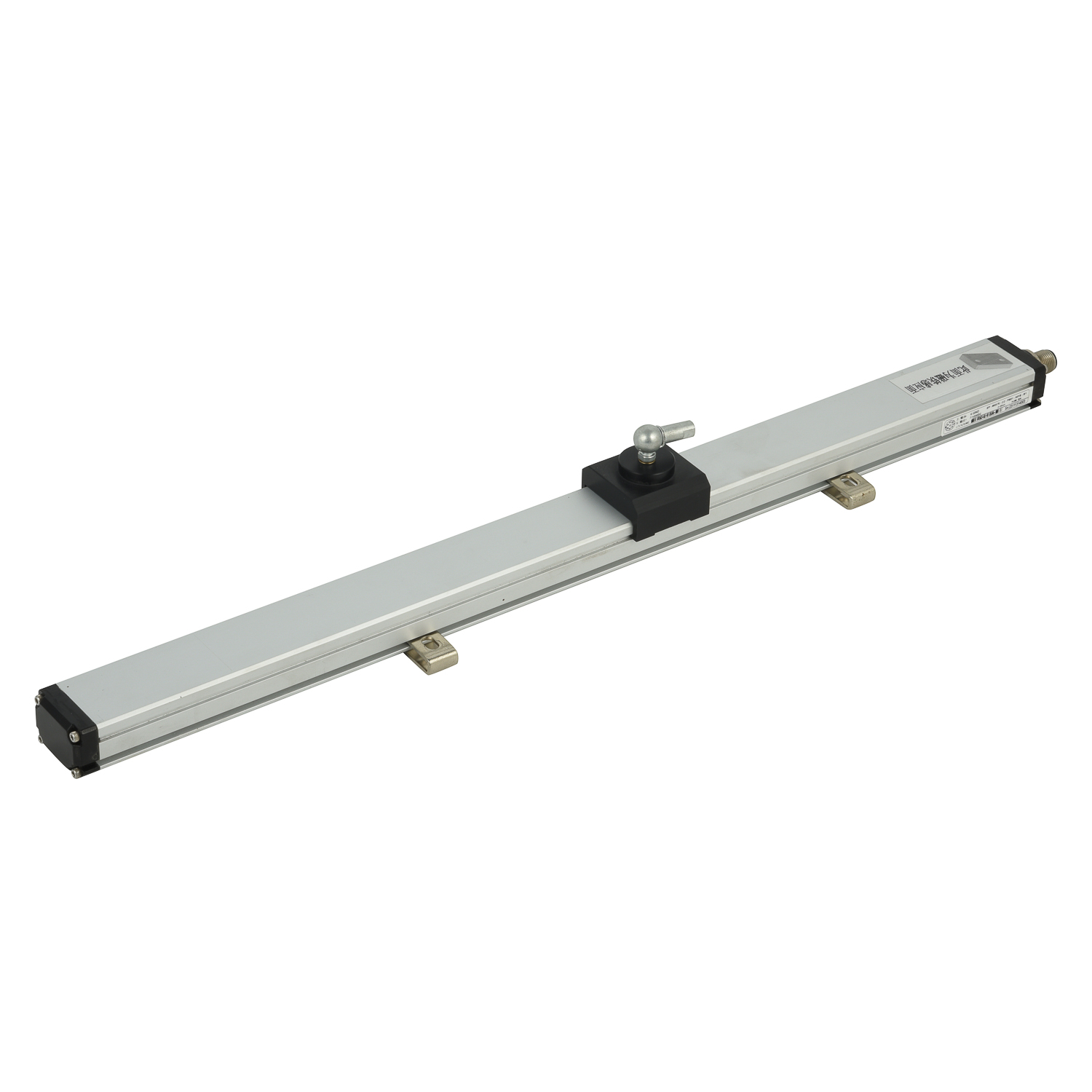
Advanced Vibration Damping Mechanisms
Contemporary magnetostrictive level gauges incorporate sophisticated vibration damping systems that fundamentally transform their shock resistance capabilities. Multi-stage isolation technology utilizes specialized viscoelastic materials that absorb and dissipate mechanical energy before it reaches the sensitive measurement components. These damping systems function through precisely calibrated spring-mass dampers that counteract harmonic vibrations across multiple frequency ranges. The integration of constrained layer damping composites within the probe assembly creates a barrier against sudden impacts while maintaining the structural stiffness necessary for accurate position detection. This approach effectively decouples the waveguide from external mechanical disturbances that could otherwise generate signal noise or measurement drift.
Reinforced Probe Construction Methodologies
The structural reinforcement of the magnetostrictive probe represents another critical breakthrough in shockproof design. Engineers have developed hybrid construction techniques combining high-strength stainless steel sheaths with internal polymer stabilization cores. This dual-material approach provides exceptional rigidity against bending moments while maintaining the flexibility required for installation in large storage tanks. The implementation of laser-welded junction points eliminates traditional weak spots where stress concentration typically occurs. Furthermore, advanced finite element analysis during the design phase enables engineers to optimize wall thickness variations along the probe length, creating strategic reinforcement at high-stress regions without compromising the overall weight or measurement responsiveness.
Impact-Resistant Electronics Compartment Design
The electronics housing of magnetostrictive level gauges has undergone revolutionary redesign to protect sensitive circuitry from mechanical shocks. Modern enclosures feature multi-chamber architecture with independent shock absorption systems for different electronic components. The waveguide fixation system now incorporates precision-machined polymer bushings that cushion the magnetostrictive wire while maintaining precise tension control. Circuit board mounting has evolved to include vibration-damping elastomeric fasteners that isolate electronic components from high-frequency vibrations. Additionally, the strategic placement of reinforced bulkheads within the housing creates compartmentalized protection zones that localize potential damage from extreme impact events.
Enhanced Flange and Process Connection Innovations
Process connections represent critical points where external vibrations transfer to magnetostrictive level gauges. Recent breakthroughs in flange design incorporate asymmetric sealing geometries that distribute mechanical stress more evenly across the mounting surface. The development of integrated damping flanges utilizes intermediate elastomeric layers that attenuate vibration transmission from the vessel wall to the gauge body. These specialized connections feature frequency-dependent stiffness characteristics that automatically adapt to varying vibration patterns encountered in different industrial applications. The implementation of tapered thread designs with vibration-locking features prevents connection loosening under sustained mechanical disturbance, ensuring long-term mounting integrity in high-vibration environments.
Smart Structural Health Monitoring Integration
The latest generation of shockproof magnetostrictive level gauges incorporates embedded structural health monitoring systems that actively assess the mechanical condition of the instrument. Micro-electromechanical sensors distributed throughout the gauge continuously monitor acceleration forces, vibration frequencies, and mechanical stress levels. This real-time data enables predictive maintenance algorithms to identify potential structural issues before they affect measurement accuracy. The system can automatically adjust damping parameters based on detected vibration patterns, creating an adaptive shock protection mechanism that optimizes performance for specific operating conditions. This intelligent approach transforms the level gauge from a passive measurement device into an active participant in system reliability management.
Field Performance Validation and Results
Industrial applications have demonstrated remarkable performance improvements from these structural breakthroughs. Magnetostrictive level gauges incorporating advanced shockproof designs maintain measurement accuracy within 0.5% of full scale even when subjected to mechanical shocks exceeding 100g amplitude. Field studies in vibrating fluidized bed applications show operational lifespans increased by 300% compared to conventional designs. The reduction in maintenance frequency and associated downtime delivers substantial operational cost savings while improving process safety through reliable level monitoring in critical applications where mechanical robustness directly impacts overall system reliability.
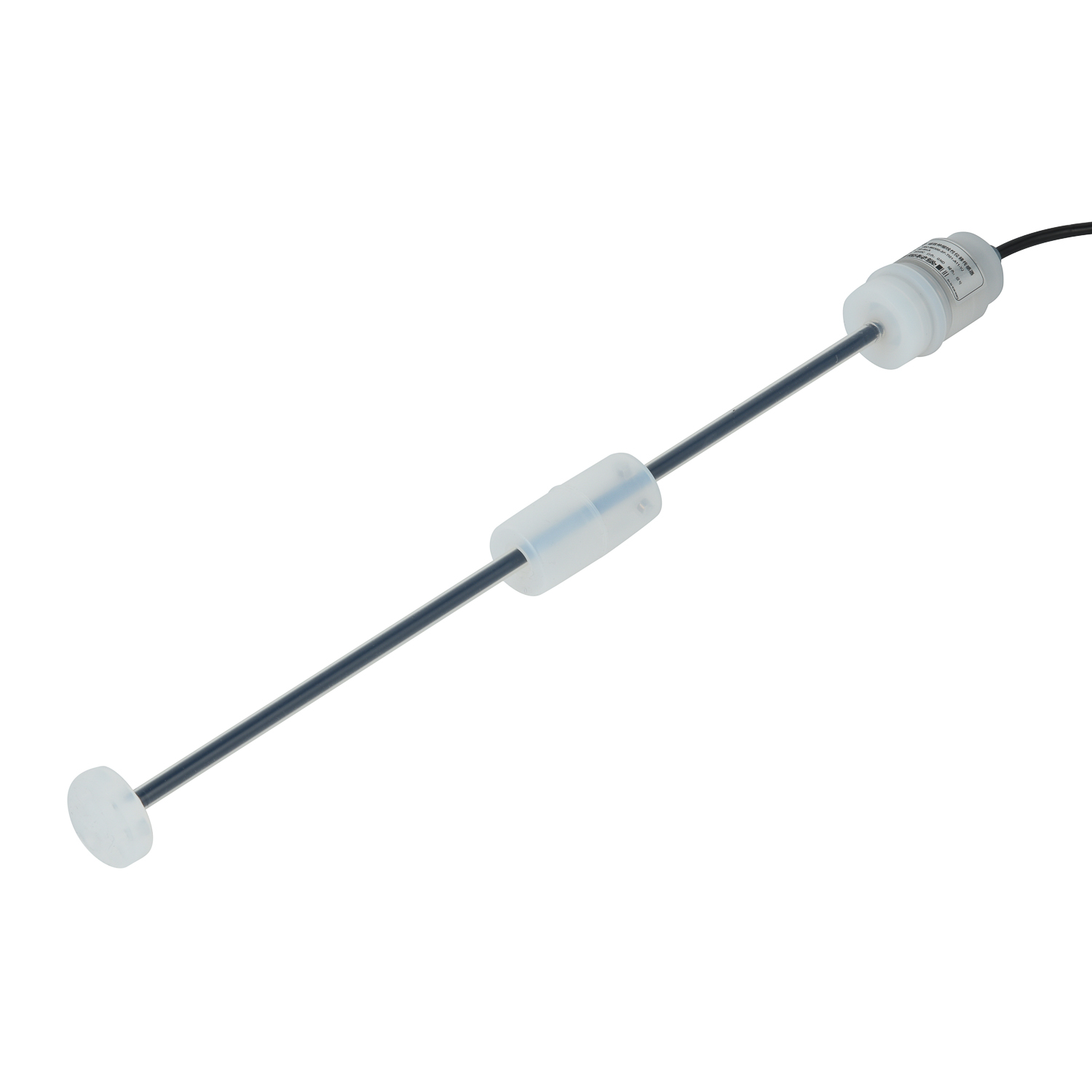 Graybus Cable Fault
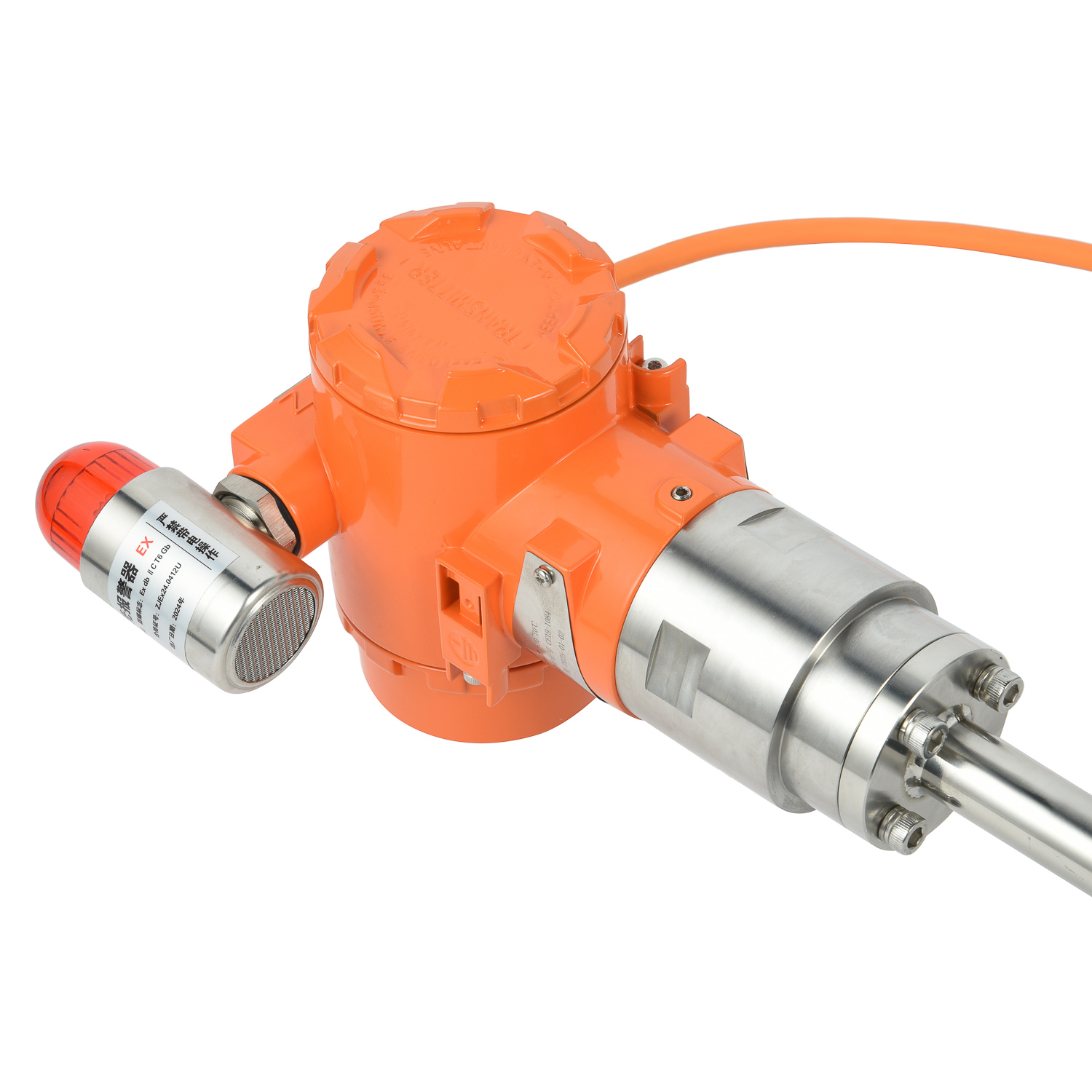 Field Application of Graybus C
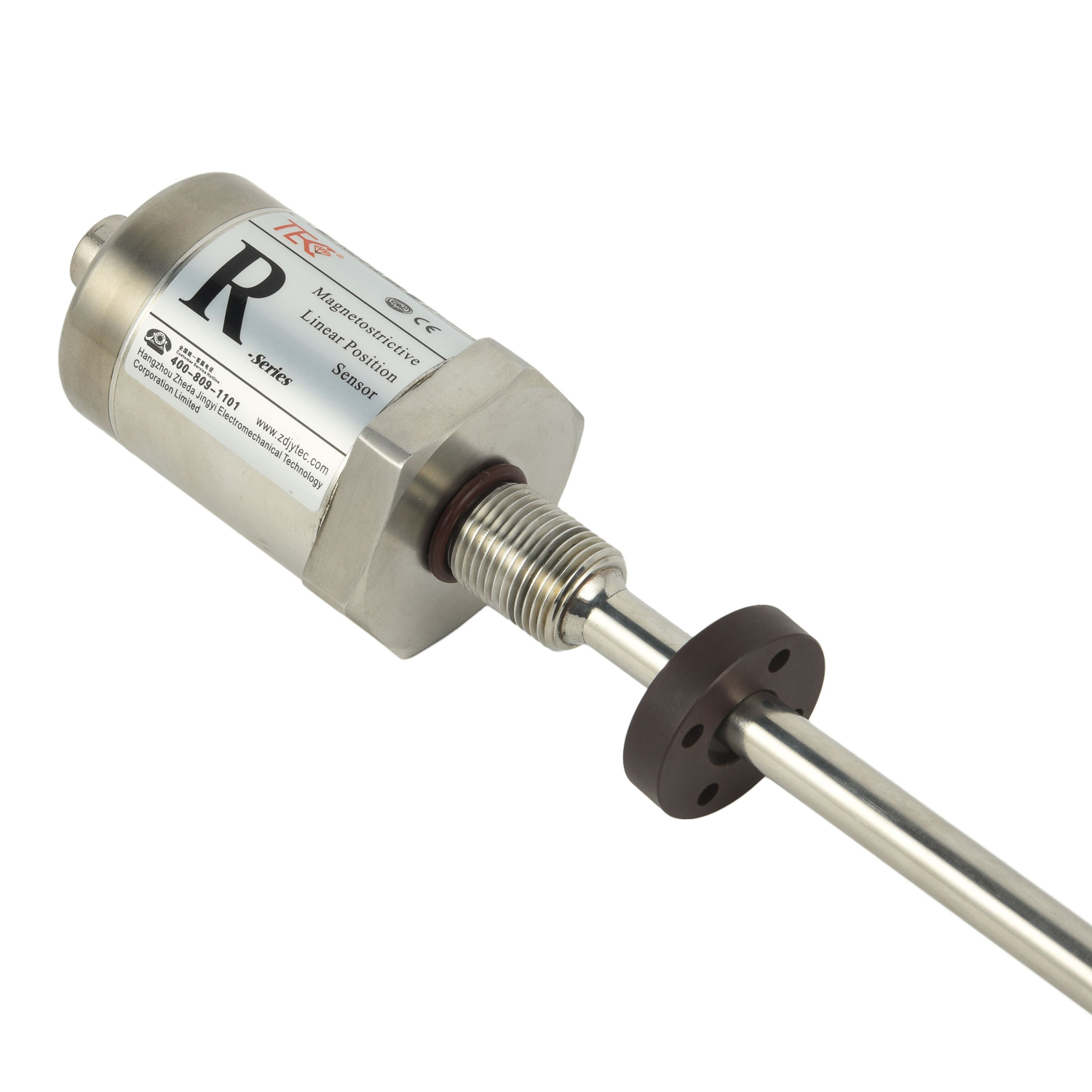 Model and Specification of Gra
 Import Substitute Graybus Cabl