
Why are magnetostrictive level gauges better for high-viscosity media?
When dealing with challenging process conditions involving thick, sticky fluids, conventional level measurement technologies often fall short. This is where magnetostrictive level gauges demonstrate their superior engineering, specifically designed to handle the complexities of high-viscosity applications with remarkable precision and reliability.
Superior Technology for Challenging Fluids
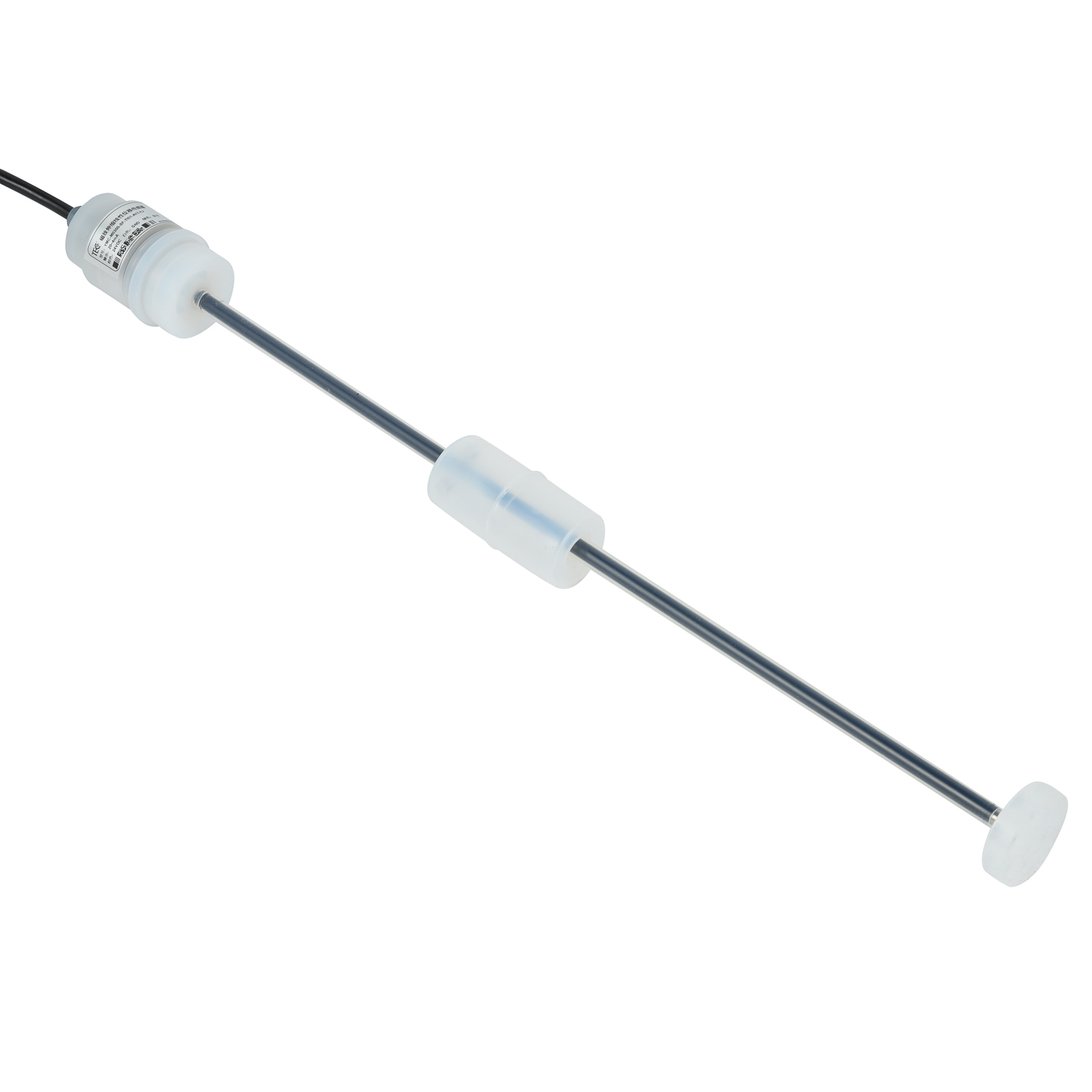
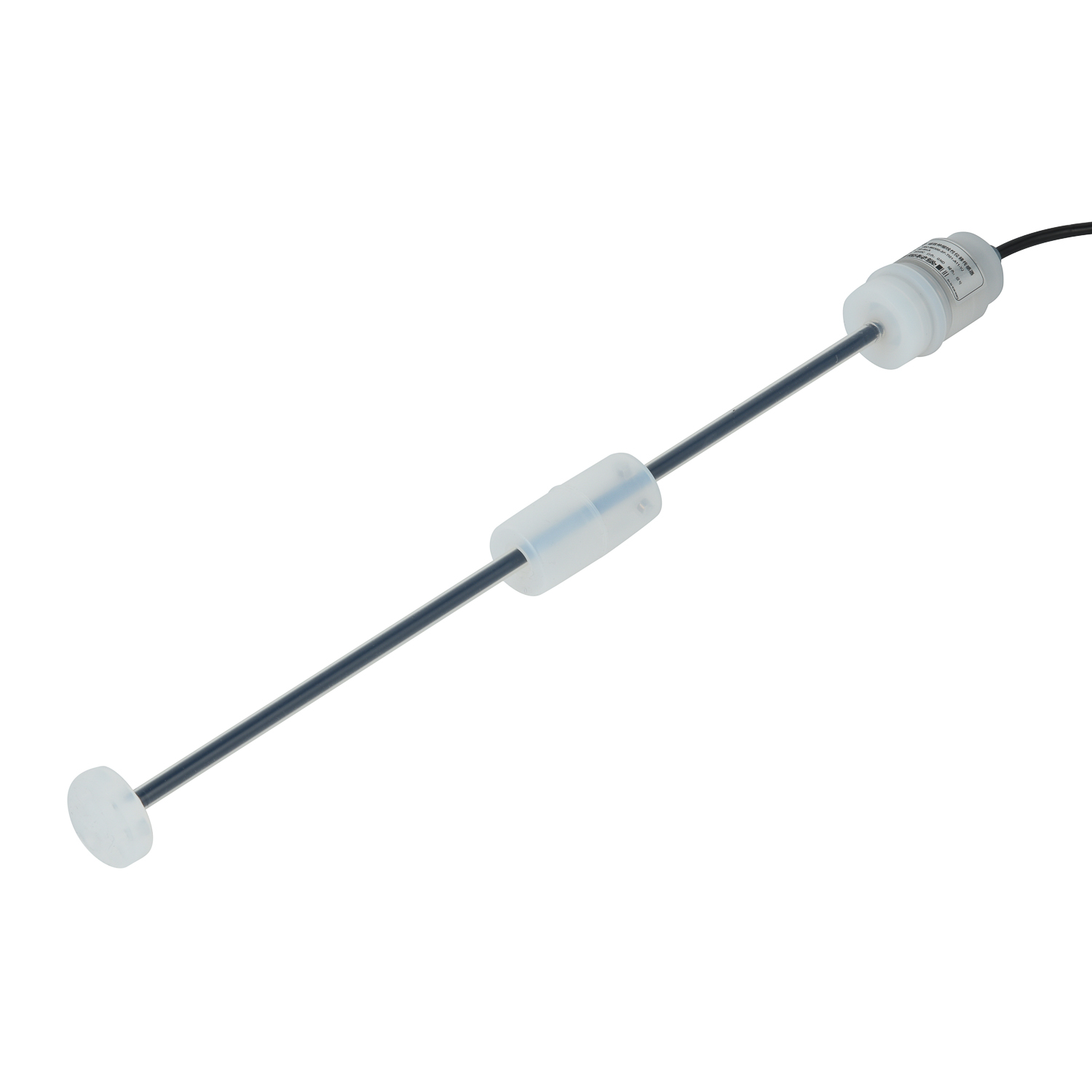
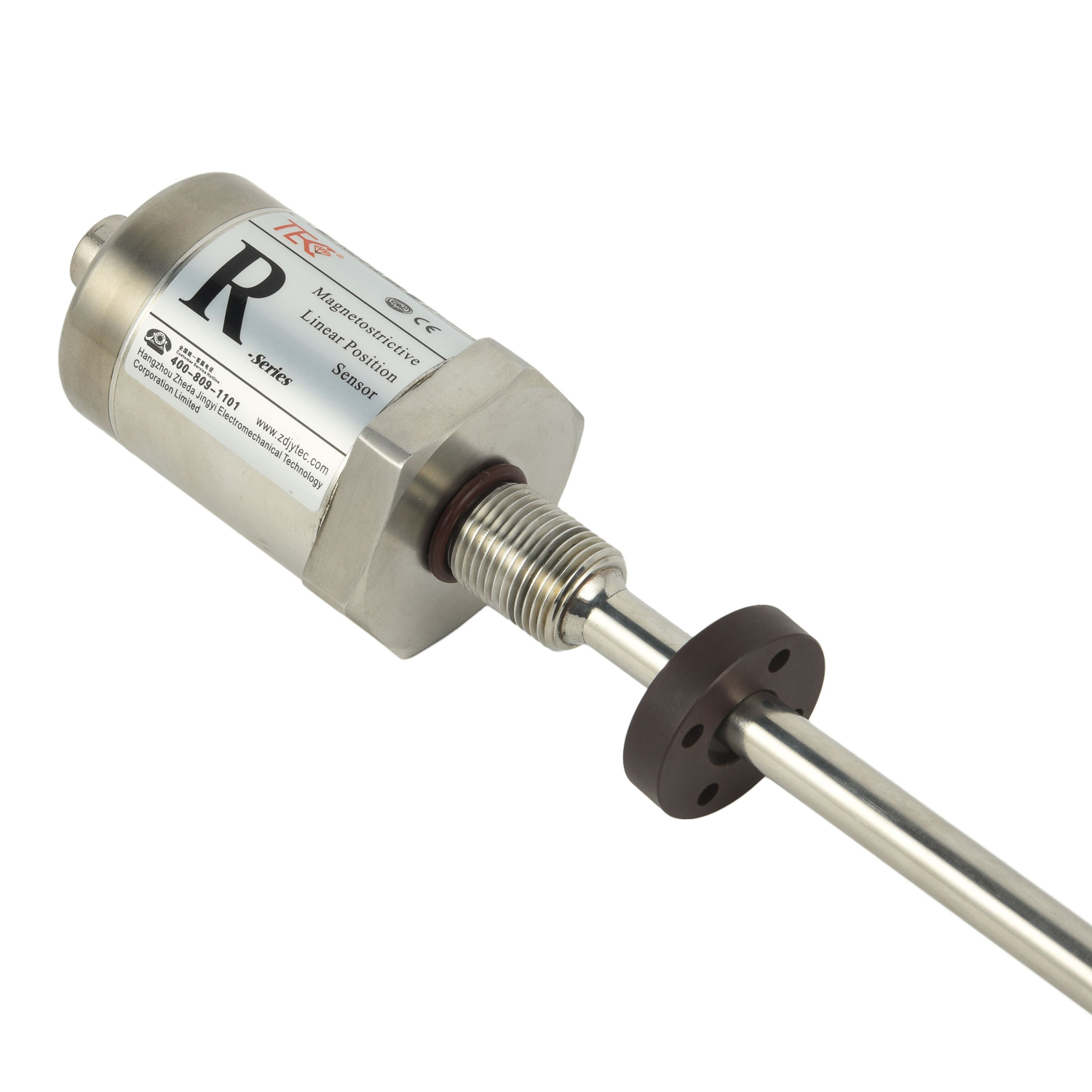
Magnetostrictive level gauges operate on a time-tested physical principle that is inherently robust. A magnetic float, designed to match the specific gravity of the media, rides on the liquid surface. A current pulse sent down a magnetostrictive wire creates a torsional stress wave when it interacts with the float's magnetic field. By precisely measuring the time for this wave to return, the system calculates the exact liquid level with exceptional accuracy. This direct mechanical coupling to the float makes the technology inherently resistant to the effects of viscosity, foam, or product buildup that often plague other methods.
Direct Measurement Eliminates Common Errors
Unlike technologies that rely on indirect parameters like pressure, capacitance, or ultrasonic echo, magnetostrictive gauges provide a direct, absolute measurement of the liquid level. In high-viscosity media, pressure-based systems can be compromised by density changes or clogged impulse lines. Ultrasonic sensors struggle with the poor sound reflectivity of thick, absorbent fluids. Magnetostrictive technology bypasses these issues entirely, as the float's position is measured directly, ensuring the reading reflects the true liquid level regardless of the fluid's physical properties.
Unmatched Reliability and Reduced Maintenance
The non-contact nature of the sensing element—the magnetostrictive wire—is key to its longevity. The float moves freely along the probe without any mechanical linkage to the sensor, resulting in virtually no wear. For high-viscosity media that can coat or foul other sensors, this design is a significant advantage. There are no cavities or small orifices to clog, and the smooth surface of the probe minimizes material adherence. This translates to fewer process interruptions for cleaning or calibration, dramatically reducing long-term maintenance costs and boosting overall operational efficiency.
Optimal Performance in Extreme Conditions
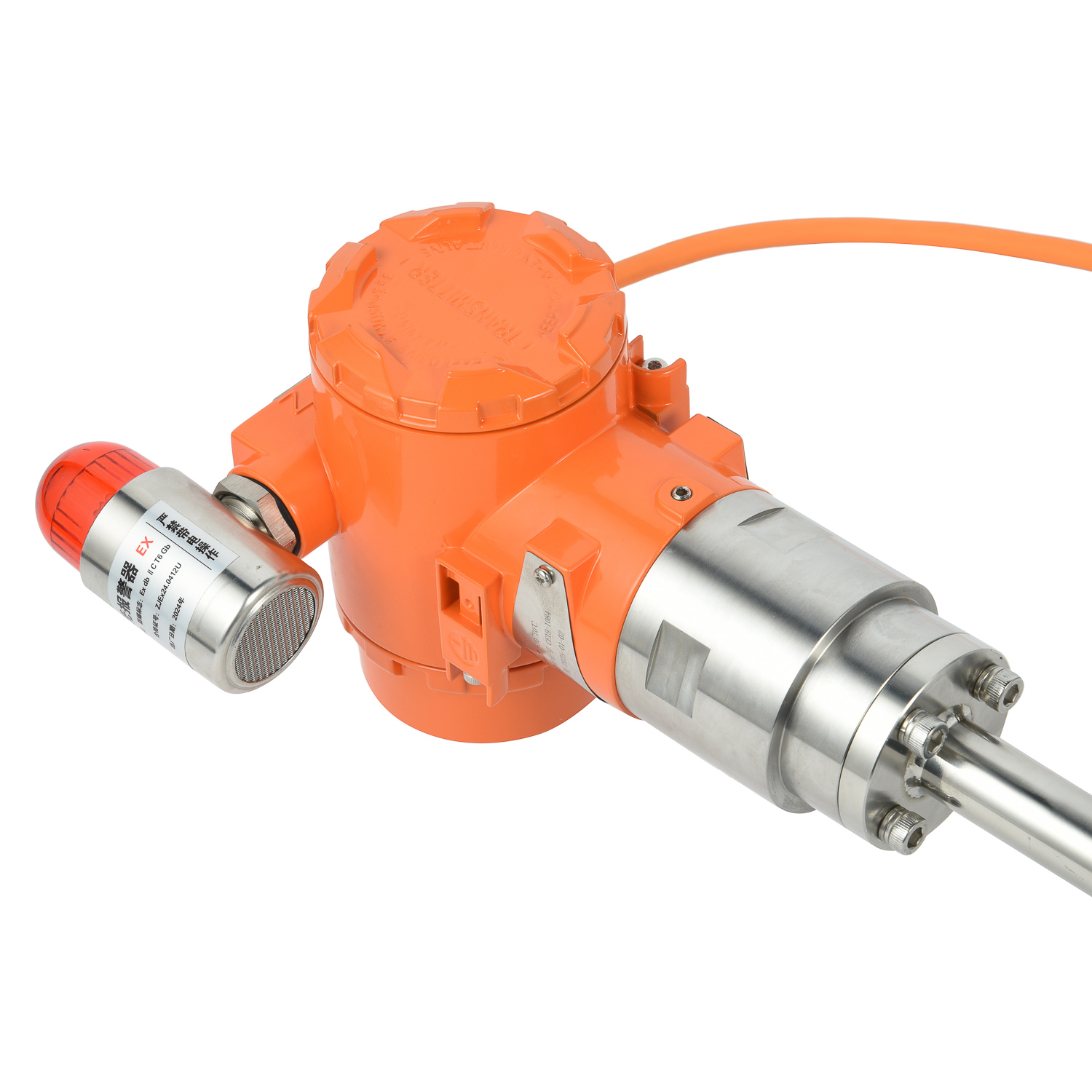
These level gauges are engineered to perform consistently in demanding industrial environments. They are largely unaffected by significant changes in process conditions such as temperature, pressure, or the very viscosity that defines the application. Whether measuring heavy fuel oil, syrups, polymers, or chemical slurries, a magnetostrictive gauge delivers stable and repeatable readings. This operational resilience ensures process integrity, enhances safety, and provides reliable data for inventory management and process control, even in the most challenging scenarios.
 Graybus Cable Fault
 Field Application of Graybus C
 Model and Specification of Gra
 Import Substitute Graybus Cabl