
Why are magnetostrictive level gauges standard in hazardous waste treatment?
In the demanding world of hazardous waste management, precision and reliability aren't just desirable - they're mandatory. Among the various technologies available for tank level monitoring, magnetostrictive level gauges have emerged as the undisputed industry standard. Their unique operating principle and robust construction make them uniquely suited to handle the extreme challenges presented by hazardous materials. But what exactly sets this technology apart in such critical applications?
Unmatched Accuracy in Critical Measurements
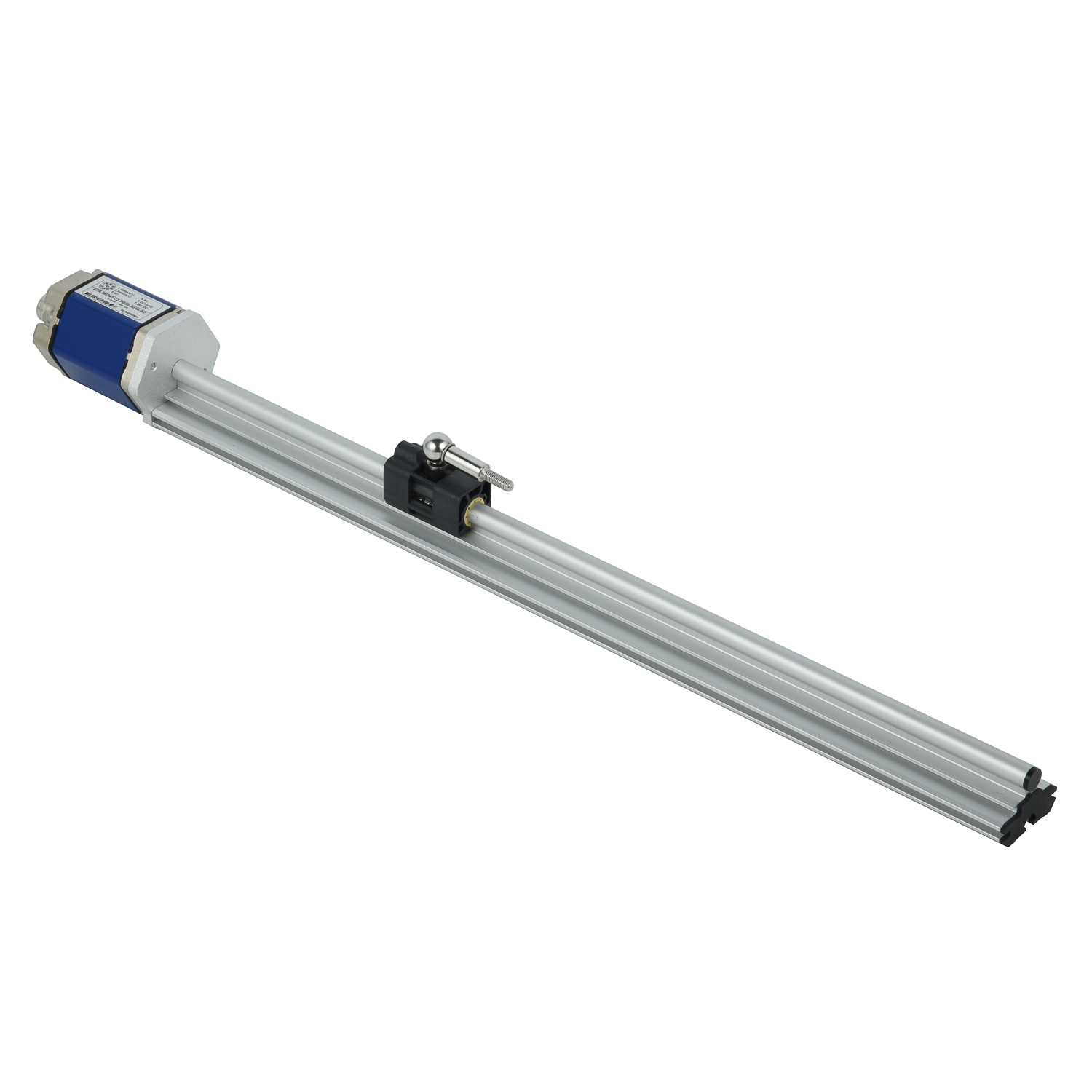
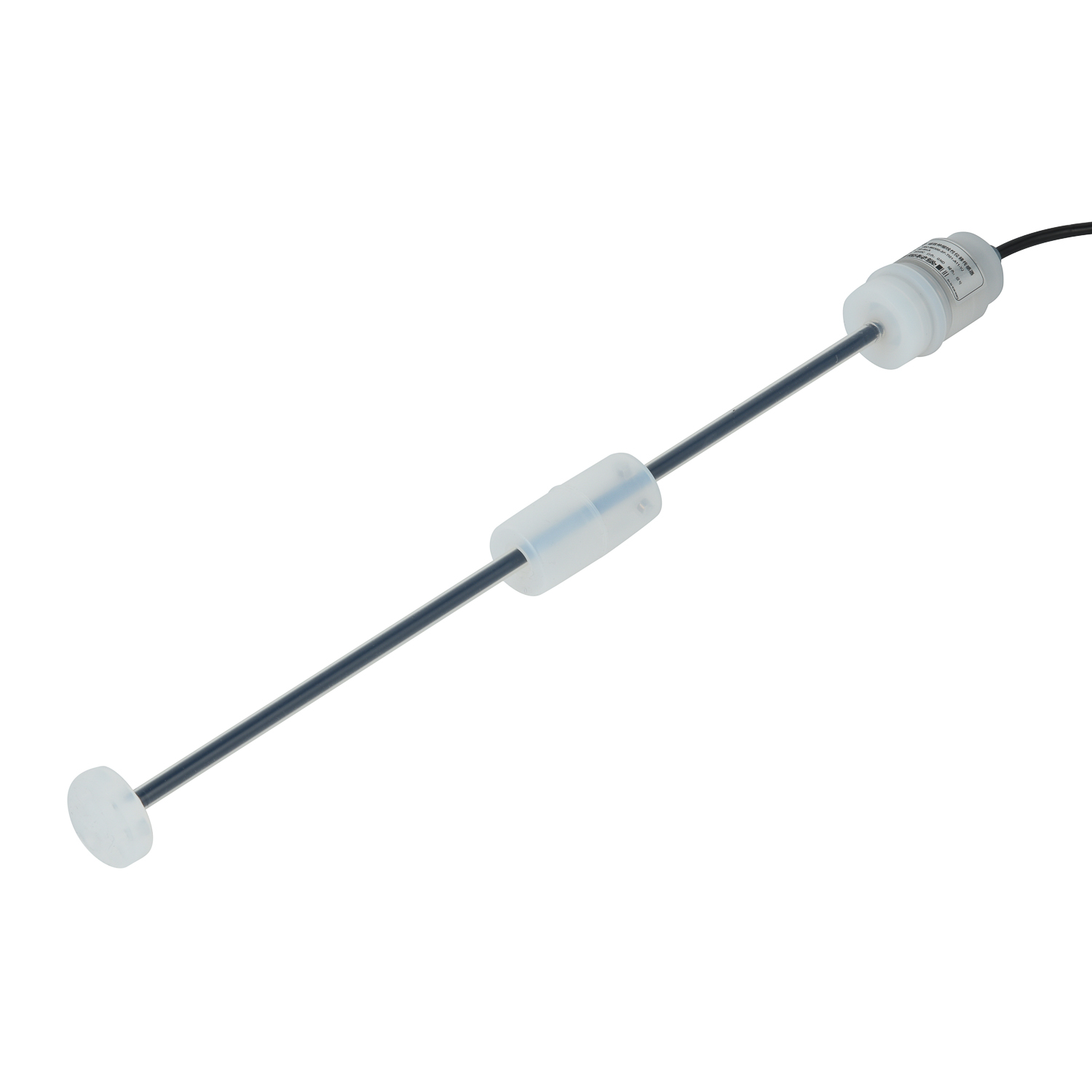
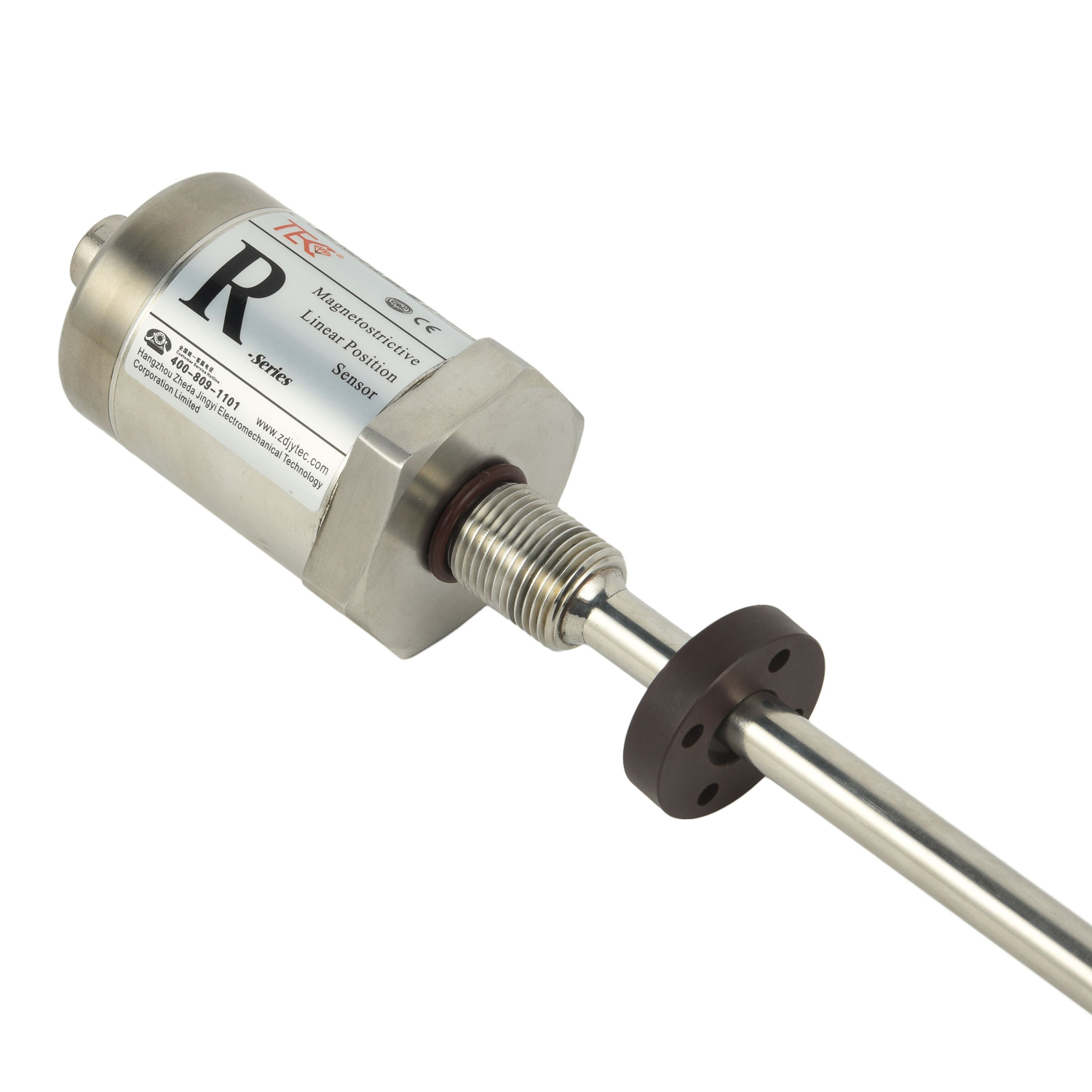
Magnetostrictive level gauges operate on a precise time-domain reflectometry principle where a torsion wave travels along a wire inside the probe. When this wave encounters a magnetic float positioned at the liquid surface, it creates an immediate electronic signal that delivers exceptional measurement accuracy. This precision is crucial in hazardous waste treatment where exact level knowledge prevents overfills, ensures proper chemical ratios, and maintains process integrity. The technology typically achieves accuracies within ±0.05% of full scale, far surpassing competitive technologies like ultrasonic or radar methods which can be affected by vapor space conditions and surface turbulence.
Exceptional Durability in Corrosive Environments
Hazardous waste treatment facilities present some of the most chemically aggressive environments imaginable. Magnetostrictive level gauges excel here through their versatile material options. The measuring probe can be manufactured from 316 stainless steel, Hastelloy, or even titanium to withstand specific corrosive challenges. The magnetic float itself can be coated with PTFE or other resistant materials. This construction ensures long-term reliability where other level measurement technologies would quickly succumb to chemical attack, reducing maintenance frequency and replacement costs significantly.
Intrinsic Safety in Explosive Atmospheres
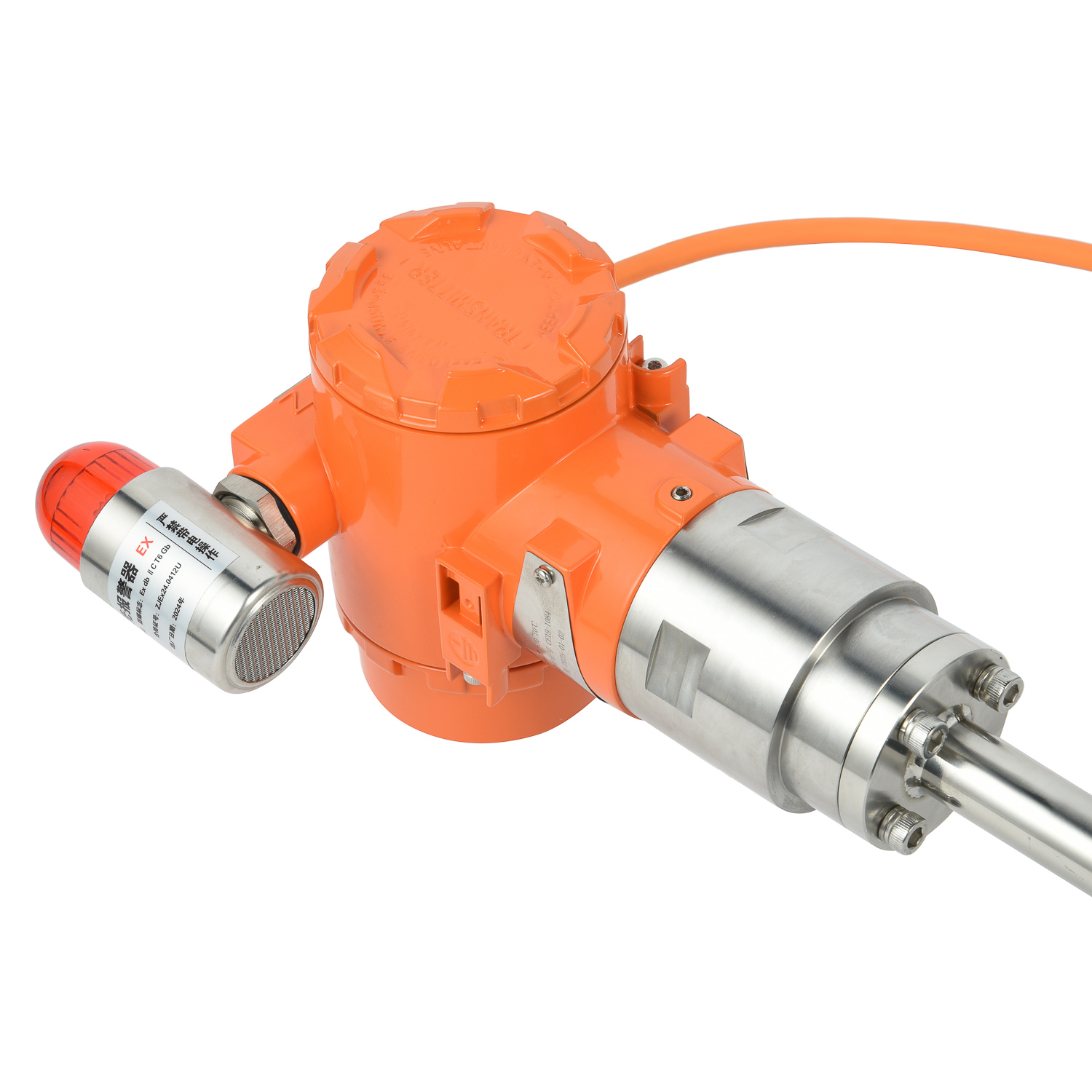
Many hazardous waste treatment areas are classified as explosive atmospheres where standard electrical equipment could trigger catastrophic events. Magnetostrictive level gauges naturally lend themselves to intrinsic safety approvals. Their low-energy operation and non-sparking design make them ideal for Class I, Division 1 hazardous locations. When properly certified, these devices can operate safely in environments containing flammable vapors, gases, or combustible dusts - a fundamental requirement in waste treatment facilities where such conditions are frequently encountered.
Minimal Maintenance Despite Harsh Conditions
The simplicity of magnetostrictive technology translates directly to reduced maintenance requirements. With no moving parts in direct contact with the process fluid and a non-contact measurement principle, these gauges experience minimal wear. The magnetic float moves freely along the probe without mechanical linkages that could jam or fail. This reliability is particularly valuable in hazardous waste applications where equipment access may be limited due to safety protocols, and where maintenance interventions carry additional risk and cost.
Superior Performance Amidst Process Variations
Hazardous waste treatment often involves processes with significant density changes, temperature fluctuations, and varying dielectric constants. Unlike capacitive devices affected by dielectric changes or ultrasonic units compromised by vapor space conditions, magnetostrictive level gauges maintain consistent performance regardless of these process variables. The magnetic coupling between the float and probe remains unaffected by fluid property changes, ensuring continuous reliable measurement through the entire treatment cycle from receipt through neutralization to final disposal.
Seamless Integration with Control Systems
Modern hazardous waste treatment facilities rely on sophisticated control systems to manage complex processes safely. Magnetostrictive level gauges typically feature multiple output options including 4-20mA analog signals, HART protocol, Foundation Fieldbus, or PROFIBUS PA communications. This flexibility allows direct integration with existing distributed control systems, enabling real-time monitoring, automated alarming, and historical data tracking - all essential functions for regulatory compliance and operational excellence in hazardous waste management.
The comprehensive advantages of magnetostrictive level gauges - from their exceptional accuracy and chemical resistance to their intrinsic safety design and minimal maintenance needs - clearly establish them as the preferred choice for hazardous waste treatment applications. Their proven performance in these critical environments provides operators with the reliable data needed to ensure safety, maintain compliance, and optimize treatment processes day after day in some of industry's most challenging conditions.
 Graybus Cable Fault
 Field Application of Graybus C
 Model and Specification of Gra
 Import Substitute Graybus Cabl