
How do magnetostrictive level gauges perform in high-vibration environments?
In industrial settings where machinery operates continuously and vibrations are inherent to processes, maintaining accurate level measurements becomes particularly challenging. Many conventional level measurement technologies struggle under these demanding conditions, leading to inaccurate readings, frequent maintenance requirements, and potential process disruptions. The constant motion and mechanical stress can compromise sensor performance, affecting everything from inventory management to quality control. This is where magnetostrictive level gauges demonstrate their distinct advantage, offering reliability where other technologies might fail. Their unique operating principle and robust construction make them particularly suited for environments where vibration is not just occasional but a constant factor in daily operations.
Understanding Magnetostrictive Technology Fundamentals
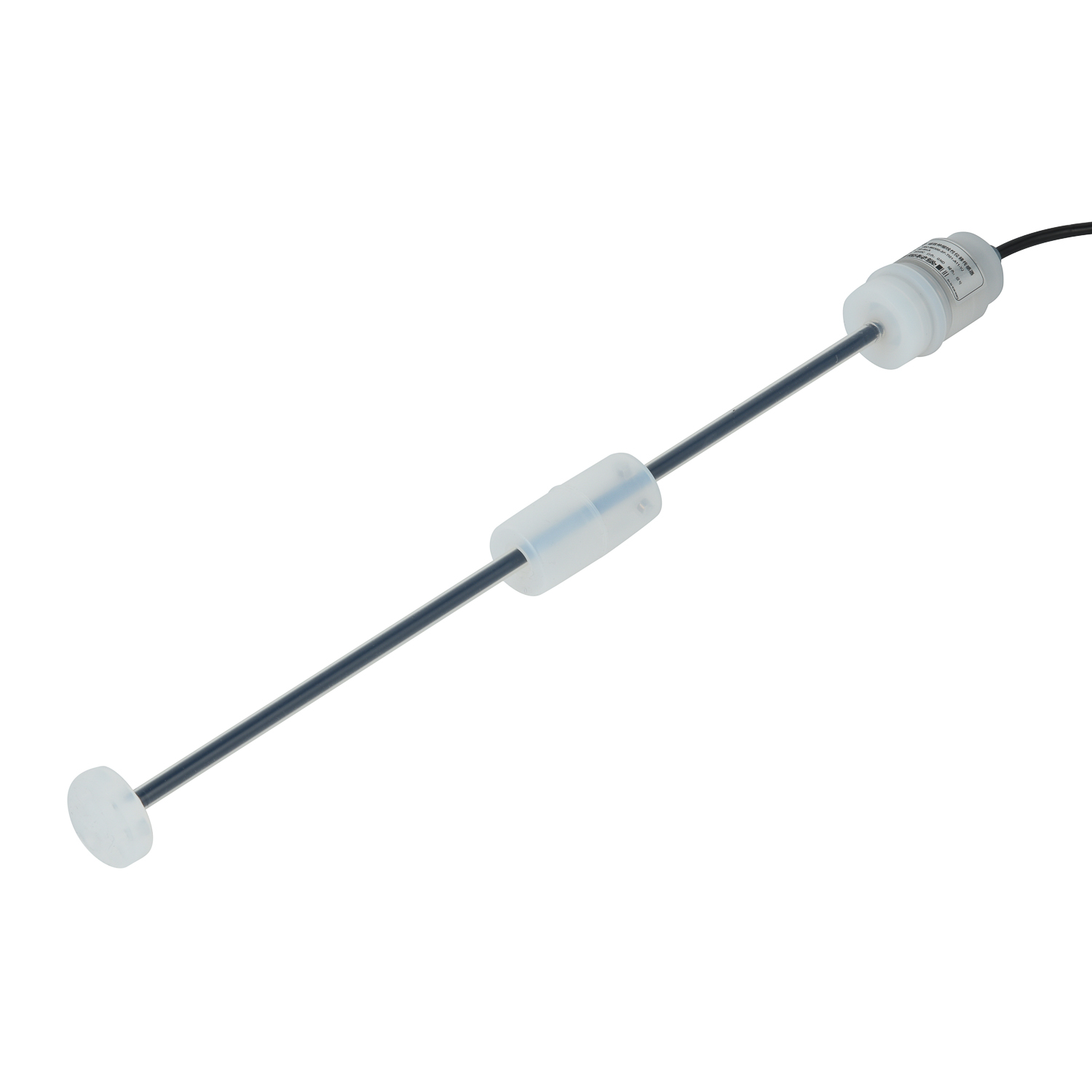
Magnetostrictive level gauges operate on a sophisticated yet reliable principle that inherently resists vibration interference. At the core of this technology is a magnetostrictive wire enclosed within a protective probe tube. A float containing permanent magnets moves along this tube, corresponding to the liquid level. When a current pulse is sent through the wire, it generates a circular magnetic field that interacts with the magnetic field of the float. This interaction creates a torsional stress wave that travels along the wire at ultrasonic speed. The time difference between sending the current pulse and receiving the returning stress wave is measured with exceptional precision, determining the exact float position and thus the liquid level. This direct time-based measurement approach remains largely unaffected by external vibrations, unlike technologies relying on delicate electronic components or pressure differentials that vibration can easily disrupt.
Vibration Resistance Through Solid-State Design
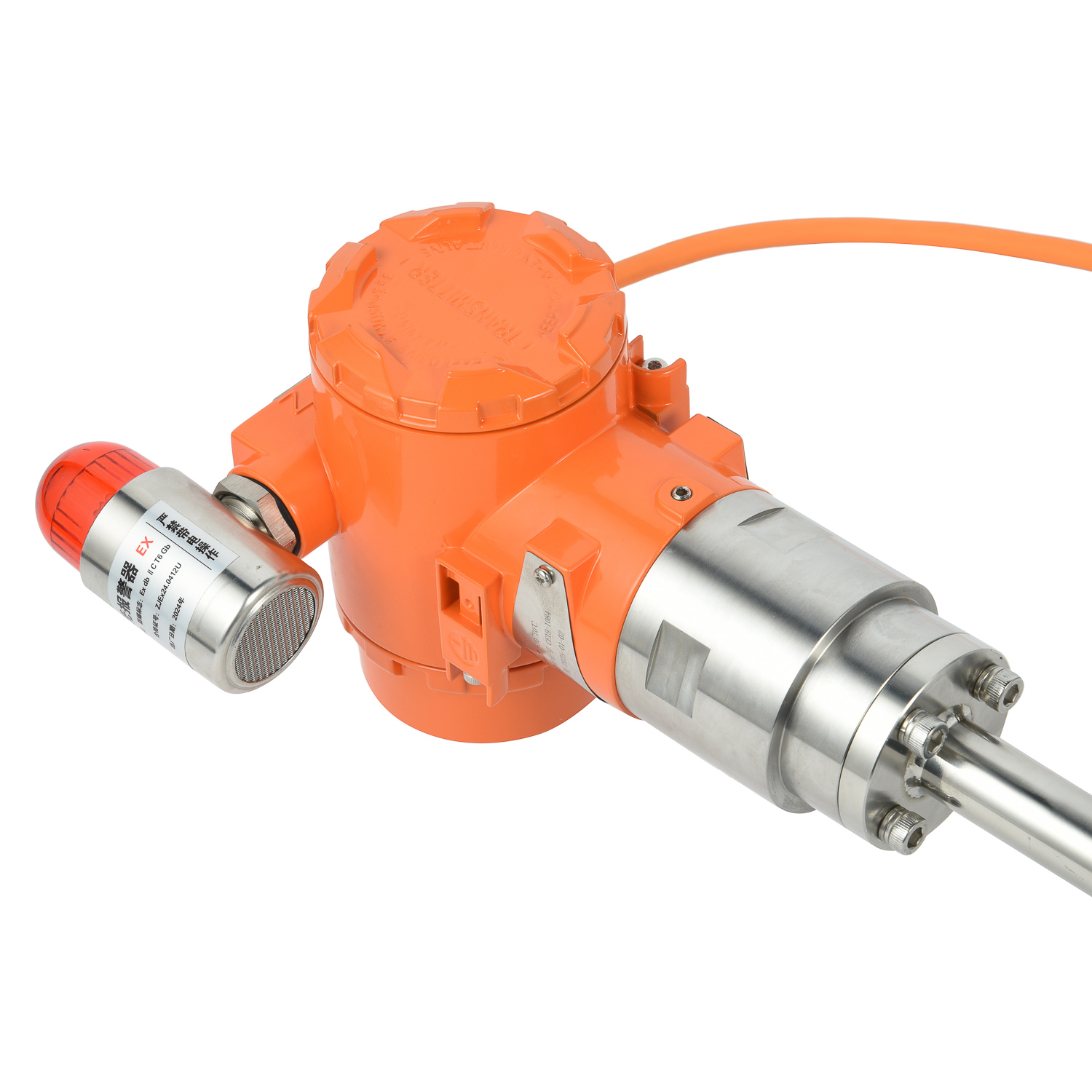
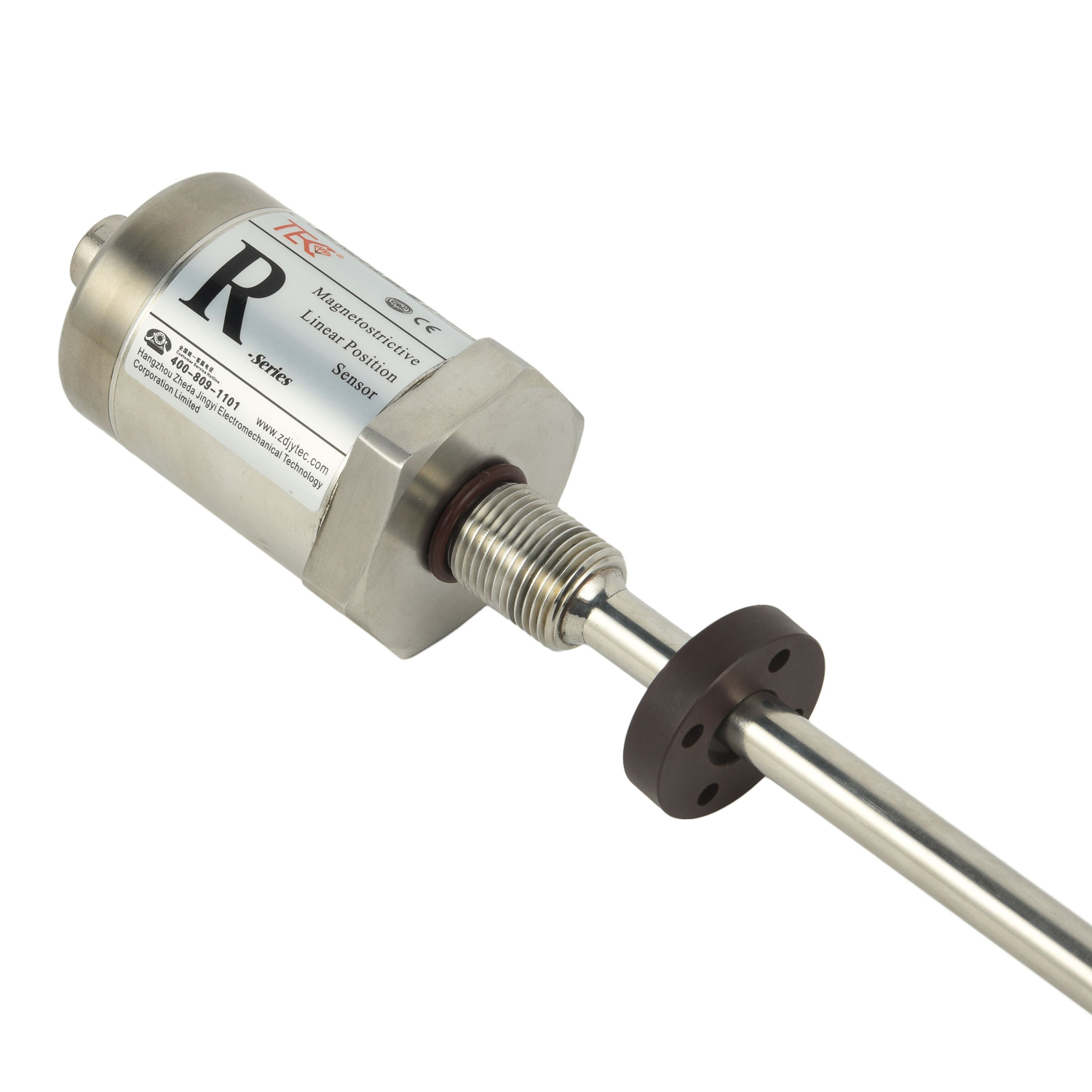
The exceptional vibration resistance of magnetostrictive level gauges stems from their fundamentally solid-state design with no moving parts in the traditional sense. While the float moves along the probe, the actual sensing components – the magnetostrictive wire and electronic components – remain stationary and well-protected within the probe tube. This robust construction means there are no delicate mechanical linkages, bearings, or pivoting elements that could wear out or malfunction under constant vibration. The probe itself is typically manufactured from stainless steel or other robust materials capable of withstanding significant mechanical stress. Furthermore, the non-contact nature of the measurement between the float and the sensing element ensures that vibration doesn't introduce measurement errors that commonly affect technologies requiring physical contact or leverage mechanisms. This design philosophy results in a measuring system that maintains calibration and accuracy even after prolonged exposure to challenging vibrational conditions.
Advanced Signal Processing for Vibration Compensation
Modern magnetostrictive level gauges incorporate sophisticated signal processing algorithms specifically designed to filter out vibration-induced noise. These electronic systems employ multiple techniques to distinguish between genuine level signals and vibration artifacts. Digital filtering algorithms identify and eliminate periodic interference patterns characteristic of machinery vibrations. Adaptive signal processing continuously adjusts to changing environmental conditions, ensuring consistent performance even as vibration frequencies and amplitudes vary. Many advanced models also feature signal averaging and validation routines that cross-reference multiple measurements to verify accuracy. Some manufacturers implement specialized float designs that minimize vibration-induced oscillations that could potentially affect measurement consistency. These electronic enhancements work in concert with the inherent mechanical advantages of magnetostrictive technology, providing dual-layer protection against vibration effects that could compromise measurement integrity in less sophisticated instruments.
Installation Best Practices for High-Vibration Applications
Proper installation significantly enhances vibration performance in magnetostrictive level gauges. Manufacturers typically recommend rigid mounting arrangements that minimize gauge movement relative to the tank. Using appropriately sized mounting flanges with sufficient stiffness prevents the transmission of tank vibrations to the gauge housing. In extreme vibration environments, supplementary support brackets may be installed along the probe length to dampen resonant frequencies that could develop in longer probes. The orientation of installation also plays a crucial role – positioning the gauge away from direct vibration sources such as mixers, agitators, or pumps can dramatically improve performance. Electrical connections should employ vibration-resistant terminations, and cable routing should avoid areas of high vibration that could lead to wire fatigue. Many experienced engineers also specify flexible couplings between the gauge and process connections to isolate high-frequency vibrations while maintaining a secure installation. These installation considerations, while seemingly simple, often make the difference between adequate and exceptional performance in demanding vibrational environments.
Comparative Performance Against Other Technologies
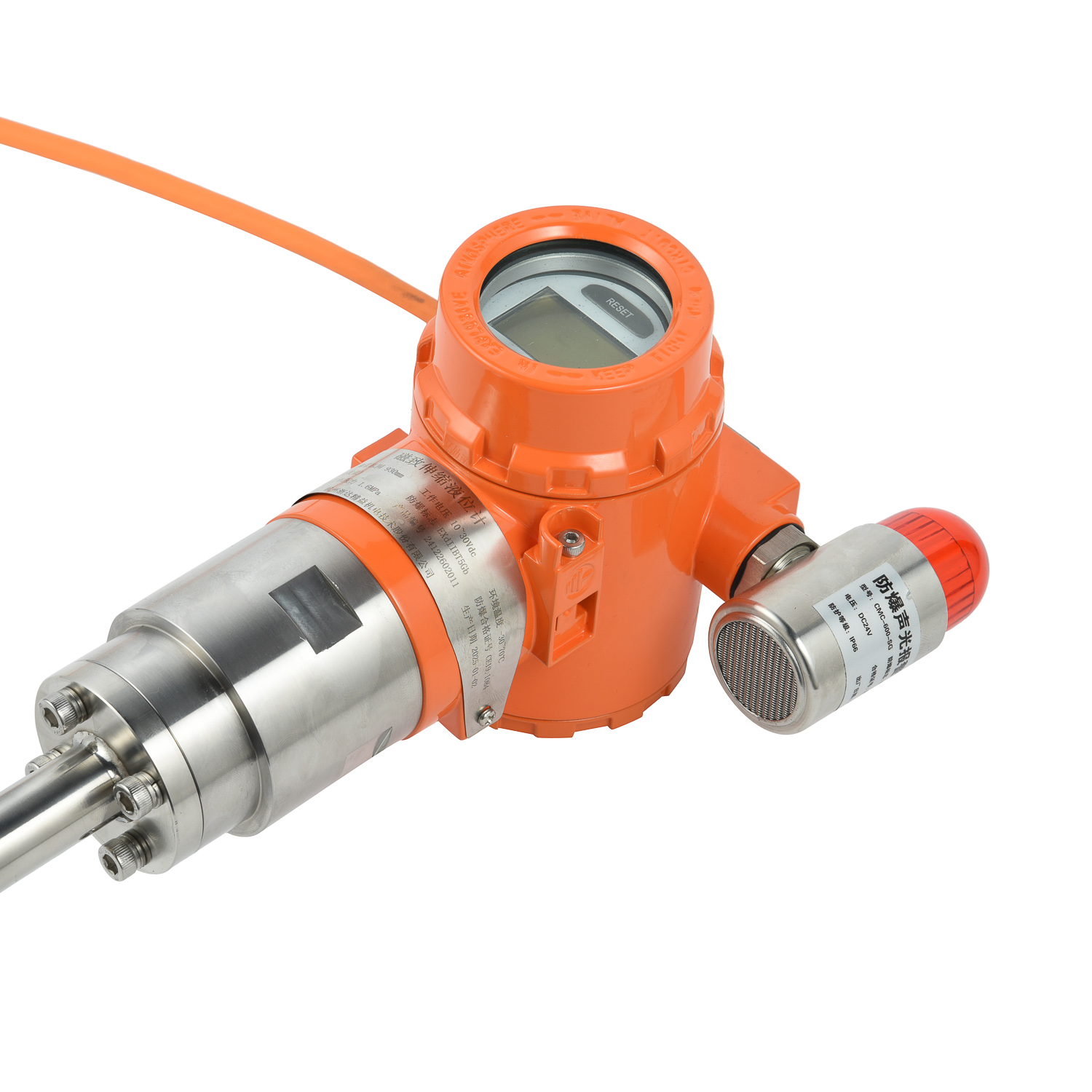
When evaluated against other level measurement technologies in high-vibration environments, magnetostrictive gauges consistently demonstrate superior performance characteristics. Unlike float switches that can jam or wear prematurely under vibration, magnetostrictive instruments maintain smooth operation. Compared to radar and ultrasonic devices that can experience signal distortion from surface turbulence induced by vibration, magnetostrictive technology measures directly at the probe surface, unaffected by surface conditions. Differential pressure systems often require impulse piping that can transmit vibrations and create measurement errors, while magnetostrictive gauges eliminate this vulnerability through direct installation. Capacitive devices may experience calibration drift as vibration affects dielectric constants, whereas magnetostrictive measurement remains fundamentally stable. This performance advantage becomes particularly evident in applications such as mobile equipment, vibrating screens, mixers, and near rotating machinery where other technologies frequently require special modifications or compromise on accuracy to function at all.
Real-World Applications and Case Studies
The vibration-resistant properties of magnetostrictive level gauges find practical application across numerous industries. In chemical processing plants, they reliably measure levels in reactors and mixers where aggressive agitation generates significant vibration. The marine industry utilizes them in shipboard tanks where engine and wave-induced vibrations challenge conventional instruments. Mobile hydraulic applications in construction and agricultural equipment benefit from their ability to maintain accuracy despite engine and terrain-induced vibrations. Pharmaceutical manufacturers employ them in fluid beds and granulators where precise level control is essential despite vigorous mechanical action. Case studies from hydrocarbon processing facilities document magnetostrictive gauges maintaining ±1mm accuracy in knockout drums experiencing vibration amplitudes that rendered competitive technologies unusable. Power generation facilities report significantly reduced maintenance intervals when switching to magnetostrictive technology for boiler feedwater tanks near large pumping operations. These real-world validations confirm the theoretical advantages of magnetostrictive technology in practical high-vibration scenarios.
Maintenance Considerations in Vibrational Environments
While magnetostrictive level gauges require minimal maintenance compared to other technologies, specific considerations apply in high-vibration environments. Regular visual inspections should verify that mounting hardware remains tight and that no visible damage has occurred to the probe or housing. In extremely high-vibration applications, periodic verification of calibration may be recommended, though the fundamental measurement principle typically maintains long-term stability. The float mechanism represents the only moving component, and its freedom of movement should be confirmed during routine maintenance checks. Electrical connections warrant particular attention as vibration can loosen terminal connections over time. Some users install vibration monitors nearby to track environmental conditions and anticipate potential issues before they affect measurement integrity. Manufacturers often provide vibration-specific maintenance guidelines, including recommended inspection frequencies and component replacement intervals based on vibration severity. These proactive maintenance practices ensure that the inherent vibration resistance of magnetostrictive technology delivers its full potential throughout the instrument's service life.
 Graybus Cable Fault
 Field Application of Graybus C
 Model and Specification of Gra
 Import Substitute Graybus Cabl