
How does redundant design enhance safety in magnetostrictive level gauges?
In industrial processes where accurate level measurement is critical, safety remains a top priority. Magnetostrictive level gauges are widely used for their precision, but incorporating redundant design elements significantly elevates their reliability and safety. This approach ensures continuous operation even if one component fails, preventing hazardous situations.
Understanding Redundancy in Safety-Critical Systems
Redundant design involves duplicating essential components within a system to create a backup. In the context of magnetostrictive level gauges, this means having multiple sensors, electronic modules, or communication pathways. If the primary element malfunctions, the secondary one seamlessly takes over, maintaining accurate level measurement without interruption. This principle is fundamental for applications involving hazardous materials or high-pressure environments, where a single point of failure is unacceptable.
Key Redundant Mechanisms in Magnetostrictive Gauges
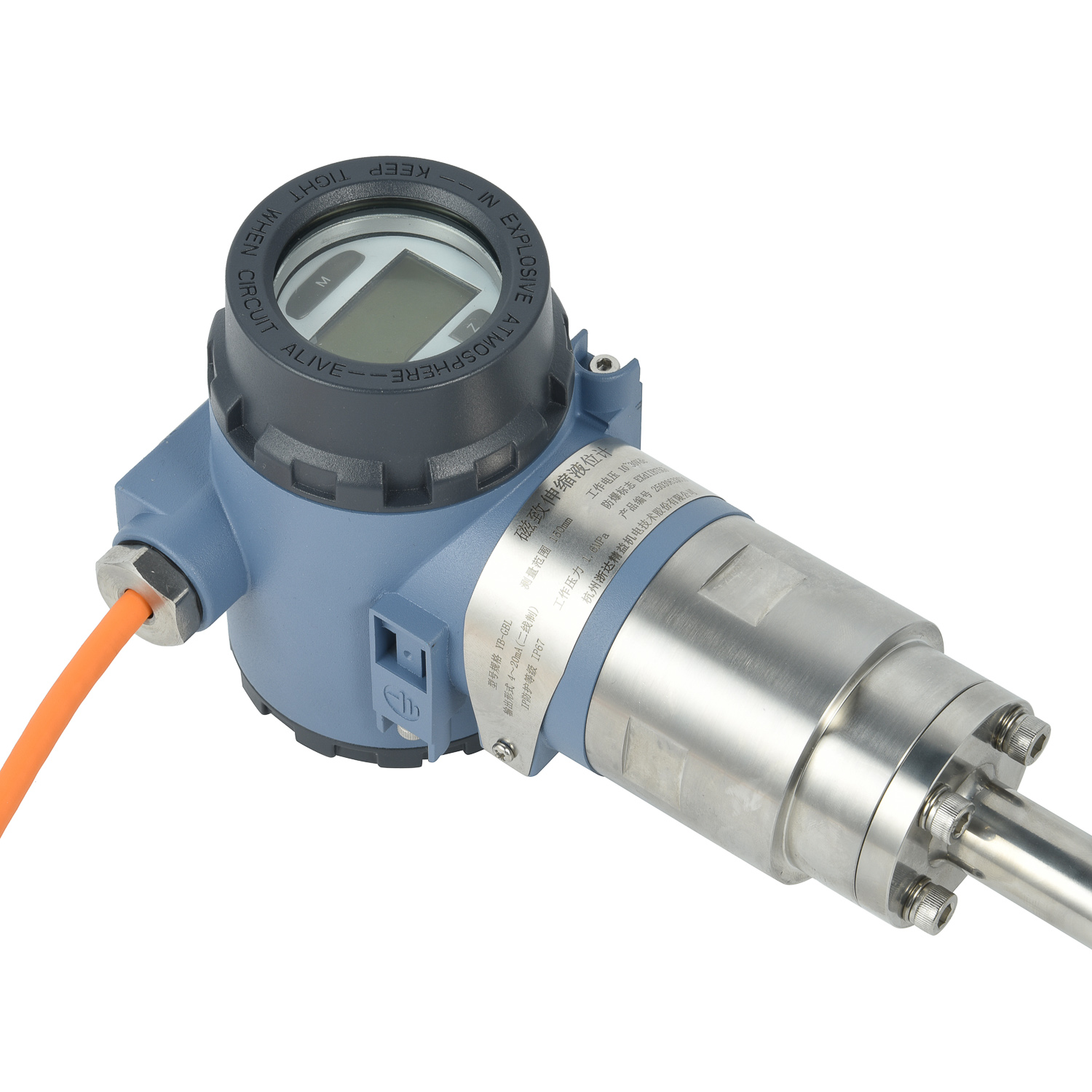
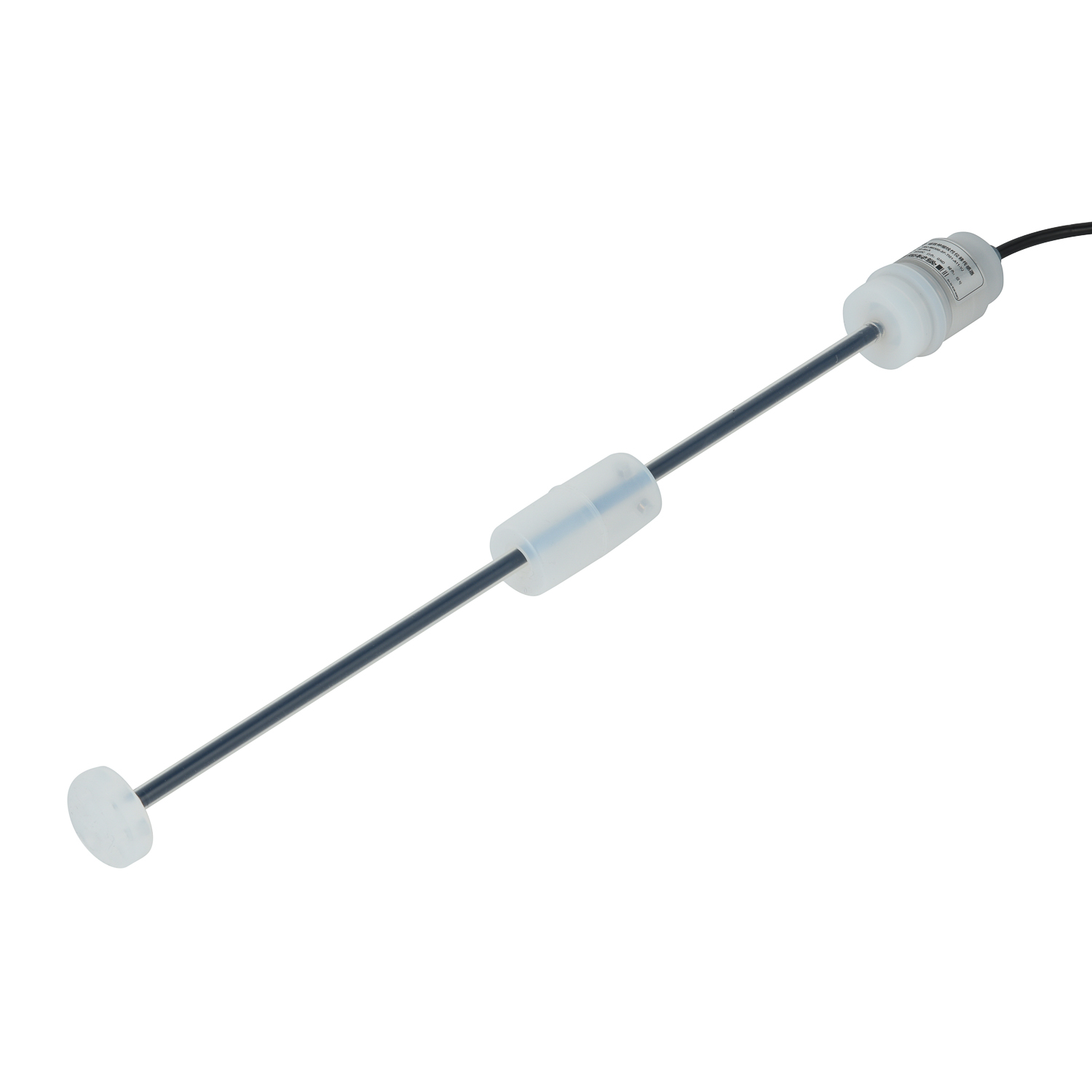
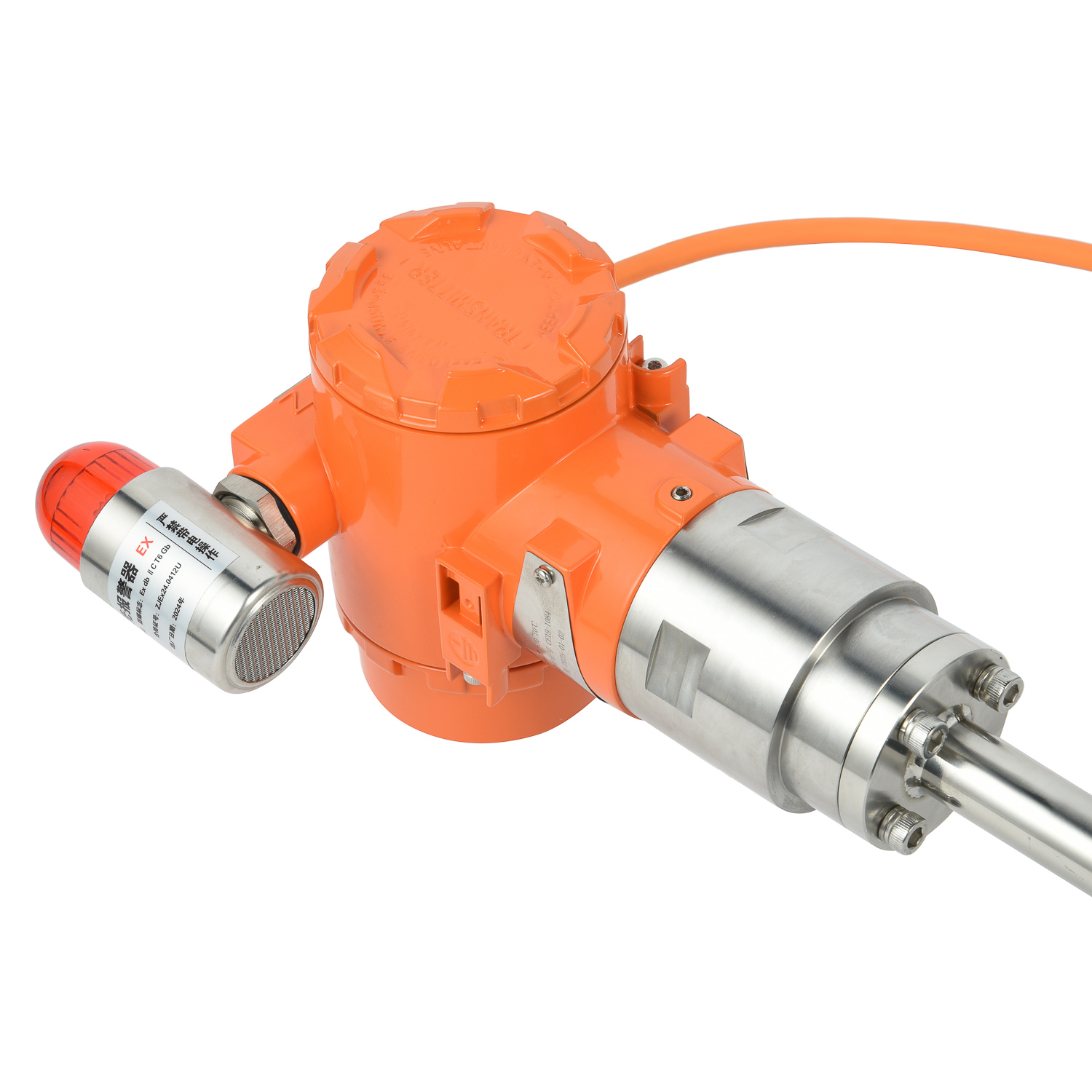
Modern magnetostrictive level gauges implement redundancy in several key areas. A common method is the use of dual independent sensing probes within a single housing. Another is redundant electronics, where two separate transmitter modules process the signal from the probe. Furthermore, redundant power supplies and dual output signals (such as 4-20mA and HART) ensure that the gauge remains operational and communicative even during a power fluctuation or signal line failure.
Preventing Catastrophic Failures and Downtime
The primary benefit of this design is the drastic reduction in the risk of catastrophic failure. For example, in a chemical storage tank, an inaccurate level reading could lead to overfilling or run-dry conditions. Redundant components provide a failsafe, ensuring that the control system always receives a valid signal. This not only prevents spills and equipment damage but also minimizes unplanned downtime, leading to significant cost savings and enhanced operational safety.
Ensuring Reliability in Harsh Environments
Magnetostrictive gauges are often deployed in harsh conditions with extreme temperatures, vibrations, and corrosive media. Redundant design adds an extra layer of robustness. The wear and tear that might degrade a single component over time are mitigated because the backup component remains ready for duty. This built-in resilience guarantees long-term reliability and data integrity, which is crucial for automated process control and safety shutdown systems.
Conclusion: A Proactive Approach to Operational Safety
In conclusion, integrating redundant design into magnetostrictive level gauges is a proactive and essential strategy for enhancing safety. By eliminating single points of failure, these advanced gauges provide a reliable and continuous safeguard for industrial processes. Investing in such technology is a direct investment in preventing accidents, protecting assets, and ensuring peace of mind in demanding operational environments.
 Graybus Cable Fault
 Field Application of Graybus C
 Model and Specification of Gra
 Import Substitute Graybus Cabl