
How do magnetostrictive level gauges measure high-temperature molten salts?
In industrial processes involving extreme temperatures, accurate level measurement becomes critical for both safety and operational efficiency. Magnetostrictive level gauges have emerged as a preferred technology for measuring high-temperature molten salts, offering reliability where conventional methods fail. These sophisticated instruments maintain precision even in challenging environments where temperatures can exceed 400°C, making them indispensable in concentrated solar power plants, molten salt reactors, and high-temperature chemical processing.
The Fundamental Working Principle of Magnetostrictive Technology
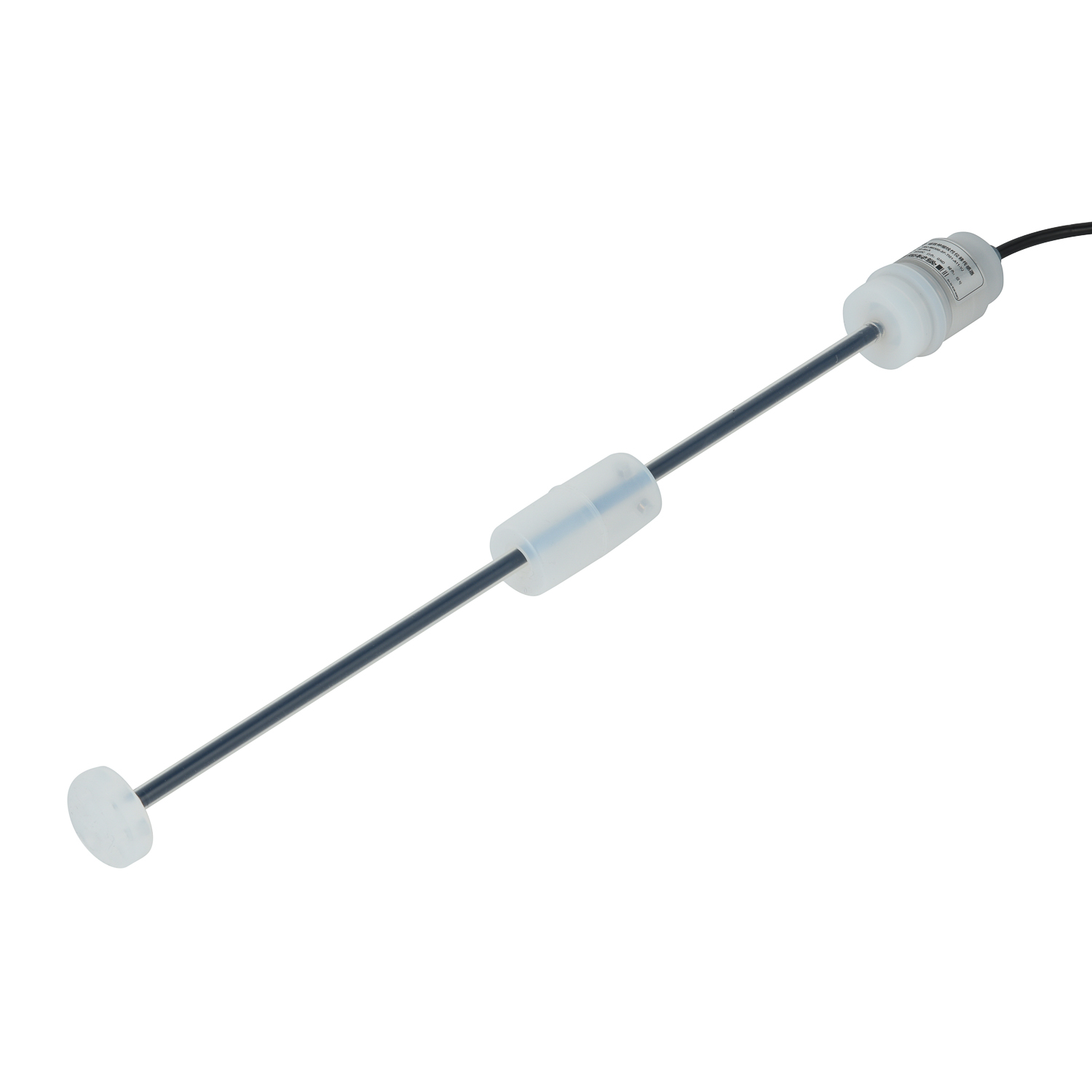
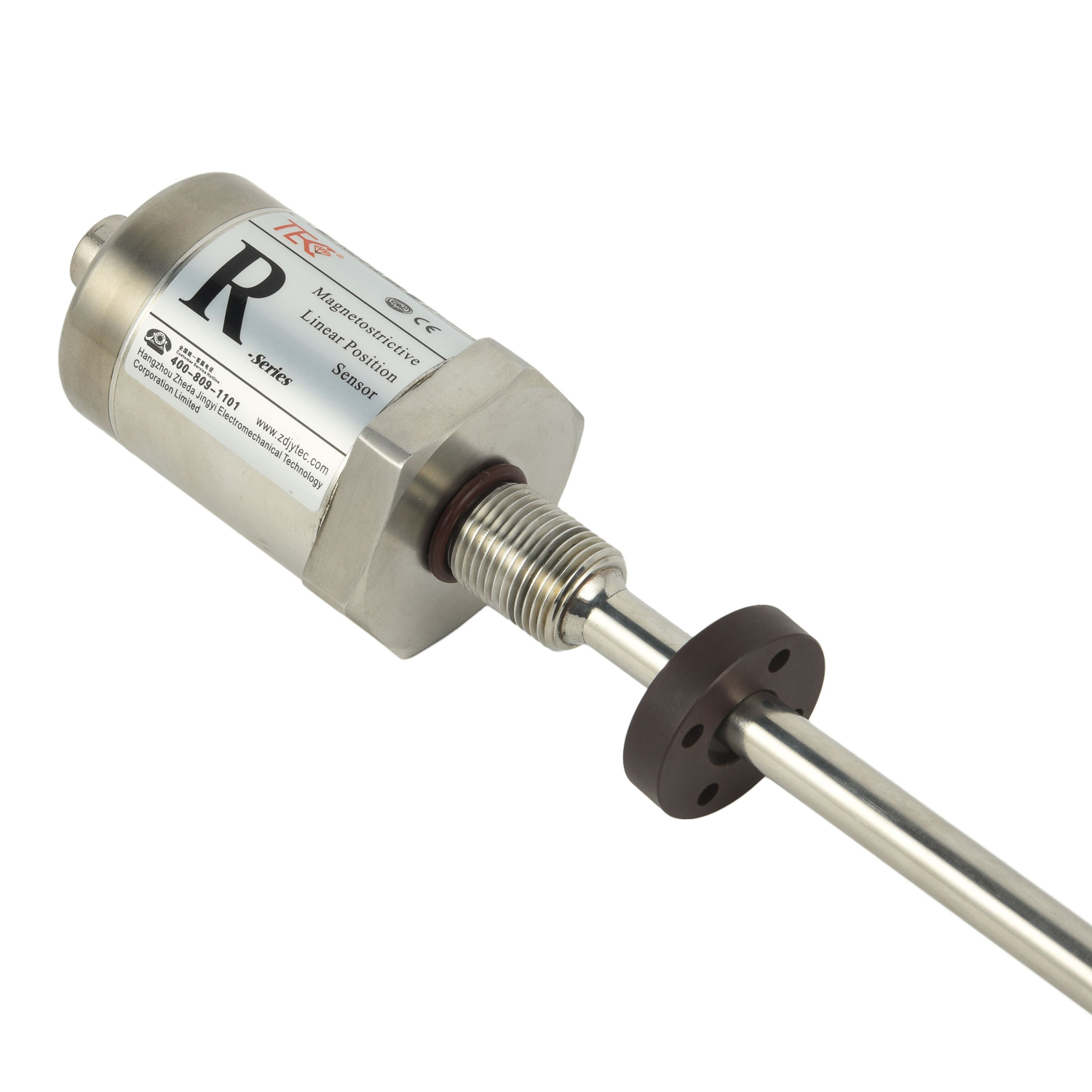
At the core of magnetostrictive level measurement lies a clever physical principle called magnetostriction. The system comprises three main components: a waveguide wire, a float containing permanent magnets, and an electronic transducer head. When current pulses are sent down the waveguide, they generate a circular magnetic field along its length. The float's permanent magnets interact with this field, creating torsional stress waves that travel back to the transducer at ultrasonic speeds. By precisely measuring the time difference between pulse transmission and wave return, the system calculates the exact float position with remarkable accuracy, typically within ±1mm. This non-contact measurement method ensures minimal wear and consistent performance even after millions of measurement cycles.
Why Magnetostrictive Gauges Excel with High-Temperature Molten Salts
Molten salts present unique measurement challenges due to their extreme temperatures, corrosive nature, and tendency to form crusts or solid deposits. Magnetostrictive level gauges overcome these challenges through several design advantages. Their all-welded construction eliminates gaskets and seals that could fail under thermal stress. The float is specifically engineered to handle thermal expansion differences without binding, while specialized coatings protect against corrosive salt attack. Unlike radar or ultrasonic technologies that can be affected by vapor density changes above molten salt surfaces, magnetostrictive measurement remains unaffected by process conditions. The technology's immunity to density variations, pressure changes, and conductivity fluctuations makes it particularly suitable for molten salt applications where these parameters constantly shift with temperature.
Superior Performance Compared to Alternative Measurement Technologies
When evaluated against other level measurement methods, magnetostrictive gauges demonstrate clear advantages for high-temperature molten salt applications. Differential pressure transmitters struggle with density variations and require extensive temperature compensation. Radar level transmitters face challenges with the steam and vapor often present above molten salt surfaces. Ultrasonic sensors similarly suffer from accuracy issues due to vapor space conditions and temperature limitations. Guided wave radar technology can handle the temperatures but often faces challenges with buildup on the probe in molten salt applications. Magnetostrictive systems provide direct level measurement unaffected by these variables, delivering consistent accuracy without requiring complex compensation algorithms or frequent recalibration.
Key Design Considerations for Molten Salt Applications
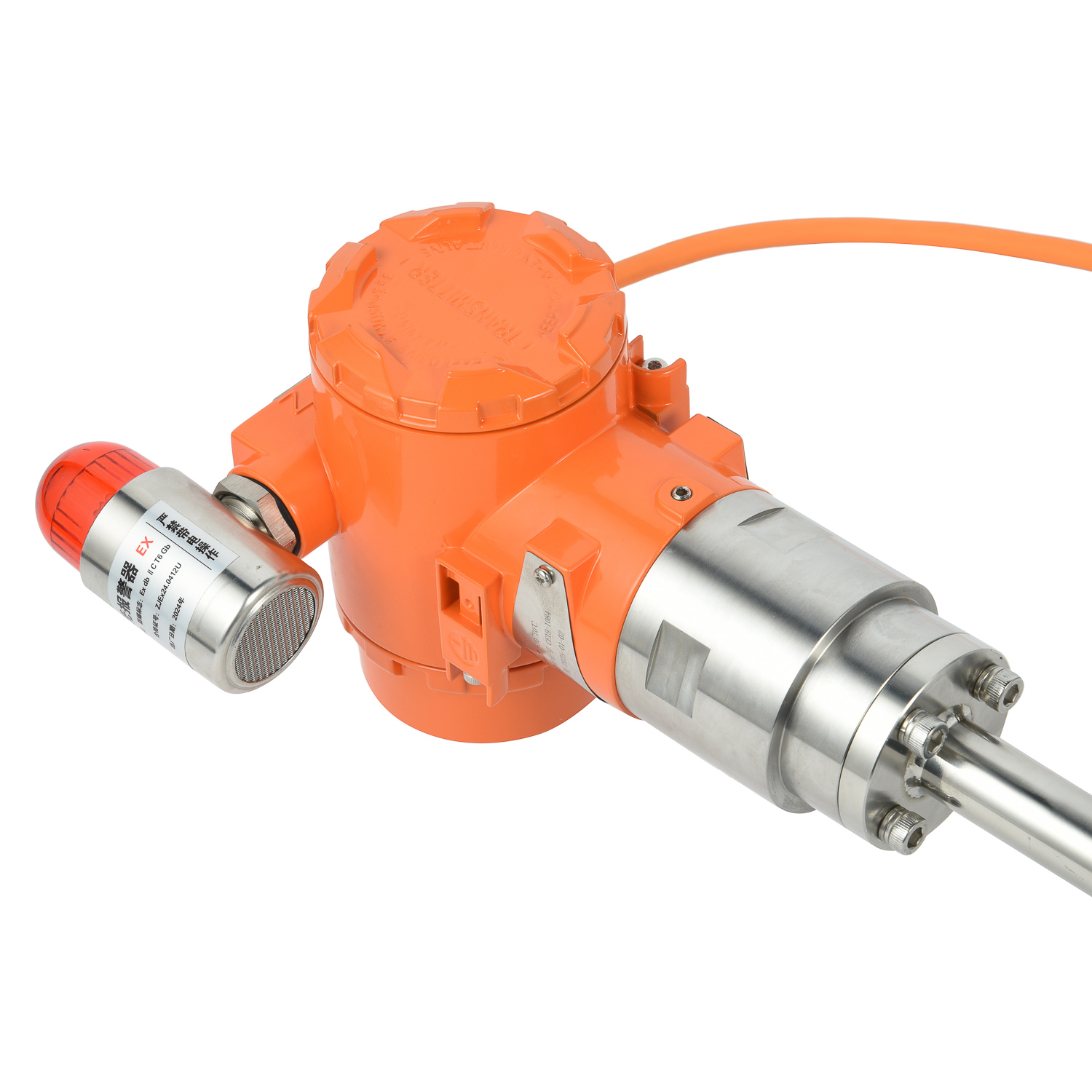
Implementing magnetostrictive level measurement in molten salt service requires careful attention to material selection and configuration. The waveguide must be constructed from specialty alloys that maintain structural integrity and magnetic properties at elevated temperatures. Float design must account for the specific density of the molten salt, which typically ranges from 1.5 to 2.0 g/cm³ for common salt mixtures. Thermal management extends to the electronics housing, which may require heat dissipation fins or remote mounting to protect sensitive components. For applications with potential crust formation, self-cleaning float designs or mechanical wiping systems may be incorporated. The probe length and mounting configuration must accommodate thermal expansion while maintaining precise measurement capability throughout the operating temperature range.
Installation Best Practices and Maintenance Requirements
Proper installation significantly impacts the long-term performance of magnetostrictive level gauges in high-temperature molten salt applications. The gauge should be mounted in areas that minimize thermal shock during system startup and shutdown. Adequate clearance around the float ensures unrestricted movement despite thermal expansion effects. For top-mounted installations, thermal expansion loops may be necessary to accommodate tank roof movement. Calibration should be performed at operating temperature to account for any thermal effects on measurement accuracy. Maintenance primarily involves periodic verification of calibration and inspection for any mechanical damage or excessive buildup. The non-contact nature of the measurement means there are no wearing components in the sensing area, resulting in maintenance intervals typically measured in years rather than months.
Real-World Applications Across Multiple Industries
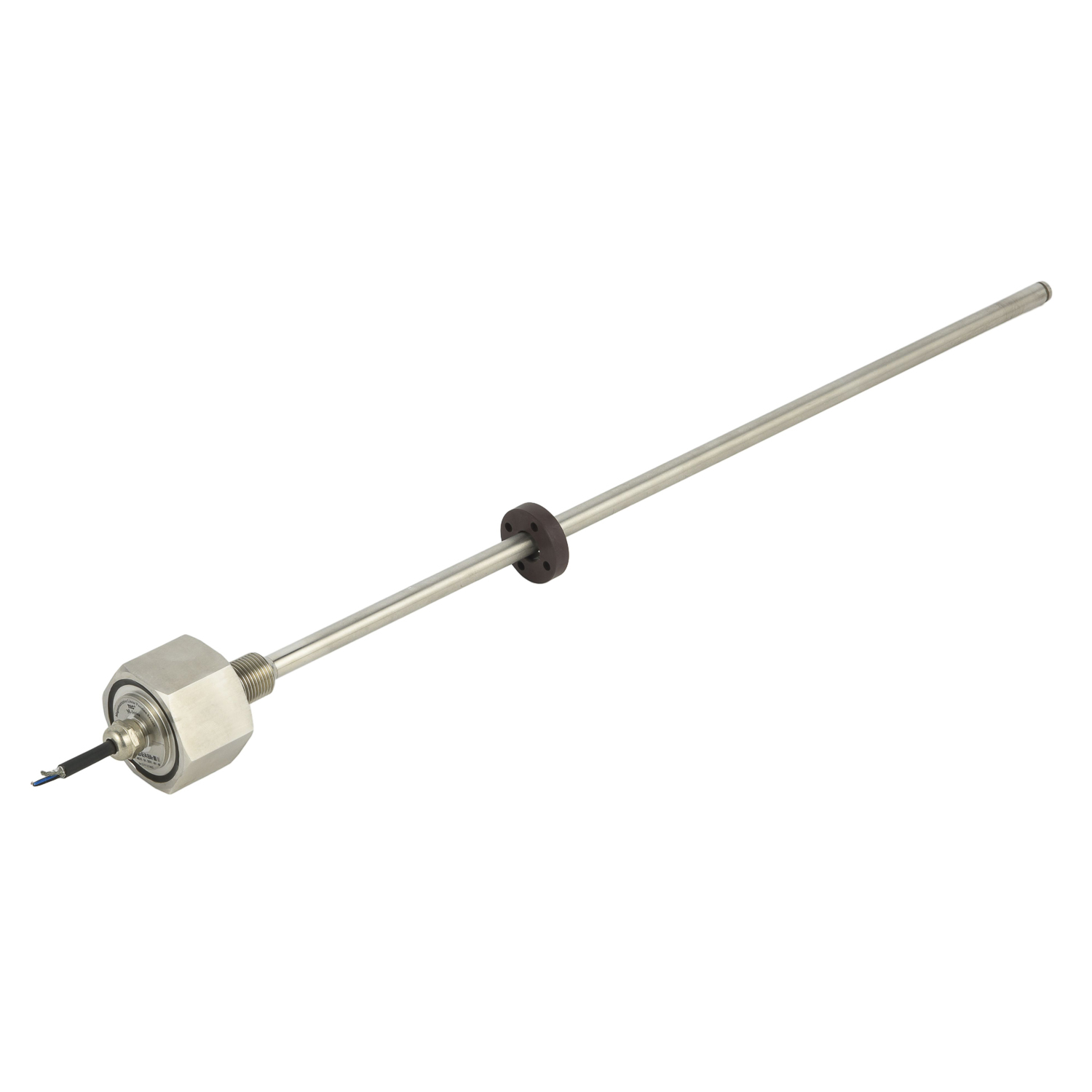
Magnetostrictive level gauges find extensive use in industries where high-temperature molten salts play a crucial role. In concentrated solar power (CSP) plants, they accurately measure thermal energy storage media, typically nitrate salt mixtures operating between 290°C and 565°C. Nuclear facilities employ them in molten salt reactors for both fuel and coolant level monitoring. Chemical processing plants utilize these gauges for salt bath reactors and high-temperature heat transfer systems. Metal treatment operations depend on them for salt bath furnace level control. In each application, the technology provides the reliability needed for automated process control while withstanding the aggressive high-temperature environment that would quickly degrade less robust measurement technologies.
Future Developments and Technological Advancements
Ongoing research continues to enhance magnetostrictive level measurement capabilities for increasingly demanding molten salt applications. Development efforts focus on extending temperature limits beyond current 450°C thresholds through advanced materials and cooling techniques. Wireless connectivity options are being integrated to simplify installation in large industrial facilities. Self-diagnostic capabilities are becoming more sophisticated, enabling predictive maintenance and reducing unplanned downtime. Multi-point measurement systems are emerging that can detect interface levels in applications with multiple liquid phases. As molten salt technologies continue to advance for energy storage and advanced reactor designs, magnetostrictive level measurement evolves in parallel, ensuring reliable performance in tomorrow's most challenging industrial environments.
 Graybus Cable Fault
 Field Application of Graybus C
 Model and Specification of Gra
 Import Substitute Graybus Cabl