
What's the role of magnetostrictive level gauges in smart rainwater recovery systems?
In an era where sustainable water management is becoming increasingly crucial, smart rainwater recovery systems represent a significant technological advancement. These innovative systems harness nature's bounty while incorporating cutting-edge monitoring technology to optimize efficiency. At the heart of these sophisticated systems lies a component that often goes unnoticed yet plays a pivotal role in their operation: magnetostrictive level gauges.
Precision Monitoring in Water Collection
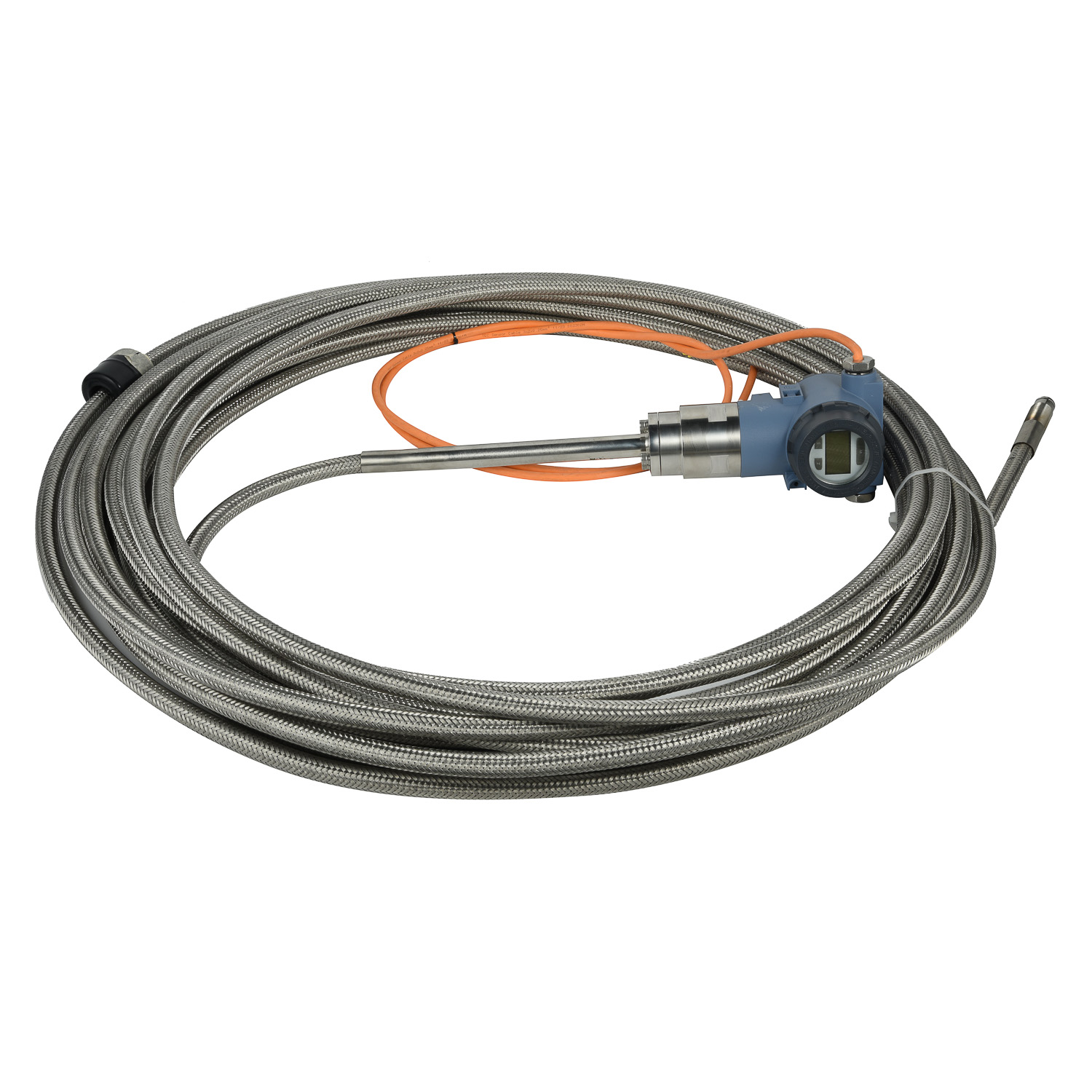
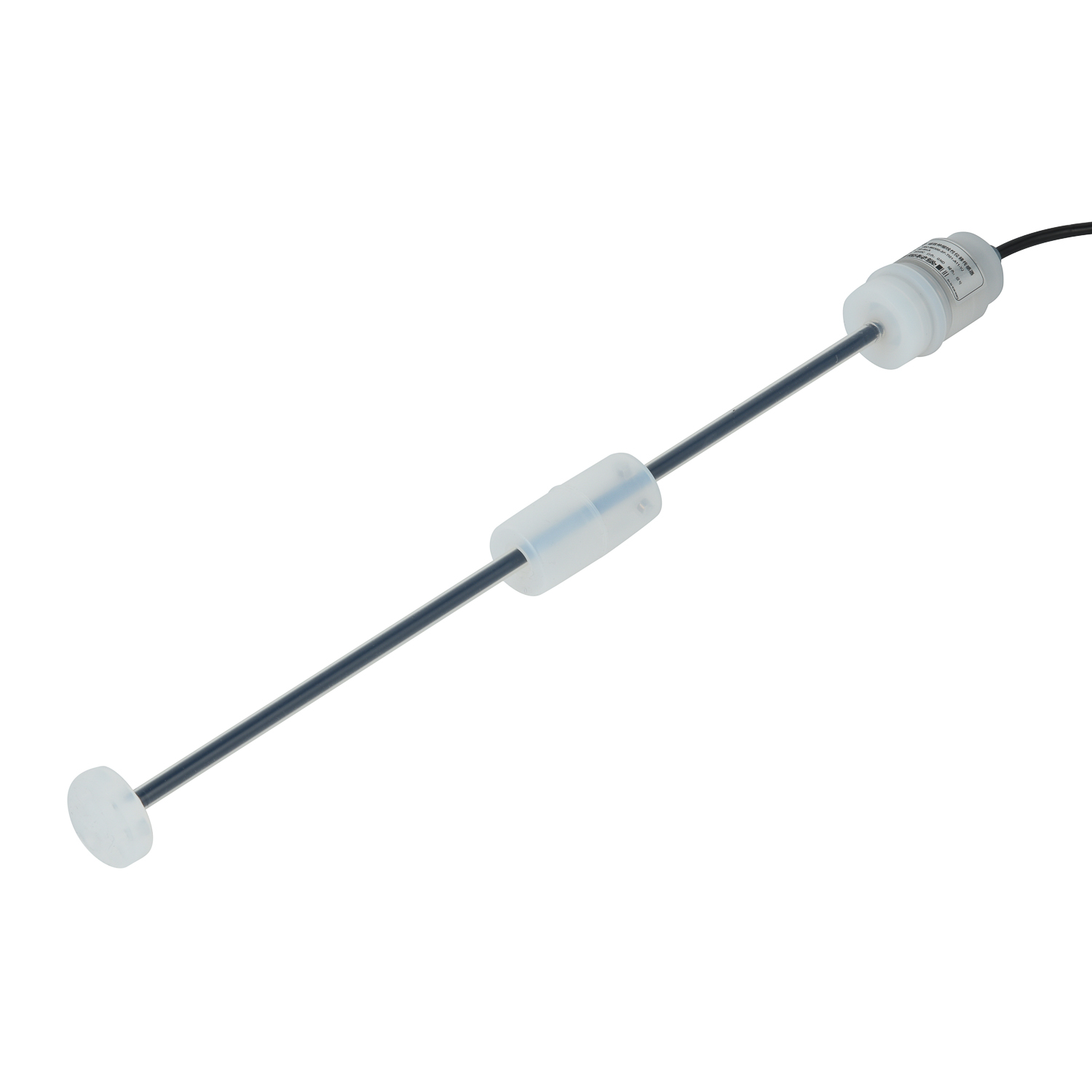
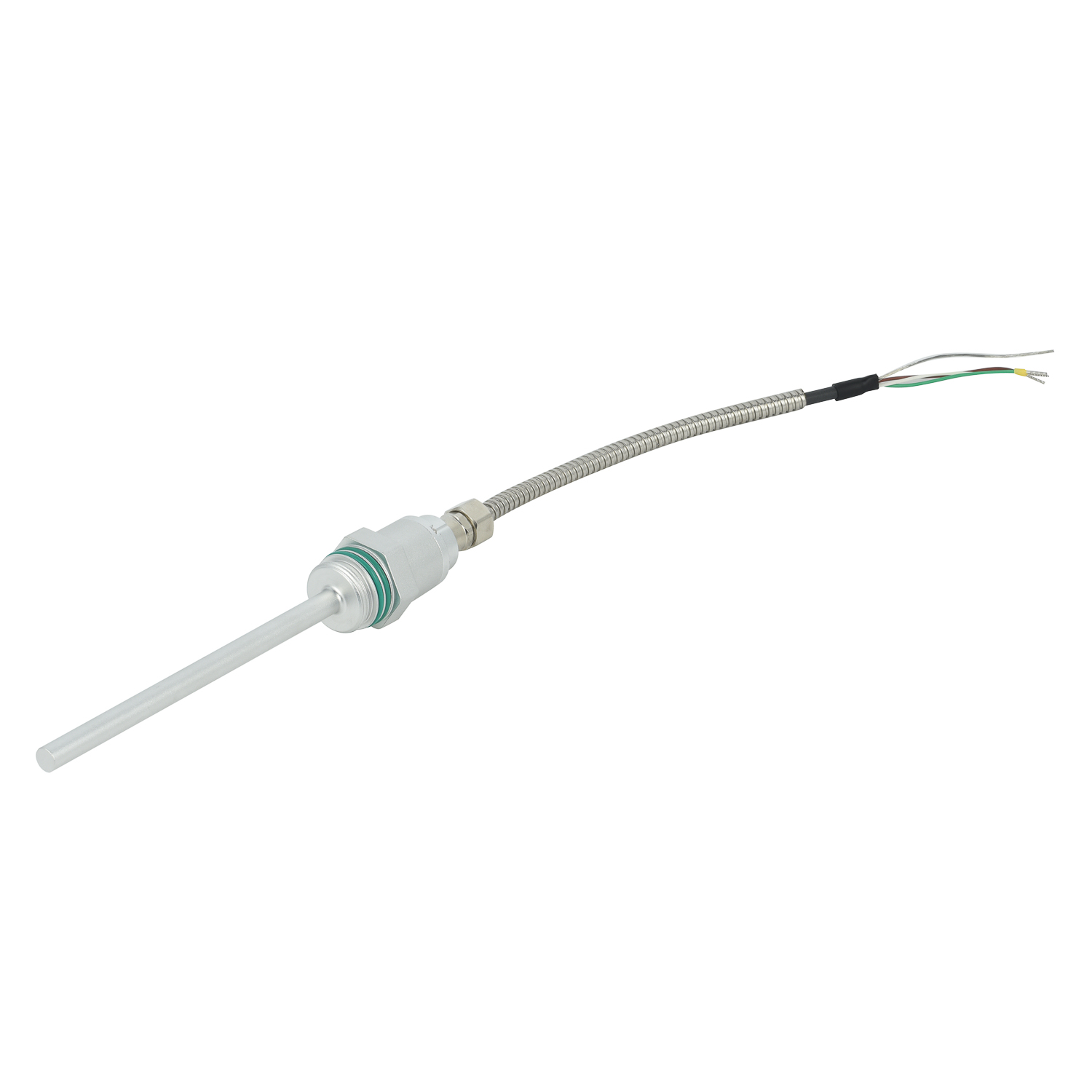
Magnetostrictive level gauges serve as the eyes of smart rainwater recovery systems, providing real-time, accurate measurements of water levels in collection tanks. Unlike traditional float-based sensors that can become stuck or provide inconsistent readings, these advanced gauges utilize a magnetic float that moves along a wire within a protective tube. When an electrical current is sent through the wire, it interacts with the float's magnetic field to determine the exact water level position. This precision is vital for calculating available water resources and making informed decisions about water usage throughout the system.
Enhanced System Efficiency and Automation
The integration of magnetostrictive technology transforms basic rainwater collection into intelligent water management. These gauges deliver continuous level data that enables automated control of pumps, valves, and filtration systems. When water levels reach predetermined thresholds, the system can automatically initiate distribution to appropriate endpoints such as irrigation systems, toilet flushing mechanisms, or laundry facilities. This automation not only optimizes water utilization but also prevents overflow scenarios and protects pumping equipment from dry running, significantly extending the system's operational lifespan while reducing manual intervention requirements.
Durability in Challenging Environments
Rainwater collection presents unique challenges for monitoring equipment, including exposure to debris, varying temperatures, and potential corrosive elements. Magnetostrictive level gauges excel in these conditions due to their non-contact measurement principle and sealed construction. With no mechanical linkages that can wear out or become compromised, these sensors maintain accuracy through years of service. Their robust design minimizes maintenance needs while providing reliable performance even when confronted with sediment buildup or temperature fluctuations that would compromise less sophisticated monitoring solutions.
Data Integration for Smart Water Management
Modern magnetostrictive level gauges transcend simple measurement functionality by incorporating communication capabilities that align with Industry 4.0 principles. These devices typically feature multiple output options including 4-20mA analog signals, HART protocol, or digital fieldbus connections that seamlessly integrate with building management systems and IoT platforms. This connectivity enables comprehensive water usage analytics, predictive maintenance scheduling, and remote monitoring capabilities. System administrators can access real-time water level data from mobile devices, receive automated alerts for unusual conditions, and make data-driven decisions to enhance overall water conservation efforts.
Contributing to Sustainable Water Solutions
The implementation of magnetostrictive level gauges in rainwater recovery systems represents a significant step toward sustainable urban water management. By ensuring precise monitoring and control, these devices help maximize the utilization of harvested rainwater, reducing dependence on municipal water supplies. This not only translates to lower water bills for homeowners and commercial facilities but also contributes to broader environmental conservation goals by decreasing the energy consumption associated with water treatment and distribution. The reliability of these gauges ensures that rainwater recovery systems operate at peak efficiency, making sustainable water practices more accessible and effective for communities worldwide.
 Graybus Cable Fault
 Field Application of Graybus C
 Model and Specification of Gra
 Import Substitute Graybus Cabl