
What wireless transmission options exist for magnetostrictive level gauges?
In today's increasingly connected industrial landscape, the ability to monitor critical parameters like tank levels remotely is no longer a luxury but a necessity. Magnetostrictive level gauges, renowned for their high accuracy in measuring liquid levels, are central to this transition. While traditionally equipped with 4-20mA analog outputs, modern magnetostrictive transmitters now offer a variety of wireless communication options. These technologies liberate the gauges from hardwired constraints, enabling easier installation and access to real-time data from virtually anywhere. This article explores the primary wireless protocols available to integrate these reliable level sensors into your Industrial Internet of Things (IIoT) strategy.
HART and WirelessHART: The Industry Standard
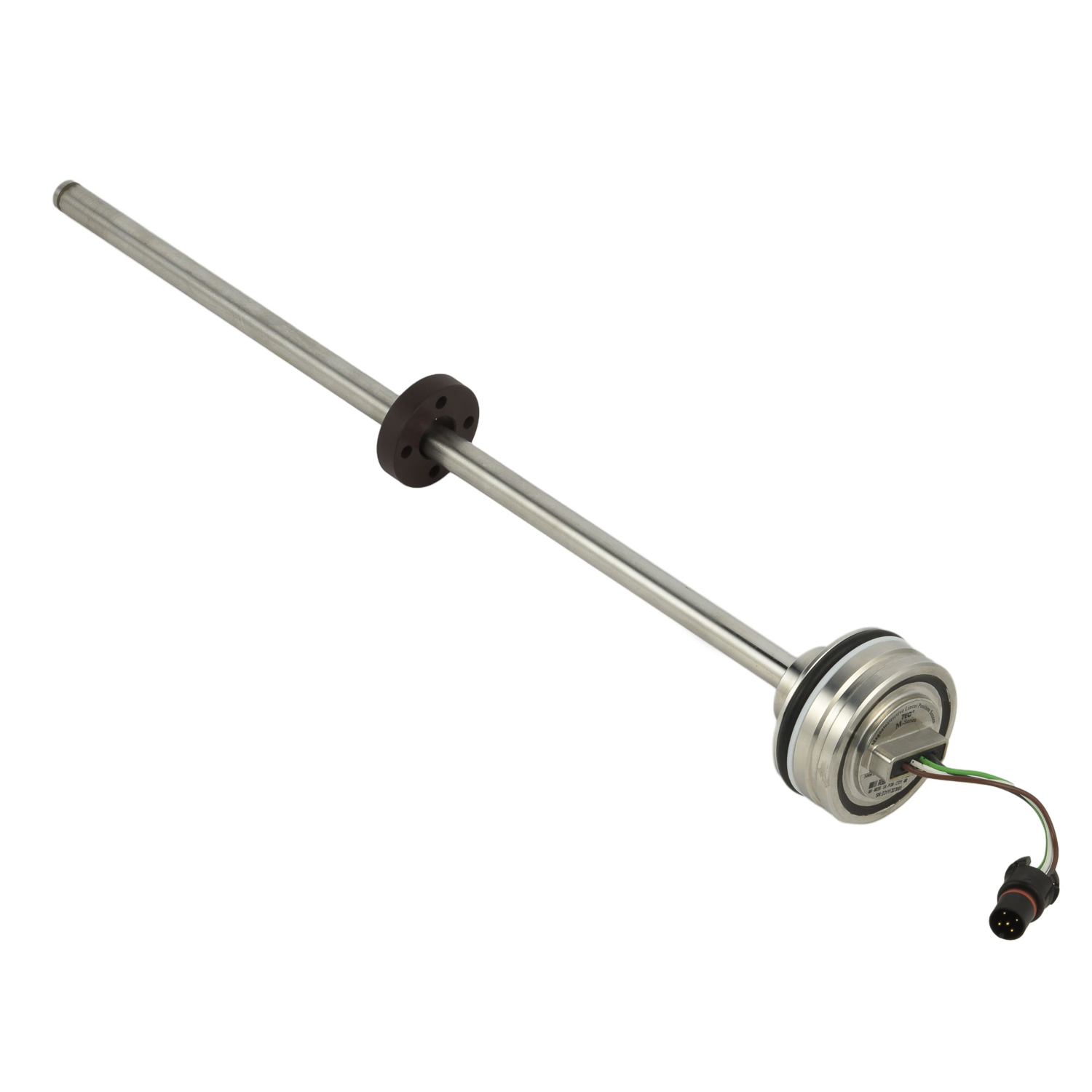
The Highway Addressable Remote Transducer (HART) protocol is a long-established standard in process instrumentation. Many magnetostrictive level transmitters come with HART capability, which superimposes a digital signal on the traditional 4-20mA analog loop. While HART itself is not inherently wireless, it serves as the foundation for WirelessHART. WirelessHART is a robust, self-organizing mesh network protocol designed specifically for industrial environments. It provides a reliable and secure wireless extension for HART-enabled devices, allowing you to transmit level, temperature, and diagnostic data without running new cables. This makes it an ideal choice for retrofitting existing plants or for monitoring tanks in hard-to-reach locations.
LoRaWAN: Enabling Long-Range, Low-Power Monitoring
For applications where monitoring points are spread over a wide area, such as across a large terminal or remote storage facility, LoRaWAN (Long Range Wide Area Network) is an excellent option. This protocol is designed for long-range communication with very low power consumption. Magnetostrictive level gauges integrated with LoRaWAN modules can transmit small packets of data over distances of several kilometers while operating on battery power for years. This eliminates the need for both data cabling and local power sources, significantly reducing installation costs. LoRaWAN is perfect for non-critical, periodic level readings where ultra-low latency is not a primary concern.
Cellular Connectivity (NB-IoT/LTE-M): For Ubiquitous Coverage
When you need to monitor tanks at completely remote sites with no existing local network infrastructure, cellular connectivity provides a powerful solution. Technologies like NB-IoT (NarrowBand-IoT) and LTE-M (Long-Term Evolution for Machines) are low-power, wide-area (LPWA) cellular protocols. A magnetostrictive transmitter with an integrated cellular modem can send data directly to the cloud via public cellular networks. This offers unparalleled geographic flexibility, allowing for centralized monitoring of distributed assets from a single dashboard. While there is a recurring service cost associated with a cellular data plan, the benefit is immediate, widespread coverage without the need to build and maintain a private network.
Selecting the Right Wireless Option for Your Application
Choosing the best wireless transmission method depends on your specific operational requirements. Consider factors such as the required data update rate, the distance between the sensor and the data collection point, the availability of power, and the existing site infrastructure. WirelessHART is ideal for high-reliability, high-speed communication within a plant. LoRaWAN excels in long-range, low-power scenarios with less frequent data needs. Cellular is the go-to for truly remote sites with access to a strong signal. By carefully evaluating these factors, you can select the optimal wireless technology to maximize the value of your magnetostrictive level gauges and enhance your operational intelligence.
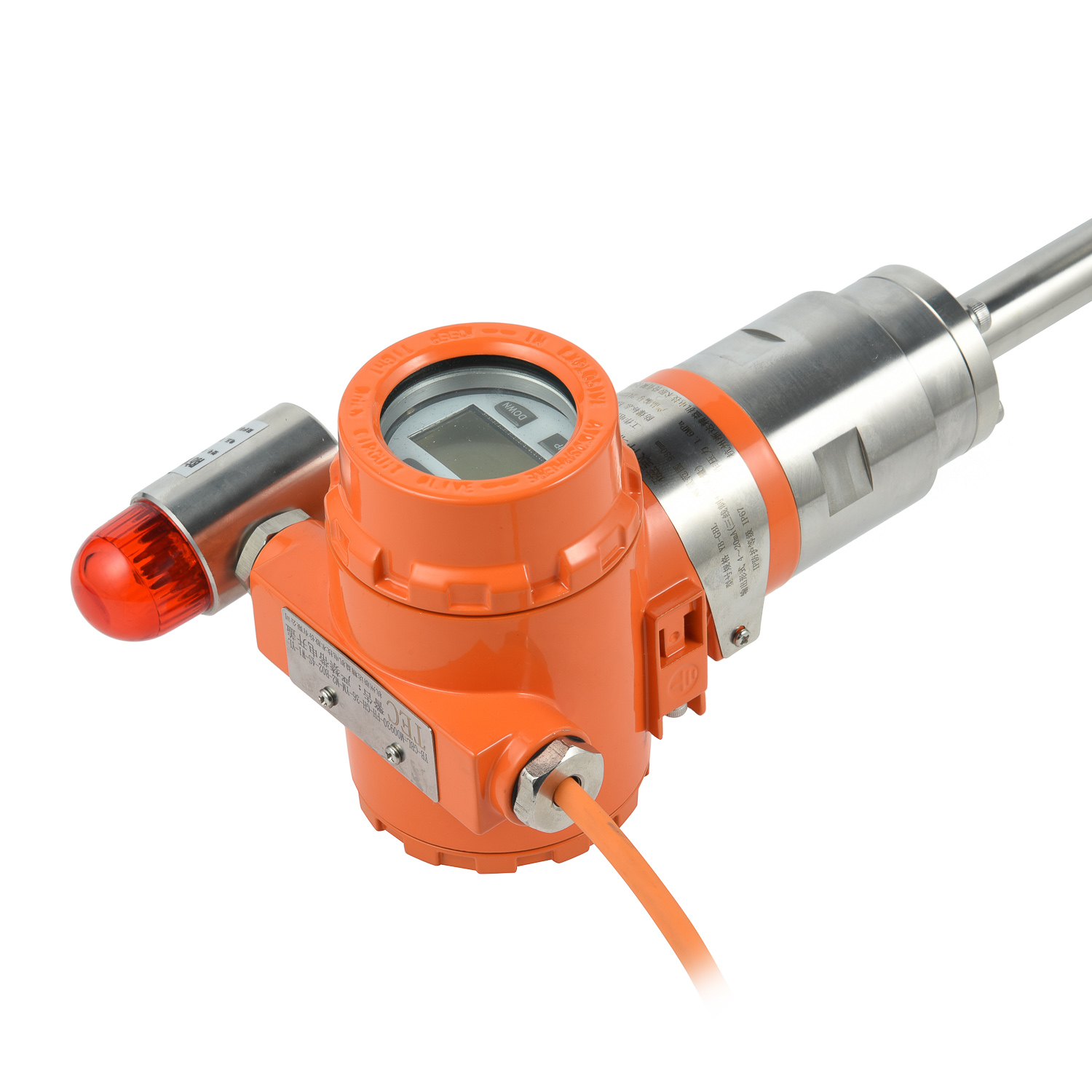 Intrinsically Safe Explosion-p
 Explosion-proof Magnetostricti
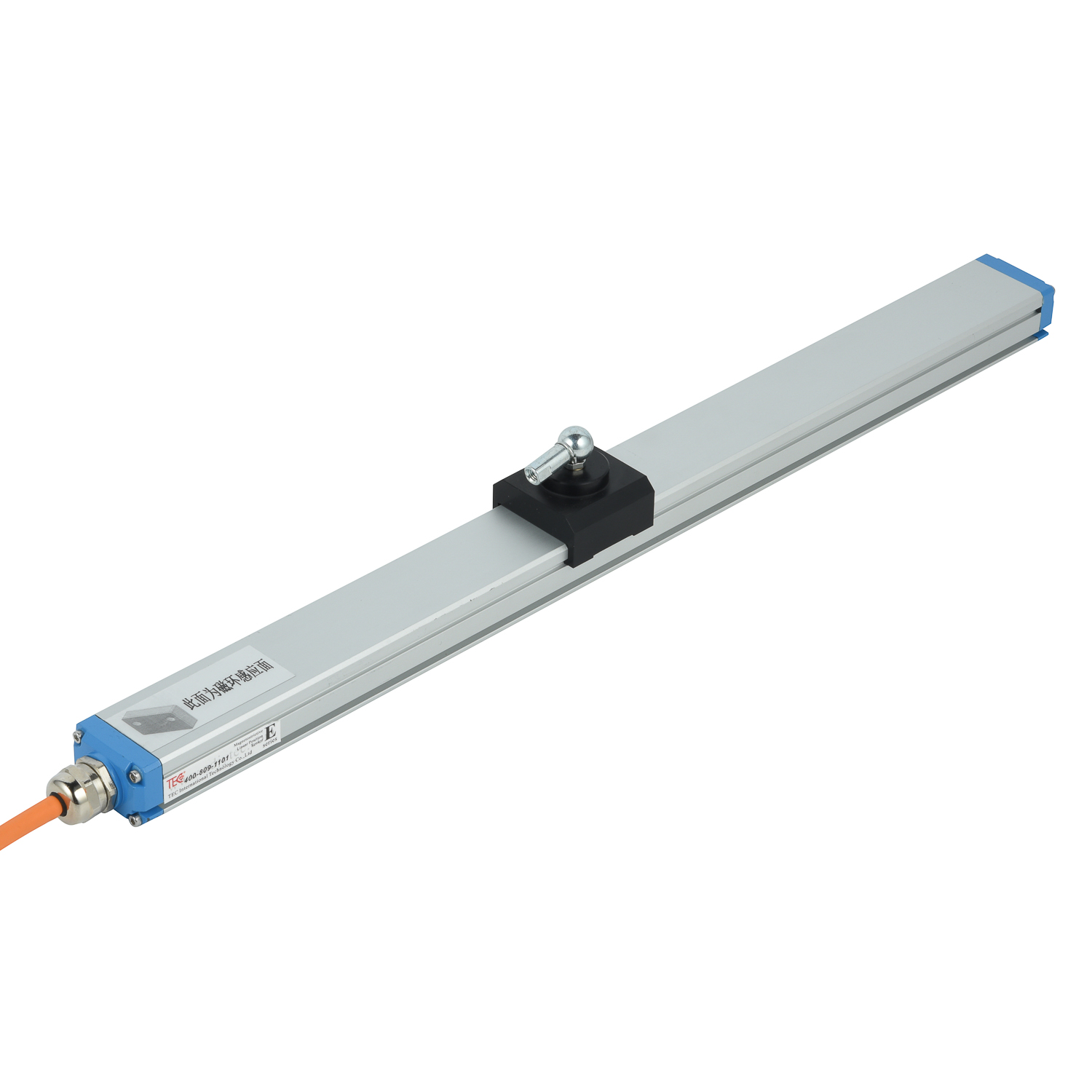 Magnetostrictive Displacement
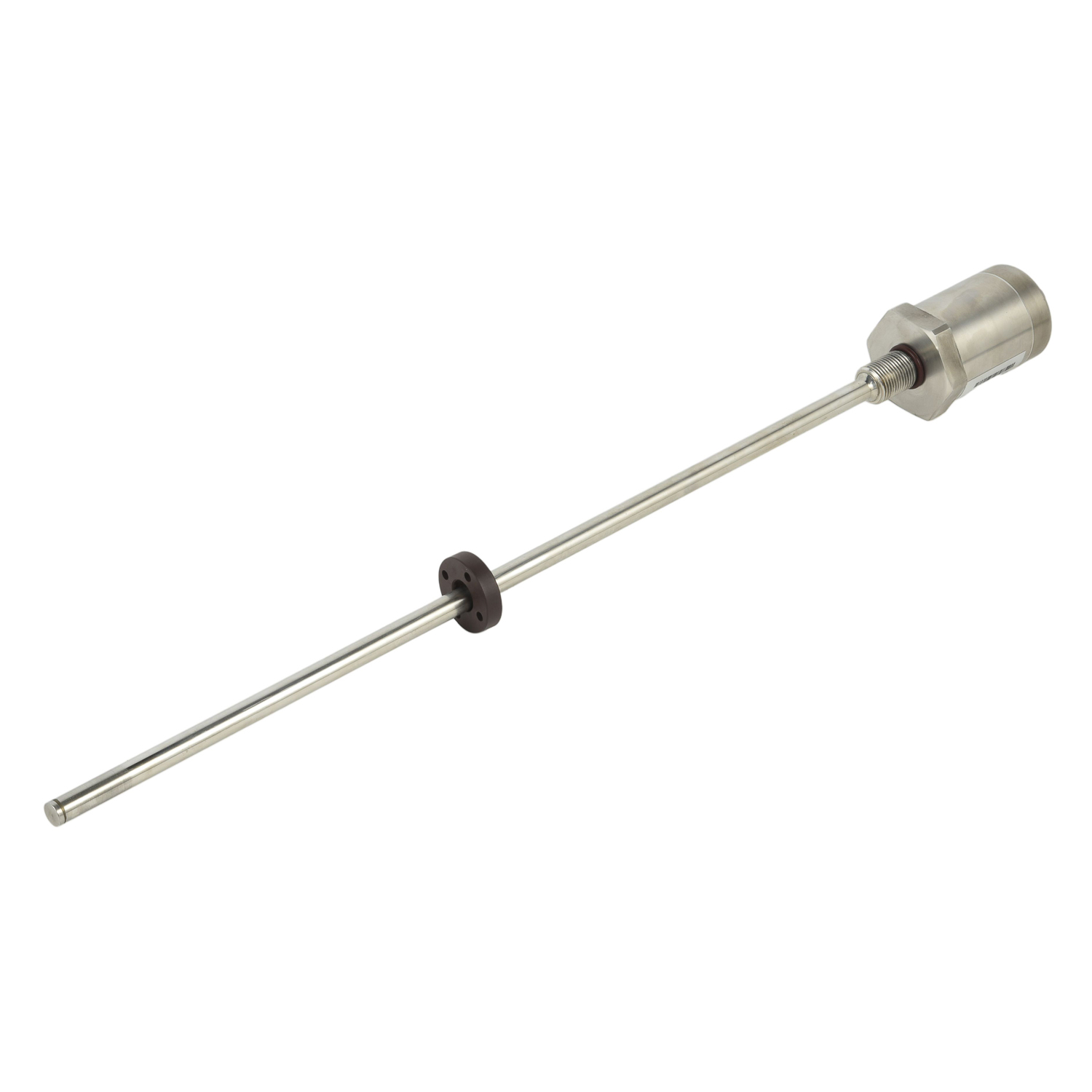 Mining High-temperature Electr