
How do magnetostrictive level gauges handle corrosive media?
Understanding Magnetostrictive Level Measurement Technology
Magnetostrictive level gauges operate on a sophisticated principle of physics to deliver exceptional accuracy in liquid level detection. At the core of the system is a sensing probe—a tightly wound waveguide wire enclosed within a protective tube. A current pulse sent down this wire generates a circular magnetic field. A float, containing permanent magnets, moves freely along the outside of the probe, tracking the liquid level. The interaction between the float's magnetic field and the current pulse's field creates a torsional stress wave (magnetostriction) that travels back along the waveguide. By precisely measuring the time between the current pulse and the returning wave, the gauge calculates the float's position with remarkable precision. This non-contact, wear-free measurement method forms the foundation for handling demanding applications.
The Critical Challenge of Corrosive Media in Industrial Processes
Corrosive media, such as acids, caustics, and aggressive solvents, present a significant threat to industrial instrumentation. These substances can rapidly degrade unprotected sensors, leading to measurement drift, component failure, and potentially hazardous leaks. The consequences extend beyond equipment loss to include costly downtime, production interruptions, and serious safety risks. Selecting a level measurement technology that can withstand these harsh environments is not merely an operational preference but a fundamental requirement for safety and profitability in industries like chemical processing, pharmaceuticals, and wastewater treatment. The integrity of the entire process often depends on the reliability of these critical measurements.
Material Selection: The First Line of Defense Against Corrosion
The primary defense for a magnetostrictive level gauge against corrosive media lies in the strategic selection of wetted materials. Manufacturers offer a range of highly resistant alloys and polymers for the critical components that contact the process fluid. The probe's outer protection tube is typically constructed from materials like 316 stainless steel, Hastelloy C-276, or titanium, chosen based on the specific chemical compatibility. Similarly, the float is crafted from corrosion-resistant metals or often from inert, solid polymers like PPS (Polyphenylene Sulfide) or PVDF (Polyvinylidene Fluoride). This careful material engineering ensures that the gauge's core sensing elements remain intact and functional, even after prolonged exposure to aggressive substances.
Robust Design Features for Enhanced Durability and Safety
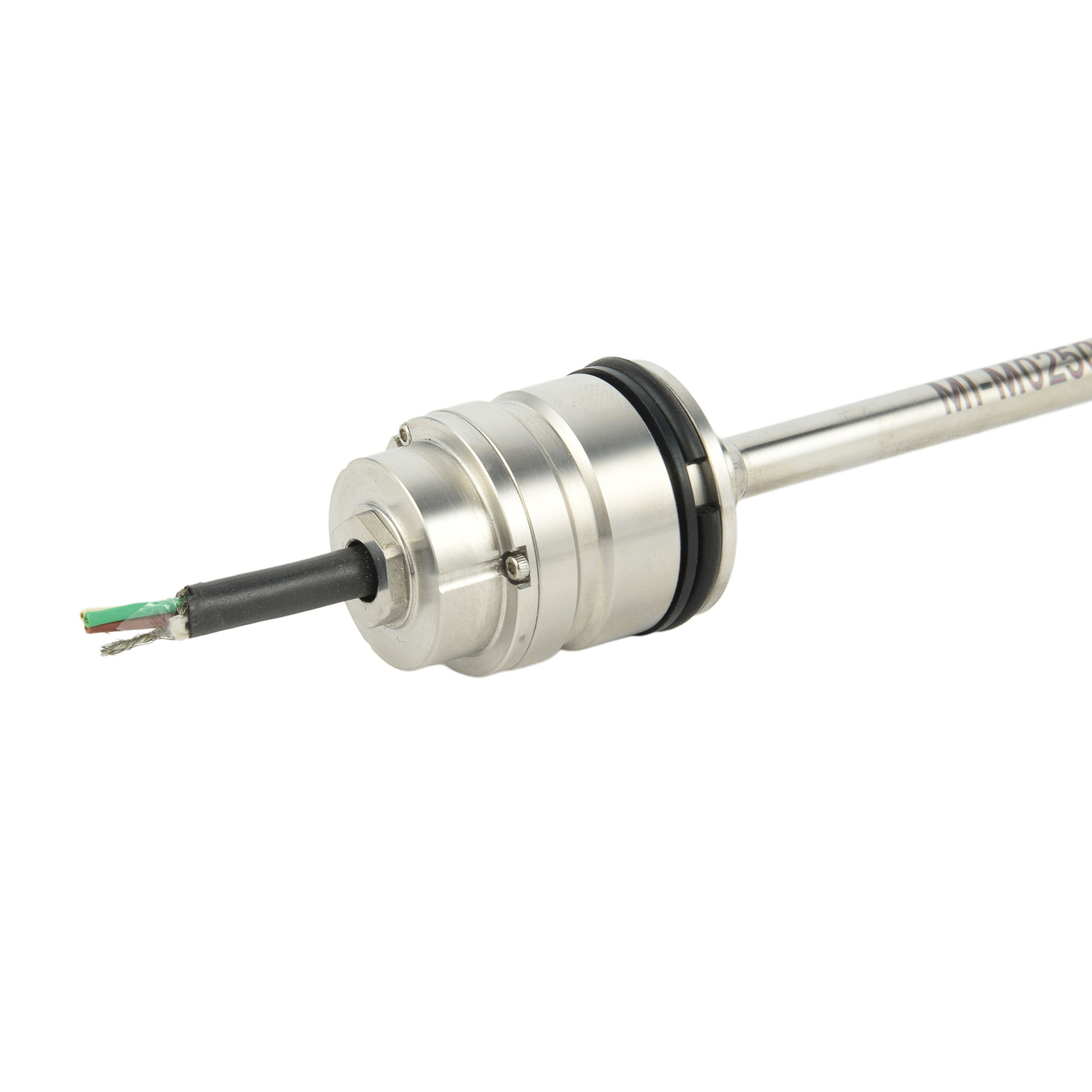
Beyond material choice, the physical design of magnetostrictive gauges contributes significantly to their resilience. The hermetically sealed electronics housing protects the sensitive circuitry from ambient moisture and corrosive vapors. Many models feature a fully welded probe construction, eliminating gaskets or seals that could be potential failure points. For applications with high pressures or where additional safety is paramount, a dual-chamber float design can be employed. This design incorporates a redundant sealing system, providing an extra layer of containment and preventing process fluid from escaping even in the unlikely event of a primary seal failure.
Real-World Applications and Performance Benefits
In practice, magnetostrictive level gauges excel in measuring corrosive media across various sectors. They are commonly deployed in chemical storage tanks, reactors containing aggressive intermediates, and acid/caustic dosing systems. Their key benefits include high accuracy unaffected by fluid properties like density or dielectric constant, long-term stability requiring minimal recalibration, and a simple design with no moving parts that can wear out. This combination of precision, durability, and low maintenance makes them a cost-effective and reliable solution for ensuring process integrity and safety in the most challenging corrosive environments.
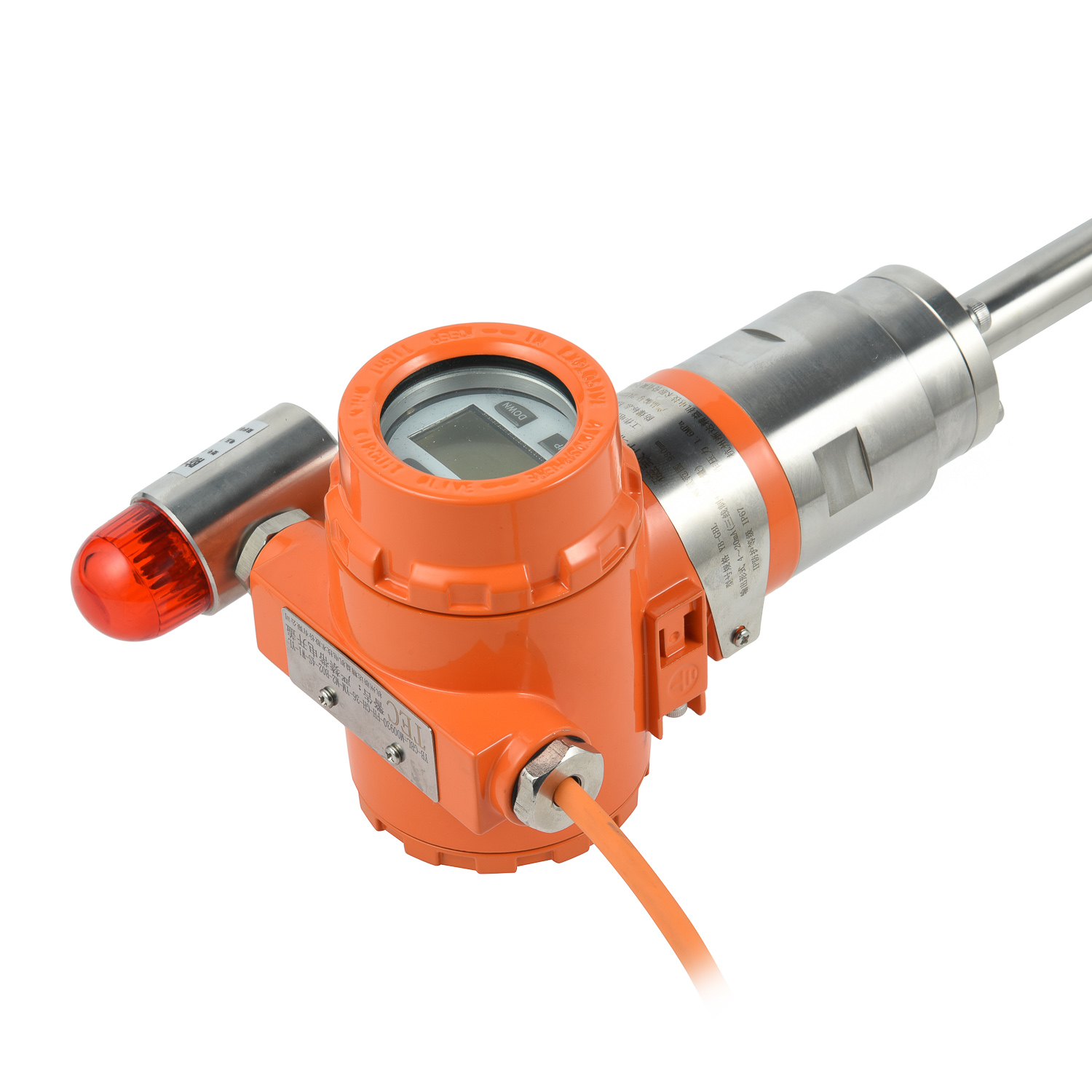 Intrinsically Safe Explosion-p
 Explosion-proof Magnetostricti
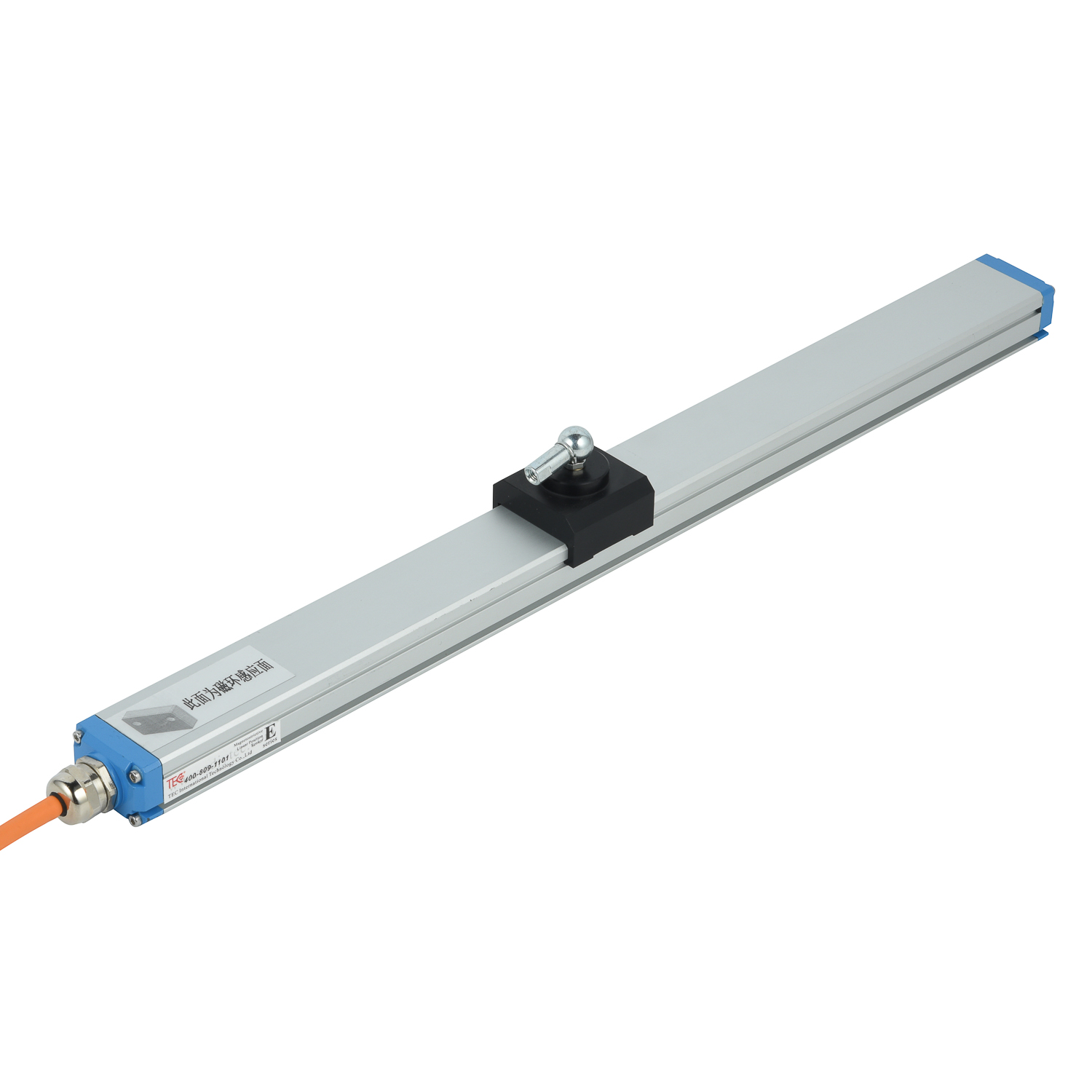 Magnetostrictive Displacement
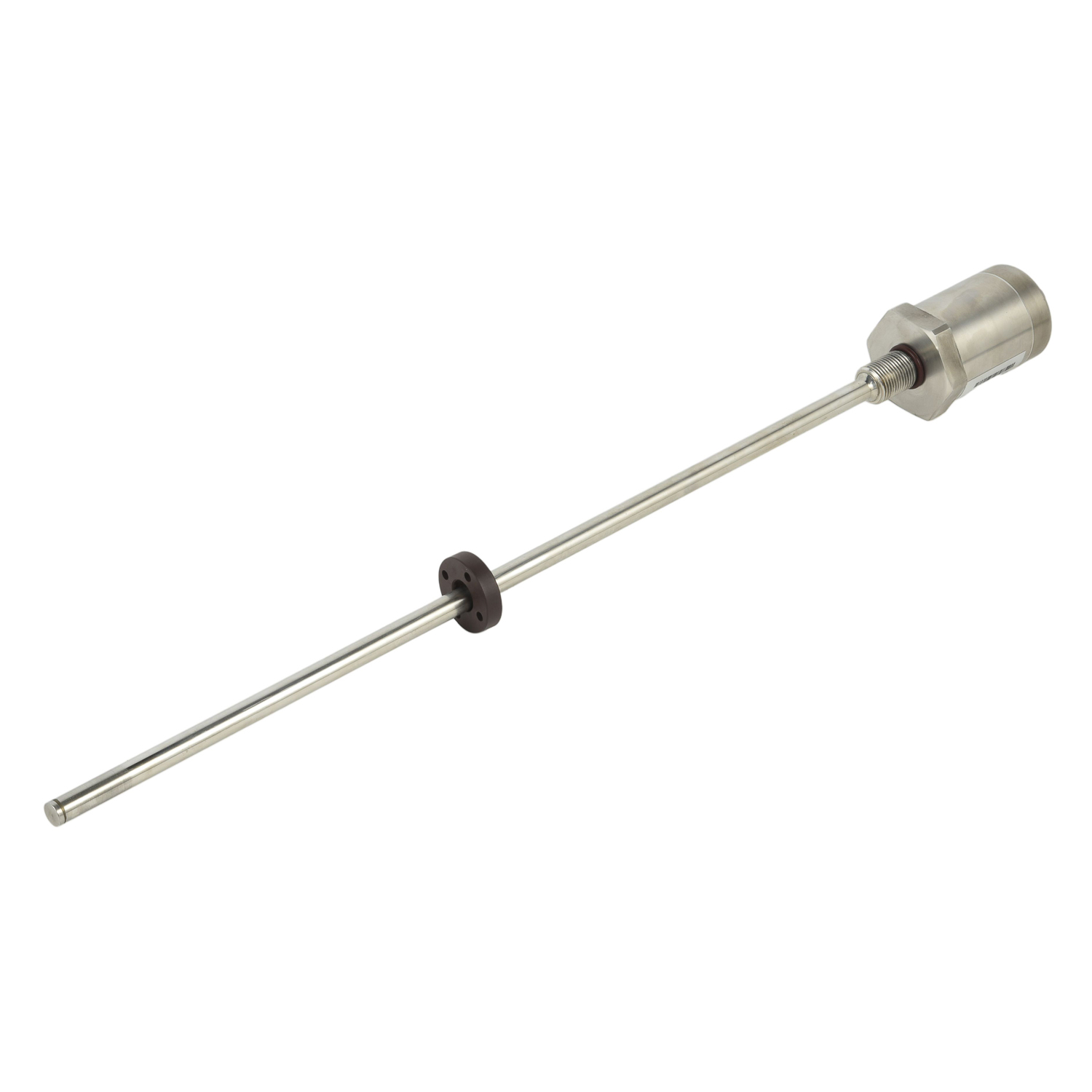 Mining High-temperature Electr