
Why are magnetostrictive level gauges preferred for hazardous chemical storage?
Unmatched Safety in Volatile Environments
When dealing with hazardous chemicals, the primary concern is always safety. Magnetostrictive level gauges are inherently safe for use in these critical applications. Unlike some level measurement technologies that might generate sparks or require significant power, magnetostrictive sensors operate on a low-energy principle that is non-incendive. This makes them ideal for areas classified as hazardous due to the presence of flammable vapors or gases. Their design often allows for certification as intrinsically safe devices, meaning they cannot release sufficient energy to cause ignition. This intrinsic safety is a fundamental reason why they are the preferred technology for safeguarding personnel, equipment, and the environment in chemical storage facilities.
Superior Accuracy and Reliability for Precise Inventory
Accuracy in level measurement translates directly to precise inventory control and process efficiency. Magnetostrictive level gauges provide exceptional measurement accuracy, often within millimeters. This high precision is crucial for hazardous chemical storage, where knowing the exact volume is essential for safety protocols, regulatory compliance, and financial accounting. The technology relies on the magnetostrictive principle, where a torsional strain wave is generated by the interaction between a magnetic float and a current-carrying wire. The time taken for this wave to return is measured to determine the liquid level with remarkable consistency and minimal drift over time, ensuring reliable data year after year.
Robust Construction for Demanding Chemical Service
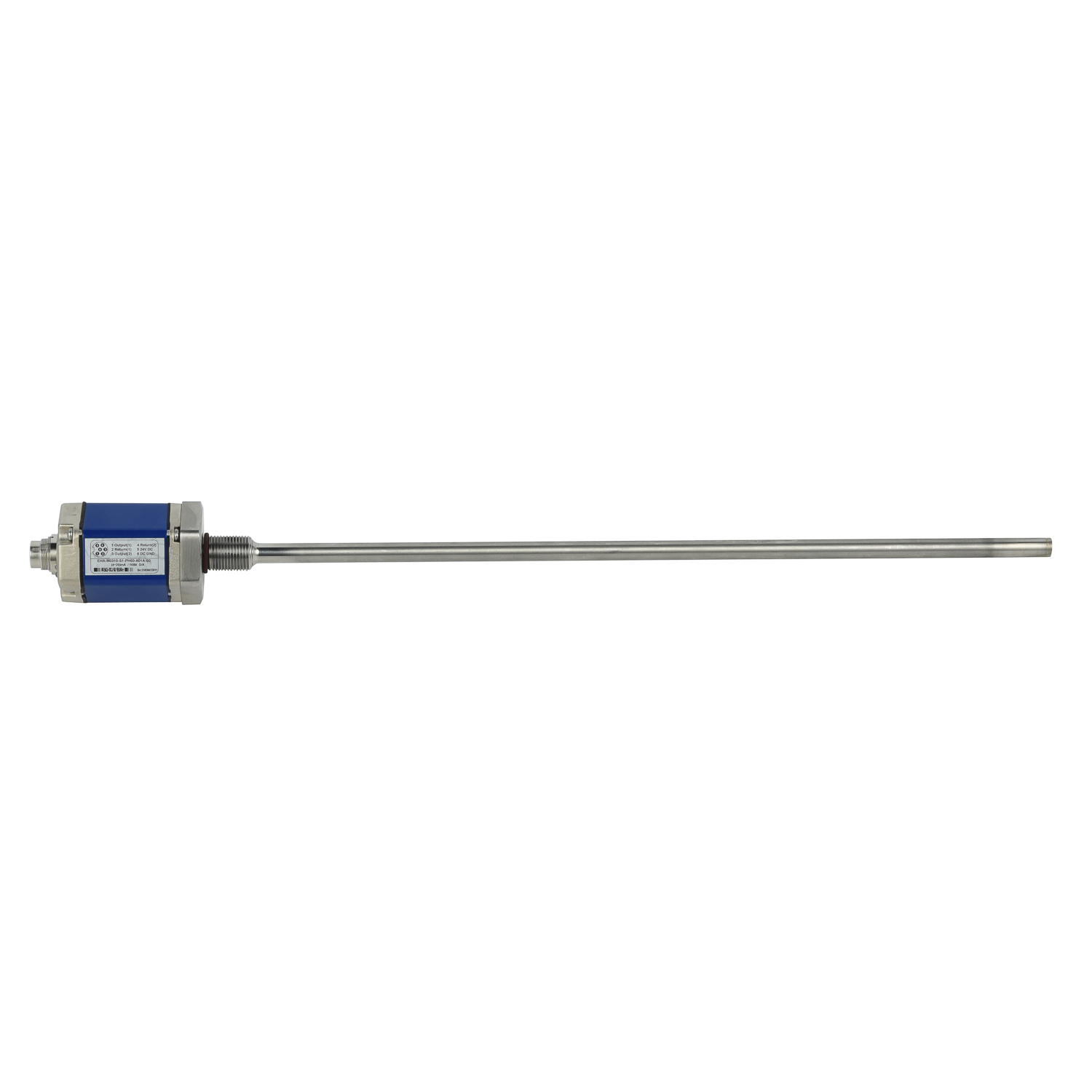
The materials used in magnetostrictive level gauges are selected specifically for their durability and chemical resistance. The sensing rod, or probe, is typically made from high-grade stainless steel or other exotic alloys that can withstand corrosive attack from a wide range of aggressive chemicals. The magnetic float is also constructed from materials compatible with the stored fluid. This robust construction ensures a long service life even when continuously exposed to harsh solvents, acids, or caustics. This durability minimizes the need for frequent maintenance or replacement, reducing downtime and the associated risks of personnel exposure during service interventions.
Minimal Maintenance Requirements in Inaccessible Areas
Hazardous chemical storage tanks are often located in areas where access is difficult or requires special safety procedures. Magnetostrictive level gauges offer a significant advantage here due to their minimal maintenance needs. With no moving parts that make physical contact for measurement, there is very little wear and tear. The non-contact measurement principle means the sensor does not foul easily, and the sealed electronics are protected from the process environment. This reliability translates to fewer calibrations and less frequent need for technicians to enter hazardous zones for maintenance, enhancing overall operational safety and reducing life-cycle costs.
Seamless Integration with Control and Safety Systems
Modern industrial operations rely on integrated control systems for monitoring and automation. Magnetostrictive level transmitters provide standardized output signals, such as 4-20 mA analog or digital protocols like HART or Foundation Fieldbus. This allows for straightforward integration into existing Plant Distributed Control Systems (DCS) or Safety Instrumented Systems (SIS). The continuous and highly reliable level data can be used for inventory management, high-level alarms to prevent overfills, or even as part of an automated shutdown sequence. This interoperability is vital for creating a cohesive and responsive safety management system around hazardous chemical storage assets.
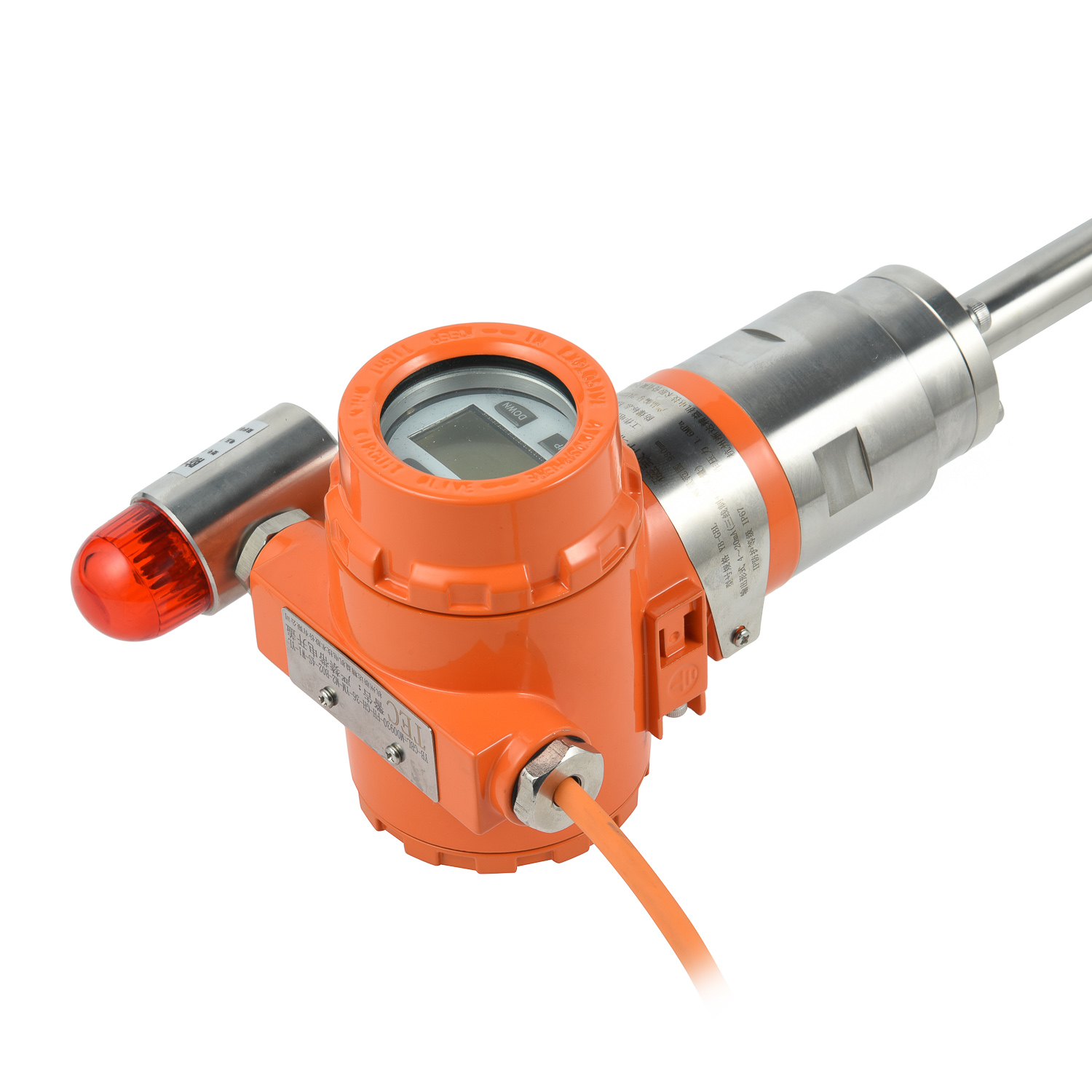 Intrinsically Safe Explosion-p
 Explosion-proof Magnetostricti
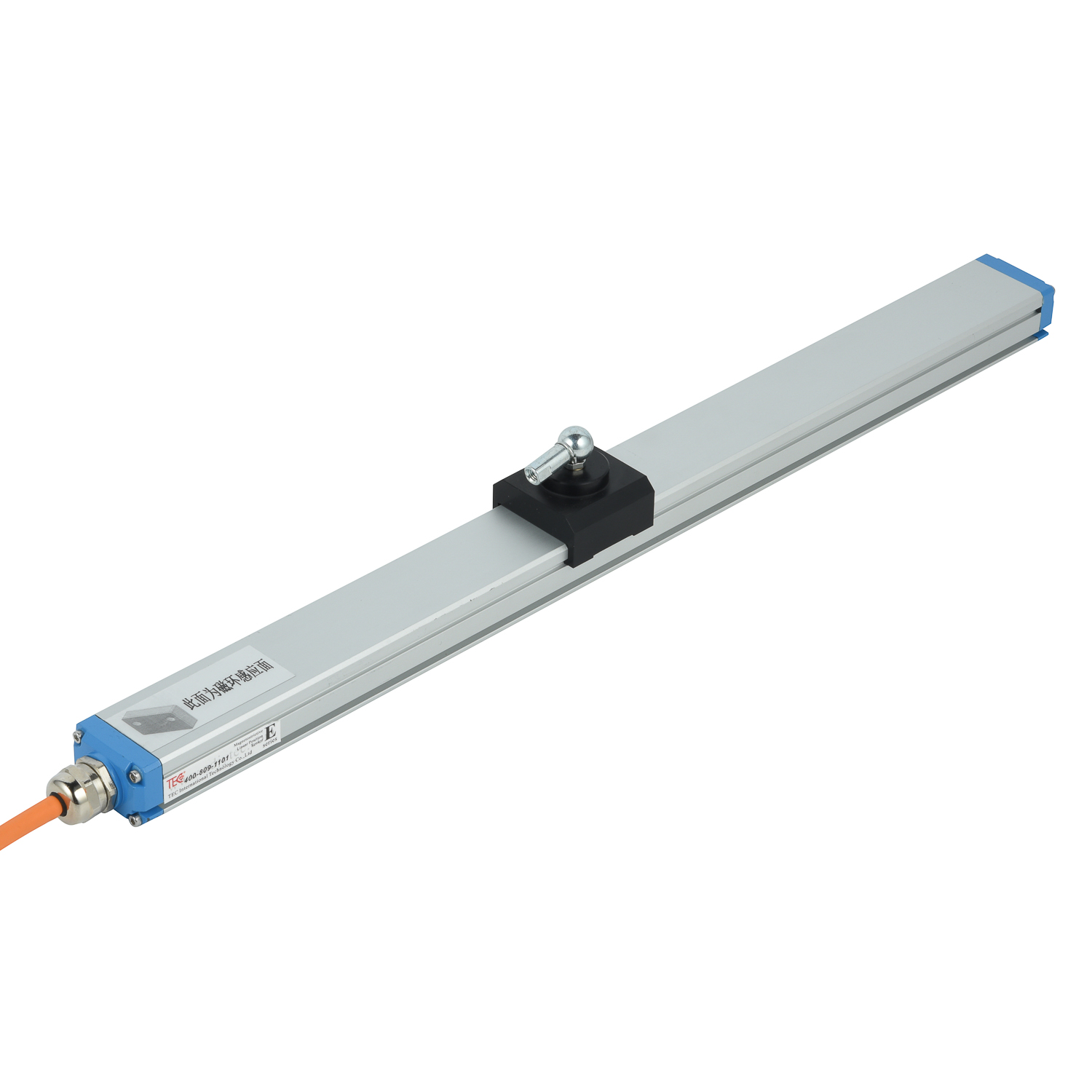 Magnetostrictive Displacement
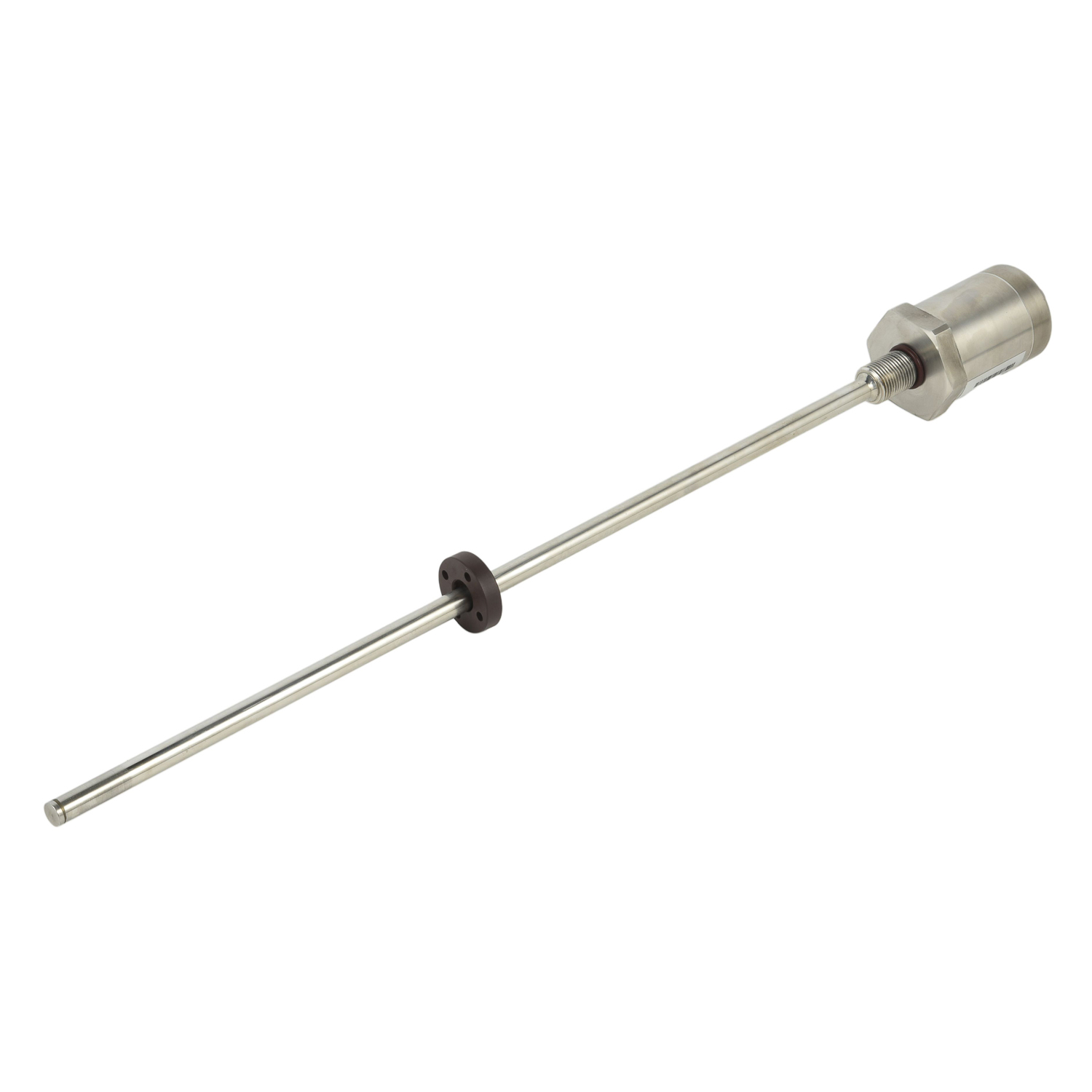 Mining High-temperature Electr