
What's the key role of magnetostrictive sensors in smart ship navigation?
Introduction to Magnetostrictive Technology in Maritime Applications
Magnetostrictive sensors represent a groundbreaking advancement in marine technology, offering unprecedented precision in measuring mechanical stress and position detection. These sophisticated devices operate on the principle of magnetostriction, where ferromagnetic materials change shape when exposed to magnetic fields. In the context of smart ship navigation, this technology has become indispensable for ensuring vessel safety and operational efficiency. The sensors' ability to provide real-time data with exceptional accuracy makes them particularly valuable in the demanding marine environment, where conditions constantly change and safety margins are critical.
Real-Time Hull Stress Monitoring for Enhanced Safety
One of the primary applications of magnetostrictive sensors in smart navigation involves continuous hull stress monitoring. These sensors are strategically positioned throughout the vessel's structure to detect minute deformations and stress variations in the hull. As ships encounter varying sea conditions, cargo loads, and operational demands, the sensors provide instant feedback on structural integrity. This real-time monitoring enables crew members to make informed decisions about speed adjustments, course changes, or operational modifications to prevent structural damage. The technology essentially serves as the ship's nervous system, constantly assessing the vessel's health and preventing potential catastrophic failures.
Precision Positioning and Collision Avoidance Systems
Modern smart ships increasingly rely on magnetostrictive sensors for precise positioning within complex marine environments. These sensors contribute significantly to collision avoidance systems by providing accurate data on nearby objects and potential hazards. Integrated with other navigation technologies, magnetostrictive devices help create comprehensive situational awareness for navigation officers. The sensors' ability to detect subtle changes in magnetic fields allows for the identification of metallic objects in the water, including other vessels, underwater structures, or debris that might pose collision risks. This capability is particularly crucial in congested waterways or during poor visibility conditions.
Structural Health Monitoring and Predictive Maintenance
Beyond immediate navigation concerns, magnetostrictive sensors play a vital role in long-term structural health monitoring. By continuously tracking stress patterns and material fatigue, these sensors enable predictive maintenance strategies that significantly reduce operational costs and extend vessel lifespan. The data collected helps ship operators identify potential problem areas before they develop into serious issues, allowing for planned maintenance during scheduled port calls rather than emergency repairs. This proactive approach to vessel management represents a substantial advancement over traditional inspection methods, which often rely on visual assessments or periodic manual checks.
Integration with Autonomous Navigation Systems
As the maritime industry moves toward greater automation, magnetostrictive sensors are becoming essential components of autonomous navigation systems. Their reliability and precision make them ideal for unmanned vessels that require robust sensor arrays to operate safely. These sensors provide critical feedback to autonomous control systems, enabling ships to make real-time adjustments based on structural stress readings and environmental factors. The integration of magnetostrictive technology with artificial intelligence platforms allows for increasingly sophisticated decision-making capabilities, paving the way for fully autonomous commercial shipping operations in the future.

Environmental Monitoring and Compliance Applications
Magnetostrictive sensors also contribute to environmental protection efforts by monitoring factors that affect fuel efficiency and emissions. By optimizing hull stress and vessel trim based on sensor data, ships can operate more efficiently, reducing fuel consumption and minimizing their environmental footprint. Additionally, these sensors help ensure compliance with international regulations regarding vessel structural integrity and safety standards. The precise data provided by magnetostrictive technology enables shipping companies to demonstrate adherence to environmental and safety protocols, which is increasingly important in today's regulated maritime industry.
Future Developments and Industry Adoption Trends
The future of magnetostrictive sensors in smart ship navigation appears promising, with ongoing research focused on enhancing their capabilities and reducing costs. Current developments include miniaturization of sensor components, improved wireless communication capabilities, and enhanced data processing algorithms. As the technology becomes more accessible and sophisticated, industry adoption is expected to accelerate, particularly among commercial shipping companies seeking competitive advantages through improved safety and operational efficiency. The continuous evolution of these sensors will likely play a crucial role in shaping the next generation of intelligent marine vessels.
 How Much is Magnetostrictive D
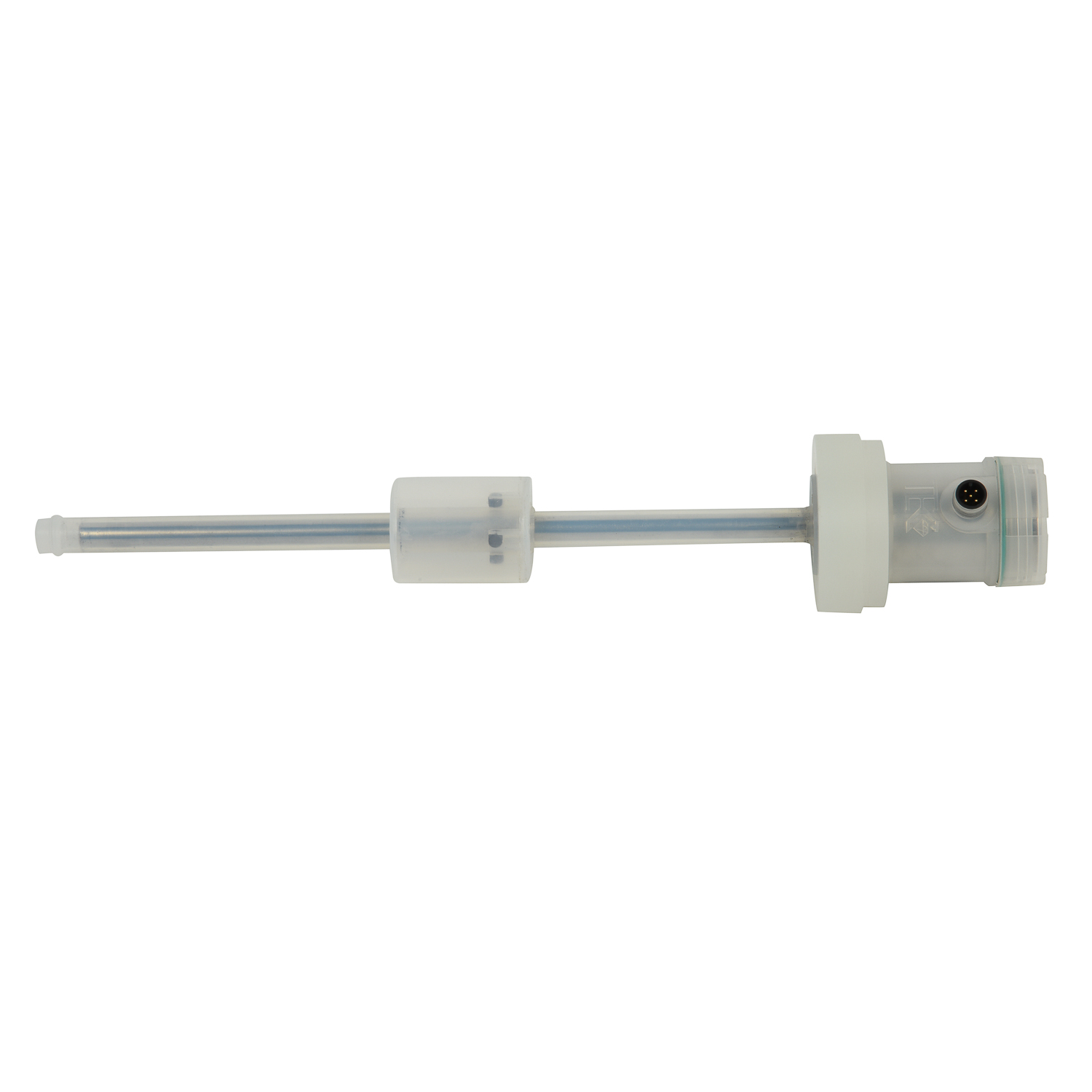 Magnetostrictive Displacement
 Magnetostrictive Displacement
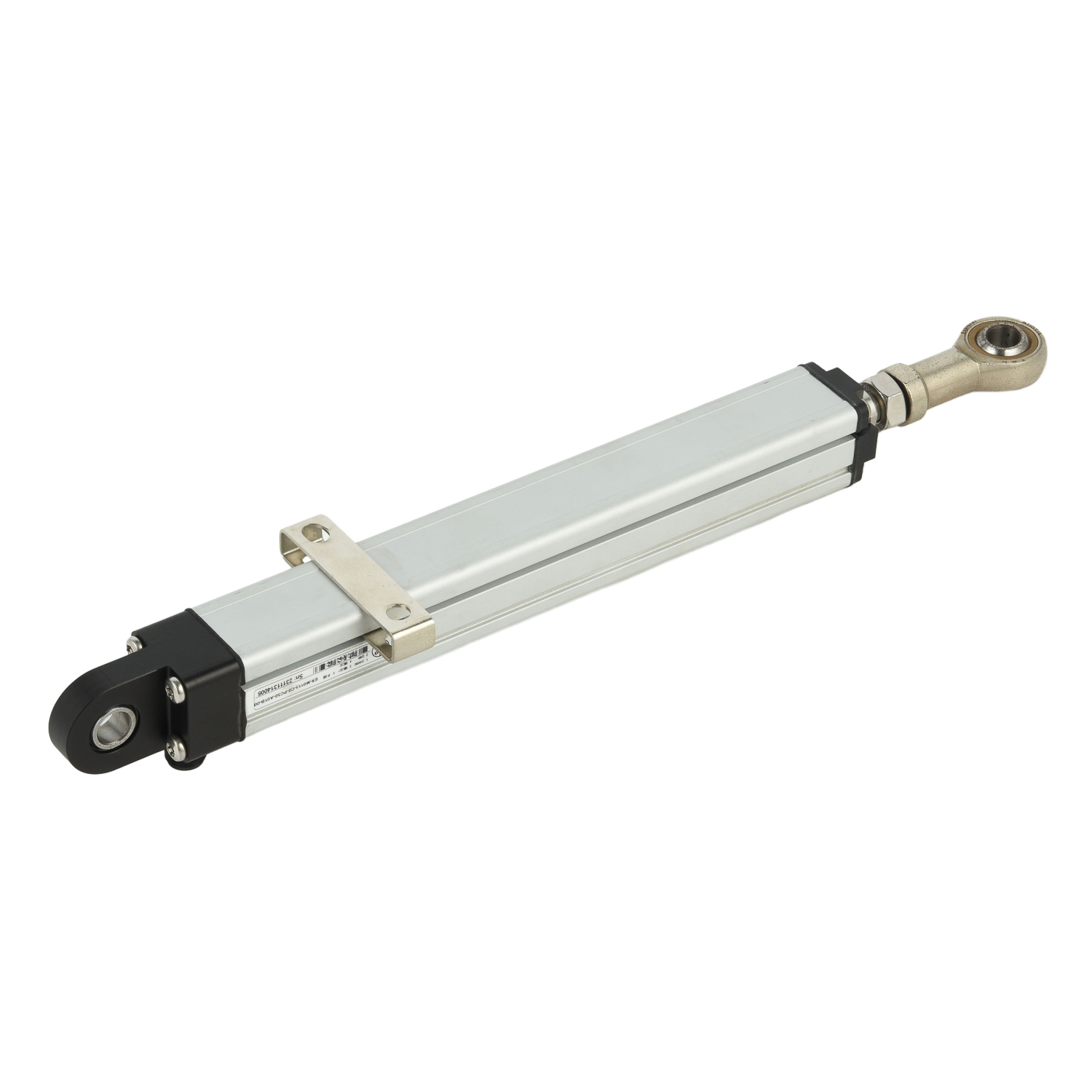 Domestic Magnetostrictive Disp