
How to achieve cloud data synchronization with magnetostrictive technology?
In today's data-driven industrial landscape, achieving seamless cloud synchronization is paramount for operational efficiency. Magnetostrictive technology offers a robust solution for precise data acquisition and transmission to cloud platforms. This innovative approach ensures that critical operational data from industrial machinery is accurately captured and synchronized in real-time.
Understanding Magnetostrictive Technology Fundamentals
Magnetostrictive technology operates on the principle of magnetostriction, where certain materials change shape when exposed to a magnetic field. In industrial applications, this phenomenon is leveraged for highly accurate position and velocity sensing. A magnetostrictive sensor consists of a waveguide wire and a movable permanent magnet. When a current pulse is sent through the waveguide, it interacts with the magnet's field, generating a torsional wave that travels back to the sensor's pickup coil. The time delay between pulse transmission and wave detection precisely determines the position of the magnet, providing exceptional accuracy for data collection.
The Data Acquisition and Conversion Process
The first step in cloud synchronization involves converting physical parameters into digital data. Magnetostrictive sensors excel in capturing precise linear or angular position data with resolutions up to micrometers. This analog data is converted into digital signals through high-precision analog-to-digital converters (ADCs). The digital output typically follows standard industrial communication protocols such as IO-Link, Modbus, or Ethernet/IP, ensuring compatibility with most industrial control systems. This standardized data format is crucial for seamless integration with cloud platforms.
Establishing Secure Cloud Connectivity
Once data is digitized, secure transmission to the cloud becomes essential. Industrial gateways equipped with secure protocols like MQTT or OPC UA bridge the gap between factory-floor networks and cloud infrastructure. These gateways package the magnetostrictive sensor data into encrypted packets, transmitting them over VPN or TLS-secured connections. The cloud platform's ingress points receive this data, validating its integrity before processing. This secure pipeline ensures that sensitive operational data remains protected throughout its journey to the cloud.
Real-Time Data Processing and Synchronization
Cloud platforms process incoming magnetostrictive data using stream processing engines like Apache Kafka or AWS Kinesis. These systems handle high-velocity data streams, performing real-time analytics and transformation. The processed data is then synchronized across distributed databases, ensuring consistency and availability for downstream applications. This synchronization enables features like real-time monitoring, predictive maintenance alerts, and historical trend analysis, providing valuable insights for operational optimization.
Implementing Error Handling and Data Integrity Measures
Maintaining data integrity during cloud synchronization requires robust error-handling mechanisms. Magnetostrictive systems incorporate cyclic redundancy checks (CRC) and packet sequence validation to detect transmission errors. Cloud applications implement retry logic and dead-letter queues for handling temporary network failures. Additionally, version control and checksum verification ensure that data remains consistent across distributed cloud storage, preventing corruption or loss during the synchronization process.
Optimizing for Industrial IoT Applications
The combination of magnetostrictive technology and cloud synchronization is particularly valuable in Industrial IoT (IIoT) scenarios. For example, in hydraulic cylinder monitoring, magnetostrictive sensors provide precise position feedback while cloud integration enables remote condition monitoring. This setup facilitates predictive maintenance, reducing downtime and extending equipment lifespan. The high accuracy and reliability of magnetostrictive data make it ideal for critical applications where data quality directly impacts operational safety and efficiency.
Future Trends and Integration Possibilities
As Industry 4.0 evolves, magnetostrictive cloud synchronization will incorporate emerging technologies like edge computing and AI-driven analytics. Edge nodes can preprocess sensor data, reducing cloud bandwidth requirements while maintaining low-latency responses. Machine learning algorithms can analyze synchronized data patterns to optimize operational parameters automatically. These advancements will further enhance the value proposition of magnetostrictive technology in smart manufacturing environments, driving greater automation and efficiency.
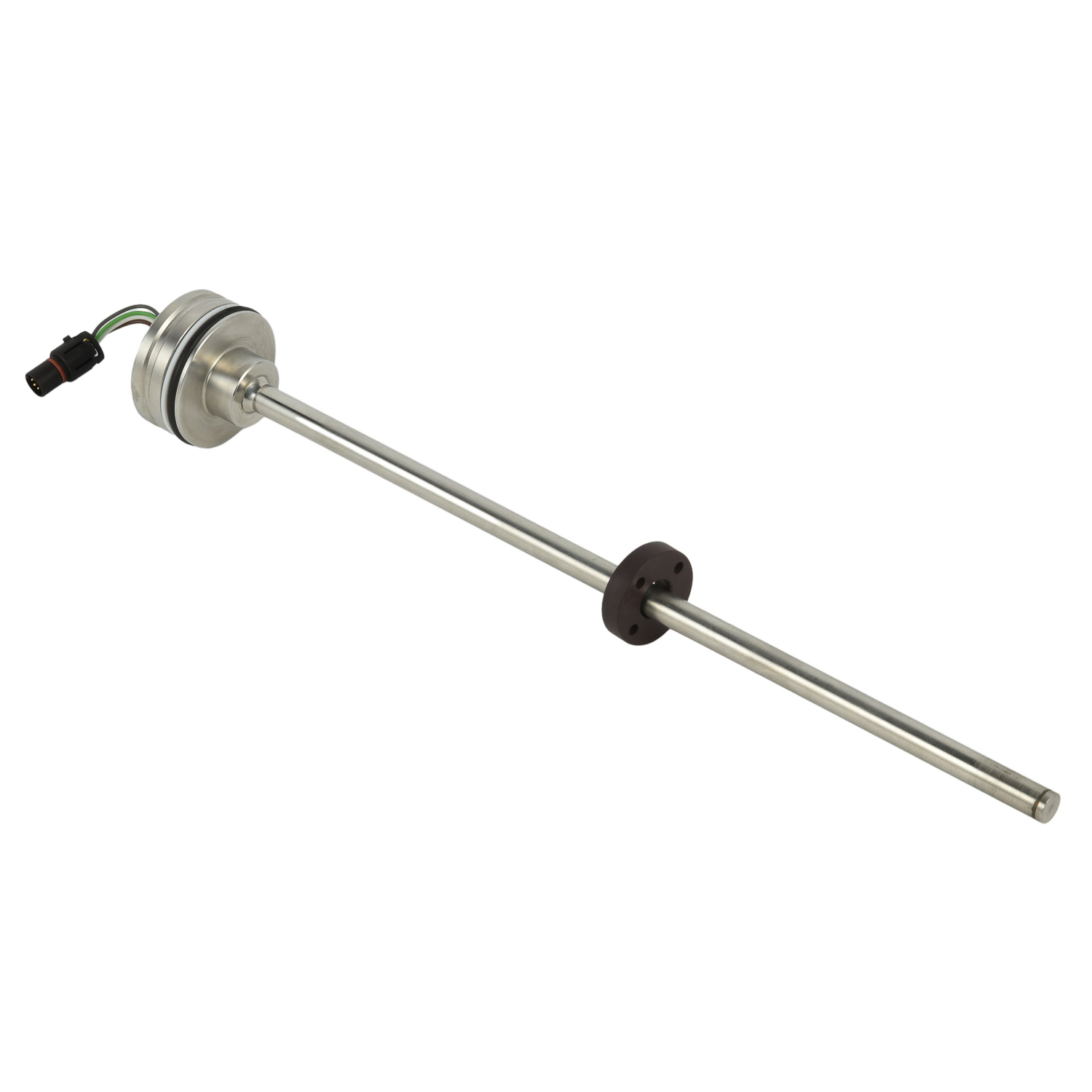
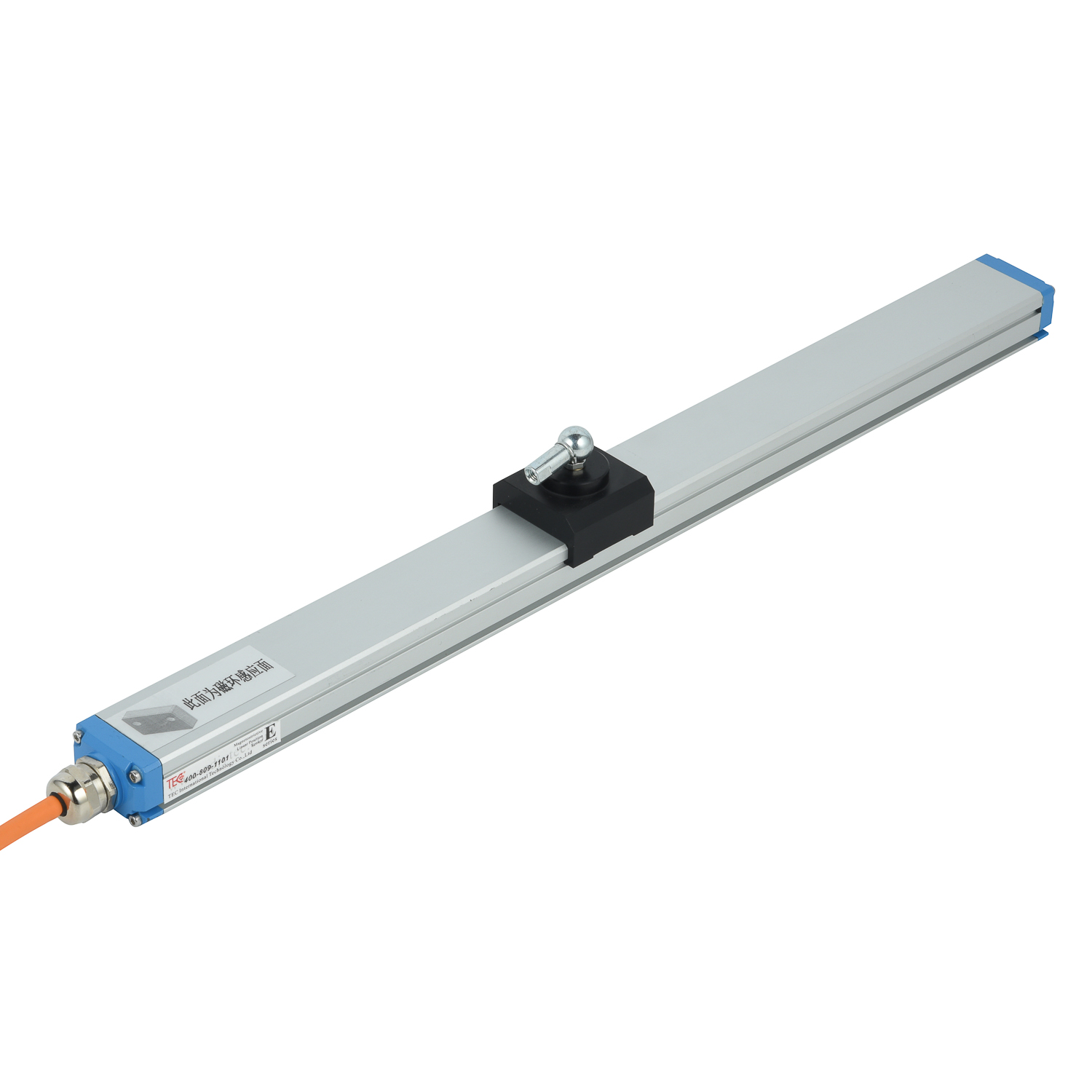 Magnetostrictive Displacement
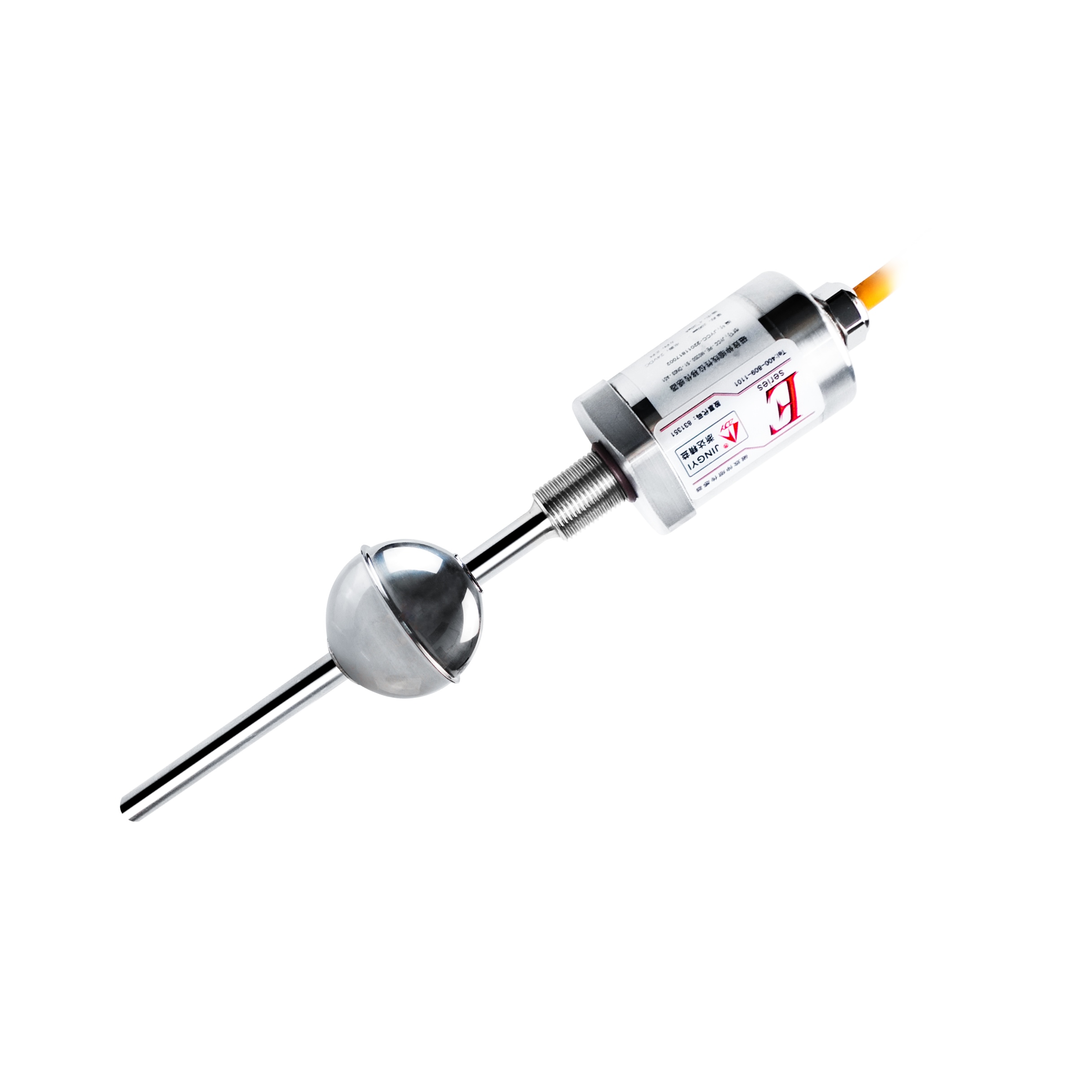 Corrosion-resistant Magnetostr
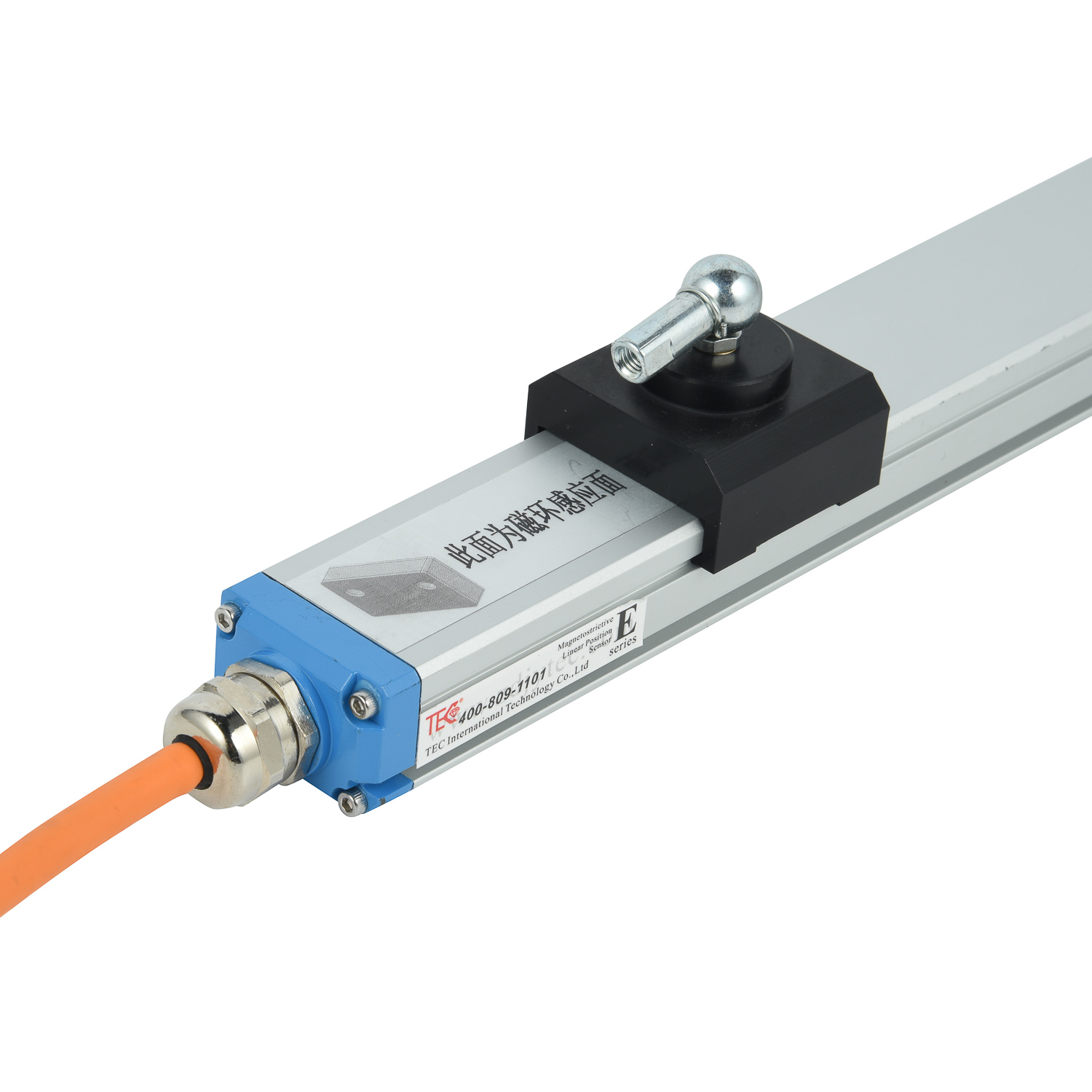 Rod-type Magnetostrictive Disp
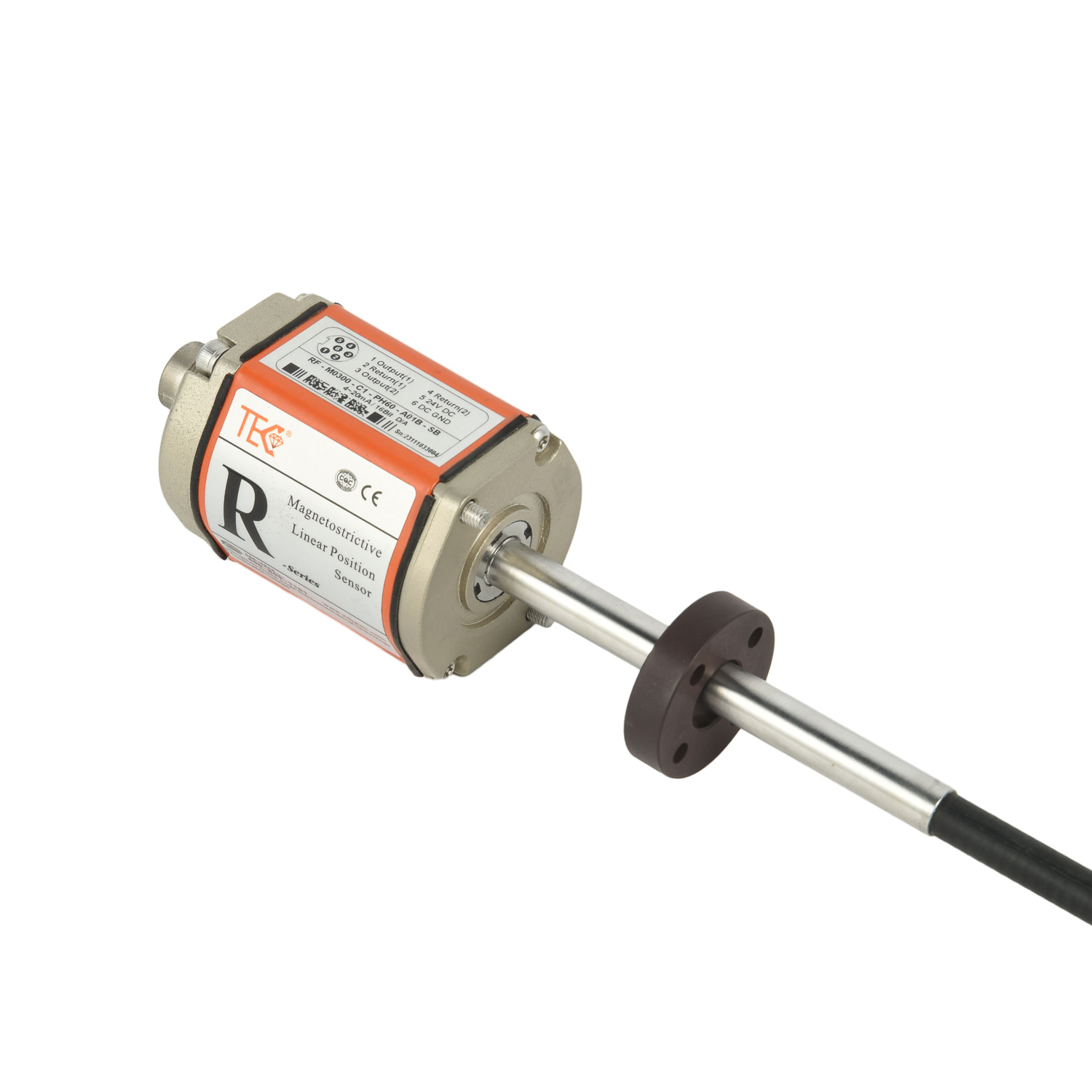 Flange-mounted Magnetostrictiv