
What's the application value of magnetostrictive sensors in smart lab equipment?
Introduction to Magnetostrictive Sensing Technology
Magnetostrictive sensors represent a sophisticated class of transducers that operate on the principle of magnetostriction. This physical phenomenon describes the ability of certain ferromagnetic materials to change their shape or dimensions in the presence of a magnetic field. In sensor applications, this effect is harnessed to achieve highly accurate position and level measurements. A typical sensor consists of a waveguide made from a magnetostrictive material and a movable permanent magnet. When a current pulse is sent through the waveguide, it interacts with the magnetic field from the magnet, generating a torsional stress wave. The time delay between the pulse initiation and the wave's return is precisely measured, directly correlating to the magnet's position. This non-contact, wear-free mechanism forms the foundation for their reliable performance in demanding environments like modern laboratories.
The Demand for High Precision in Smart Laboratories
The modern scientific laboratory has evolved into a "smart" ecosystem where accuracy, reproducibility, and data integrity are paramount. Traditional measurement methods often fall short, plagued by mechanical wear, low resolution, or susceptibility to environmental variables. Smart lab equipment, encompassing automated liquid handlers, robotic sample handlers, and high-throughput screening systems, requires sensing solutions that can deliver micron-level precision consistently. Furthermore, the push for miniaturization in experiments, such as in microfluidics and lab-on-a-chip technologies, demands sensors with exceptionally high resolution. This relentless pursuit of data quality and operational efficiency creates a critical need for sensing technologies that can eliminate errors and enhance process control, a gap that magnetostrictive sensors are uniquely positioned to fill.
Key Applications in Laboratory Automation

The application value of magnetostrictive sensors is most evident in core areas of laboratory automation. In automated liquid handling workstations, these sensors provide precise feedback on syringe pump positions, ensuring highly accurate and reproducible liquid volume transfers, which is crucial for assays and sample preparation. Within robotic sample storage and retrieval systems, they enable exact positioning of robotic arms, guaranteeing that sample tubes or microplates are handled correctly without risk of misplacement or damage. For environmental chambers and incubators, magnetostrictive level sensors can monitor liquid nitrogen or other cryogenic fluid levels with high reliability, preventing sample loss due to unexpected depletions. Their non-contact nature ensures no particulate generation, making them ideal for cleanroom-compatible equipment and sterile environments.
Advantages Over Conventional Sensing Methods
When compared to conventional sensors like potentiometric, optical, or capacitive sensors, magnetostrictive technology offers a distinct set of advantages that are critical for smart labs. Firstly, their non-contact operation eliminates mechanical wear, leading to exceptional long-term reliability and minimal maintenance. Secondly, they provide absolute position measurement, meaning they retain accuracy even after a power cycle, unlike incremental encoders. They are largely immune to common laboratory interferences such as dust, vapors, non-metallic contaminants, and ambient light, ensuring stable performance. Their ability to provide high resolution and linearity over long measurement ranges makes them versatile for various equipment sizes. This combination of robustness, precision, and reliability translates directly into reduced downtime and higher quality experimental outcomes.
Enhancing Data Integrity and Operational Efficiency
Beyond mere mechanical positioning, the true value of magnetostrictive sensors lies in their contribution to data integrity and overall lab efficiency. By providing verifiable and precise positional data, they add a layer of process validation to automated workflows. This traceability is essential for complying with stringent regulatory standards in pharmaceuticals and biotechnology (e.g., FDA 21 CFR Part 11). The reliability of these sensors minimizes the risk of failed experiments due to equipment error, saving valuable time and resources. This enhanced operational efficiency allows laboratories to increase throughput without compromising on accuracy, accelerating the pace of research and development while ensuring that the generated data is trustworthy and reproducible.
Future Trends and Integration with IoT
The future application of magnetostrictive sensors in smart labs is intertwined with the broader trends of digitalization and the Internet of Things (IoT). Modern magnetostrictive sensors are increasingly equipped with digital interfaces (e.g., IO-Link) that facilitate seamless integration into networked lab environments. This allows for continuous monitoring of sensor health, predictive maintenance by tracking performance trends, and remote calibration. The rich diagnostic data provided can be fed into a Laboratory Information Management System (LIMS), creating a fully digital thread from the physical measurement to the data analysis platform. This evolution positions magnetostrictive sensors not just as measurement devices, but as intelligent nodes that contribute to a more connected, efficient, and data-driven laboratory of the future.
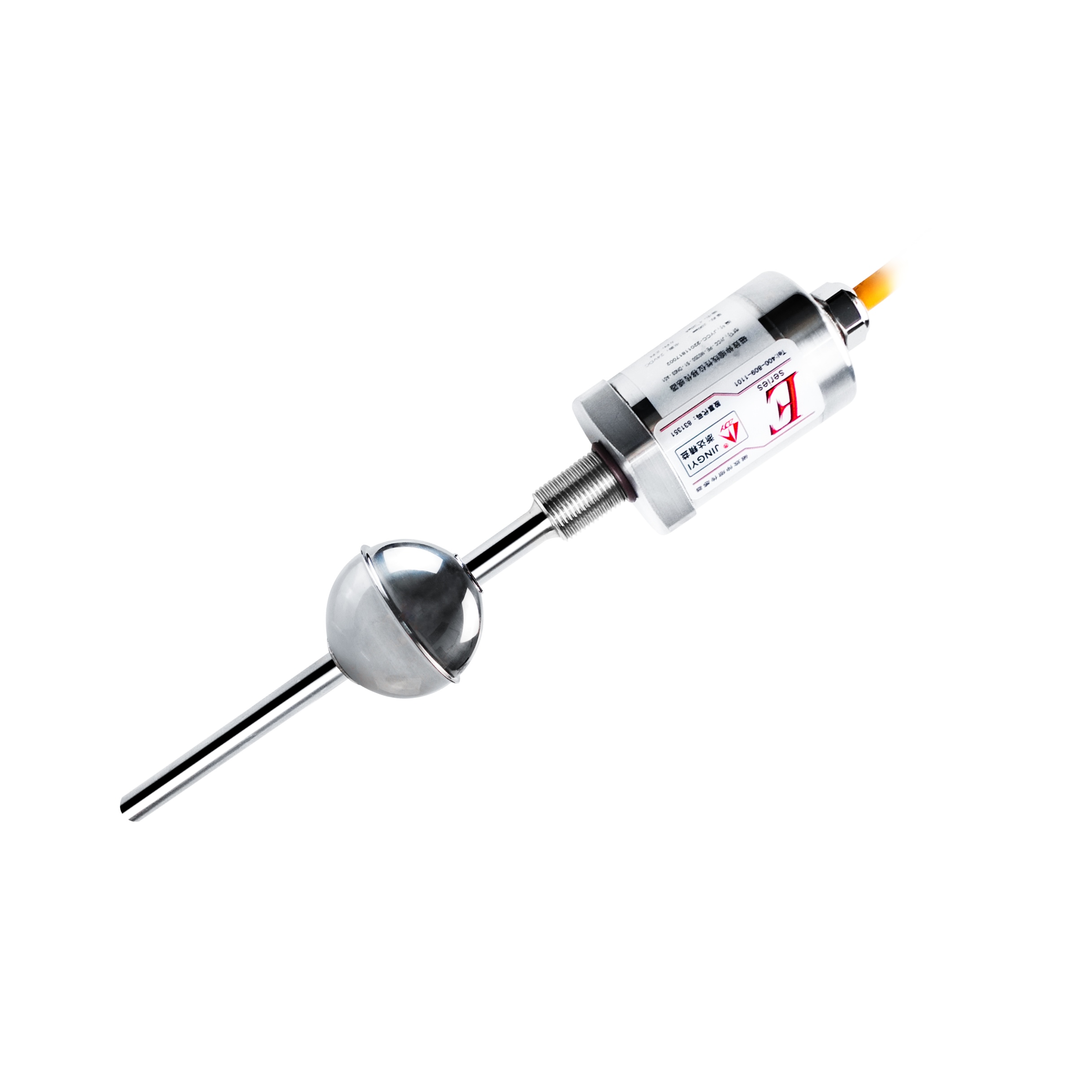 Corrosion-resistant Magnetostr
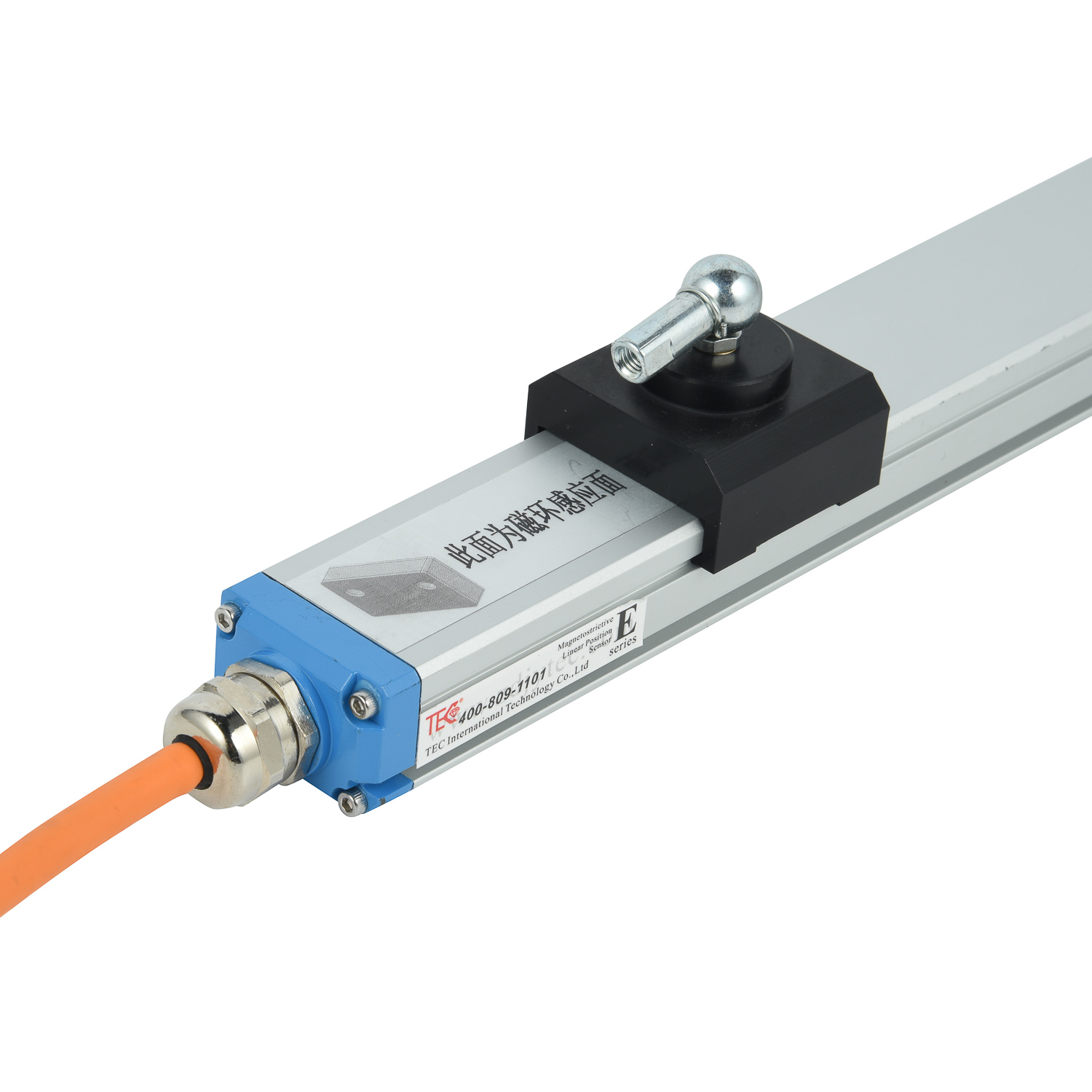 Rod-type Magnetostrictive Disp
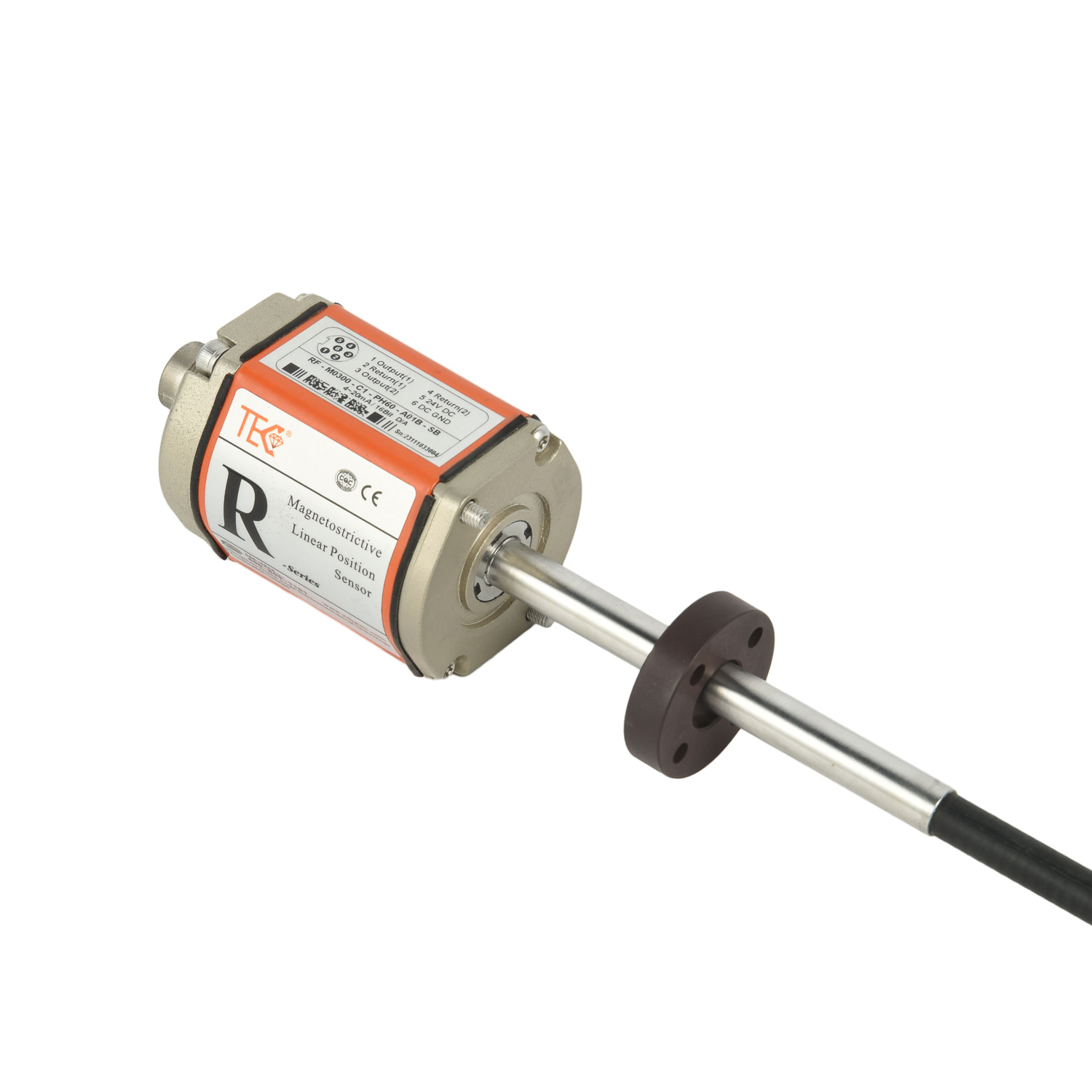 Flange-mounted Magnetostrictiv
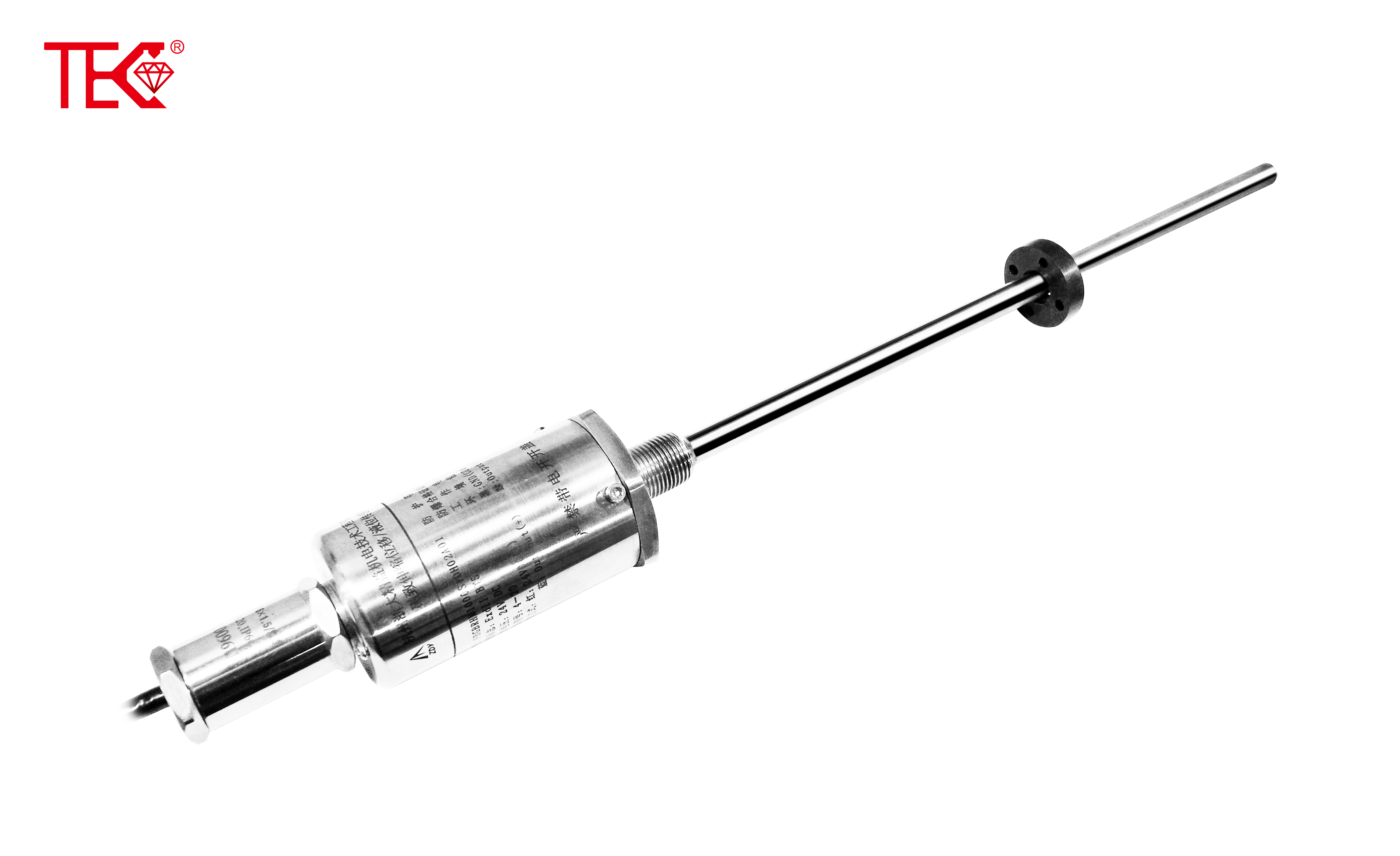 Non-contact Magnetostrictive D