
What advantages does plug-and-play design offer for magnetostrictive sensors?
Simplifying Installation and Setup
The most immediate benefit of plug-and-play design for magnetostrictive sensors is the dramatic simplification of the installation process. Traditional sensors often require complex wiring, meticulous calibration, and significant technical expertise to set up correctly. In contrast, a plug-and-play sensor is designed for straightforward connection. Technicians can simply mount the sensor, connect the standardized cable, and the system is largely ready for operation. This eliminates common wiring errors, such as incorrect polarity or signal mismatches, which can lead to sensor failure or inaccurate readings. The reduction in installation complexity directly translates to substantial time savings, allowing projects to move forward more rapidly.
Reducing System Downtime and Maintenance Costs
When a sensor fails in a high-stakes industrial environment, every minute of downtime translates to lost productivity and revenue. Plug-and-play design is a powerful tool for minimizing these costly interruptions. Instead of troubleshooting complex wiring or sending faulty units back to the manufacturer for repair, maintenance personnel can simply unplug the malfunctioning sensor and replace it with a new one in a matter of minutes. This swap-and-go approach drastically reduces mean time to repair (MTTR). Furthermore, it empowers on-site technicians to handle replacements without needing specialized training, ensuring that production lines can be restarted with maximum speed and minimal operational cost.
Enhancing System Flexibility and Scalability
In today's dynamic industrial landscape, the ability to adapt and scale operations is crucial. Plug-and-play magnetostrictive sensors provide unparalleled flexibility for system modifications and expansions. Whether you are reconfiguring a production line, adding new measurement points, or integrating additional machinery, these sensors can be easily installed or relocated without major system overhauls. This modularity future-proofs your investment, allowing for seamless upgrades as technology evolves or production needs change. The standardized interface ensures compatibility across different system parts, making it simpler to build a cohesive and adaptable automation network.
Improving Reliability and Signal Integrity
A key engineering advantage of a well-designed plug-and-play system is the enhancement of overall reliability and signal integrity. The connectors are specifically engineered to provide a secure, robust connection that is resistant to the common challenges of an industrial setting, including vibration, moisture, and electromagnetic interference (EMI). This superior connection protects the sensitive analog or digital signals transmitted by the magnetostrictive sensor, resulting in more stable and accurate position or level data. By eliminating potential points of failure like loose wiring terminals, the plug-and-play interface contributes to a more dependable and consistent sensor performance over its entire lifecycle.
Streamlining Inventory and Logistics
From a logistical standpoint, standardizing on plug-and-play magnetostrictive sensors simplifies inventory management. Companies can maintain a smaller stock of interchangeable sensor units rather than a wide array of models with different connection types and cables. This reduces the capital tied up in spare parts and minimizes the risk of ordering incorrect components. The uniformity of connectors and interfaces also streamlines the procurement process, making it easier and faster to source replacements when needed. This operational efficiency contributes to a leaner, more cost-effective maintenance strategy.
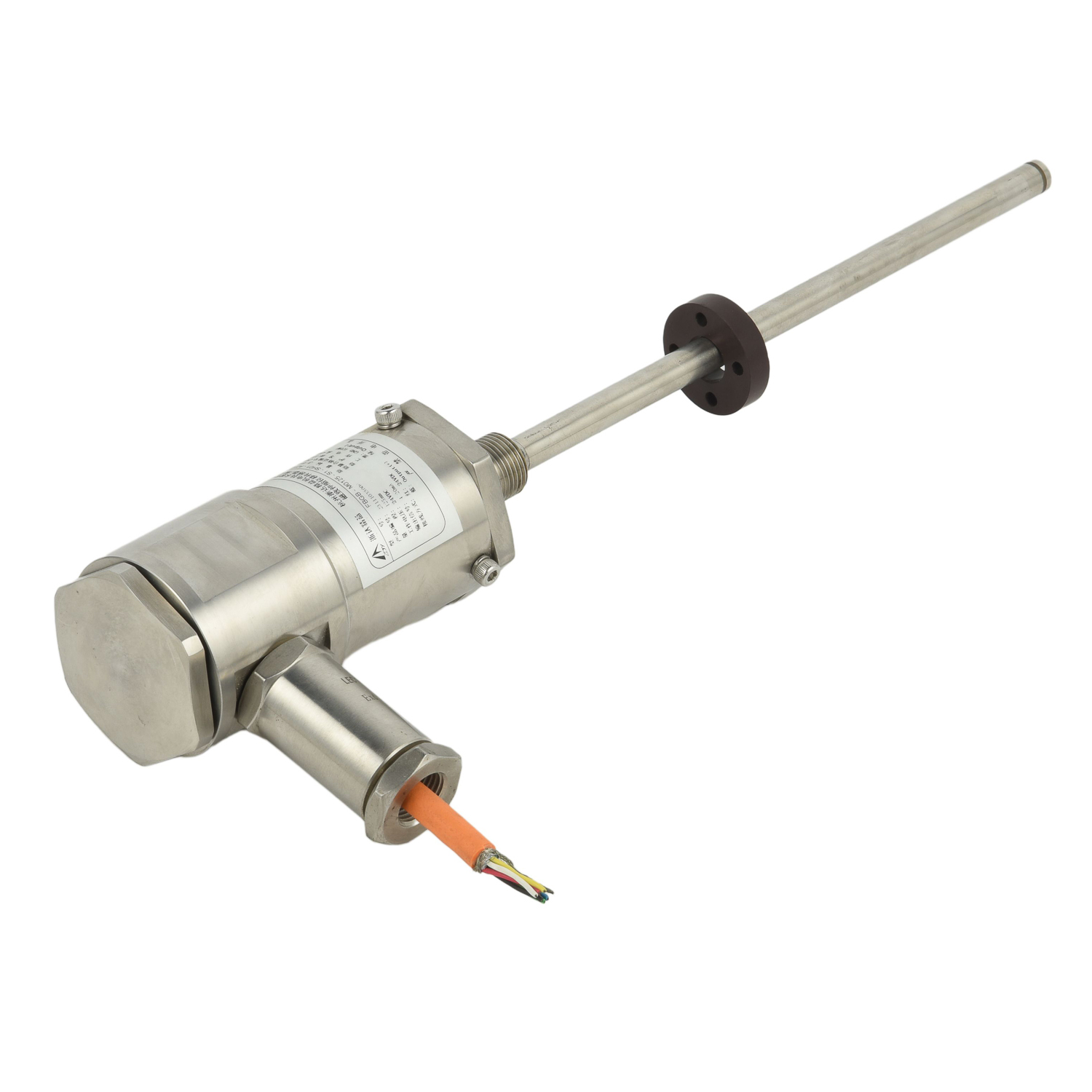
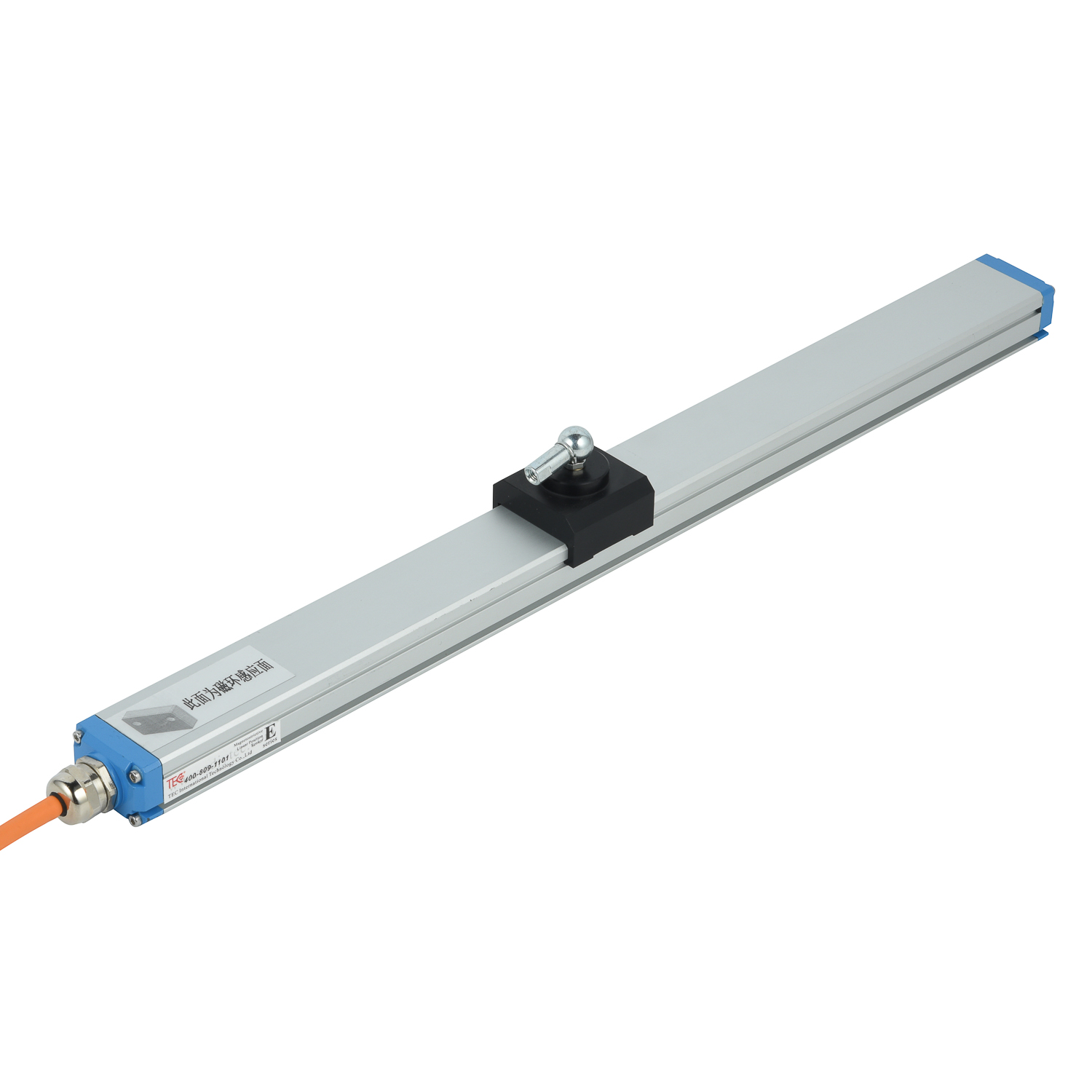 Magnetostrictive Displacement
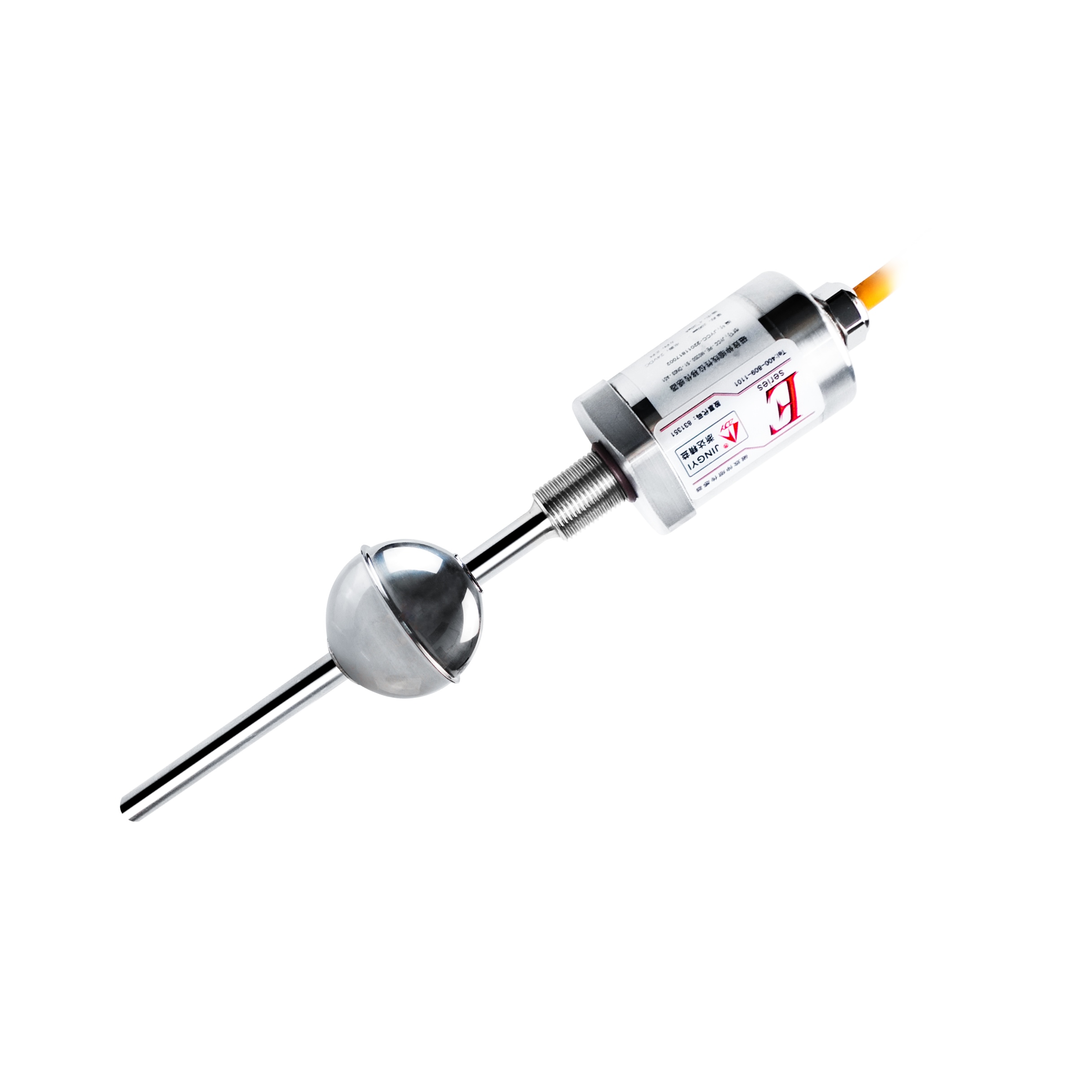 Corrosion-resistant Magnetostr
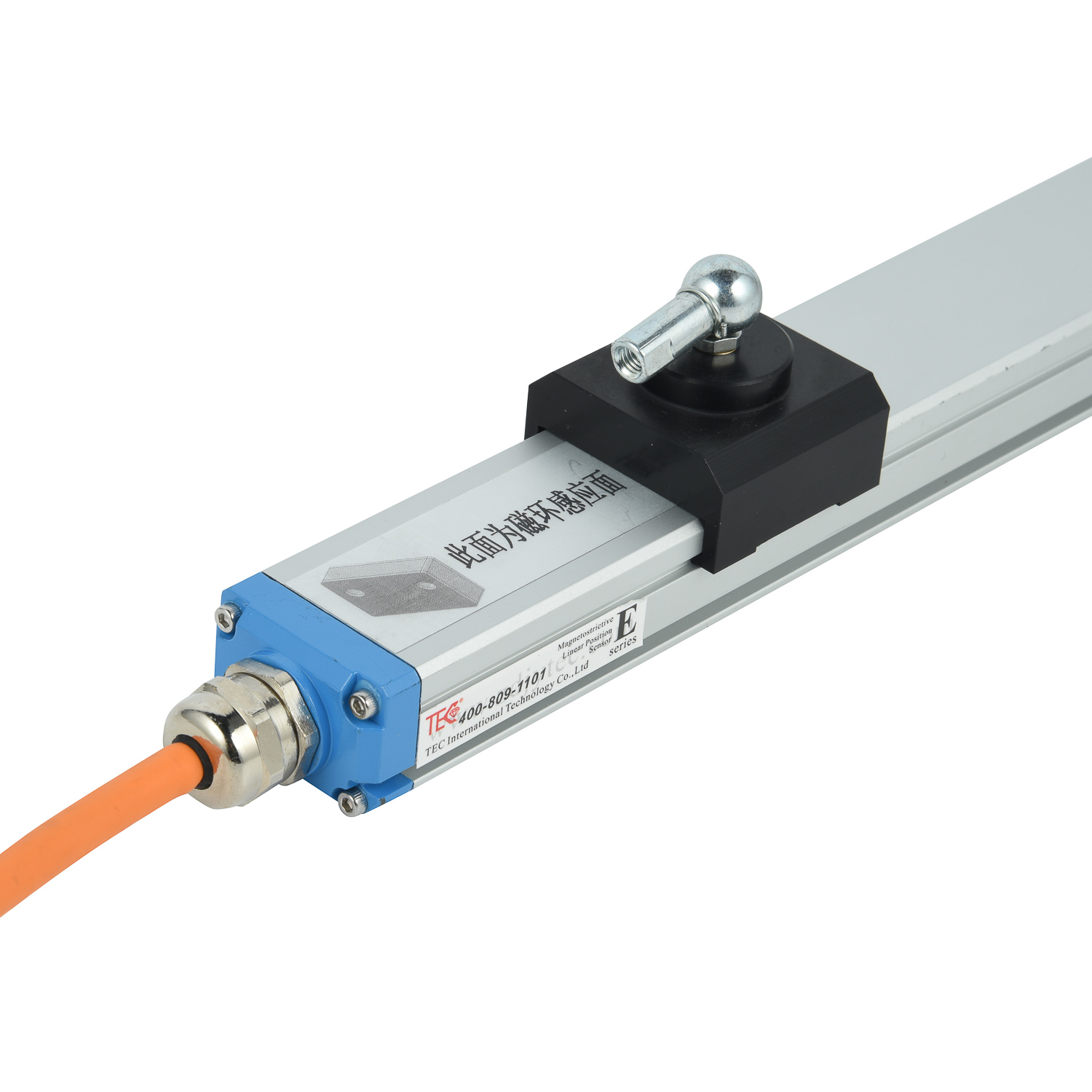 Rod-type Magnetostrictive Disp
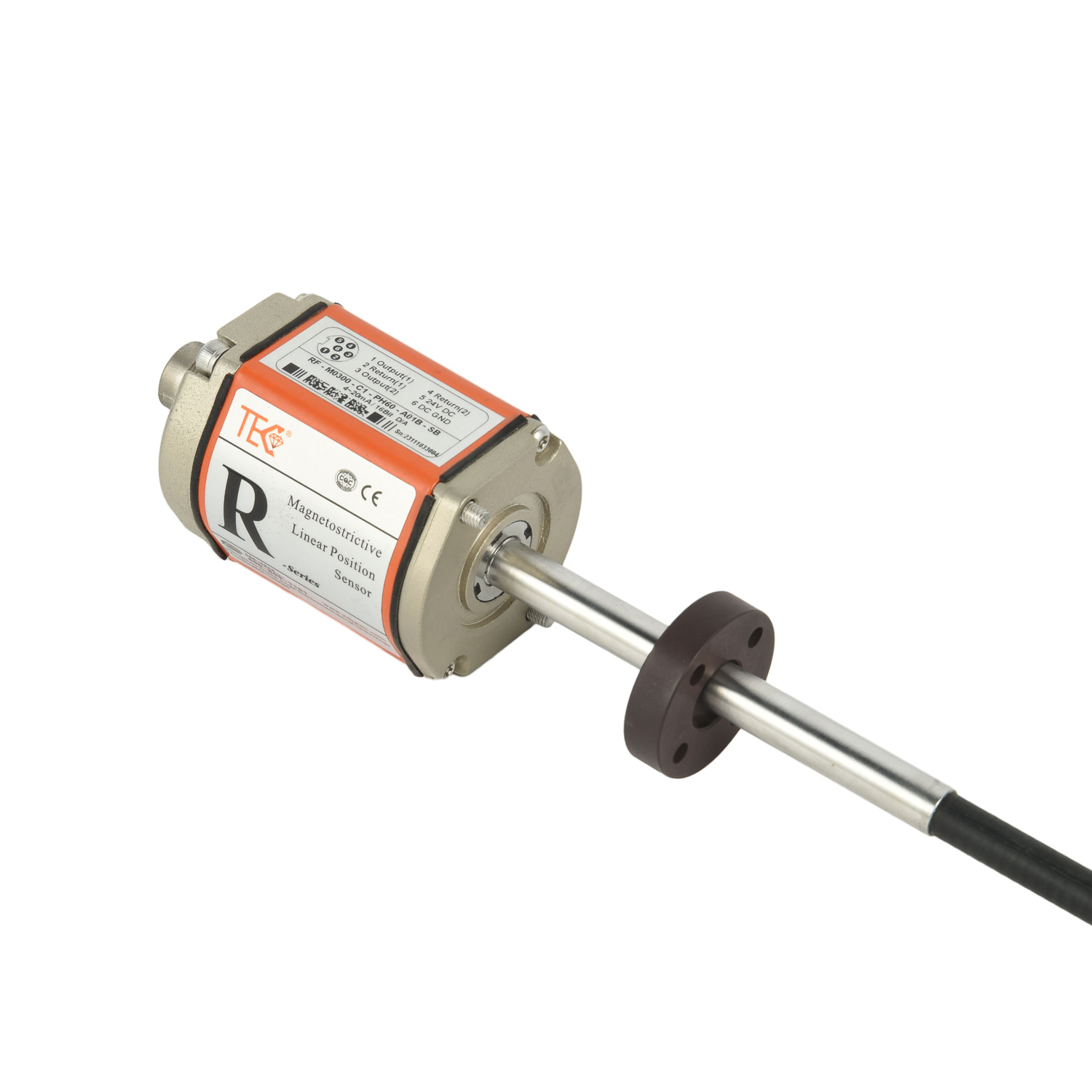 Flange-mounted Magnetostrictiv