
Why are magnetostrictive sensors more durable for outdoor use?
When selecting sensors for outdoor applications, durability becomes the paramount concern. Unlike indoor environments where conditions remain relatively stable, outdoor settings expose equipment to extreme temperature fluctuations, moisture, dust, vibration, and corrosive elements. Magnetostrictive sensors have emerged as a superior solution for these challenging conditions, offering unparalleled reliability where other technologies often fail. Their unique operating principle and robust construction make them the go-to choice for engineers seeking long-term, maintenance-free operation.
The Inherent Ruggedness of the Magnetostrictive Principle
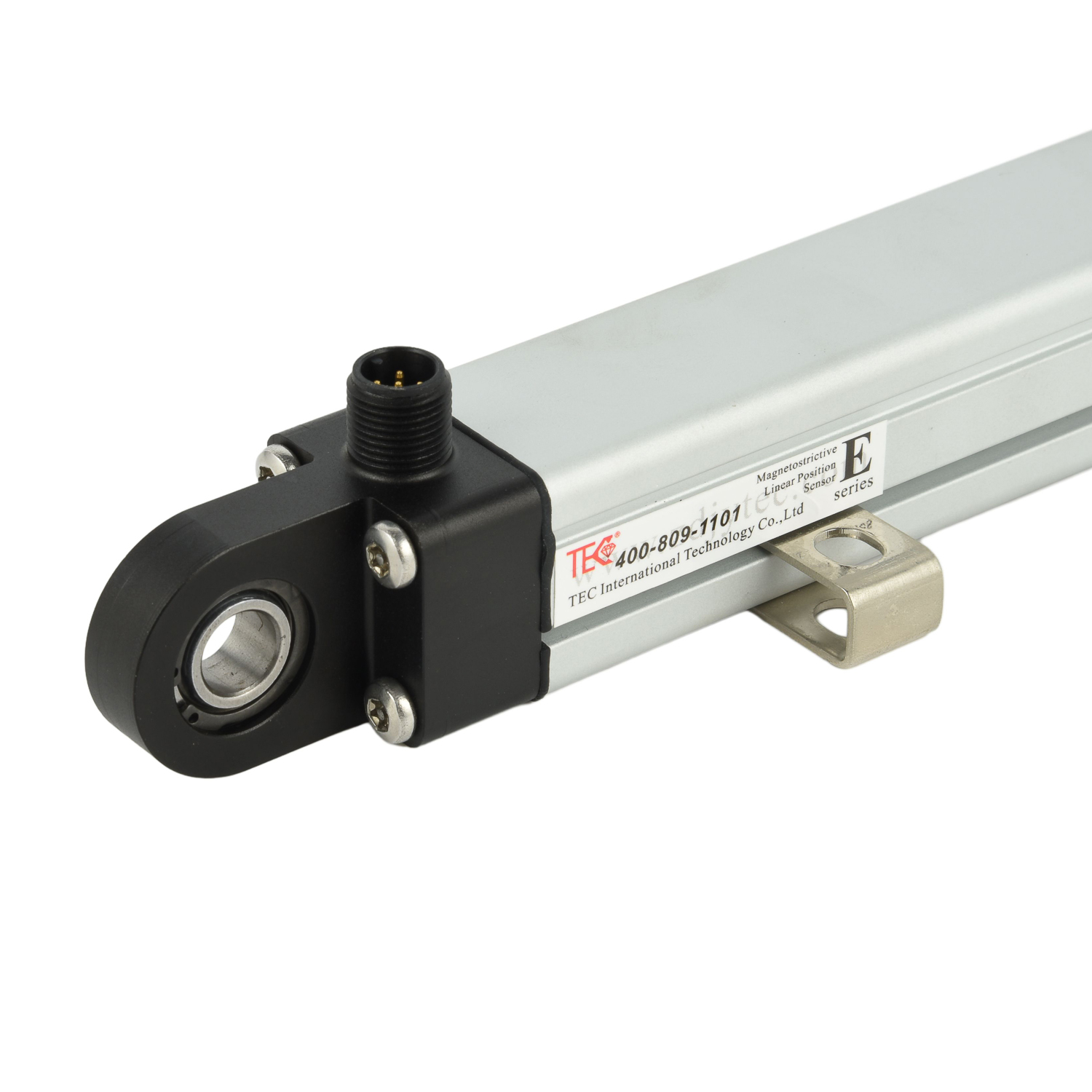
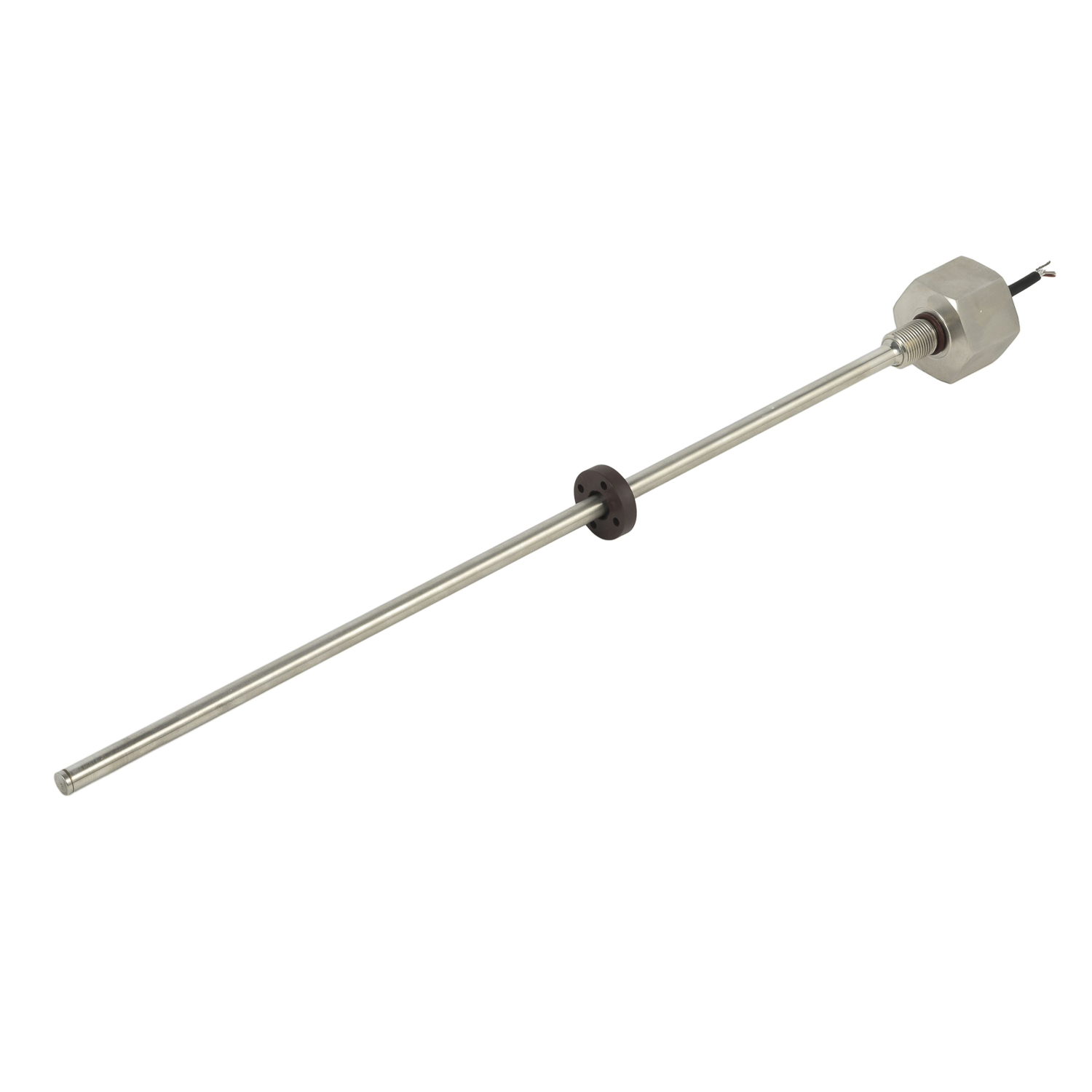
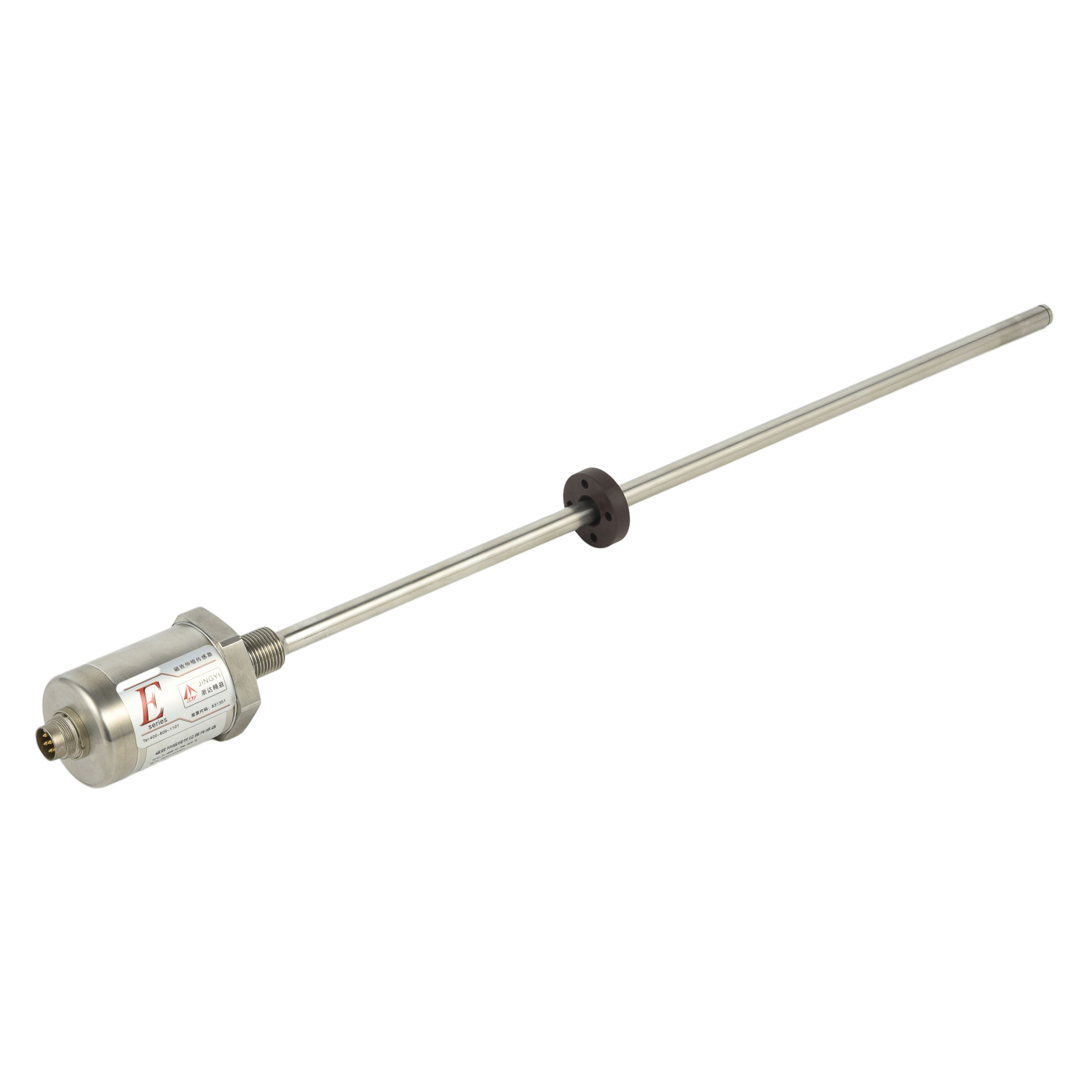
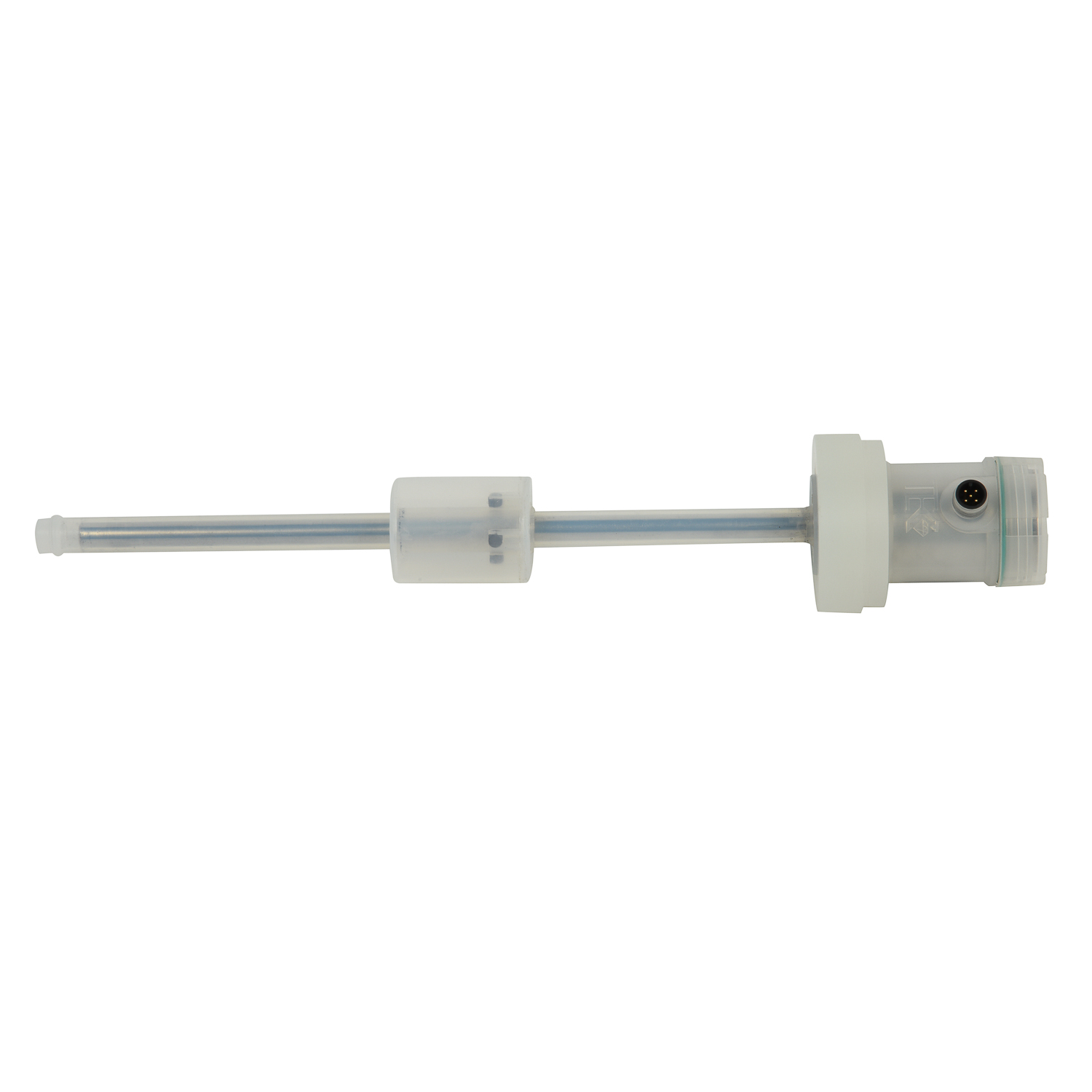
The core technology of magnetostrictive sensors contributes significantly to their durability. They operate by measuring the interaction between a magnetic field from a position magnet and a torsion strain wave pulse in a waveguide. This non-contact sensing method means there are no physical components that rub against each other, eliminating mechanical wear. The sensing element is typically sealed within a protective tube, shielding it from direct exposure to external contaminants. This intrinsic design provides a solid foundation for withstanding the rigors of outdoor use without sacrificing precision.
Superior Resistance to Harsh Weather Conditions
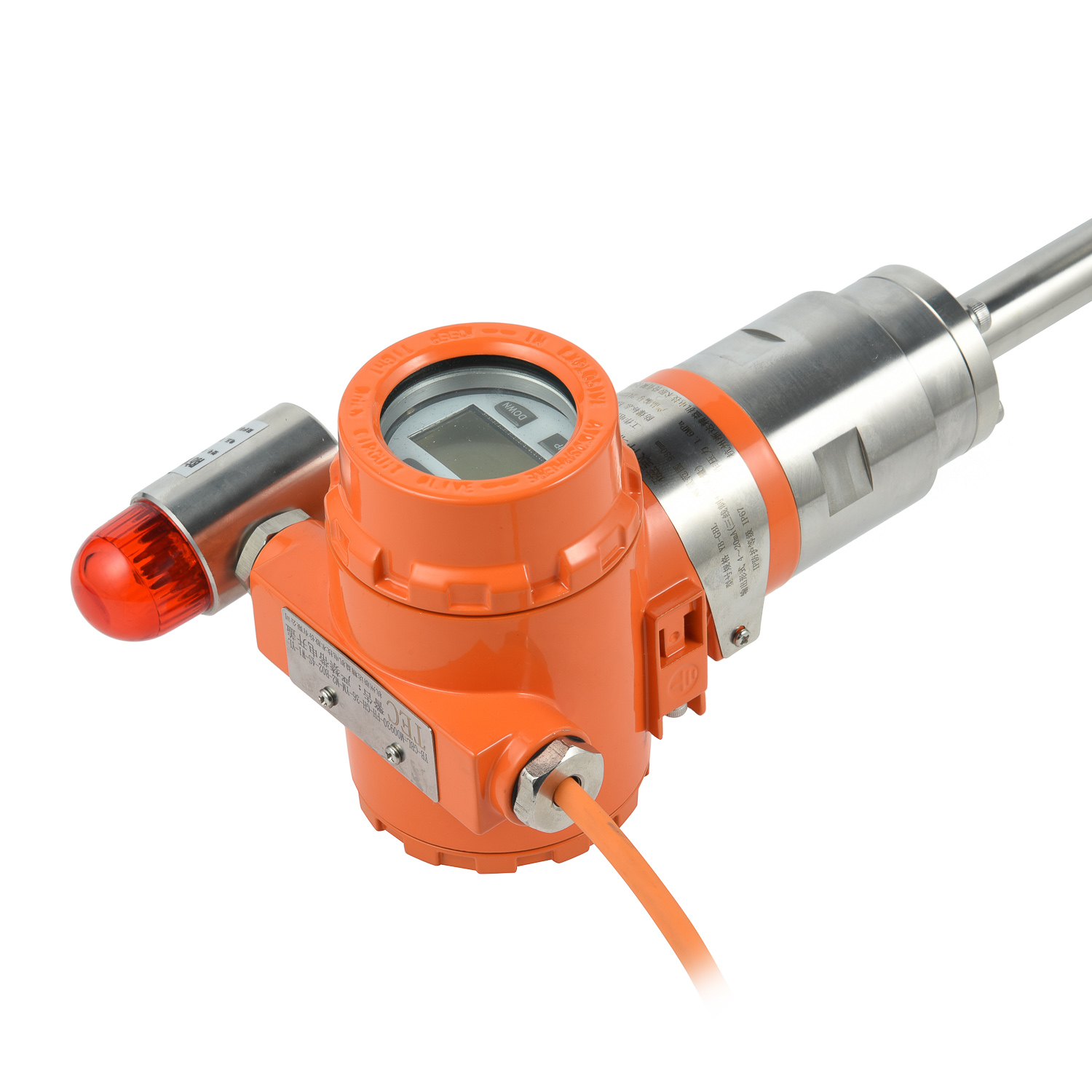
Outdoor sensors must endure rain, snow, ice, and humidity. Magnetostrictive sensors are typically housed in stainless steel enclosures with high IP (Ingress Protection) ratings, such as IP67 or IP69K. These ratings guarantee protection against dust ingress and high-pressure water jets. Furthermore, the materials used—often 316 stainless steel and specialized seals—are highly resistant to corrosion from salt spray or industrial pollutants. This robust sealing prevents internal electronics from short-circuiting or corroding, ensuring consistent performance through seasonal changes and severe weather events.
Immunity to Electrical Noise and Interference
Industrial outdoor environments are often saturated with electrical noise from motors, generators, and power lines. Magnetostrictive sensors are designed with excellent electromagnetic compatibility (EMC). The signal processing electronics are shielded and filtered to reject common-mode noise and transient voltages. This immunity prevents false readings and signal drift, which are common failure points for less robust sensor types in electrically noisy outdoor settings like construction sites, ports, and power plants.
Exceptional Performance Across Extreme Temperatures
Temperature extremes can cripple many sensing technologies. Magnetostrictive sensors are engineered to operate reliably across a wide temperature range, often from -40°C to +85°C or beyond. Critical components are selected for thermal stability, and the design minimizes the impact of thermal expansion on measurement accuracy. This capability is essential for applications ranging from frozen arctic conditions to sun-baked desert environments, where sensor failure is not an option.
Long-Term Stability and Minimal Maintenance Needs
The combination of non-contact operation, robust housing, and high-quality components results in exceptional long-term stability. Magnetostrictive sensors do not require periodic recalibration or routine maintenance, which is a significant advantage in hard-to-reach or hazardous outdoor locations. Their mean time between failures (MTBF) is exceptionally high, reducing downtime and total cost of ownership over the sensor's lifespan, making them a truly durable investment for any outdoor application.
 Working Principle of Magnetost
 Technical Parameters of Magnet
 How Much is Magnetostrictive D
 Magnetostrictive Displacement