
How to implement false-alarm prevention in magnetostrictive sensor design?
Understanding Magnetostrictive Sensor Fundamentals
Magnetostrictive sensors operate on the principle of magnetostriction, where ferromagnetic materials change shape when exposed to magnetic fields. These precision devices measure position, level, or proximity by calculating the time difference between an electrical pulse and the return torsional wave. The core challenge lies in their sensitivity to external factors that can trigger false readings. Understanding this fundamental operation is crucial for implementing effective false-alarm prevention strategies, as it helps engineers identify potential interference points in the measurement chain.
Noise Reduction Techniques for Signal Integrity

Electrical noise represents the primary culprit behind false alarms in magnetostrictive sensing systems. Implementing proper shielding with grounded coaxial cables significantly reduces electromagnetic interference. Twisted-pair wiring helps cancel out common-mode noise, while ferrite beads installed near connection points suppress high-frequency disturbances. For critical applications, consider using differential signaling techniques that reject noise by measuring voltage differences between two complementary signals. Additionally, physical separation from power cables and rotating equipment minimizes inductive coupling, ensuring cleaner signal transmission from sensor to controller.
Advanced Signal Processing Algorithms
Modern magnetostrictive sensors incorporate sophisticated digital signal processing to distinguish true measurements from spurious signals. Adaptive filtering techniques automatically adjust to changing environmental conditions, while wavelet transform analysis helps identify and eliminate transient artifacts. Implementing moving average filters smooths out random noise spikes without compromising response time. For dynamic applications, Kalman filters predict expected values based on previous measurements, flagging significant deviations that may indicate false triggers. These algorithms work synergistically to validate each reading before transmission to the control system.
Environmental Factor Compensation
Temperature fluctuations, vibration, and humidity variations significantly impact magnetostrictive sensor accuracy. Thermal compensation algorithms adjust for material expansion and changes in wave propagation speed across operating temperatures. Vibration isolation mounts and dampening materials protect the waveguide from mechanical disturbances that could mimic true signals. In humid environments, hermetic sealing prevents condensation that might cause electrical leakage or corrosion. For outdoor applications, UV-resistant enclosures and corrosion-resistant materials maintain long-term stability despite weather-induced stressors.
Calibration and Threshold Optimization
Proper calibration establishes the baseline for distinguishing normal operation from alarm conditions. Start by characterizing sensor performance across the entire measurement range under controlled conditions. Set hysteresis bands that account for normal system variability, preventing alarms during minor fluctuations. Implement dead bands where appropriate to ignore insignificant deviations that don't require intervention. For critical applications, use multi-point calibration with temperature compensation curves rather than simple two-point calibration. Regularly scheduled recalibration maintains accuracy as components age and environmental conditions evolve.
Hardware Selection and Mechanical Design Considerations
Component quality directly influences false-alarm rates in magnetostrictive systems. Select waveguides with consistent material properties and damping characteristics matched to your application requirements. Choose permanent magnets with stable field strength over temperature and time. In mechanical design, ensure secure mounting that minimizes stress on the waveguide, as mechanical strain affects wave propagation. Proper alignment between the magnet and waveguide prevents signal attenuation that could be misinterpreted as an out-of-range condition. For harsh environments, specify industrial-grade connectors with superior sealing against moisture and contaminants.
Diagnostic Features and Predictive Maintenance
Integrate built-in diagnostic capabilities that monitor sensor health and signal quality metrics. Signal-to-noise ratio monitoring provides early warning of deteriorating conditions before false alarms occur. Implement heartbeat signals that confirm sensor functionality even when no measurement change occurs. Predictive maintenance algorithms analyze historical performance data to forecast component degradation, allowing replacement before failures generate false triggers. These proactive approaches transform sensors from simple measurement devices into intelligent system components that contribute to overall reliability.
System Integration and Validation Testing
Final implementation requires thorough validation under realistic operating conditions. Conduct electromagnetic compatibility testing to ensure coexistence with other equipment. Perform long-duration reliability tests that capture intermittent issues not apparent during short-term validation. Establish protocols for verifying sensor readings against known references during system commissioning. When integrating multiple sensors, address potential cross-talk through proper spacing and timing synchronization. Document all configuration parameters to ensure consistent performance across identical installations and simplify troubleshooting when issues arise.
 Built-in Hydraulic Cylinder Ma
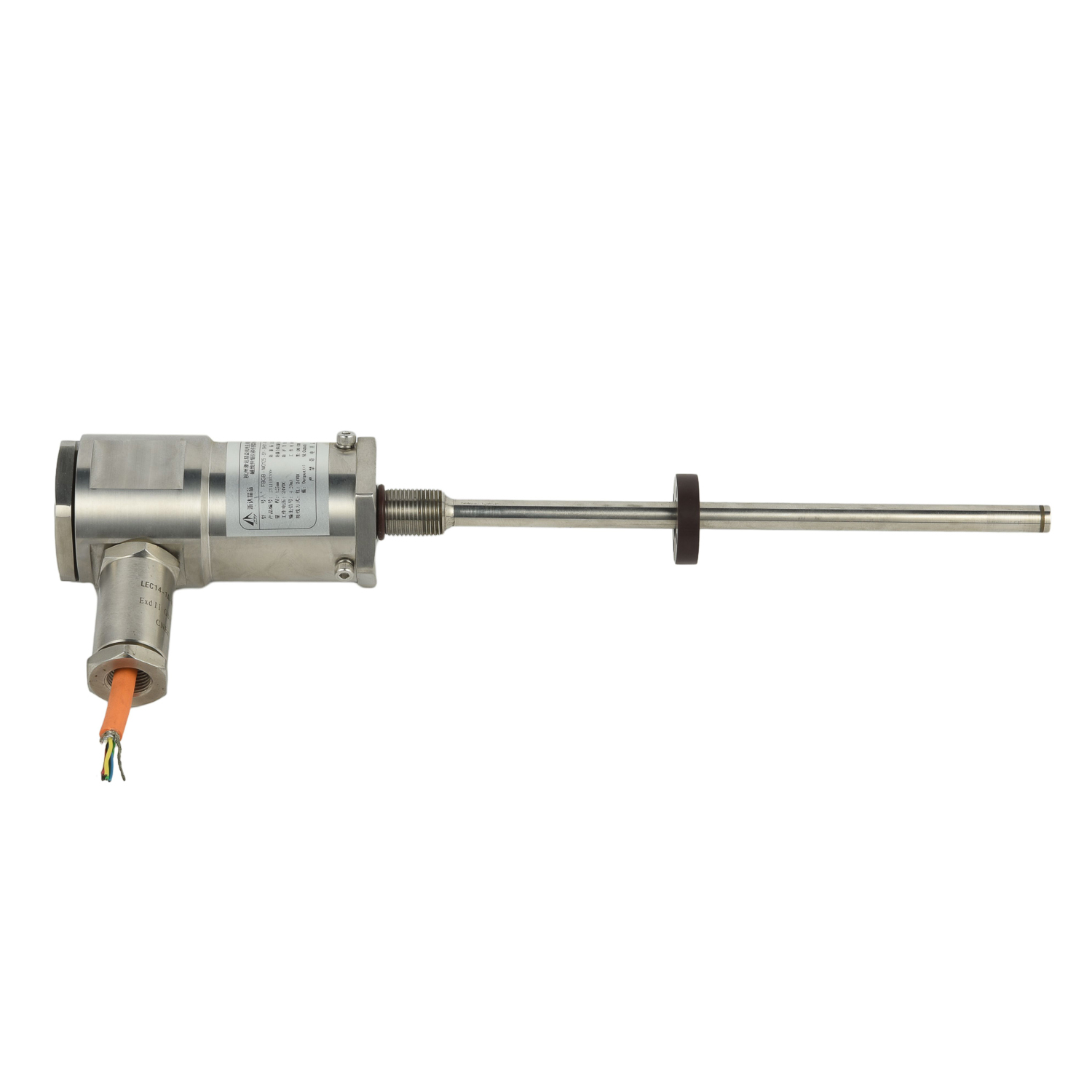 High-pressure Magnetostrictive
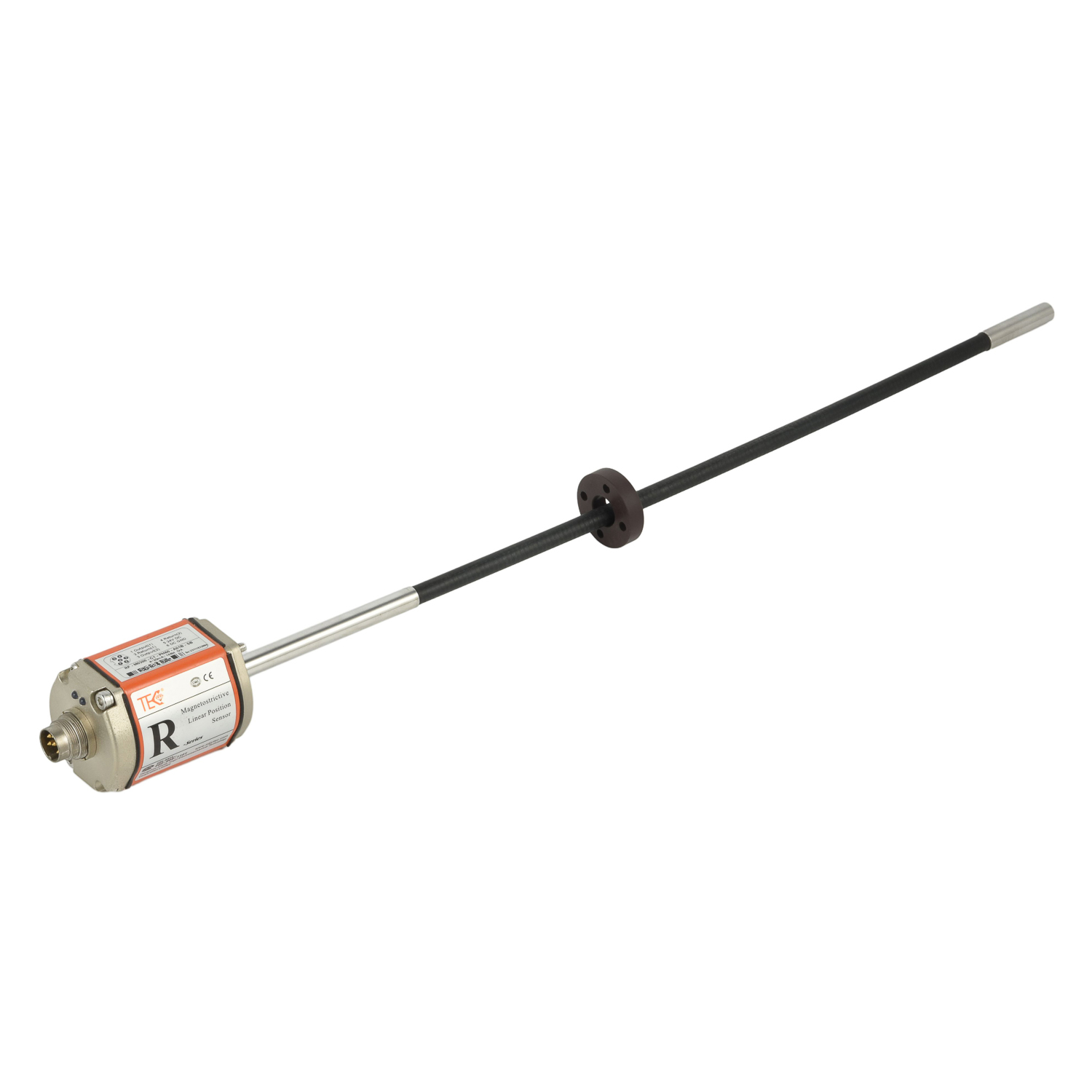 High-temperature Magnetostrict
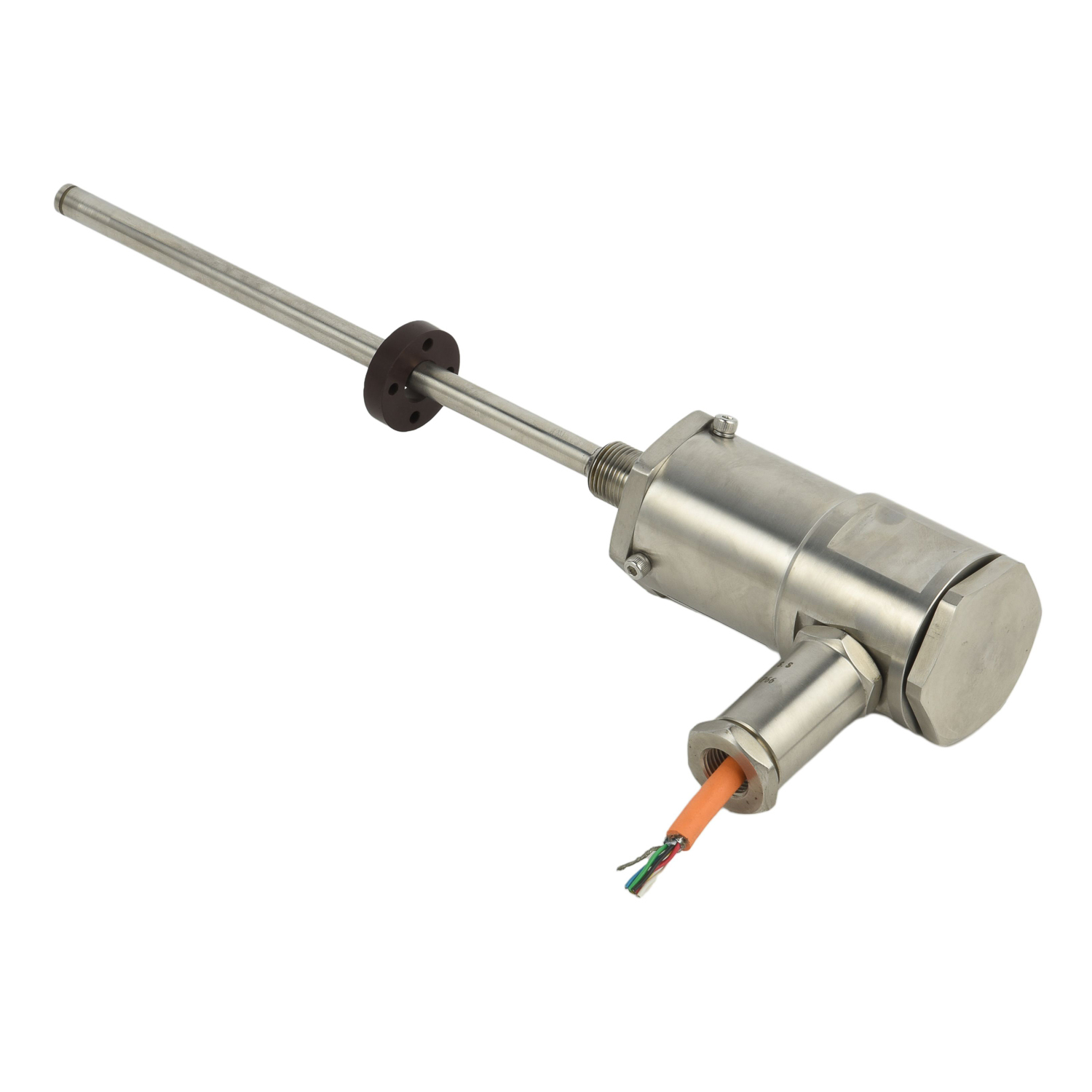 Waterproof Magnetostrictive Di