
What's the role of magnetostrictive sensors in smart elevator safety monitoring?
Introduction to Smart Elevator Safety
The evolution of elevator technology has ushered in the era of smart elevators, where safety is paramount. At the heart of this safety revolution lies a critical component: the magnetostrictive sensor. These advanced devices provide the high-precision, real-time data necessary for modern elevator systems to operate with unprecedented levels of safety and reliability. Unlike traditional systems, smart elevators leverage this data for predictive analytics, ensuring potential issues are identified long before they compromise passenger security. This foundational shift is redefining building standards and passenger expectations worldwide.
What Are Magnetostrictive Sensors?
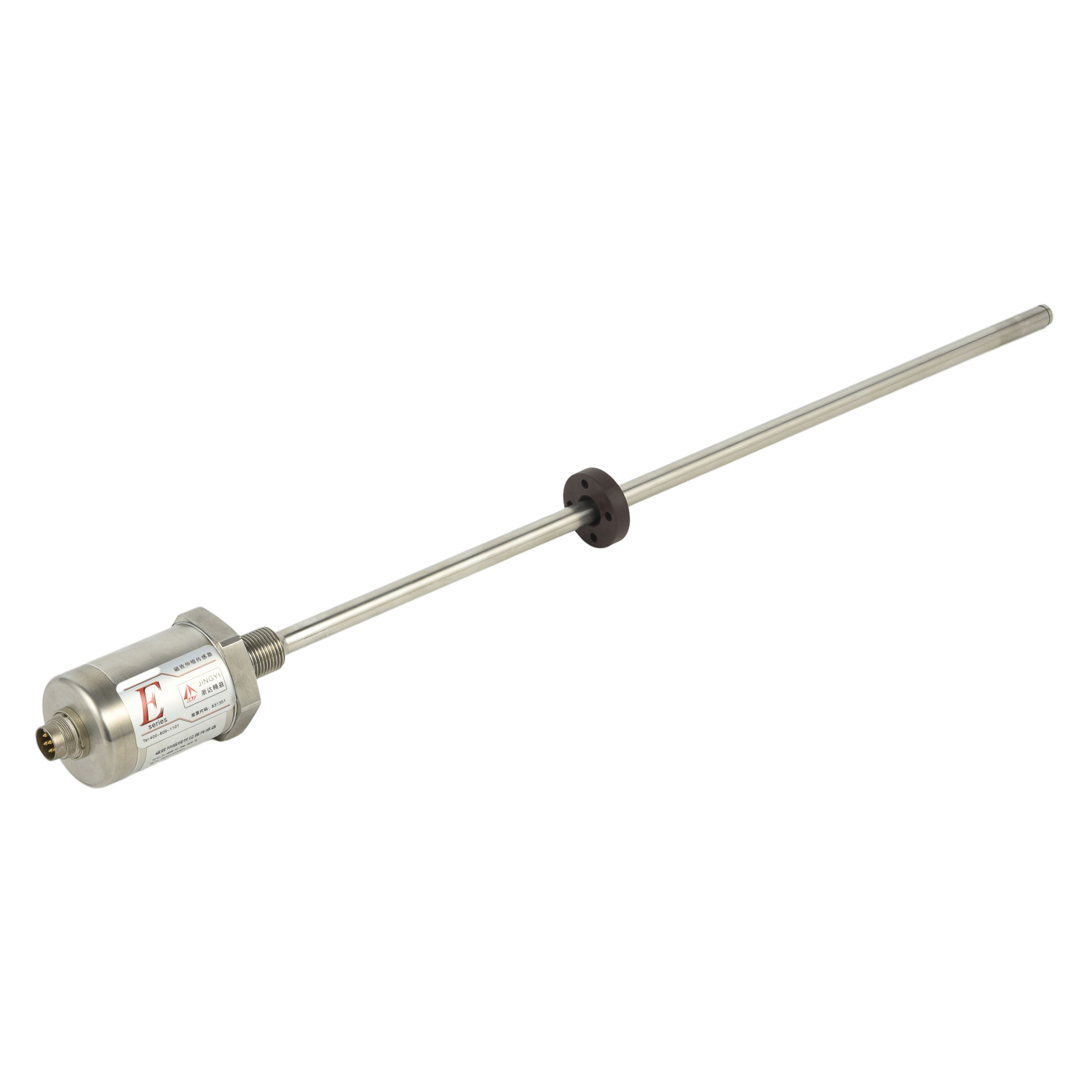
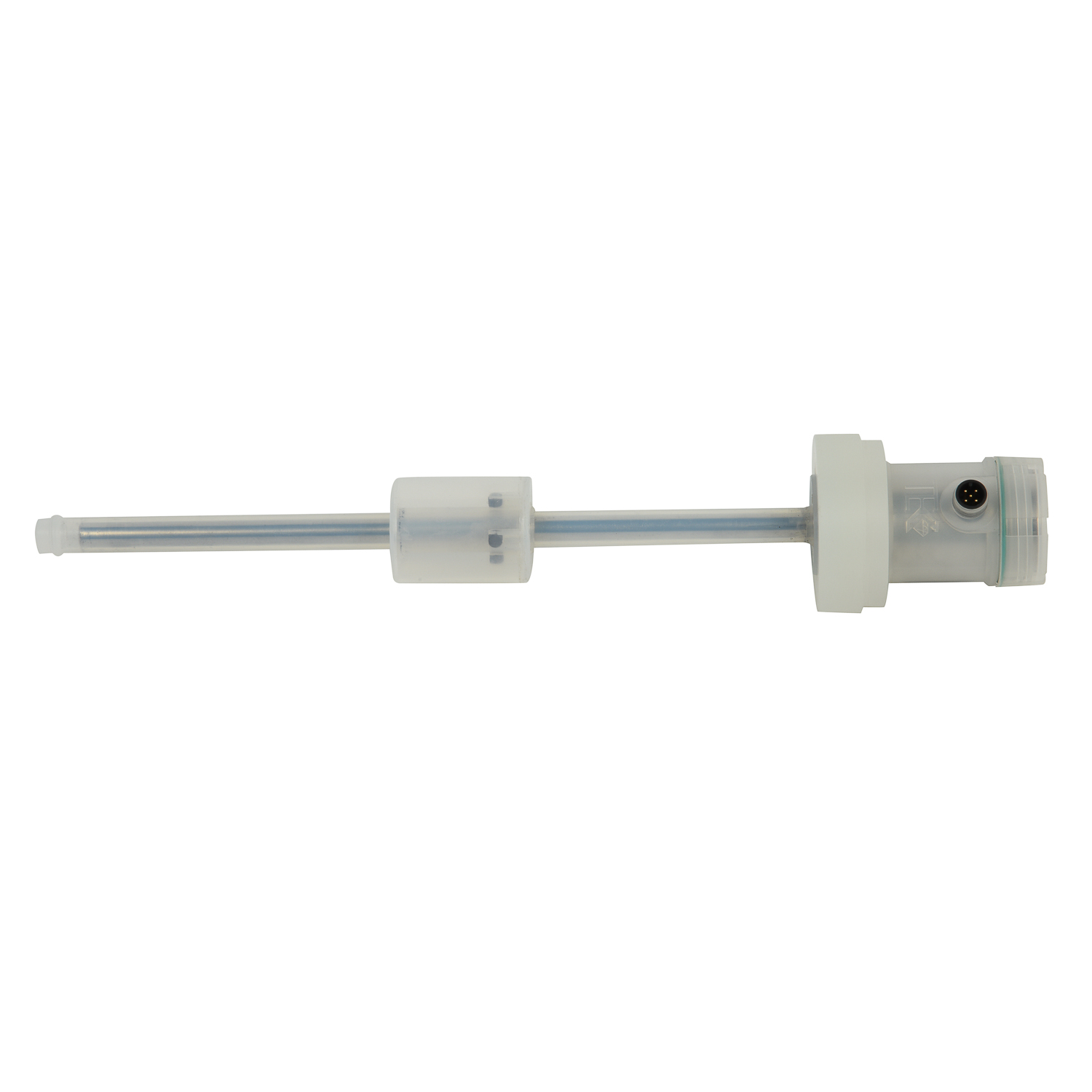
Magnetostrictive sensors are highly accurate position and velocity detection devices. They operate on the principle of magnetostriction, where a ferromagnetic material changes shape in the presence of a magnetic field. In a typical sensor, a current pulse is sent through a waveguide. A permanent magnet, attached to the moving elevator car, creates a torsional strain wave at the magnet's location. The time delay for this wave to return to the sensor's detector is measured, providing an exceptionally precise reading of the car's position. This non-contact measurement method ensures minimal wear and tear, contributing to long-term reliability.
Precision in Position and Speed Control
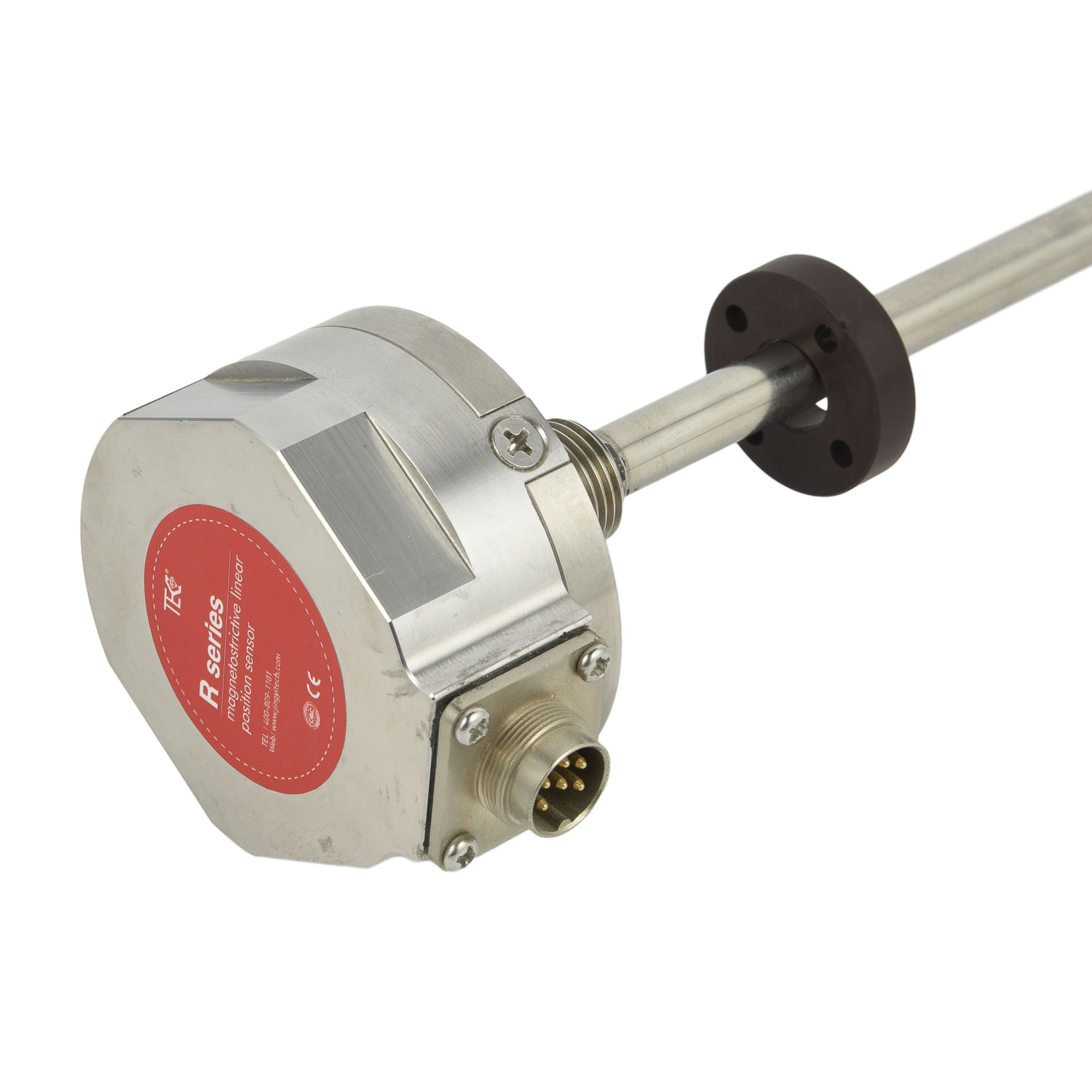
The primary role of magnetostrictive sensors in elevator systems is to deliver unmatched precision in controlling the elevator car's position and speed. They provide continuous, real-time feedback to the elevator's control unit, enabling smooth acceleration, deceleration, and precise floor-leveling. This accuracy is crucial for passenger comfort and, more importantly, for safety. A misaligned stop can create a trip hazard, while inaccurate speed control can lead to unsafe travel conditions. By ensuring the car always stops exactly where it should and moves at the correct speeds, these sensors form the first line of defense in daily elevator operation.
Real-time Structural Health Monitoring
Beyond basic positioning, magnetostrictive sensors are instrumental in structural health monitoring. They can detect minute vibrations, oscillations, and deviations in the elevator's movement patterns. By analyzing this data, the smart elevator system can assess the integrity of components like guide rails, ropes, and the car itself. Anomalies in vibration signatures can indicate wear, misalignment, or impending component failure. This capability transforms elevator maintenance from a reactive, schedule-based process to a proactive, condition-based one, significantly enhancing overall system safety.
Enabling Predictive Maintenance Strategies
The reliable data from magnetostrictive sensors is the cornerstone of predictive maintenance. Instead of servicing components based on elapsed time, maintenance is triggered by actual need. The sensor data feeds into algorithms that predict when a part is likely to fail, allowing for intervention during planned downtime. This approach prevents unexpected breakdowns, reduces the risk of accidents, and optimizes maintenance costs. For building managers, this means higher elevator availability and the assurance that the system is continuously monitored for any signs of degradation.
Integration with IoT and Building Management Systems
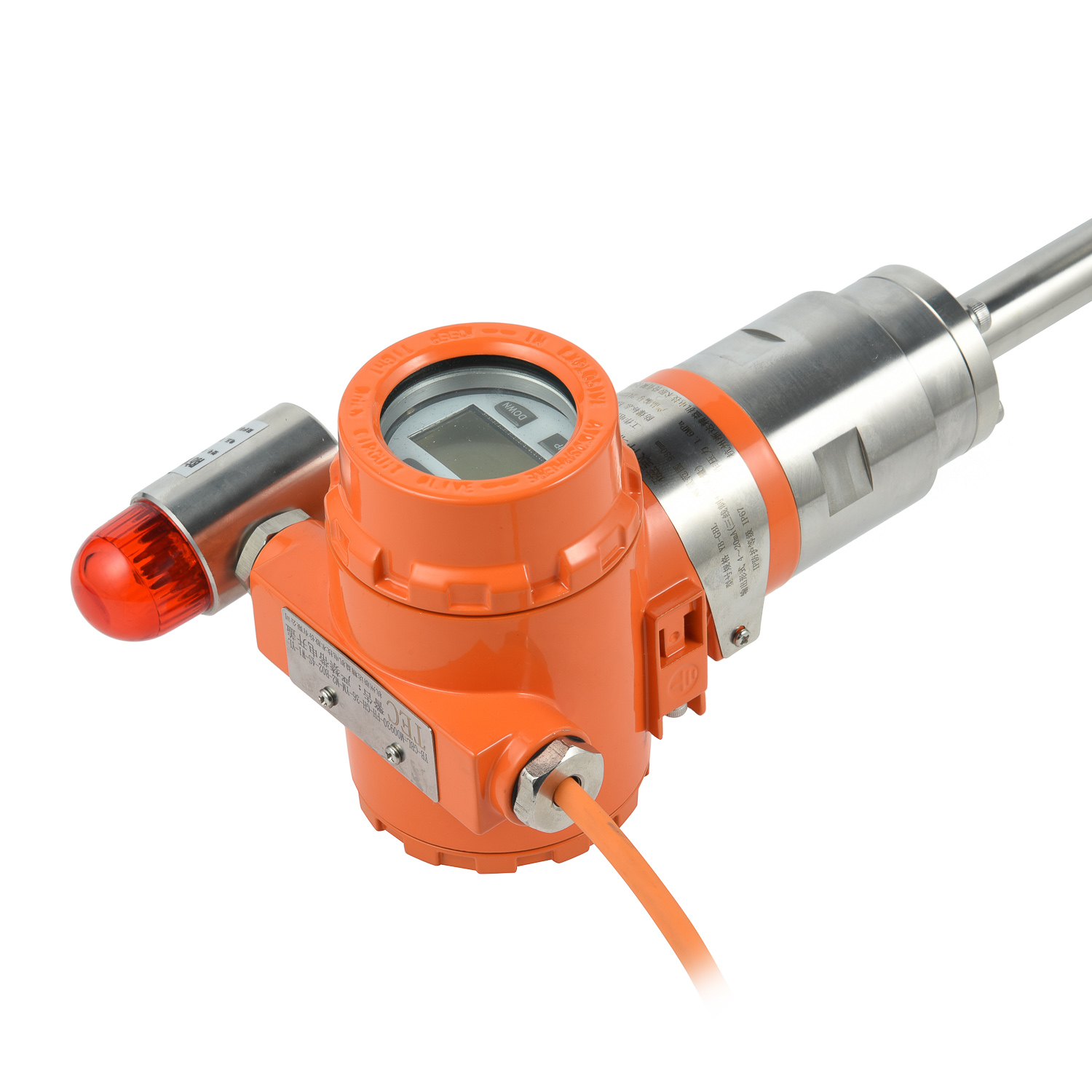
The true power of magnetostrictive sensors is realized when integrated into the Internet of Things (IoT) ecosystem of a smart building. These sensors act as data nodes, streaming critical performance and safety information to a central building management system (BMS). This integration allows for remote monitoring, centralized diagnostics, and system-wide safety protocols. In the event of an anomaly, alerts can be sent instantly to maintenance teams, and elevators can be automatically taken offline if a serious safety parameter is breached, ensuring a swift and coordinated response.
Conclusion: A Non-Negotiable Safety Standard
In conclusion, magnetostrictive sensors have evolved from a technical advantage to a non-negotiable standard for smart elevator safety. Their role in providing precise control, enabling real-time structural assessment, and facilitating predictive maintenance is indispensable. As elevator technology continues to advance towards fully autonomous systems, the reliability and accuracy of these sensors will remain the bedrock of passenger safety, ensuring that vertical transportation is not just efficient, but inherently secure.
 Technical Parameters of Magnet
 How Much is Magnetostrictive D
 Magnetostrictive Displacement
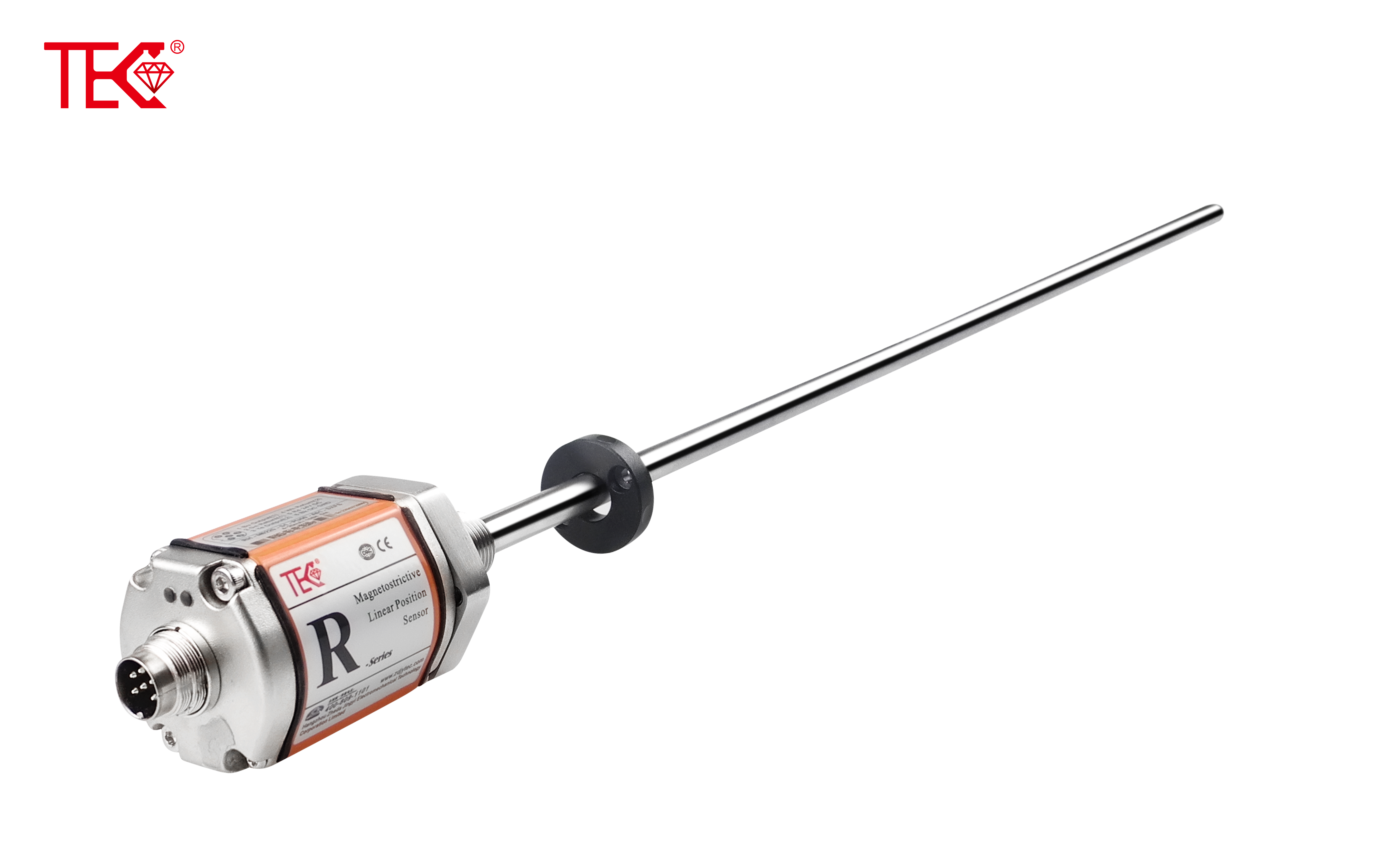 Magnetostrictive Displacement