
What's the precise control solution for magnetostrictive sensors in medical beds?
Understanding Magnetostrictive Sensor Technology
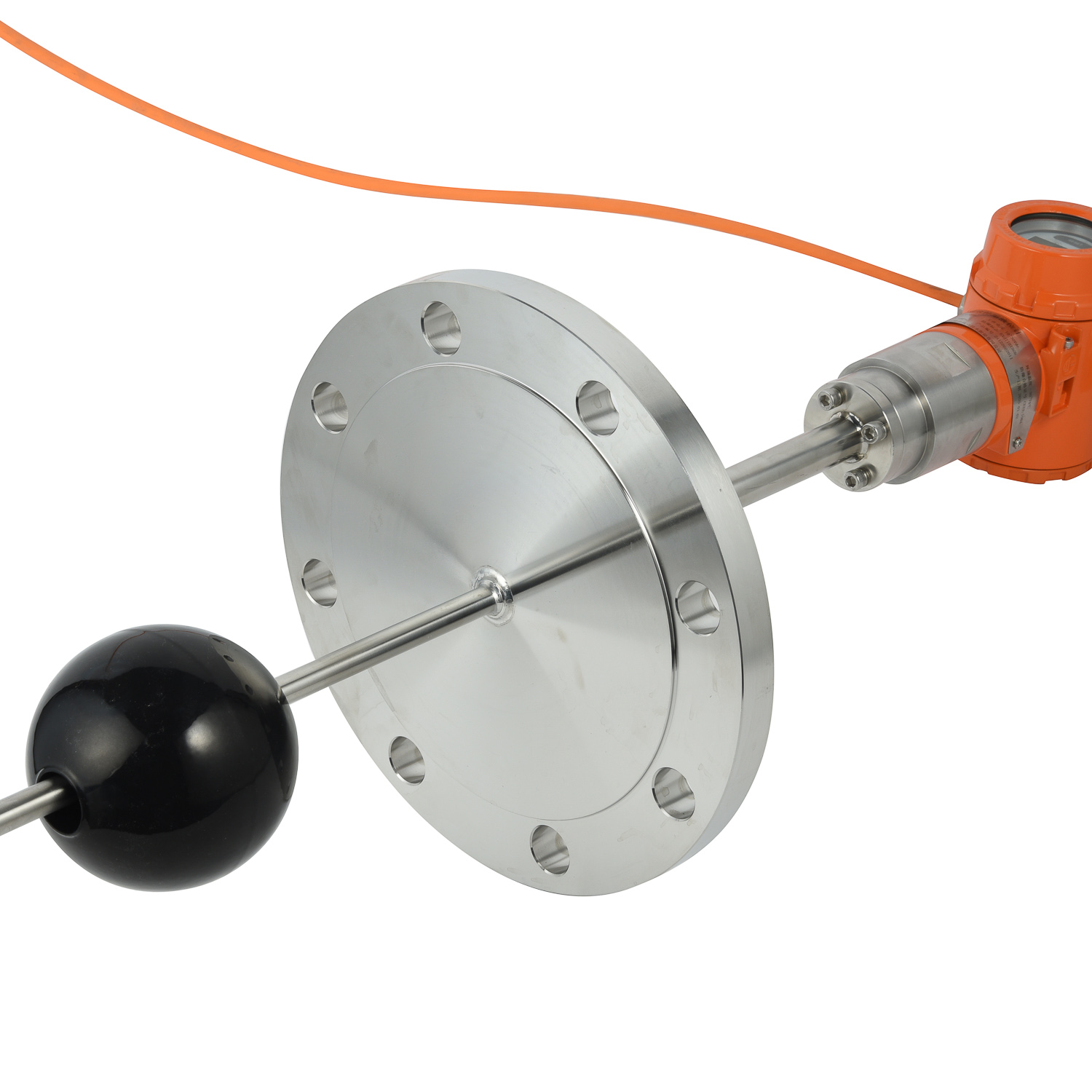
Magnetostrictive sensors represent a breakthrough in precision measurement for medical applications. These sophisticated devices utilize the magnetostrictive effect, where ferromagnetic materials change shape when exposed to magnetic fields. In medical beds, this technology enables unparalleled accuracy in position detection and movement control. The sensors consist of a waveguide wire surrounded by a magnetic field, creating precise feedback mechanisms that outperform traditional sensing methods. Their non-contact operation ensures reliability while minimizing maintenance requirements in critical healthcare environments.
Precision Control Mechanisms in Medical Beds
The core of magnetostrictive sensor functionality lies in its precise control mechanisms. These systems employ time-domain reflectometry principles to achieve sub-millimeter accuracy in position sensing. When integrated with medical bed frameworks, they provide real-time feedback on bed height, backrest angle, and section positioning. Advanced signal processing algorithms convert magnetic field variations into actionable data, enabling smooth and accurate adjustments. This precision is particularly crucial for specialized medical beds used in surgical theaters and intensive care units, where minute positioning changes can significantly impact patient outcomes.
Enhanced Patient Safety and Comfort Applications
Magnetostrictive sensors revolutionize patient care through enhanced safety protocols and comfort optimization. The technology enables automated pressure redistribution systems that prevent bed sores in immobile patients. By continuously monitoring patient position and movement patterns, these sensors facilitate proactive adjustments that maintain optimal support surface pressure. Integrated safety features include precise trendelenburg positioning controls and automatic height adjustments for fall prevention. The system's accuracy ensures patients remain in therapeutic positions while minimizing staff intervention requirements, creating a safer clinical environment.
Integration with Modern Healthcare Systems
Modern magnetostrictive sensor systems feature seamless integration capabilities with hospital infrastructure. Through standardized communication protocols like CANopen and Ethernet/IP, these sensors connect with nurse call systems, electronic health records, and facility management platforms. This integration enables automated documentation of patient positioning data and remote monitoring capabilities. The technology supports predictive maintenance alerts by tracking usage patterns and component wear, reducing equipment downtime. Healthcare providers benefit from centralized control consoles that manage multiple beds simultaneously, optimizing staff efficiency across medical facilities.
Future Developments and Industry Trends
The future of magnetostrictive sensor technology in medical beds points toward increasingly intelligent systems. Emerging trends include AI-powered predictive positioning that anticipates patient movement patterns and automated pressure injury prevention algorithms. Wireless connectivity advancements enable cloud-based monitoring and data analytics for population health management. Miniaturization efforts are producing more compact sensors that expand application possibilities while reducing costs. The industry is also developing hybrid systems combining magnetostrictive technology with other sensing modalities to create comprehensive patient environment management solutions for next-generation smart hospitals.
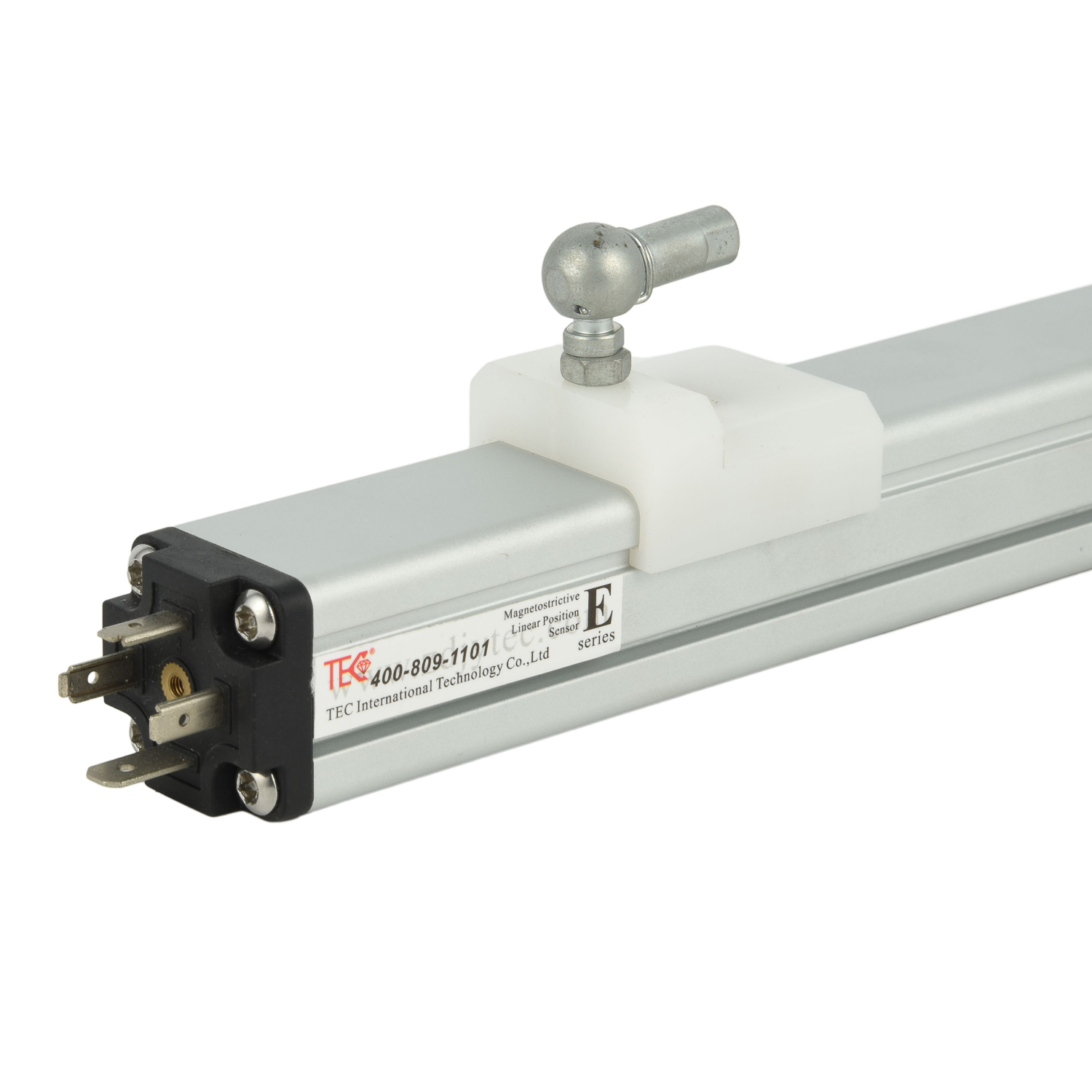 Model and Specification of Mag
Import Substitute Magnetostric
Model and Specification of Mag
Import Substitute Magnetostric
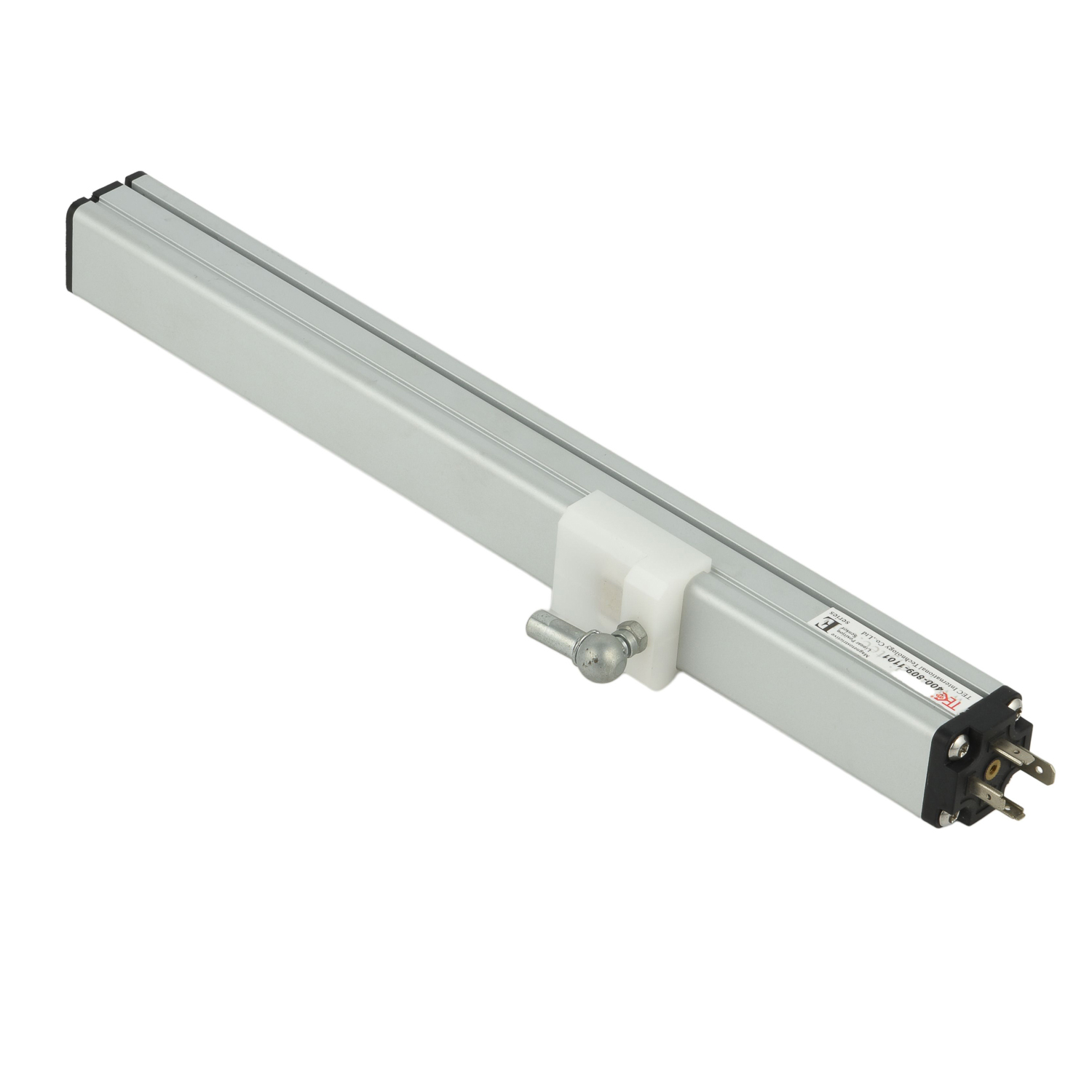 Installation Method of Magneto
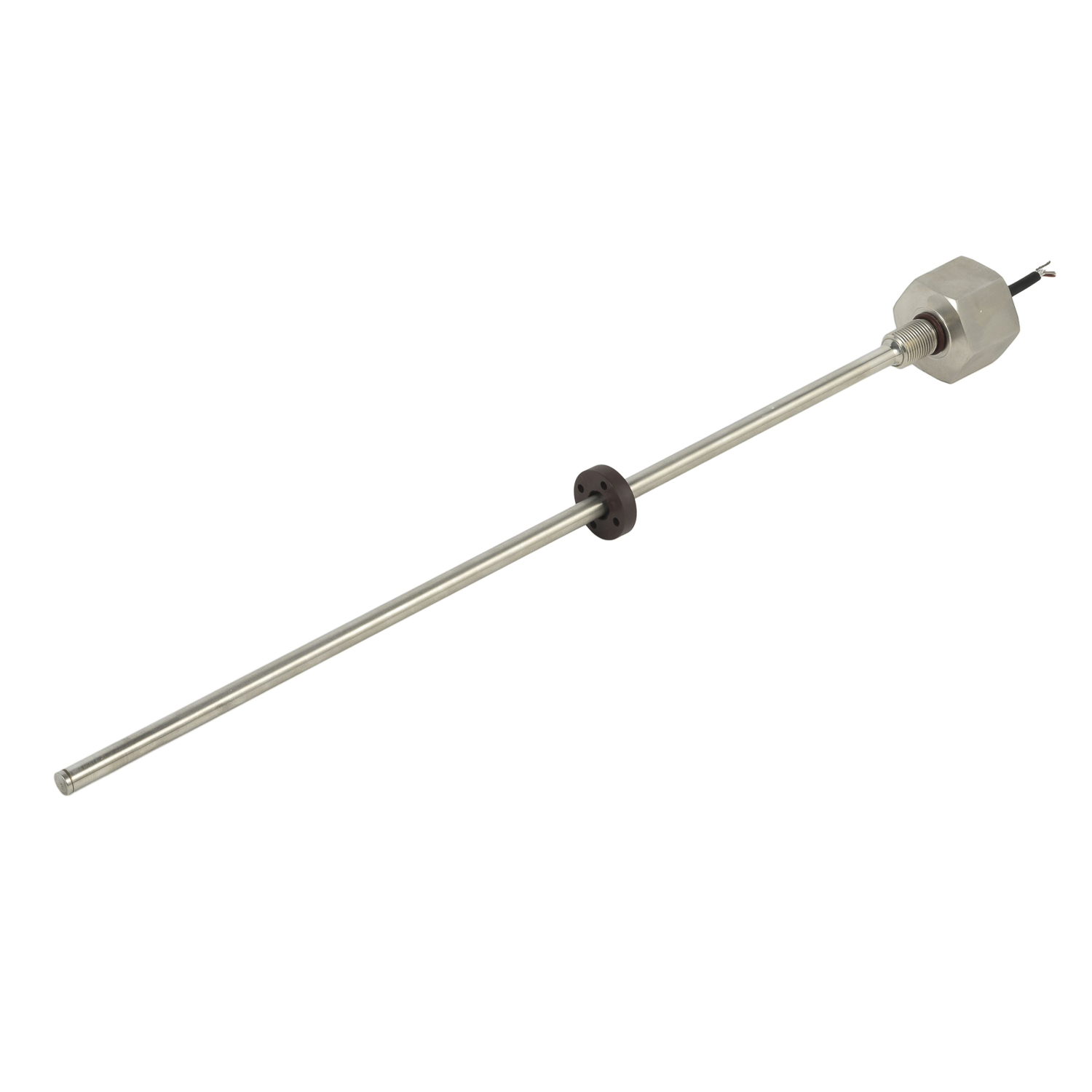 Working Principle of Magnetost