
How does waterproof sealing technology work in magnetostrictive sensors?
In the world of industrial automation and precision measurement, magnetostrictive sensors are renowned for their exceptional accuracy in detecting linear position. However, their sophisticated internal electronics are highly susceptible to environmental contaminants like water, dust, and chemicals. This is where advanced waterproof sealing technology becomes paramount. It acts as an invisible shield, ensuring the sensor's integrity and performance in the most challenging applications, from food and beverage processing to offshore machinery.
Understanding the Core Principle of Sealing
The fundamental principle behind waterproof sealing is the creation of a continuous, impenetrable barrier. This barrier prevents the ingress of liquids and solid particles into the sensor's critical internal components, such as the waveguide and electronics housing. Seals are strategically placed at all potential entry points, including the housing joints, cable exit, and the point where the sensing rod enters the body. The effectiveness of this barrier is determined by the materials used and the precision of the sealing design, which must withstand not only static exposure but also pressure variations and temperature cycles.
The Critical Role of IP Ratings in Sensor Protection
To quantify the level of protection, the International Protection Marking code, or IP rating, is used. This rating, such as IP67 or IP69K, provides a clear, standardized definition of a sensor's environmental resilience. The first digit indicates protection against solid objects (e.g., 6 for dust-tight), and the second digit denotes protection against liquids (e.g., 7 for immersion up to 1 meter for 30 minutes). For magnetostrictive sensors deployed in washdown areas or outdoor environments, a high IP rating is non-negotiable. It gives engineers a reliable benchmark for selecting a sensor that will survive specific operational hazards.
Common Waterproofing Methods: O-Rings and Potting
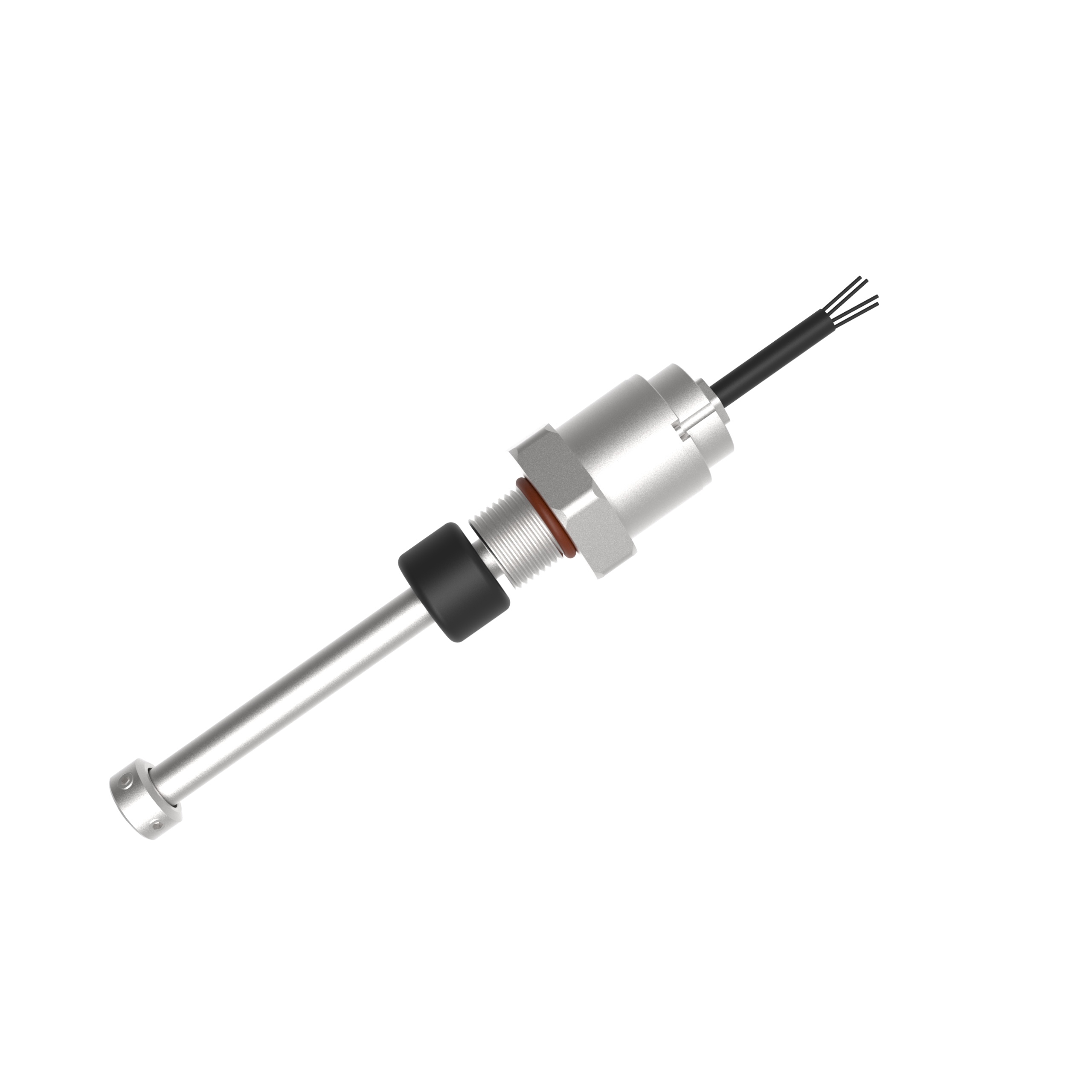
Several key techniques are employed to achieve a high degree of waterproofing. Elastomeric O-rings are one of the most common methods. These rubber rings are compressed within a gland at the housing interface, creating a tight seal that blocks moisture. For the electronics compartment, potting is a widely used technique. This involves filling the entire housing with a protective compound, like epoxy or silicone gel. This compound encapsulates the delicate circuitry, protecting it from moisture, vibration, and mechanical shock, thereby significantly enhancing the sensor's long-term reliability.
Ensuring Long-Term Reliability in Harsh Conditions
The ultimate goal of waterproof sealing is to guarantee long-term reliability. A well-sealed magnetostrictive sensor maintains its measurement accuracy over time, reducing downtime and maintenance costs. This reliability is tested through rigorous procedures that simulate years of exposure to humidity, temperature extremes, and high-pressure sprays. By investing in sensors with robust sealing technology, industries can ensure continuous operation in harsh conditions, safeguarding their processes and productivity. This protection is essential for maintaining the precise feedback required for critical control systems.
 Working Principle of Magnetost
 Technical Parameters of Magnet
 How Much is Magnetostrictive D
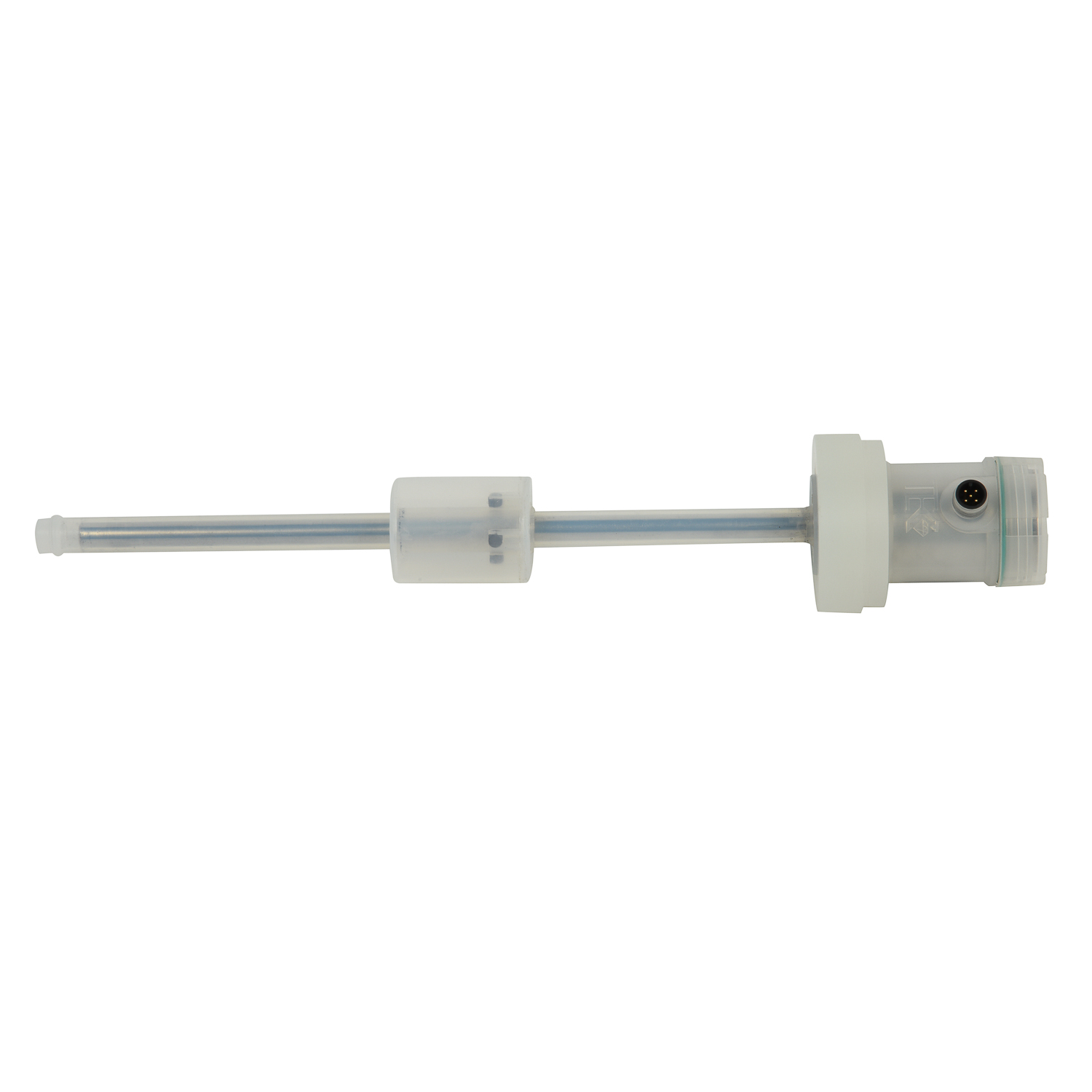 Magnetostrictive Displacement